Category Archives: drought tolerant

Snowdrop Variations

Each January, I’m on the lookout for the first blooms of the New Year.

galanthus, snowdrops, garden Victoria BC Pacific Northwest
photo by SVSeekins

Here, on southern Vancouver Island,  it’s the snowdrops that take centre stage.  Our urban deer leave them alone, so there are patches of the winter blooms all around Victoria.

galanthus, snowdrops, garden Victoria BC Pacific Northwest
photo by SVSeekins

Our garden club was treated to tours of 2 members’ winter gardens.  Carol & Jennifer introduced us to some of the many varieties of Galanthus… Who knew there was more than one kind of snowdrop?

galanthus elwesii snowdrops, garden Victoria BC Pacific Northwest
photo by SVSeekins

I  start looking more closely at the pure white helicopter blades with their protected cockpit.   Analyzing means kneeling down in the wet grass, camera in hand.
galanthus elwesii snowdrops, garden Victoria BC Pacific Northwest
photo by SVSeekins

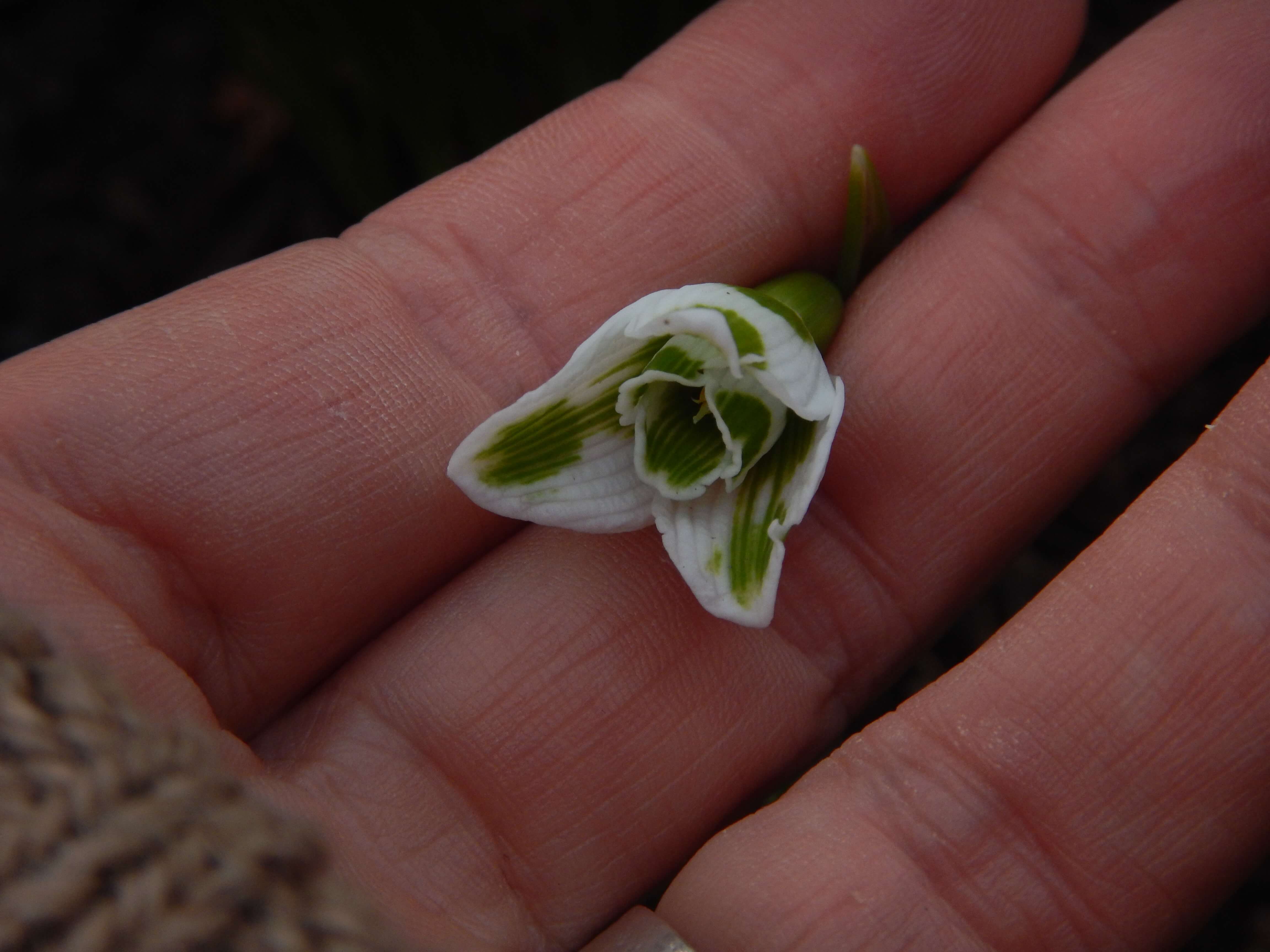
Low & behold, one clump of blooms has double green markings on each of the outer petals.  (The inner trumpet is quite green, too.)

Hello, Galanthus elwesii    🙂

galanthus elwesii snowdrops, garden Victoria BC Pacific Northwest
photo by SVSeekins

Farther along the path is another clump – – this one with wee green tips on the outer petals.

Another G. elwesii variety.

galanthus elwesii poculiformis snowdrops, garden Victoria BC Pacific Northwest
photo by SVSeekins

And then, there’s a patch with the standard white outer petals – – but there are 6 instead of the usual 3.

I’m pretty sure these are called Galanthus elwessi poculiformis.

galanthus st annes snowdrops, garden Victoria BC Pacific Northwest
photo by SVSeekins

My favourite way to ID plants is via plant labels – which are great as long as they don’t go missing – –  crows like to claim them as booty.

This label clearly states that this particular snowdrop is Galanthus St. Anne’s.   From a distance, it appears a typical snowdrop, with white outer petals & a small upside-down heart on the inner trumpet…

galanthus st annes snowdrops, garden Victoria BC Pacific Northwest
photo by SVSeekins

But here’s the reason I don’t mind getting dirty from kneeling on the grass:
Check out the inner petals!
This is how botanists are born, & become addicted to looking at plants soooooo closely.
galanthus nivalis bagpuize virginia snowdrops, garden Victoria BC Pacific Northwest
photo by SVSeekins

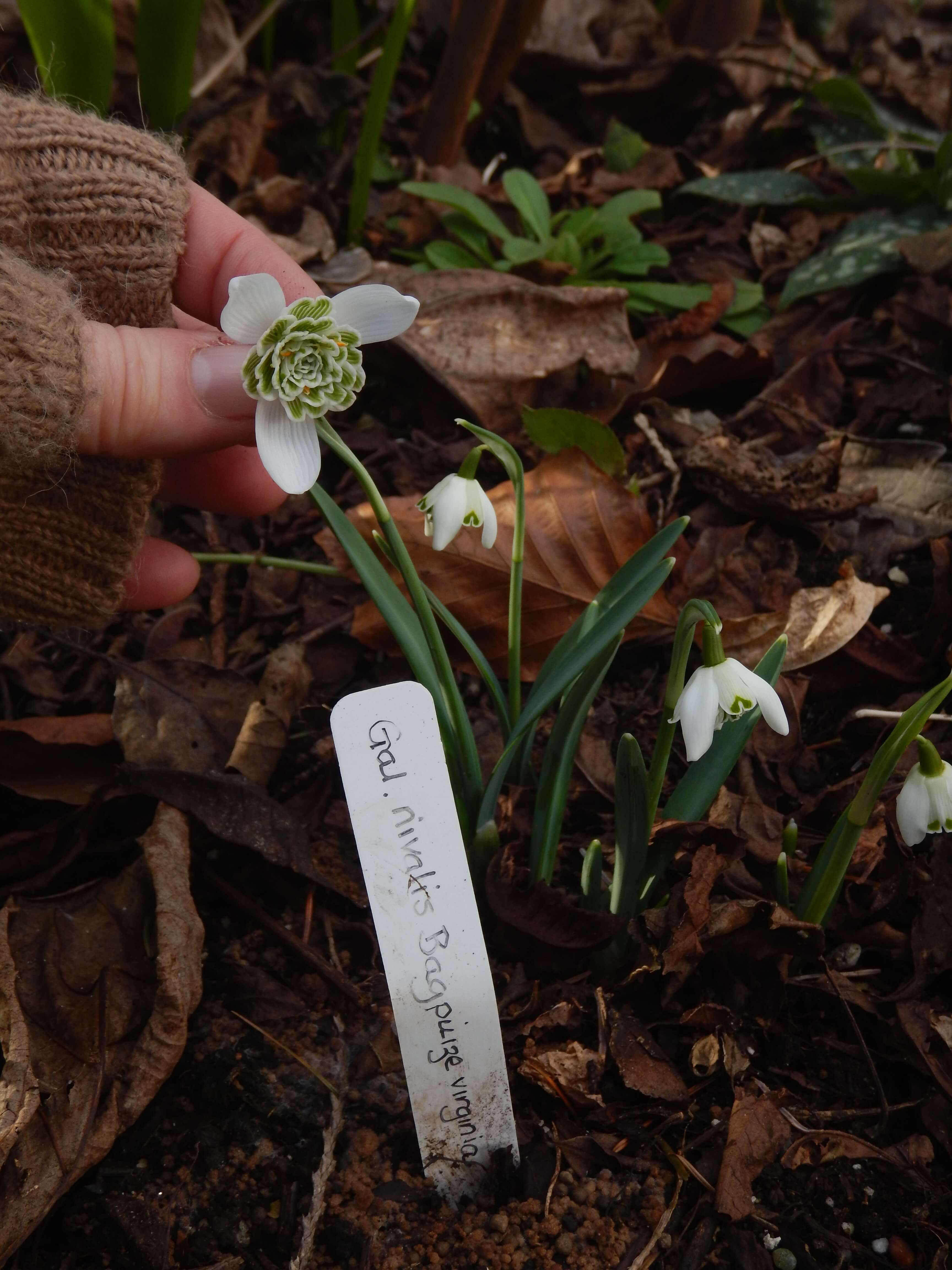
Peaking inside some more blooms, I find another delicate flower with an even more ruffled trumpet.  For such a tiny flower, this snowdrop has a ridiculously large name: Galanthus nivalis bagpuize virginia.
How’s that for a mouthful?

galanthus plicatus wendy's gold snowdrops, garden Victoria BC Pacific Northwest
photo by SVSeekins

Protected from the others, is a pot of snowdrops with yellow markings.  This is the first one I’ve noticed with a yellow ovary above the dangling flower.  It’s Galanthus plicatus ‘Wendy’s Gold’.
Quite a treasure.
galanthus elwesii barnes snowdrops, garden Victoria BC Pacific Northwest
photo by SVSeekins

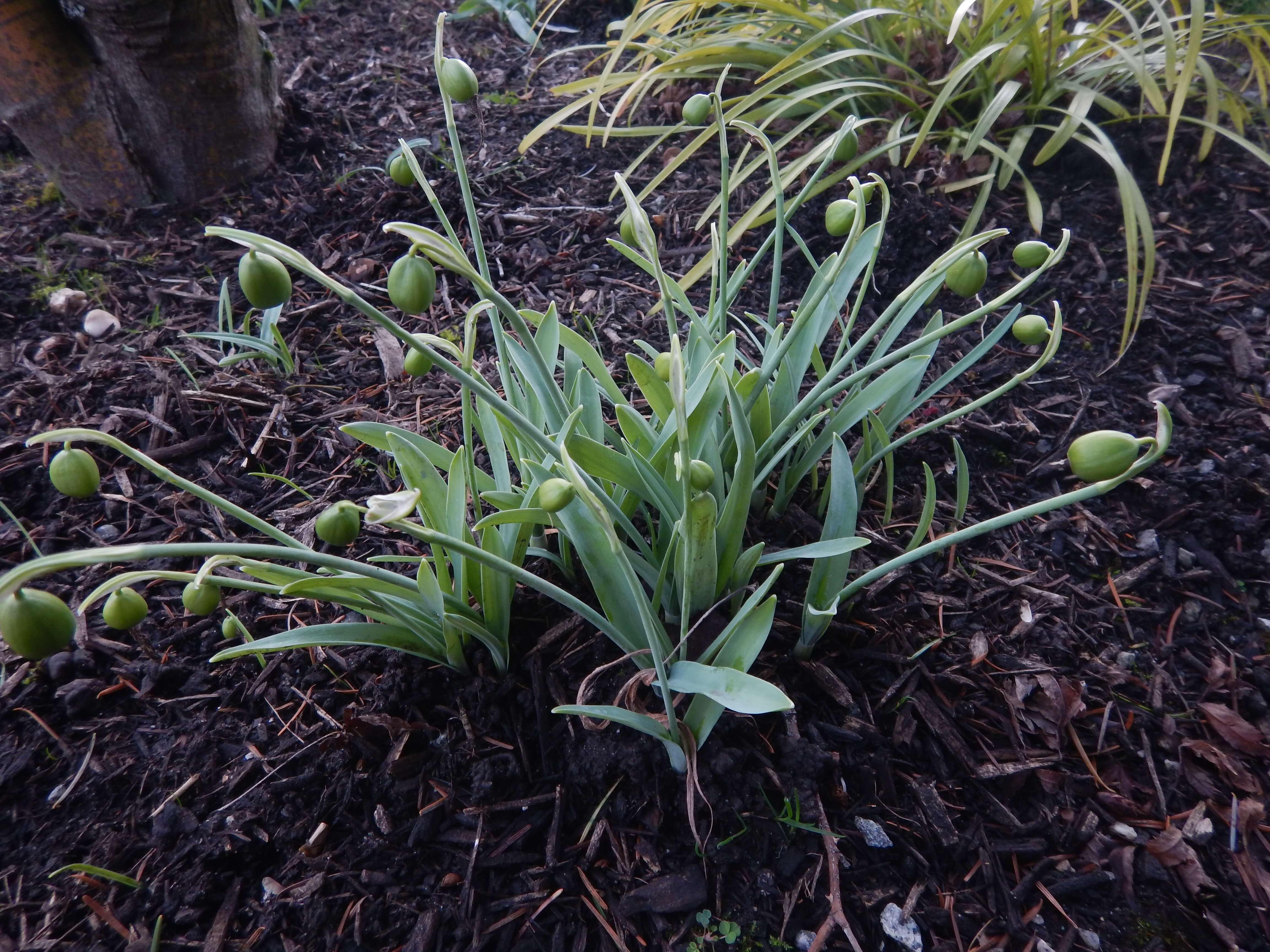
In the collection, I spied a clump of snowdrops that were already going to seed!  Although most snowdrops in Victoria bloom through the winter months, some snowdrops start crazy early in the fall.  Carol’s G. elwesii ‘Barnes’ begins blooming in November!

(It’s reported that G. reginae-olgae is a September bloomer & G. elwesii ‘Potter’s Prelude’ blooms through Halloween.)

galanthus elwesii poculiformis snowdrops, garden Victoria BC Pacific Northwest
photo by SVSeekins

The final mystery of my tour is a variety with green stripes on the outer petals.  The label was there but washed out.

Perhaps it has a name like ‘Greenish,’
or ‘Green Tear’??
Any other guesses?

Only a  galanthophile can be sure.  🙂

-30-

Native Groundcovers

It was always my goal for our garden to be low maintenance.  Native plants fit the bill perfectly.  They evolved locally, so need little pampering when grown in sites they’re suited to.

Eriophyllum lanatum, Woolly Eriophyllum, Wooly Sunflower, Oregon Sunshine, woody eriophyllum, wooly daisy, sunshine flower, garden Victoria, Vancouver Island, BC, Pacific Northwest
photo by SVSeekins

Our garden only gets water when it falls from the sky, or when I drag around a hose. (A hose is NOT low maintenance).  Here, in Victoria, we get plenty of rain (23 inches /year), but most of that falls in winter. Summer is 3-4 months without rain. Plants that succeed in our yard must be fairly drought tolerant.

Groundcovers help the garden become more drought tolerant by shading large pieces of soil. That has benefits:

twinflower, garden Victoria BC Pacific Northwest
photo by SVSeekins
  • reduces moisture loss through evaporation.
  • suppresses weeds, reducing competition.
  • reduces soil compaction, helping water soak into the ground instead of running off.
  • reduces erosion (no soil – no garden).
  • and, as a bonus, native groundcovers are especially wildlife & pollinator friendly.  🙂

Here are my
TOP 5 BULLETPROOF NATIVE GROUNDCOVERS:
(They all flourish in our dry garden & even survive the foraging urban deer.)

  1. wild strawberry patch at Camosun, garden Victoria BC Pacific Northwest
    photo by SVSeekins

    Wild Strawberry (Fragaria virginiana)
    and its cousin Coastal Strawberry (Fragaria chiloensis) loves full sun.  Woodland Strawberry (Fragaria vesca) prefers shade.   They create wide carpets via runners but don’t choke out any of the perennials sharing the space. I’m even delighted when they emigrate into our lawn, as they’re low enough to survive the mower’s blade.

  2. yarrow achillea millefolium native plant garden Victoria, Vancouver Island, BC, Pacific Northwest
    photo by SVSeekins

    Yarrow (Achillea millefolium)
    grows in gravel parking lots – – so I knew it would survive in our yard.  Be warned – – this yarrow can become a thug in an irrigated garden.  Because our garden is so dry, yarrow isn’t a nuisance.  Even still, I don’t let it self-seed… but  I am thinking of experimenting with it in our ‘lawn’ (potential manicured meadow.)

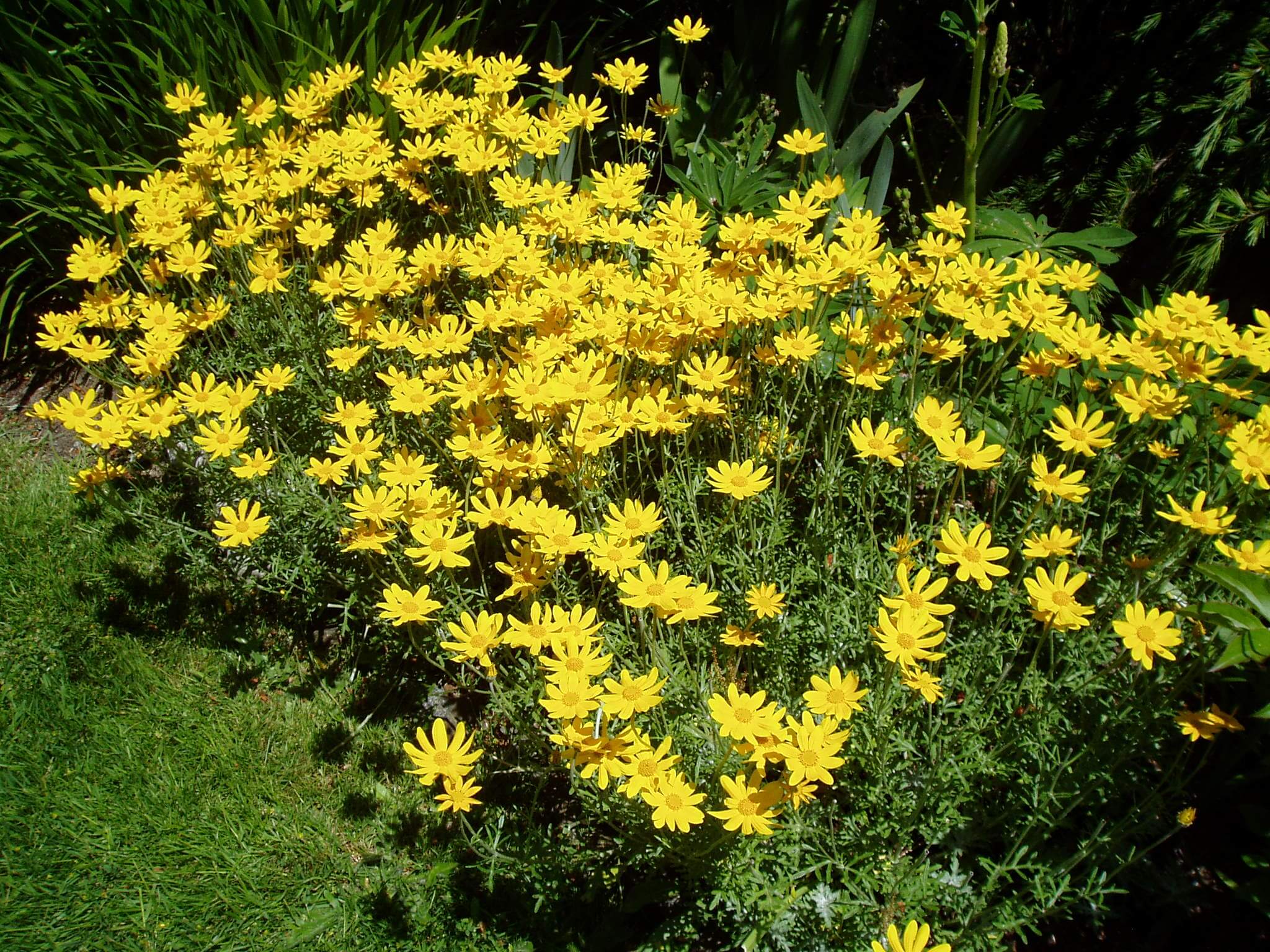
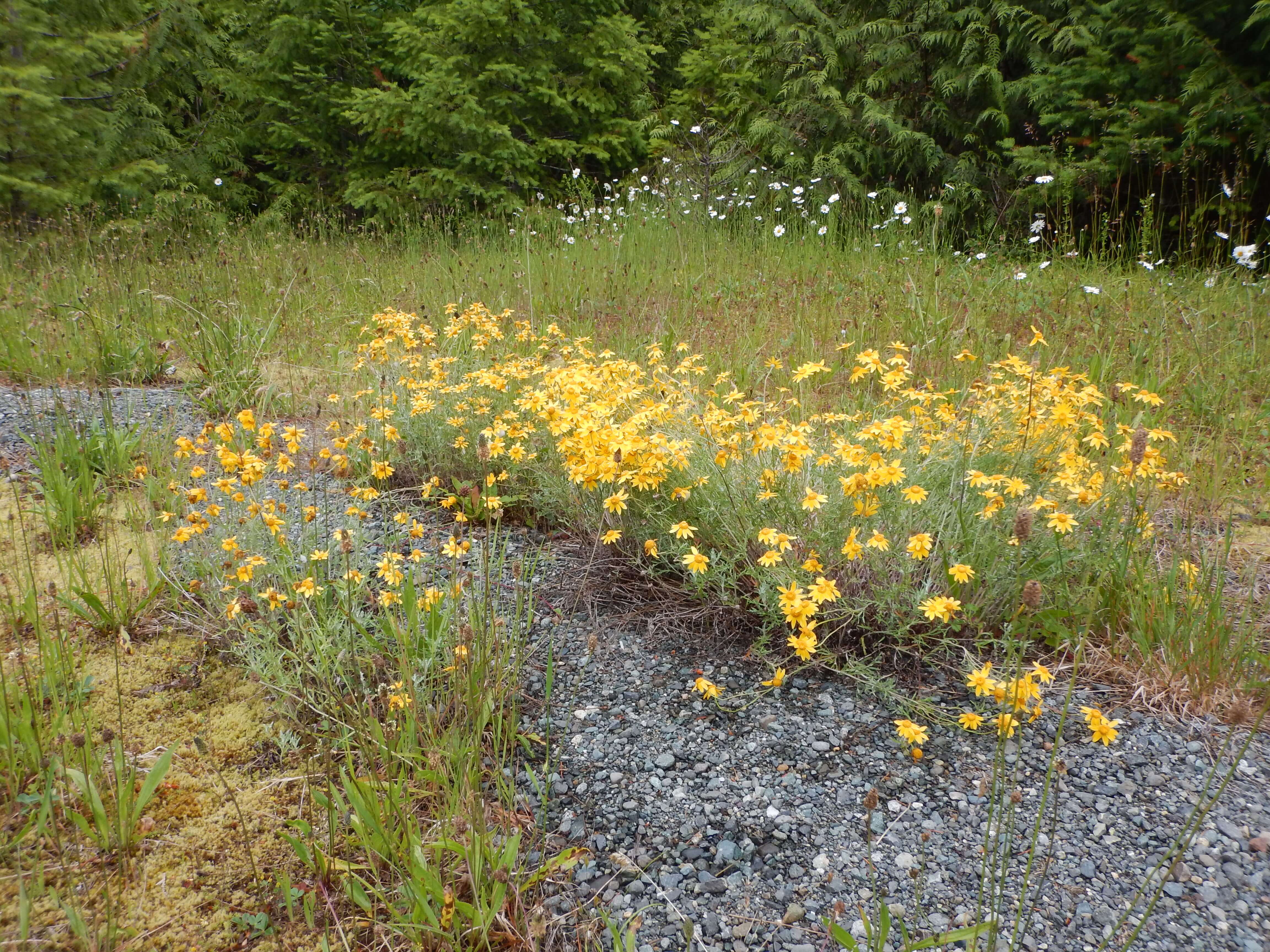
  3. Eriophyllum lanatum, Woolly Eriophyllum, Wooly Sunflower, Oregon Sunshine, woody eriophyllum, wooly daisy, sunshine flower, garden Victoria, Vancouver Island, BC, Pacific Northwest
    photo by SVSeekins

    Wooly Sunflower (Eriophyllum lanatum)
    is another sun-lover.  It took a little attention to get it established in our yard, but once it got going…  🙂
    Decent sized divisions re-establish in new beds quickly and are very drought tolerant.  Yeah, baby!!

  4. broad leaved stonecrop, spatula-leaved, sedum spathulifolium,, pacific sedum, spoon-leaved, Colorado stonecrop, garden Victoria, Vancouver Island, BC, Pacific Northwest
    photo by SVSeekins

    Broad-Leaf Sedum (Sedum spathulifolium)
    grows naturally in gravel & rocky bluffs beside the ocean.  It’s superpower is tolerating shade as well as sun. There are several patches in our yard.  When autumn comes I’m careful not to rake them up along with the leaf debris.

  5. Pacific Bleeding Heart in bloom
    photo by SVSeekins

    Pacific Bleeding Heart (Dicentra formosa)
    is a woodland groundcover.  It spread rapidly when we first planted our garden.  Trying to establish the new shrub border, I watered often.  With the extra moisture, the Bleeding Heart flowered in dappled shade for most of the summer.  Now that our mature shrubs require less watering, the Bleeding Heart gives a great spring display, then goes dormant until the following winter.

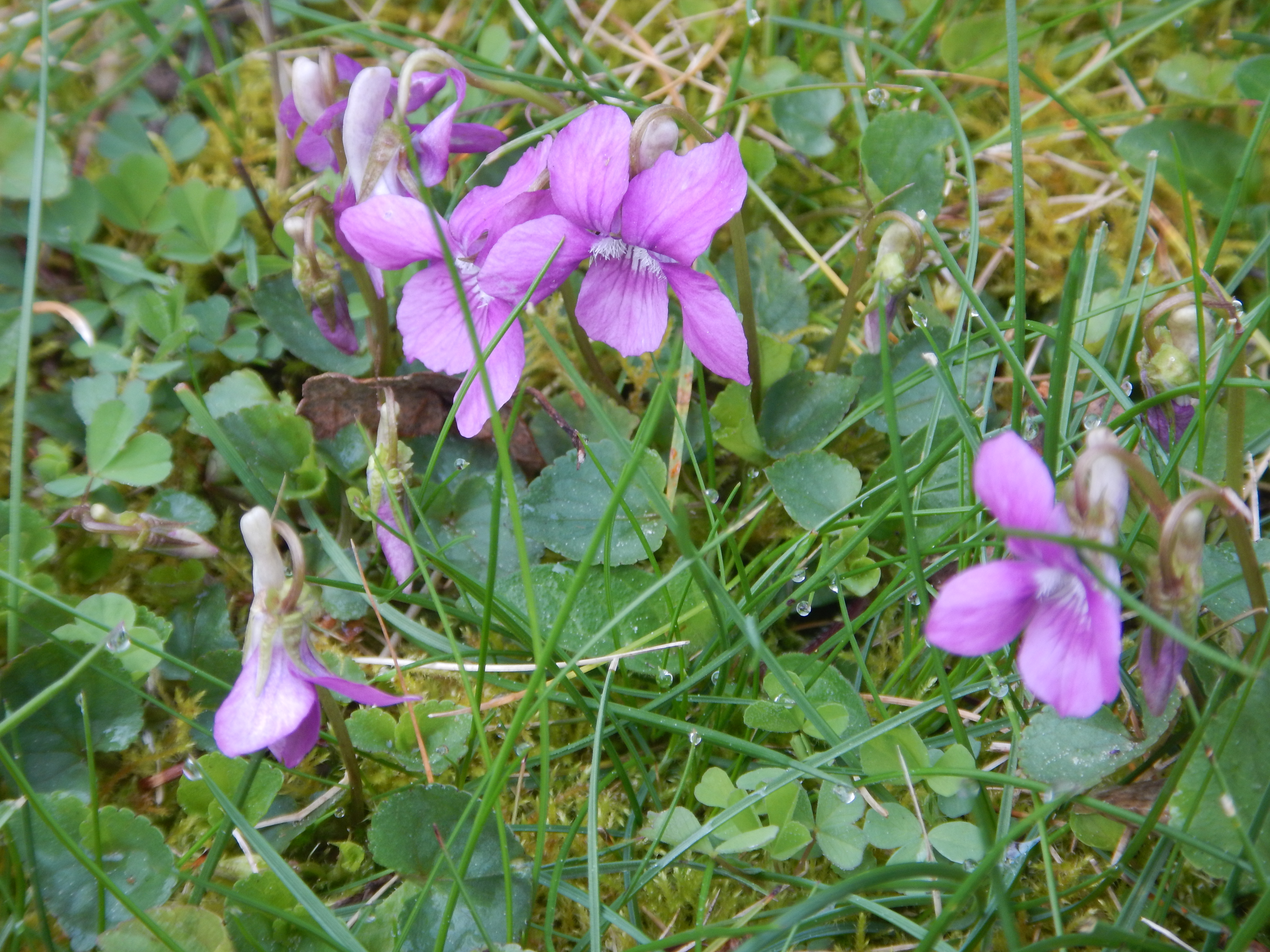
  6. wild violets in lawn, early blue violet, sand violet, western dog violet, hooked spur violet, viola audunca, alaska violet, aleutian violet, viola lnagsdorfii, garden Victoria, Vancouver Island, BC, Pacific Northwest
    photo by SVSeekins

    (BONUS)  Wild Violet (Viola adunca)
    is shade & drought tolerant once established.  It self-seeds prolifically, so is considered invasive by many gardeners.  Roots reach deep into the soil for moisture.  That makes it a little tougher to pull out of places where I don’t want it.  (The top 5 groundcovers are all easy to contain in our beds.)

Of course, there are many native groundcovers that look lovely & grow successfully in other local gardens:

  • bunchberry, Cornus canadensis, dwarf dogwood,, creeping dogwood, dwarf cornel, crackerberry, native wildflower, garden Victoria BC Pacific Northwest
    photo by SVSeekins

    Bunchberry (Cornus canadensis)
    needs a little more moisture than I’m prepared to supply but I’ve envied its presence in a friend’s irrigated garden… as well as admired it beside shady trails & sunny clear-cuts along the west coast.   It’s unusual for a plant to be just as happy in sun as in shade.  Bunchberry’s prime happy place is growing on old stumps & deadwood.

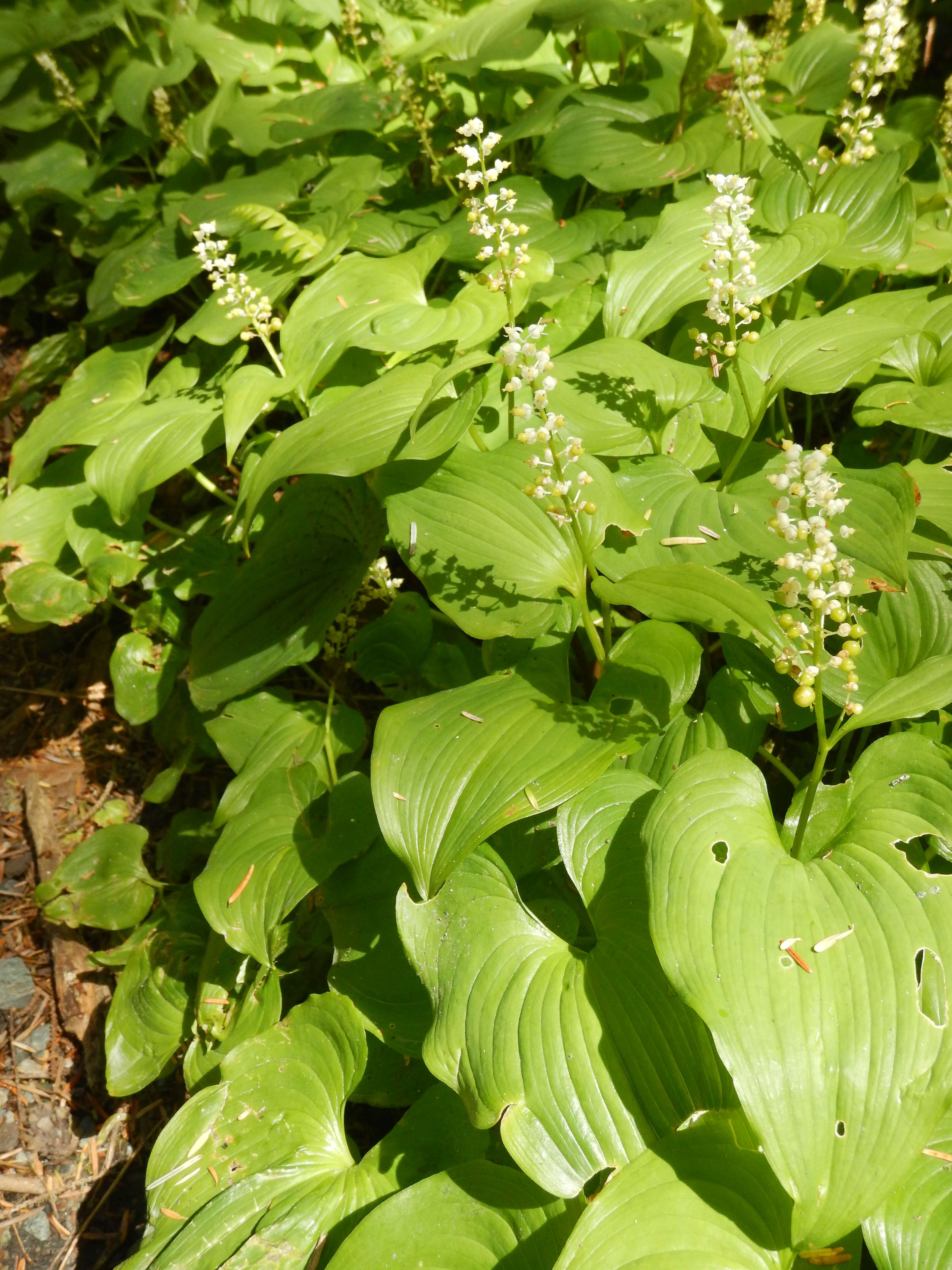
  • false lily of the valley, Maianthemum dilatatum, lily-of-the-valley, snakeberry, Maianthemum bifolium ssp. kamtschaticum, Maianthemum bifolium var. kamtschaticum, Maianthemum kamtschaticum, garden Victoria BC Pacific Northwest
    photo by SVSeekins

    False Lily of the Valley (Maianthemum dilatatum) can be observed in the native plant garden at the Royal BC Museum. It likes access to regular moisture & tolerates a good deal of shade. I often appreciate the lushness of  False Lily of the Valley in the understory of our local parks.

  • Aster, garden Victoria BC Pacific Northwest
    photo by SVSeekins

    Aster
    is one of those simple wildflowers of late summer. Unfortunately the deer in our neighborhood feast on any I plant.  Just a couple blocks away is a lovely patch. (What’s their secret???) Another native plant gardener, Louise Goulet, told me she enjoyed the common native  Douglas Aster (Symphyotrichum subspicatum) in her irrigated garden but said she’d finally removed all of it because it was taking over the world.

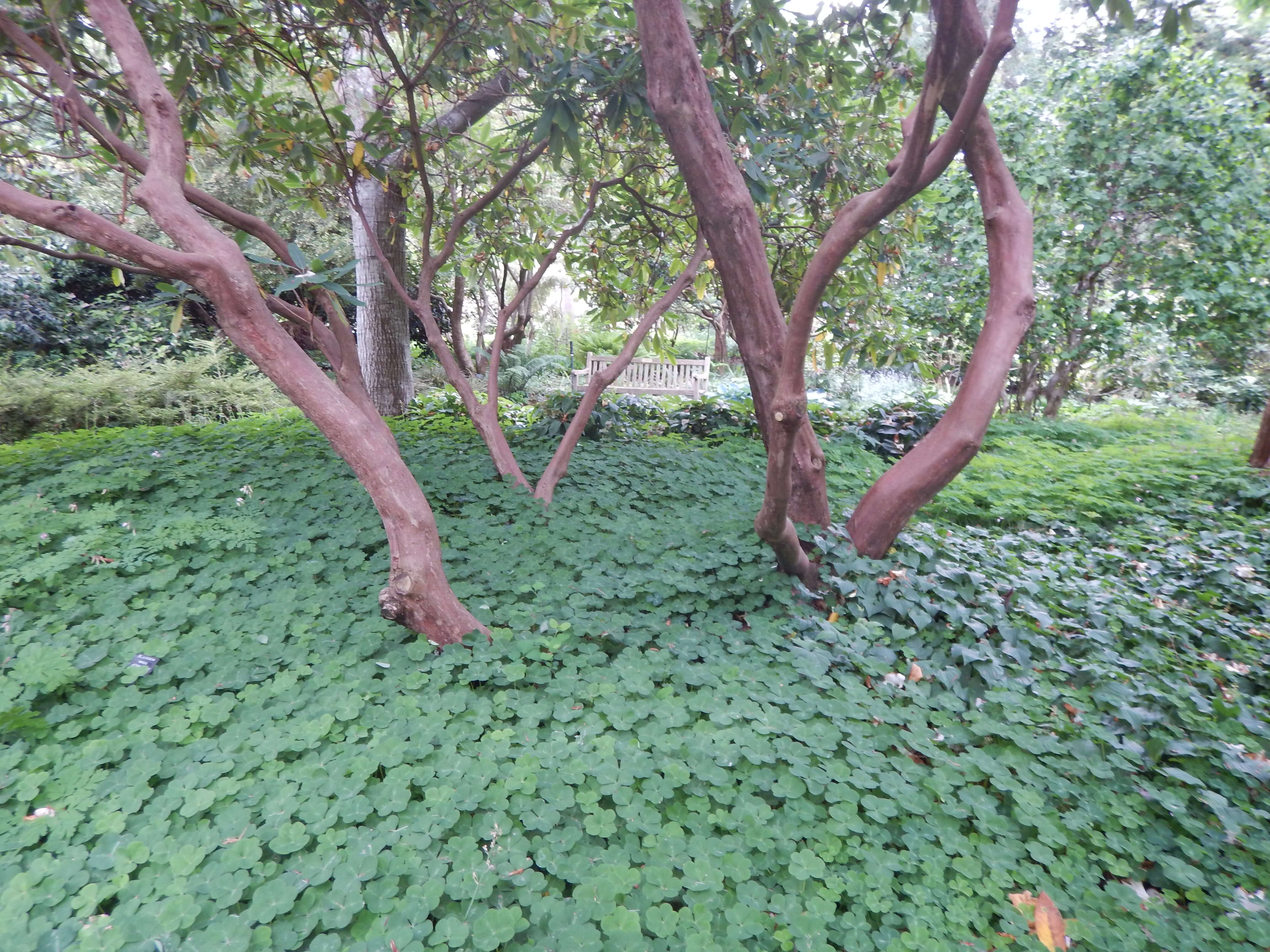
  • redwood sorrel, oxalis oregana, garden Victoria BC Pacific Northwest
    photo by SVSeekins

    Redwood Sorrel (Oxalis oregana) grows happily in the irrigated understory of Finnerty Gardens at UVic.  I’m unduly biased against oxalis because of its cousin, Oxalis corniculata. Corniculata is a weed with maroon leaves & it spreads like the dickens.  It’s next to impossible to get out of a garden completely.

  • wild ginger, asarum caudatum, British Columbia Wild Ginger, Western Wild Ginger, Long-Tailed Wild Ginger, garden Victoria BC Pacific Northwest
    photo by SVSeekins

    Wild Ginger (Asarum caudatum) grows in a shady patch at the Horticultural Centre of the Pacific.  I’ve tried to grow it, but sadly it requires more moisture than I’m willing to provide.

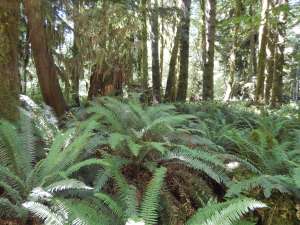
  • sword fern at Cowichan Lake, Polystichum munitum, garden Victoria BC Pacific Northwest
    photo by SVSeekins

    Sword Fern (Polystichum munitum)
    grows in great swaths around building foundations at UVic.  This is one of the few ferns that survive in dry sites.  The specimens in our garden do just fine but don’t flourish enough for me to think of them as a groundcover.  In moist lowland like UVic, or around Cowichan Lake – – they go crazy.  Now that’s a groundcover!

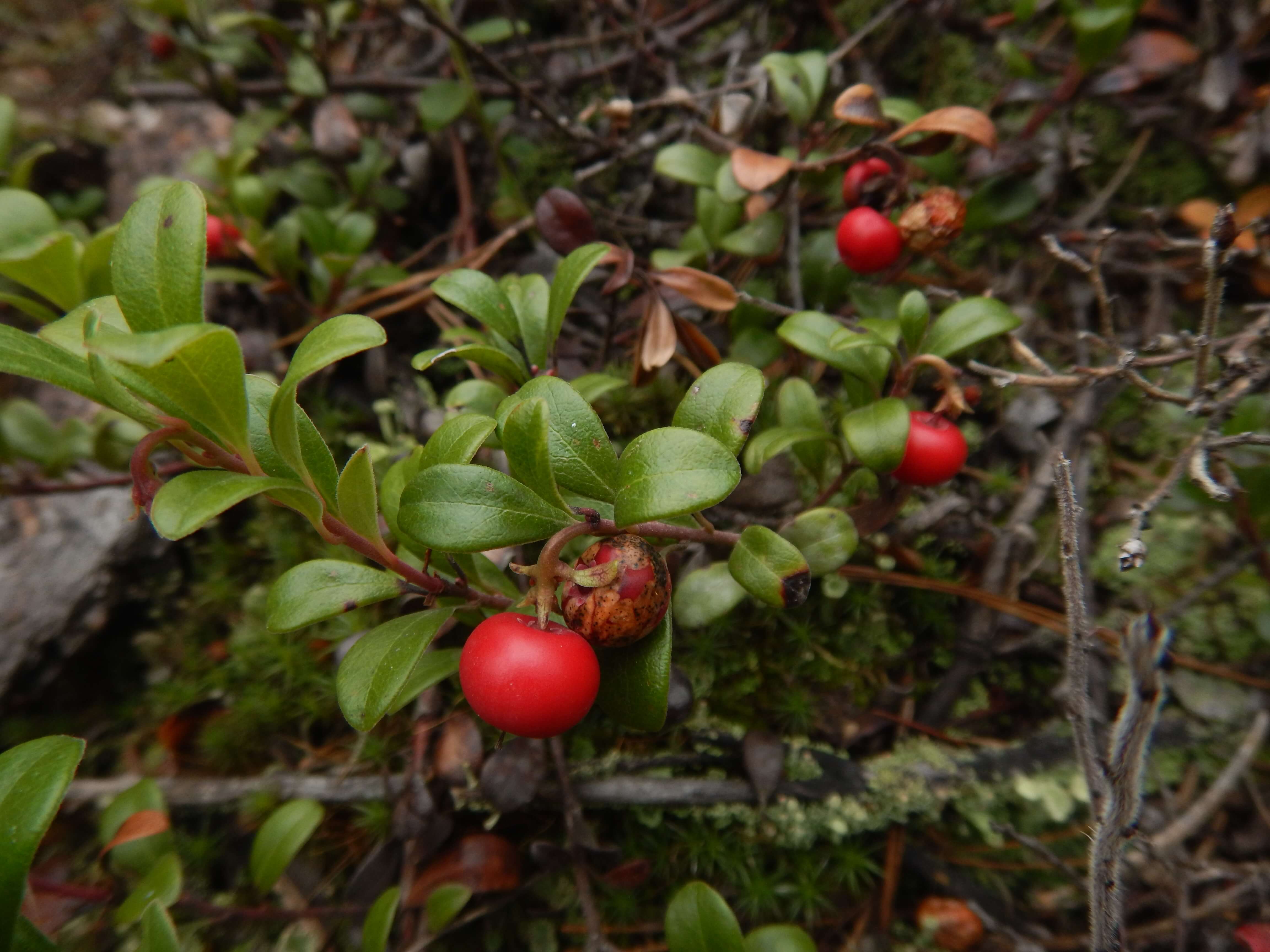
  • Kinnikinnick, Arctostaphylos uva-ursi, common bearberry, garden Victoria BC Pacific Northwest
    photo by SVSeekins

    Kinnikinnick (Arctostaphylos uva-ursi)
    is one of those plants that is so great it’s become commonplace in commercial landscaping. It’s evergreen…
    flowers in spring…
    berries in fall…
    even survives the fumes around gas stations! I can’t be snobby about it – – it checks all the boxes.  (Ditto for Dull Oregon Grape & Salal).

I have my eye on some other native plants that have great potential for home gardeners.  They’re possibly already used, but I’ve only noticed them in the wild:

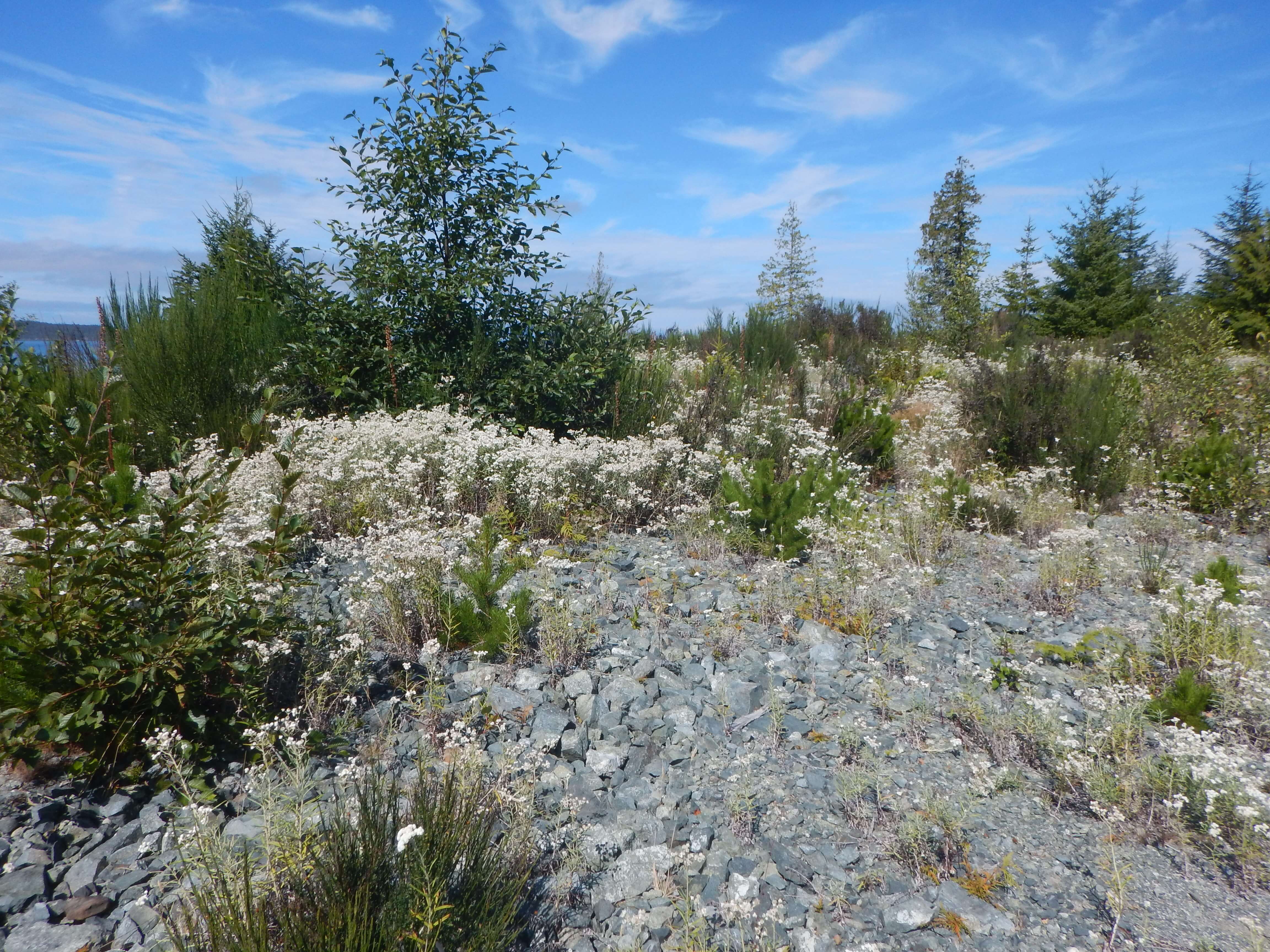
  • pearly everlasting, Anaphalis margaritacea, garden Victoria BC Pacific Northwest
    photo by SVSeekins

    Pearly Everlasting (Anaphalis margaritacea)
    has been on my wish list for several years.  It grows in tough places all over Canada.  Check out how well it’s repopulating this proposed building site in Telegraph Cove.  I reckon it’ll completely blanket the gravel before building permits are issued…

  • vanilla leaf, deer foot, Sweet After Death, Deervetch, achlys triphylla, garden Victoria BC Pacific Northwest
    photo by SVSeekins

    Vanilla Leaf (Achlys triphylla) carpets the forest edge around  Ralph River campsites in Strathcona Park.  Its unusual leaf shape would add texture & interest to a moist woodland garden.

  • twinflower, garden Victoria BC Pacific Northwest
    photo by SVSeekins

    Twinflower (Linnaea borealis)
    is a mat-forming, evergreen perennial that dangles 2 delicate bell flowers from lamp post stems.  It’s slow growing & a favored snack for Roosevelt Elk (so I reckon deer graze it too.)  But if you’ve got a protected mossy understory or forest edge… what a treasure.

There are so many treasures that grow naturally here.  The more we set up our yards to mimic the natural landscapes, the more ‘low maintenance’ our gardens become.  Even the City of Victoria is returning to this style.  The parks department is favoring native plants over bedding in public gardens.  I’m really looking forward to seeing what the horticulturalists will do!

-30-

Wooly Sunflower has Staying Power

May blooms in our garden
photo by SVSeekins

This year I’ve really enjoyed the usual spring flush of color in the garden.  One plant, in particular, has attracted my admiration more than any of the others.

Eriophyllum lanatum, Woolly Eriophyllum, Wooly Sunflower, Oregon Sunshine, woody eriophyllum, wooly daisy, sunshine flower, garden Victoria, Vancouver Island, BC, Pacific Northwest
photo by SVSeekins

Wooly Sunflower (aka Oregon Sunshine & Eriophyllum lanatum) started blooming mid-May and didn’t stop until the end of June!  The sunny, yellow, daisy blooms lasted as the peonies & rhododendron spectacles came and went.  Hooray for Staying Power.

There are more reasons to admire Wooly Sunflower:

  • Eriophyllum lanatum, Woolly Eriophyllum, Wooly Sunflower, Oregon Sunshine, woody eriophyllum, wooly daisy, sunshine flower, garden Victoria, Vancouver Island, BC, Pacific Northwest
    photo by SVSeekins

    Deer leave it alone – – no missing flowers or over-pruned foliage.

  • It attracts & feeds the local pollinators especially well because it’s native to our part of the world (southern BC & through the states to Mexico).
  • Eriophyllum lanatum, Woolly Eriophyllum, Wooly Sunflower, Oregon Sunshine, woody eriophyllum, wooly daisy, sunshine flower, garden Victoria, Vancouver Island, BC, Pacific Northwest
    photo by SVSeekins

    It’s very drought tolerant.  I’ve seen them in Strathcona Park, growing in the gravel of a roadside pull-out!  They actually seem to do better with LESS water in our garden.  The plants that I watered more regularly sent out long blooming stems that flopped over under the weight of the blooms.

  • Once established, it’s easy-care.  all I do is sheer off the spent flowers in July or August, creating a well-groomed look.
  • Eriophyllum lanatum, Woolly Eriophyllum, Wooly Sunflower, Oregon Sunshine, woody eriophyllum, wooly daisy, sunshine flower, garden Victoria, Vancouver Island, BC, Pacific Northwest
    photo by SVSeekins

    In our climate, it’s evergreen – – or shall I say, ever-grey. It’s so nice to have the tidy mounds of foliage through the more barren garden of winter.

Originally, I thought it would be an easy addition to our garden.  I had a tough time getting the small 4-inch pots of Eriophyllum lanatum established.   Although I watered them weekly, they struggled on our rocky outcrop – – a match to their natural habitat!  After a couple of years, I was frustrated.  What worked, in the end, was shifting the small starts to an area with deeper soil, that was still watered weekly but not baked in as much sun.

Eriophyllum lanatum, Woolly Eriophyllum, Wooly Sunflower, Oregon Sunshine, woody eriophyllum, wooly daisy, sunshine flower, garden Victoria, Vancouver Island, BC, Pacific Northwest
photo by SVSeekins

The plants quickly grew, spreading to a foot wide in one season.  They were a bit lanky & not terribly attractive, but had established a stronger root mass.  In the fall I divided them, keeping deep rootballs, & planted them into drier areas.  They settled into their new homes over our moist winter & flourished with very little water through the following dry summer.

Eriophyllum lanatum, Woolly Eriophyllum, Wooly Sunflower, Oregon Sunshine, woody eriophyllum, wooly daisy, sunshine flower, garden Victoria, Vancouver Island, BC, Pacific Northwest
photo by SVSeekins

Now we have Wooly Sunflower in several areas: the boulevard, the rocky outcrop, & our more traditional flower garden.  I’m on the lookout for even more easy-care native plants that suit…..

-30-

Other native plants that I’d welcome into our garden: