The west coast winter officially begins with the passing of the longest night.
photo by SVSeekins
Now I look forward to sunshine & new growth. Really it has started already. The tiny leaves of grape hyacinth poke above the ground in the late fall, but I don’t expect to any blooms until April or May…
In the meantime they look so fresh & green & juicy, it’s just too tempting for the deer to leave alone! I suppose we all enjoy a holiday treat. 🙂
It’s taken me a couple of years to really appreciate Forsythia in all seasons.
photo by SVSeekins
Yes, Forsythia is at its best in spring. Every morning through March, I sit with my coffee & ponder the coming growing season. As I’m peering out the kitchen window, my anticipation builds as the buds on the Forsythia show more & even more promise.
I’m energized by the sunny yellow blossoms in March & April.
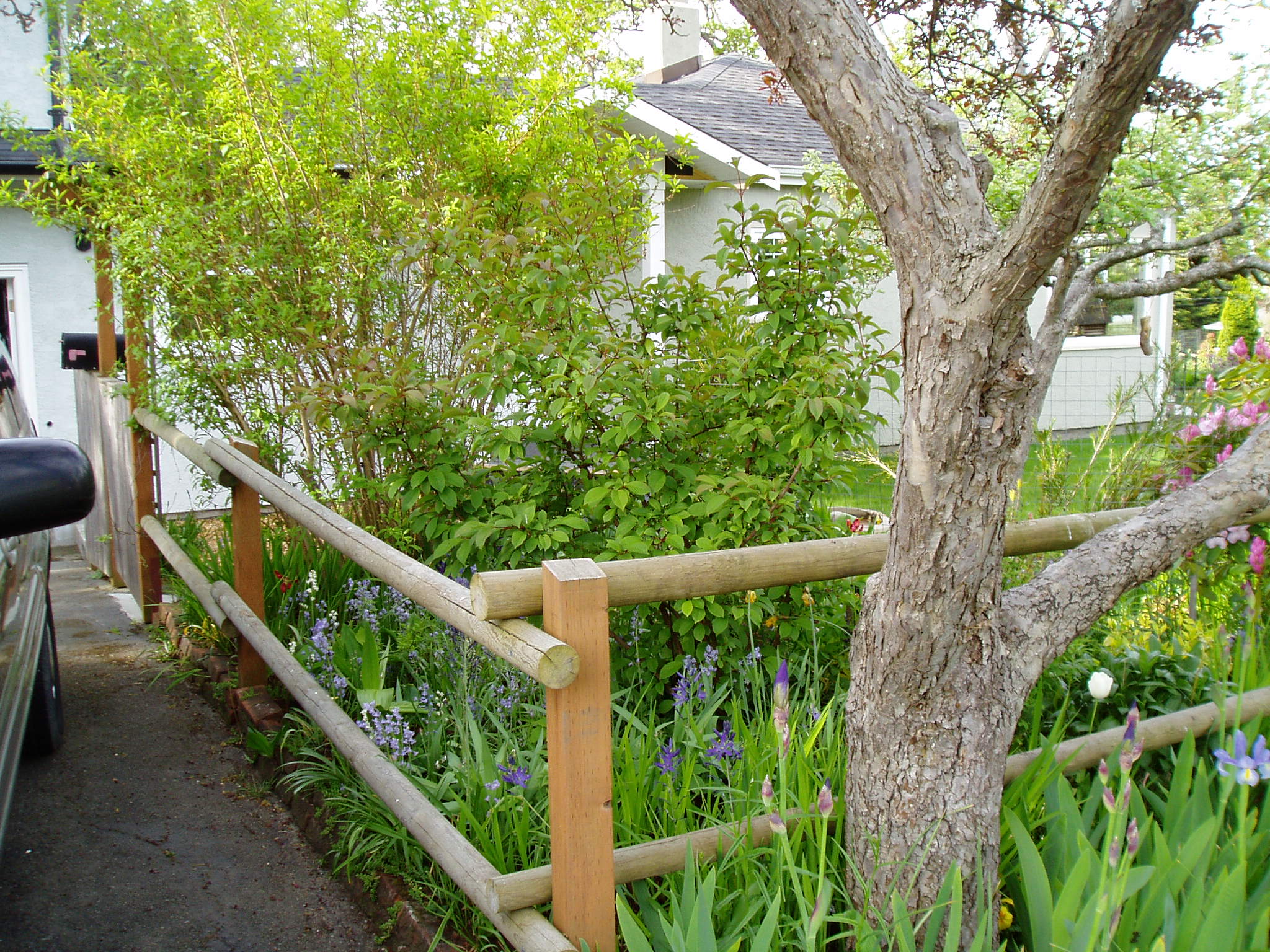
Each year I feel so desperate to see any spring colour. Forsythia will never be challenged over its prominent real estate between our driveway & the kitchen entrance.
For all that hoopla, it’s easy to forget about Forsythia for the rest of the year. But that would be ignoring the assets.
photo by SVSeekins
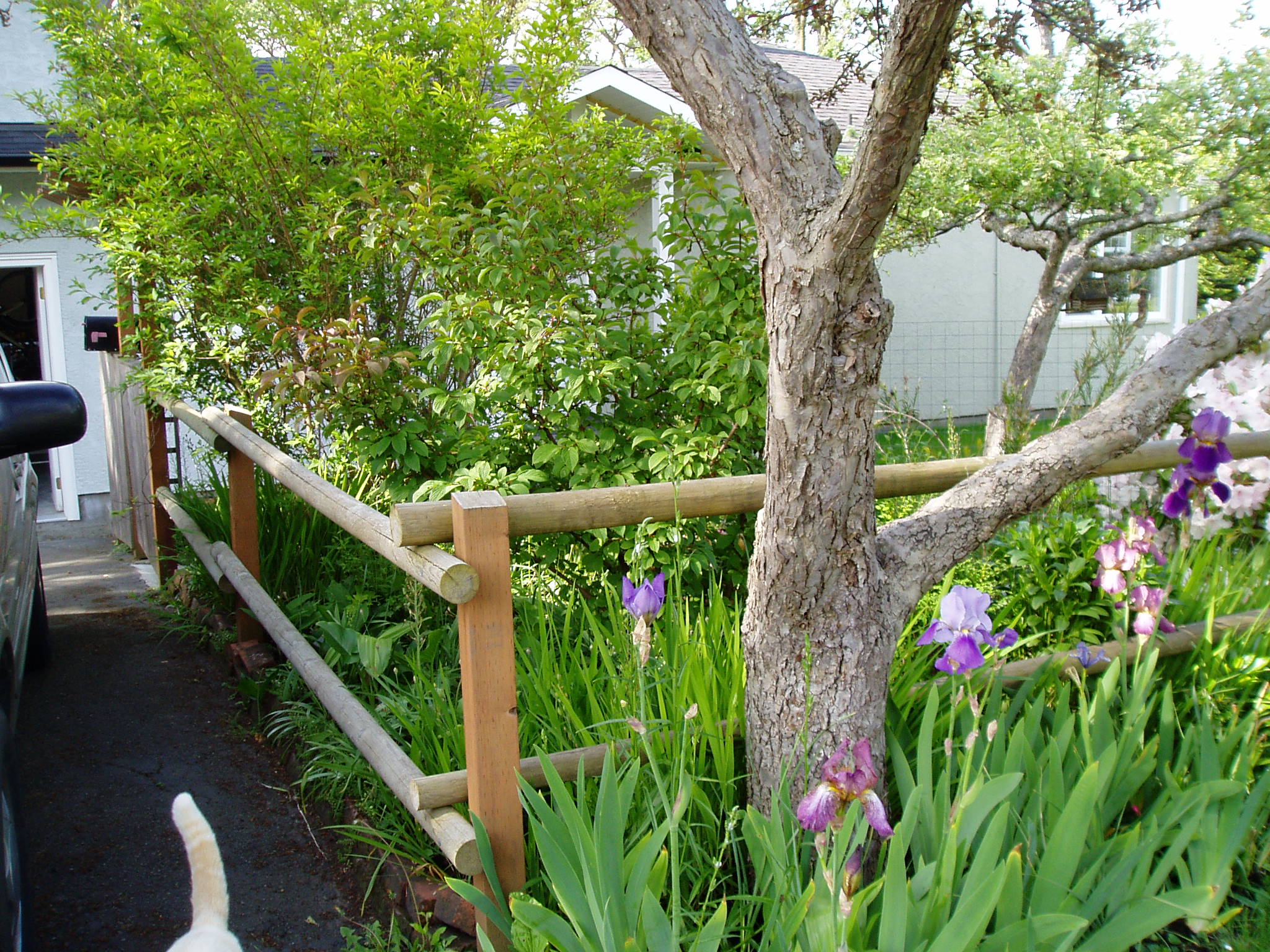
In April & May, the yellow blooms give way to yellow-green leaves. Like the rest of the garden, the shrub begins to fill out, supplying much-appreciated privacy.
photo by SVSeekins
By June, Forsythia is a steadfast background green, and working hard to complement the new flowers in the garden parade throughout the entire length of the summer and into the fall.
photo by SVSeekins
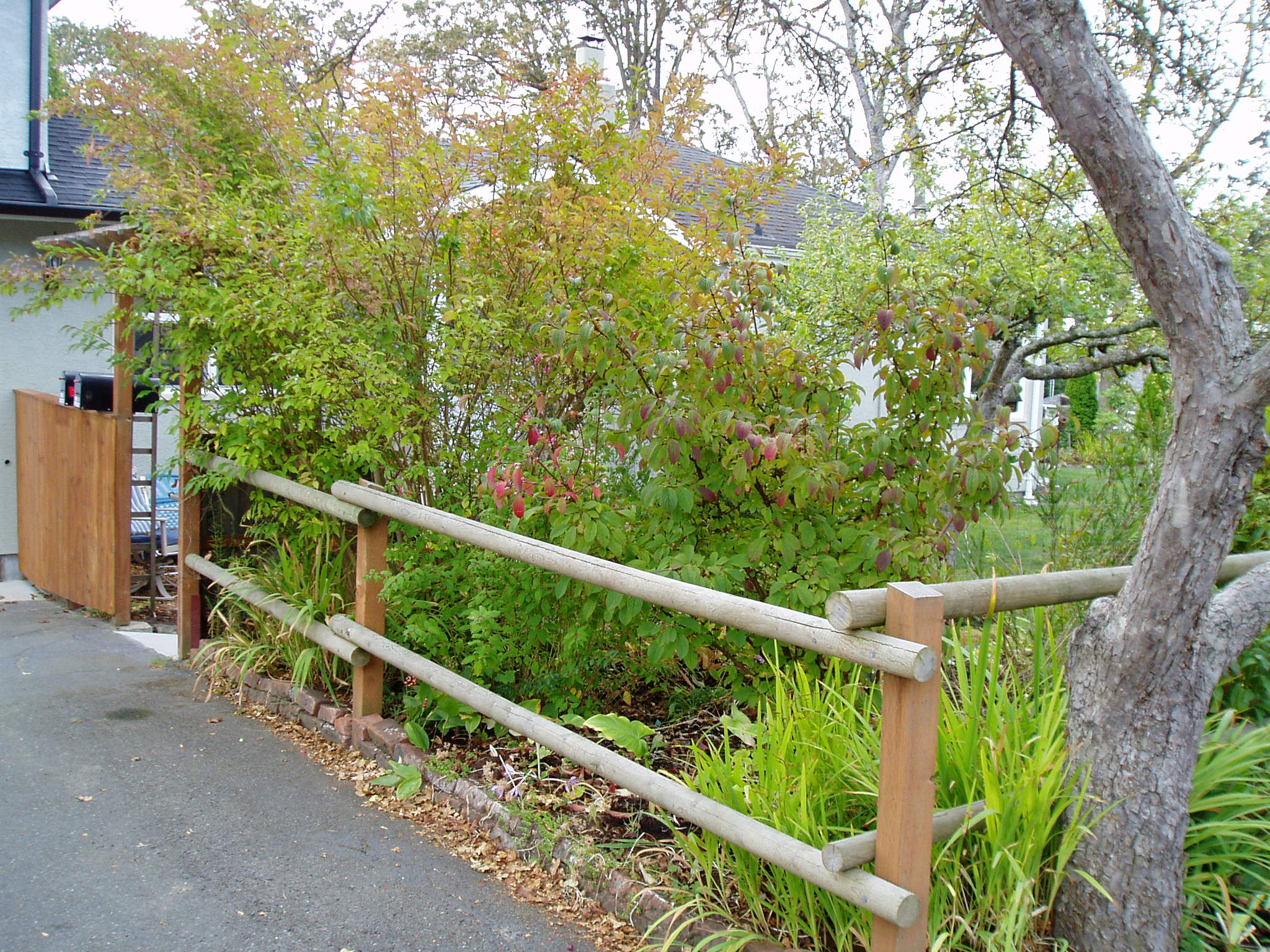
When the brisk winds of October arrive, Forsythia again steps up for a more significant share of the garden interest. The yellow, apricot and red leaves add lovely colour to the fall palette.
For Halloween, they’re even more vibrant. No wonder Forsythia has become one of our garden mainstays!
photo by SVSeekins
photo by SVSeekins
By December, Forsythia is naked again. That’s not my favourite look for a shrub… but I understand that without the barrenness of winter, the spring probably wouldn’t be as exciting.
-30-
10-2026 – (SVSeekins) More than 15 years after writing my ode to Forsythia, I must mention that my appreciation for this shrub has only increased. It is one tough do-er.
Forsythia roots easily from whips & I’ve now got several more shrubs around the property.
Forsythia even survives in fairly shallow, dry soils. Here on the tip of Vancouver Island, with wet winters & very dry summers, forsythia is still happy in a shallow bed at the top of our rocky outcrop. That means the winter wet runs quickly away & in the summers it still survives the heat– even when I only drag the hose around every couple of weeks.
Forsythia certainly prefers full sun, but it will try hard to be of value even when other trees hog much of the light.
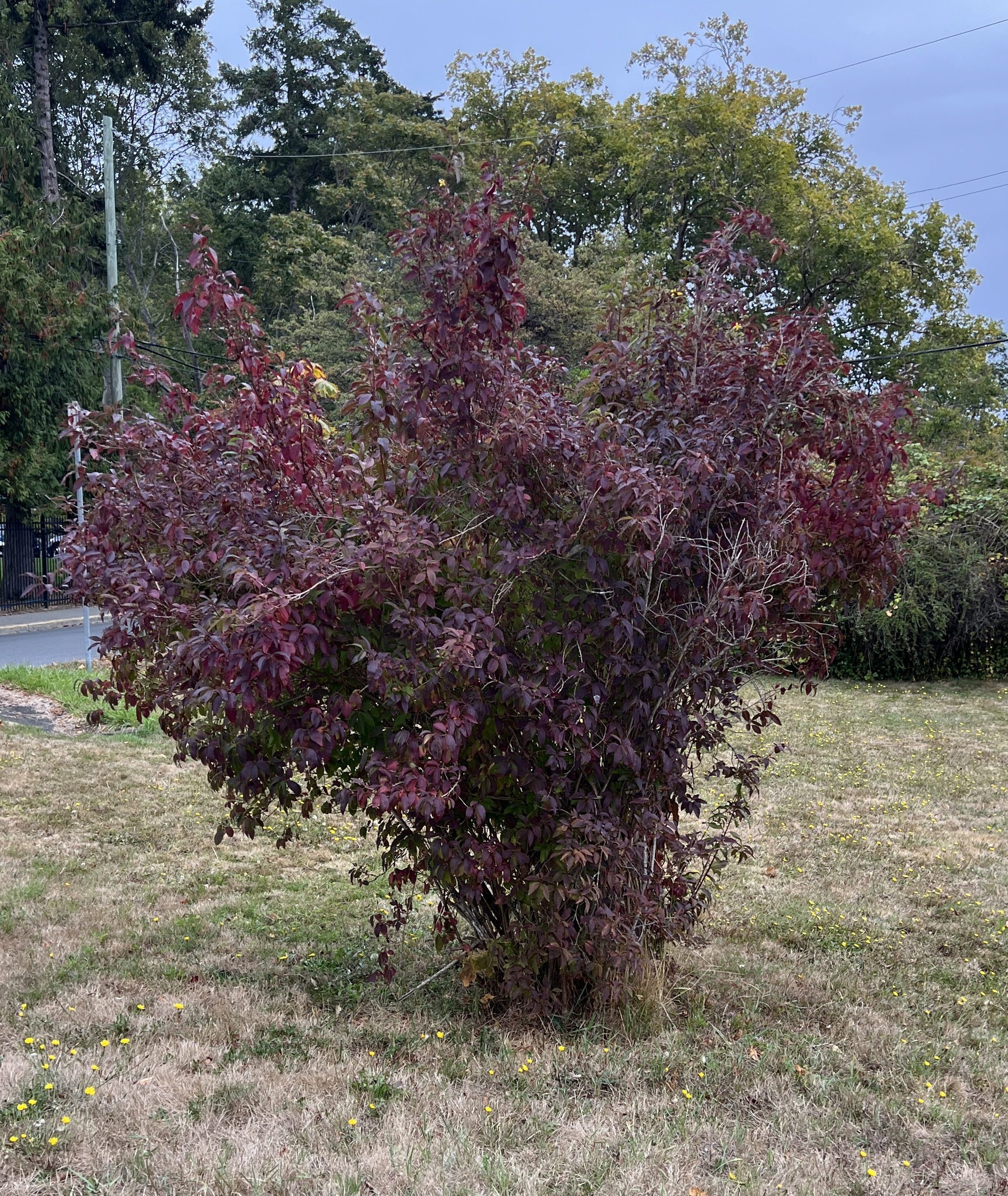
Forsythia comes in several cultivars, so you can find a shorter variety if preferred. There’s one Forsythia down the street from our garden that blooms 3 weeks earlier than ours. It also shifts into fall colours at least 3 weeks earlier, too. AND that autumn colour is a much deeper red (almost purple). Perhaps these differences are due to the more exposed siting? Or maybe it is a different cultivar?
It rained over the past week. What a transformation. It’s truly fall now.
photo by SVSeekins
Woo hoo! Wishes granted.
Because I’d already committed to helping out in the garden at Jenecce Place, I was especially grateful for the wet. The West Coast might be damp & chilly in the fall, but weeds are a whole lot easier to dig if the ground isn’t concrete dry.
photo by SVSeekins
There were 2 challenges presented to the volunteers from the View Royal Garden Club on Sunday afternoon.
The first was to create space for a veggie garden near the kitchen area of the house. The chosen site was previously planted with native kinnickinnick for ground-cover & a blue fescue grass for architectural interest.
photo by SVSEekins
The second challenge was the slope running along the entrance sidewalk. There were Yarrow, Oregon Grape, and the occasional grouping of blue fescue tufts planted close to the walkway, but nothing further up the slope. The staff’s concern was the upcoming rainy season would bring erosion problems.
What complimentary challenges! One site needed plantings removed – – the other needed plantings added. Kismet!
photo by SVSeekins
We set about weeding & preparing planting holes. The effort kept us warm.
When gardening in a team a fair amount of visiting can be accomplished while still continuing the task at hand. I like that 🙂
I also found it interesting to see the different tools each seasoned gardener chose for her/his tasks. Perhaps I’ll try some new tricks next time I’m in my own garden.
Dark clouds gathered, but happily the rain stayed away. We progressed to moving plants from one bed directly into the other.
photo by SVSeekins
I’m always amazed at how proportions & space gets mixed up in my head. I figured the plants to be moved wouldn’t come close to filling up the space available on the slope. I was mistaken. Near the end of the afternoon we squeezed in extra holes between new transplants just to finish clearing out the kitchen garden bed.
photo by SVSeekins
With a sense of satisfaction we sat down to muffins & tea knowing that the job was done. it’s so nice when a project starts & finishes in one gathering.
A bit more visiting was a lovely wrap to the afternoon before I headed home to a warm shower.