Category Archives: months 01-03: winter

January thru March

Scary Berries – Red Osier Dogwood

Cornus sericea,  Cornus. stolonifera, Swida sericea, red osier dogwood, red-osier dogwood berries, flowers, white berry, garden Victoria BC Pacific Northwest
photo by SVSeekins

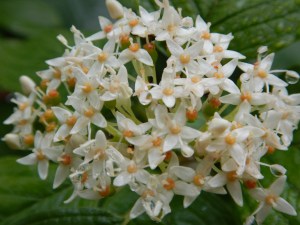
Until recently I hadn’t seen the freaky eyeball berries of the Red Osier Dogwood even though I’d planted the shrub in our garden several years ago.

Cornus sericea,  C. stolonifera, C.  alba, C. occidentalis, Swida sericea, red osier dogwood, red-osier dogwood, red willow, red stem dogwood, red twig dogwood, red-rood, creek dogwood, western dogwood, American dogwood, white berries, white flowers, white berry, garden Victoria BC Pacific Northwest
photo by SVSeekins

There are several reasons why I’d planted Cornus sericea in our garden:

  • It’s native to Canada & flourishes around BC, so I figured it would survive well & be low maintenance.
  • Cornus sericea,  C. stolonifera, C.  alba, C. occidentalis, Swida sericea, red osier dogwood, red-osier dogwood, red willow, red stem dogwood, red twig dogwood, red-rood, creek dogwood, western dogwood, American dogwood, white berries, white flowers, white berry, garden Victoria BC Pacific Northwest
    photo by SVSeekins

    The flowers attract local pollinators.

  • The berries are a food source for many songbirds.
  • The dense vegetation provides wildlife shelter.
  • Red Osier Dogwood provides garden interest through all 4 seasons:
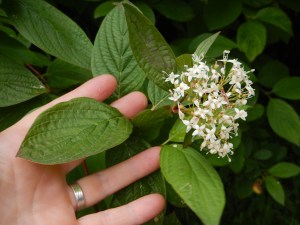
    Cornus sericea,  C. stolonifera, C.  alba, C. occidentalis, Swida sericea, red osier dogwood, red-osier dogwood, red willow, red stem dogwood, red twig dogwood, red-rood, creek dogwood, western dogwood, American dogwood, white berries, white flowers, white berry, garden Victoria BC Pacific Northwest
    photo by SVSeekins

    Cornus sericea,  C. stolonifera, C.  alba, C. occidentalis, Swida sericea, red osier dogwood, red-osier dogwood, red willow, red stem dogwood, red twig dogwood, red-rood, creek dogwood, western dogwood, American dogwood, white berries, white flowers, white berry, garden Victoria BC Pacific Northwest
    photo by SVSeekins
  1. Cornus sericea,  C. stolonifera, C.  alba, C. occidentalis, Swida sericea, red osier dogwood, red-osier dogwood, red willow, red stem dogwood, red twig dogwood, red-rood, creek dogwood, western dogwood, American dogwood, white berries, white flowers, white berry, garden Victoria BC Pacific Northwest
    photo by SVSeekins

    Flat-topped, white clumps of small flowers emerge in spring.

  2. Those flowers morph into panicles of white berries in summer & persist well into winter.
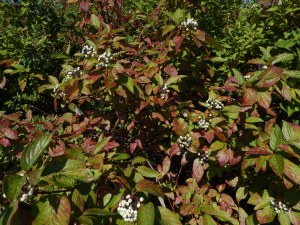
  3. The green leaves have the distinct parallel veins that make the shrub noticeable from other background shrubs in summer, but it’s the reds of fall foliage that’s even more eye-catching.
  4. Red Osier Dogwood’s ornamental fame is based on the vibrant red bark of young stems – so decorative in winter when deciduous shrubs are bare & the world seems grey.

This is all true.
But there were 2 attributes I soon discovered for myself.

  1. Cornus sericea,  C. stolonifera, C.  alba, C. occidentalis, Swida sericea, red osier dogwood, red-osier dogwood, red willow, red stem dogwood, red twig dogwood, red-rood, creek dogwood, western dogwood, American dogwood, white berries, white flowers, white berry, garden Victoria BC Pacific Northwest
    photo by SVSeekins

    Red Osier Dogwoods survive drier sites but prefer lakesides & wet ditches.  It’s happier with more moisture than our garden gets through long, dry summers.

  2. Deer.
    Deer enjoy the foliage & the flowers.  Unfortunately, they’re too greedy to ever let the specimen in our garden prosper – much less ever go into berry.
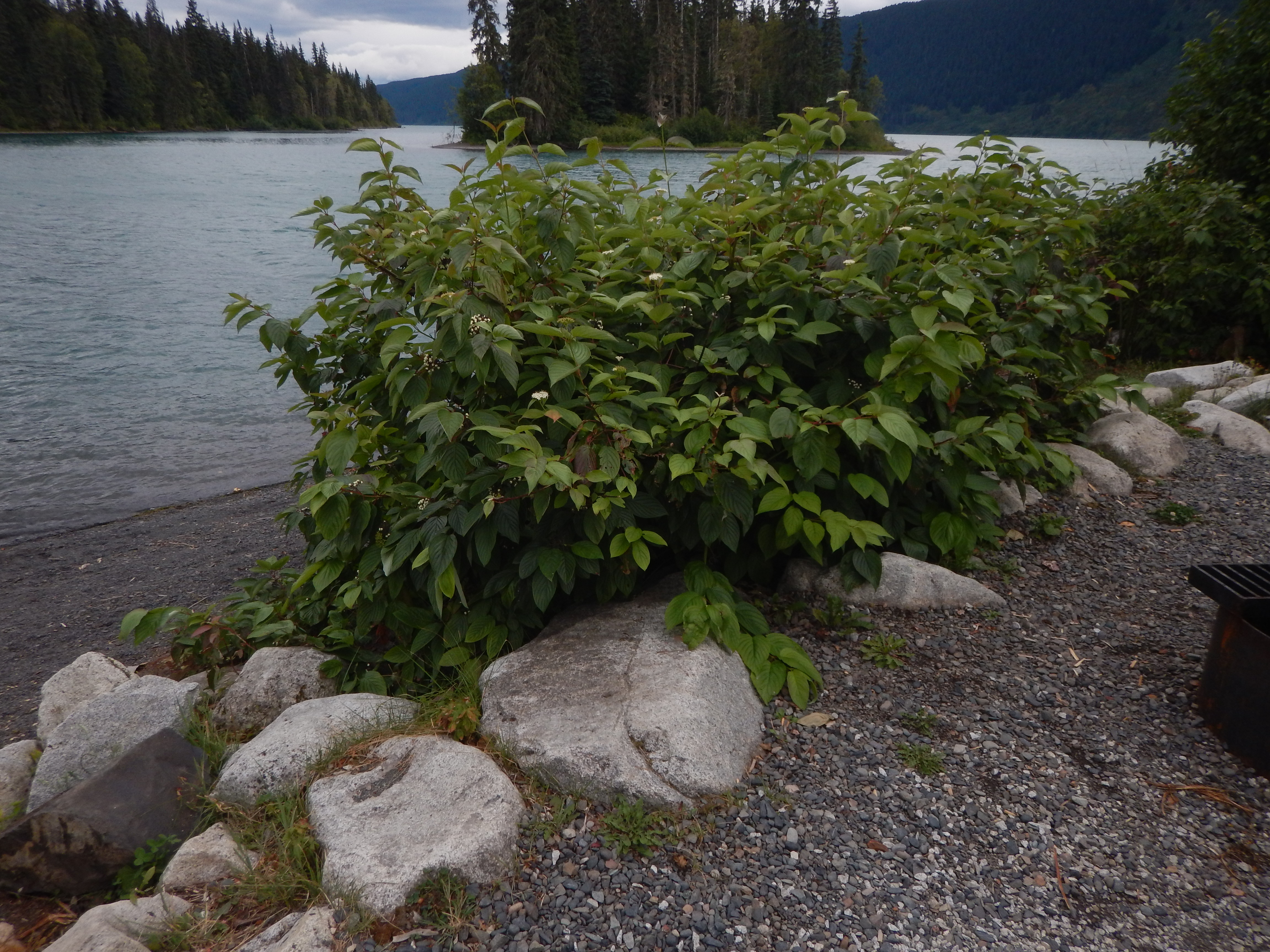
I finally gave up & dug out the struggling shrub.

Cornus sericea,  C. stolonifera, C.  alba, C. occidentalis, Swida sericea, red osier dogwood, red-osier dogwood, red willow, red stem dogwood, red twig dogwood, red-rood, creek dogwood, western dogwood, American dogwood, white berries, white flowers, white berry, garden Victoria BC Pacific Northwest
photo by SVSeekins

Now I enjoy sightings of Red Osier Dogwood in the wild – where the deer population is not as condensed.

At this time of year, when I’m out hiking, the freaky eyeball berries remind me the spooky season is upon us & trick-or-treaters will be coming to our door.

-30-

bunchberry, Cornus canadensis, dwarf dogwood,, creeping dogwood, dwarf cornel, crackerberry, native wildflower, garden Victoria BC Pacific Northwest
photo by SVSeekins

Another dogwood that I admire:
Creeping Dogwood
aka
Bunchberry
(Cornus Canadensis)
– – a groundcover,
rather than a shrub
🙂

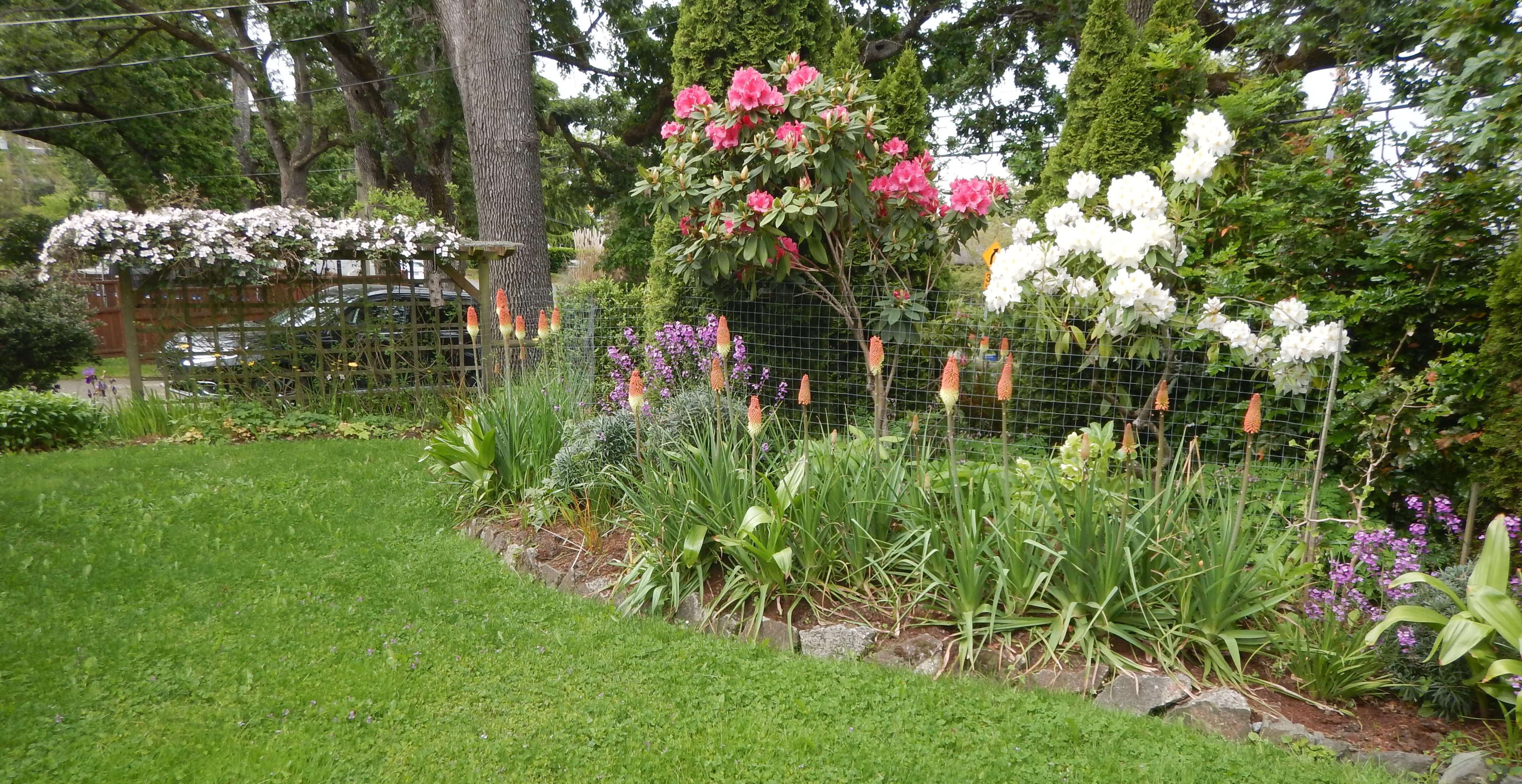
Wooly Sunflower has Staying Power

May blooms in our garden
photo by SVSeekins

This year I’ve really enjoyed the usual spring flush of color in the garden.  One plant, in particular, has attracted my admiration more than any of the others.

Eriophyllum lanatum, Woolly Eriophyllum, Wooly Sunflower, Oregon Sunshine, woody eriophyllum, wooly daisy, sunshine flower, garden Victoria, Vancouver Island, BC, Pacific Northwest
photo by SVSeekins

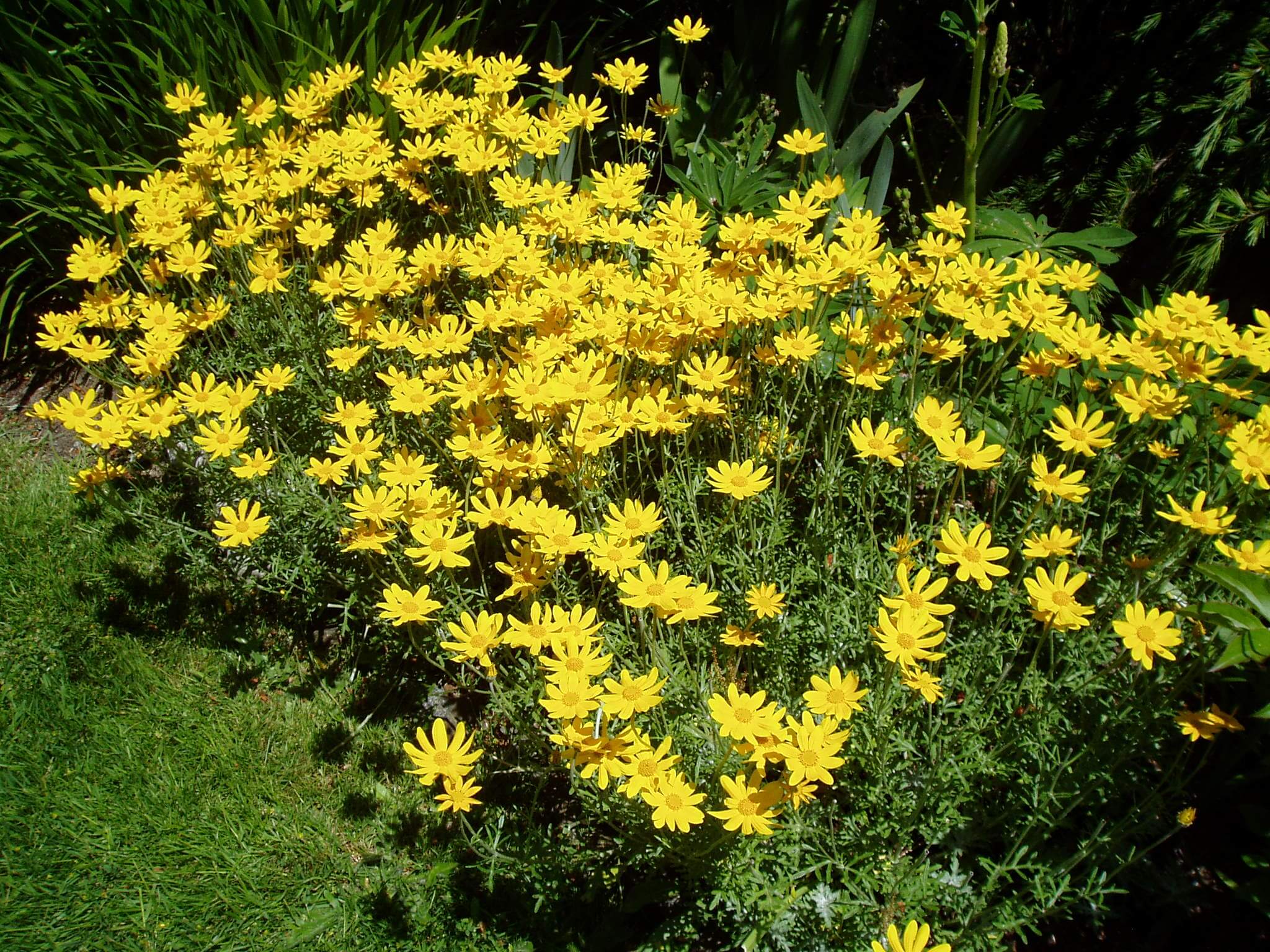
Wooly Sunflower (aka Oregon Sunshine & Eriophyllum lanatum) started blooming mid-May and didn’t stop until the end of June!  The sunny, yellow, daisy blooms lasted as the peonies & rhododendron spectacles came and went.  Hooray for Staying Power.

There are more reasons to admire Wooly Sunflower:

  • Eriophyllum lanatum, Woolly Eriophyllum, Wooly Sunflower, Oregon Sunshine, woody eriophyllum, wooly daisy, sunshine flower, garden Victoria, Vancouver Island, BC, Pacific Northwest
    photo by SVSeekins

    Deer leave it alone – – no missing flowers or over-pruned foliage.

  • It attracts & feeds the local pollinators especially well because it’s native to our part of the world (southern BC & through the states to Mexico).
  • Eriophyllum lanatum, Woolly Eriophyllum, Wooly Sunflower, Oregon Sunshine, woody eriophyllum, wooly daisy, sunshine flower, garden Victoria, Vancouver Island, BC, Pacific Northwest
    photo by SVSeekins

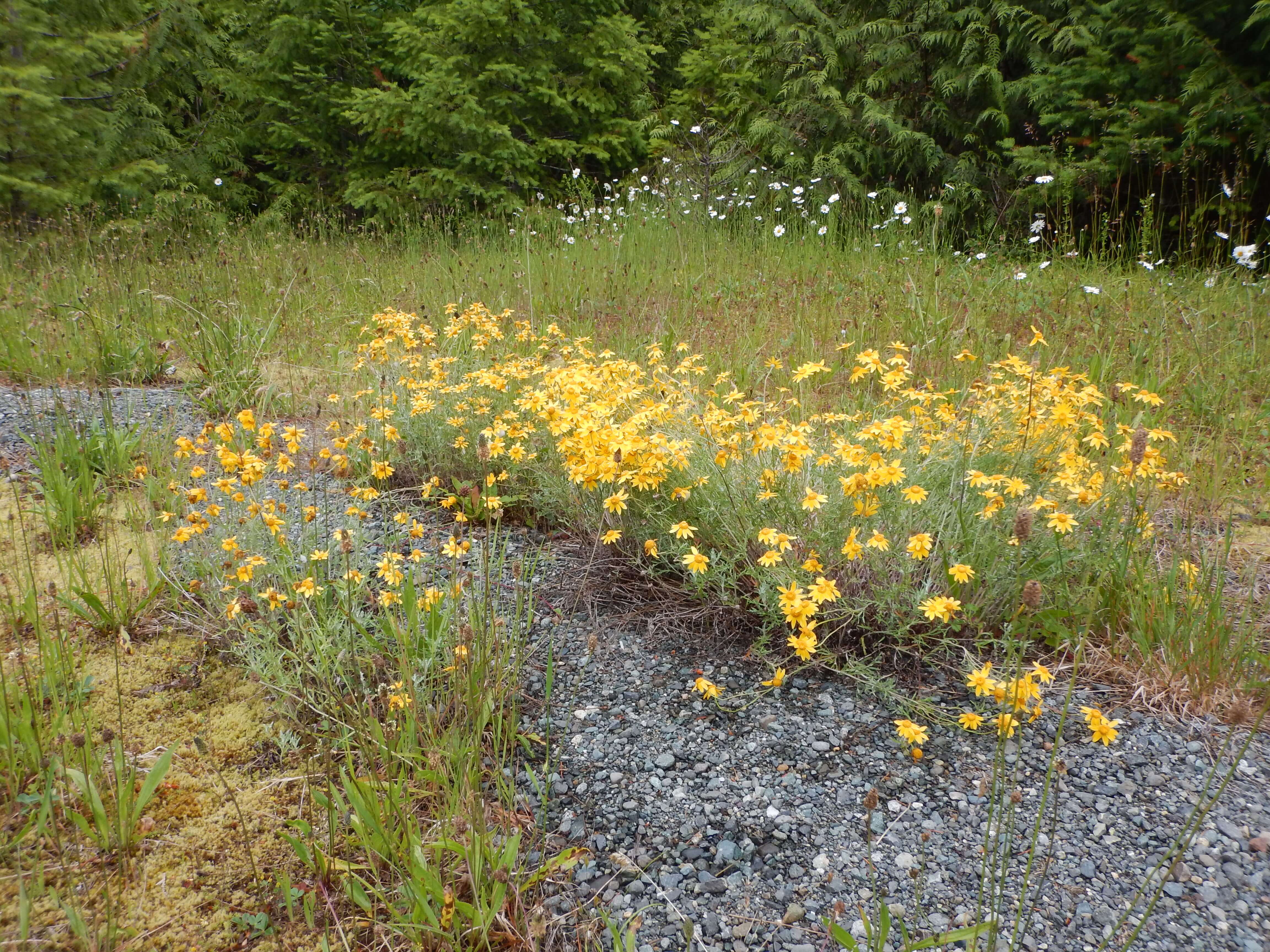
    It’s very drought tolerant.  I’ve seen them in Strathcona Park, growing in the gravel of a roadside pull-out!  They actually seem to do better with LESS water in our garden.  The plants that I watered more regularly sent out long blooming stems that flopped over under the weight of the blooms.

  • Once established, it’s easy-care.  all I do is sheer off the spent flowers in July or August, creating a well-groomed look.
  • Eriophyllum lanatum, Woolly Eriophyllum, Wooly Sunflower, Oregon Sunshine, woody eriophyllum, wooly daisy, sunshine flower, garden Victoria, Vancouver Island, BC, Pacific Northwest
    photo by SVSeekins

    In our climate, it’s evergreen – – or shall I say, ever-grey. It’s so nice to have the tidy mounds of foliage through the more barren garden of winter.

Originally, I thought it would be an easy addition to our garden.  I had a tough time getting the small 4-inch pots of Eriophyllum lanatum established.   Although I watered them weekly, they struggled on our rocky outcrop – – a match to their natural habitat!  After a couple of years, I was frustrated.  What worked, in the end, was shifting the small starts to an area with deeper soil, that was still watered weekly but not baked in as much sun.

Eriophyllum lanatum, Woolly Eriophyllum, Wooly Sunflower, Oregon Sunshine, woody eriophyllum, wooly daisy, sunshine flower, garden Victoria, Vancouver Island, BC, Pacific Northwest
photo by SVSeekins

The plants quickly grew, spreading to a foot wide in one season.  They were a bit lanky & not terribly attractive, but had established a stronger root mass.  In the fall I divided them, keeping deep rootballs, & planted them into drier areas.  They settled into their new homes over our moist winter & flourished with very little water through the following dry summer.

Eriophyllum lanatum, Woolly Eriophyllum, Wooly Sunflower, Oregon Sunshine, woody eriophyllum, wooly daisy, sunshine flower, garden Victoria, Vancouver Island, BC, Pacific Northwest
photo by SVSeekins

Now we have Wooly Sunflower in several areas: the boulevard, the rocky outcrop, & our more traditional flower garden.  I’m on the lookout for even more easy-care native plants that suit…..

-30-

Other native plants that I’d welcome into our garden:


Meadow Blooms 7 – Wild Violets

So very carefully, I dug some wild violets from our Cedar Hill garden to transplant at our new home, hoping they’d survive the move.   They’ve thrived.  🙂

wild violets in lawn, early blue violet, viola audunca, alaska violet, viola lnagsdorfii, garden Victoria, Vancouver Island, BC, Pacific Northwest
photo by SVSeekins

That was 10 years ago.

The small patch of viola did so well I shared them around, planting them in other beds & borders.  They grew happily in pretty much any situation.
Undaunted.
Workhorses.

wild violets in lawn, early blue violet, viola audunca, alaska violet, viola lnagsdorfii, garden Victoria, Vancouver Island, BC, Pacific Northwest
photo by SVSeekins

And then some emigrated to the lawn.
Determined.

Now, each spring, their swath of purple blooms signals that soon, the rest of the garden will be bursting with colour too.

wild violets in lawn, early blue violet, viola audunca, alaska violet, viola lnagsdorfii, garden Victoria, Vancouver Island, BC, Pacific Northwest
photo by SVSeekins

I just have to smile.  Some folks bemoan the fact that once violets get into the lawn, there really is no going back. Fortunately, C has relaxed his goal of a monocultural, grassy lawn.

  • Who can complain about a city meadow of wildflowers that rarely grows high enough to mow?
  • Or tough-as-nails groundcover that stays green through our dry summers?
  • Or flowers that deer ignore?
wild violets in lawn, early blue violet, sand violet, western dog violet, hooked spur violet, viola audunca, alaska violet, aleutian violet, viola lnagsdorfii, garden Victoria, Vancouver Island, BC, Pacific Northwest
photo by SVSeekins

The identification of violets isn’t as easy as I expected.  There are well over 500 species worldwide, with many indigenous to North America.

For a long time, I figured this little gem was the Common Blue Violet (Viola sororia), but those are from the continent’s eastern side.  Now I reckon it is either the Western Dog Violet (Viola adunca) or the very similar Alaska Violet (Viola langsdorfii) – both common on Vancouver Island.

wild violets in lawn, early blue violet, sand violet, western dog violet, hooked spur violet, viola audunca, alaska violet, aleutian violet, viola lnagsdorfii, garden Victoria, Vancouver Island, BC, Pacific Northwest
photo by SVSeekins

I consider it a special bonus that these lawn jewels are native to the Pacific Northwest (and beyond) — because for local wildlife, especially spring pollinators, this is comfort food.

Wild violets have been an addition to human diets as well – long before they became trendy as colour in salads.  I can’t say I’ve gathered any for supper, but thinking of our lawn as an extension of the veggie garden is kind of cool.

-30-

P.S. Here are some other meadow faves:

Enter your email address to subscribe to this blog and receive notifications of new posts by email.