Category Archives: months 01-03: winter

January thru March

Forsythia Through Four Seasons

It’s taken a couple of years for me to really appreciate Forsythia in all seasons.

ws - Forsythia in April
photo by SVSeekins

Yes, Forsythia is at its best in spring.  Every morning through March, I sit with my coffee & ponder the coming growing season.  As I’m peering out the kitchen window, my anticipation builds as the buds on the Forsythia show more & even more promise.

I’m energized by the sunny yellow blossoms in March & April.

Each year I feel so desperate to see any spring colour.   Forsythia will never be challenged over its prominent real estate between our driveway & the kitchen entrance.

For all that hoopla, it’s easy to forget about Forsythia for the rest of the year. But that would be ignoring the assets.
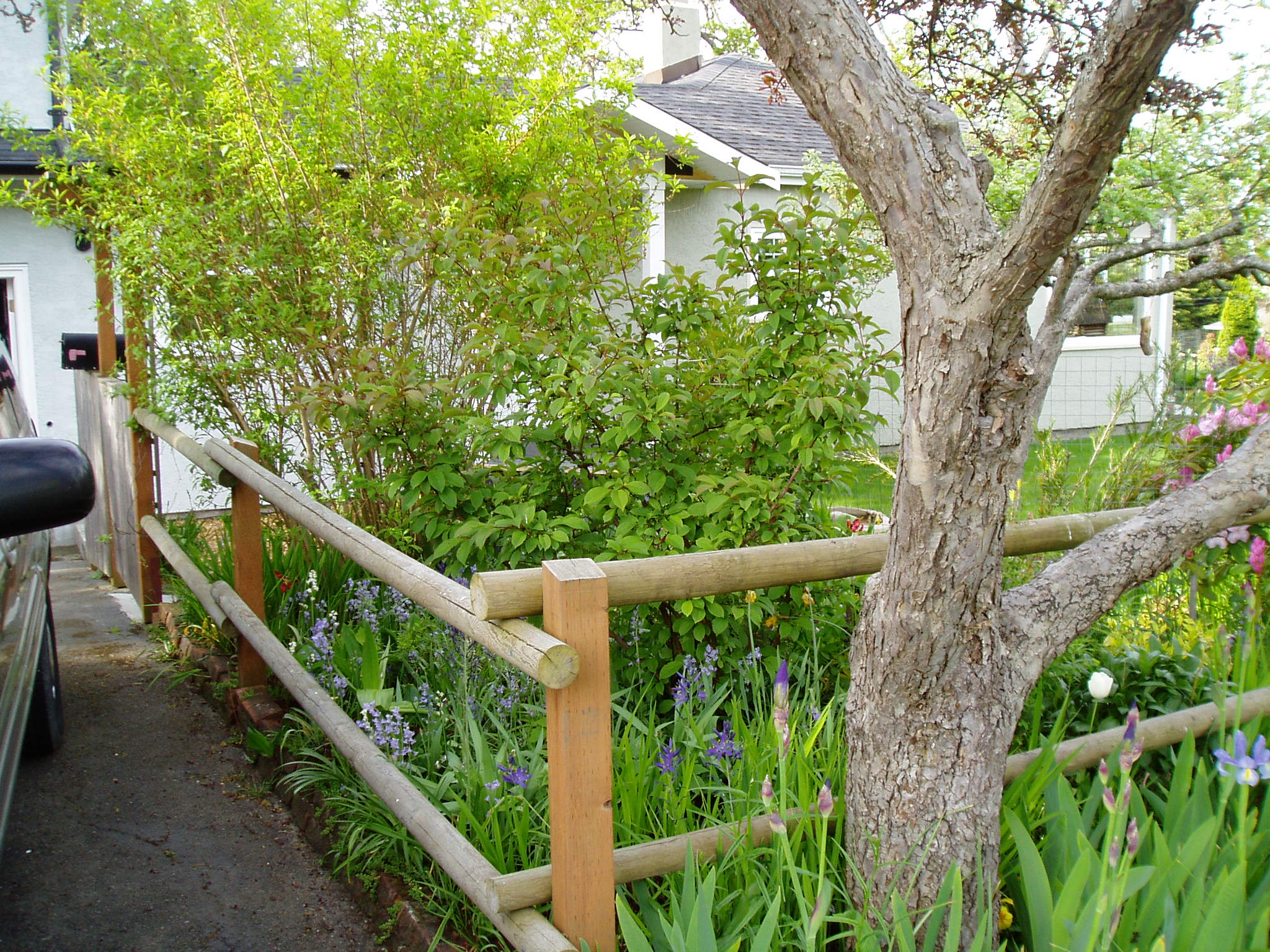
ws - Forsythia in May
photo by SVSeekins

In April & May, the yellow blooms give way to yellow-green leaves.  Like the rest of the garden, the shrub begins to fill out, supplying much-appreciated privacy.
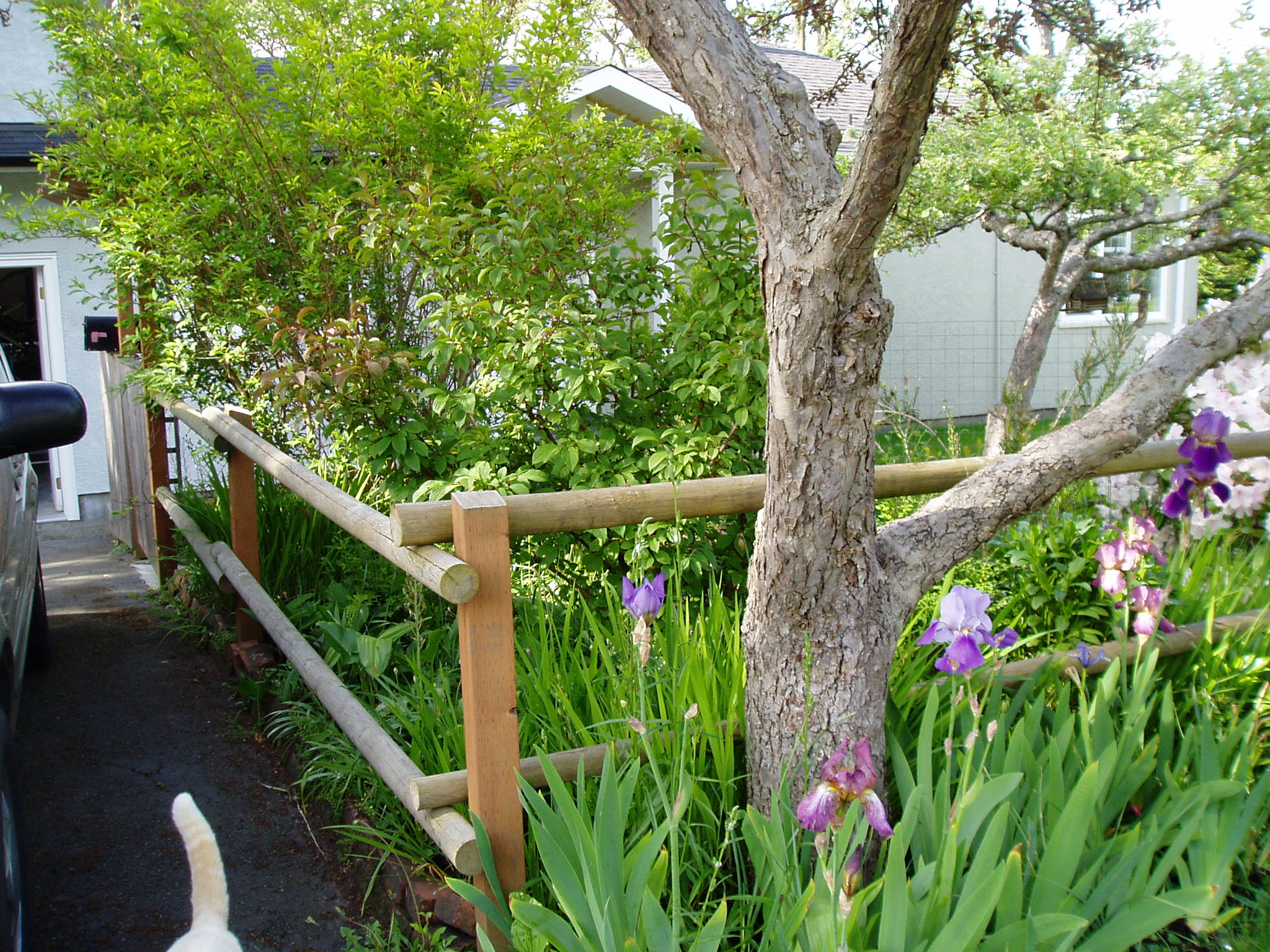
ws - Forsythia in June
photo by SVSeekins

By June, Forsythia is a steadfast background green and working hard to compliment the new flowers in the garden parade throughout the entire length of the summer and into the fall.
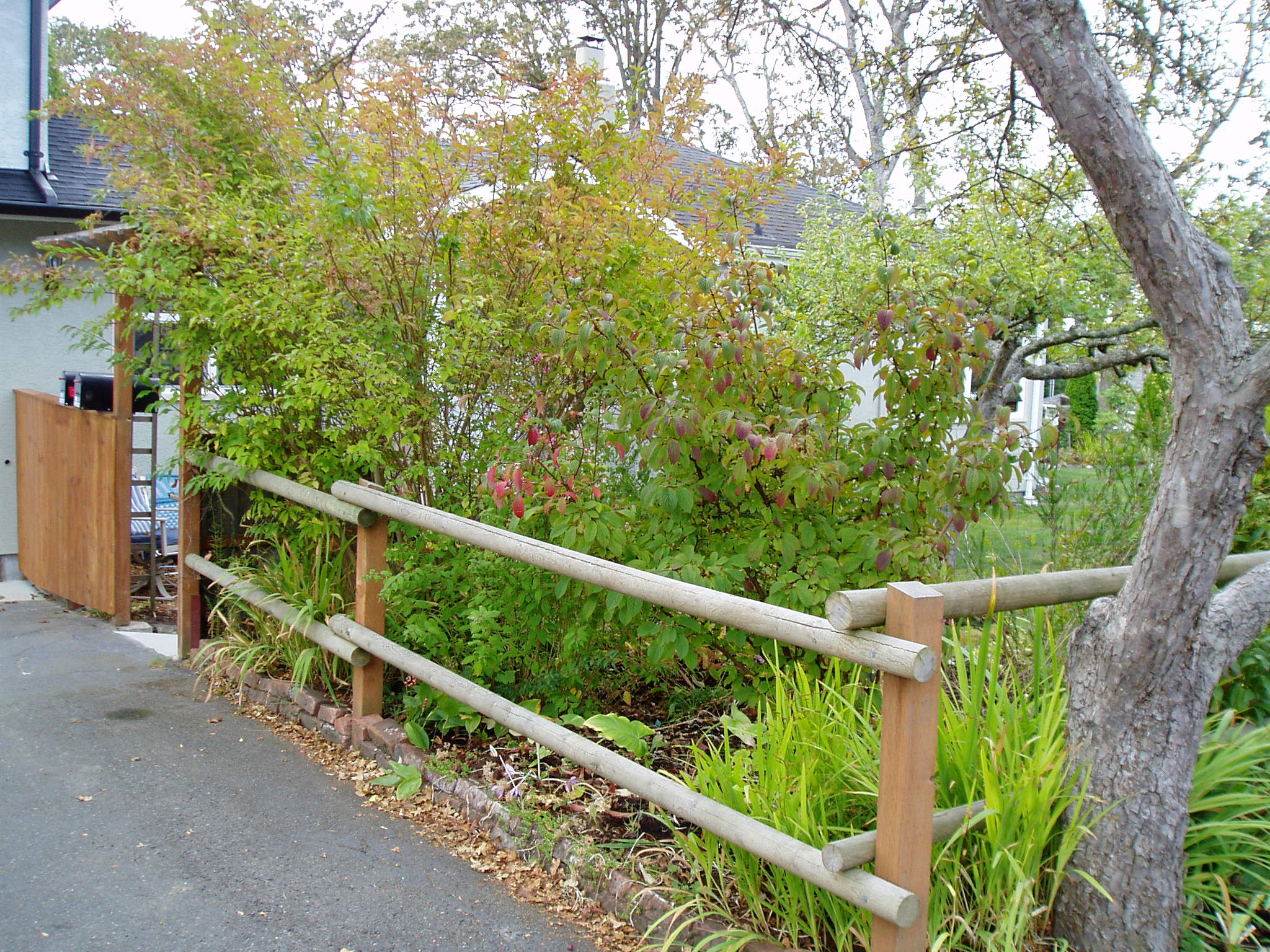
ws - Forsythia in early October
photo by SVSeekins

When the brisk winds of October arrive, Forsythia again steps up for a more significant share of the garden interest.  The yellow, apricot and red leaves add lovely colour to the fall palette.

For Halloween, they’re even more vibrant.  No wonder Forsythia has become one of our garden mainstays!

ws - Forsythia in late October
photo by SVSeekins
ws - Forsythia in late December
photo by SVSeekins

By December, Forsythia is naked again.  That’s not my favourite look for a shrub… but I understand that without the barrenness of winter, the spring probably wouldn’t be as exciting.

-30-

Enter your email address to subscribe to this blog and receive notifications of new posts by email.

Other indispensables:

Flower Count – day 7 – hellebore

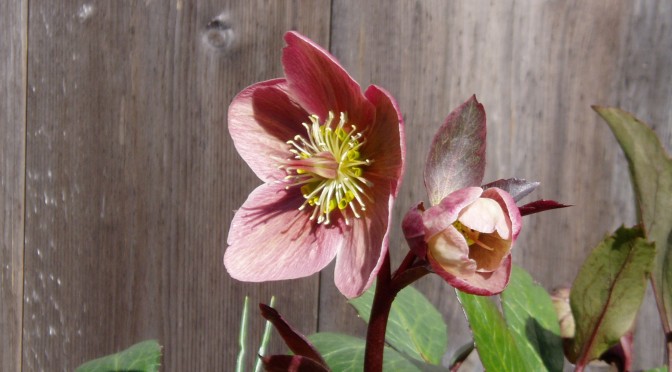
It’s sometimes called the Winter Rose, but isn’t actually a rose relation.  The flowers really do remind me of the wild rose, but mostly it gets that name because it blooms in winter, some even by Christmas!

Typically the Christmas bloomers have boring white flowers that slowly age into interesting light green flowers before setting seed.  We gifted Mum with one of those hellebore this past Christmas & it’s still looking great on her balcony.

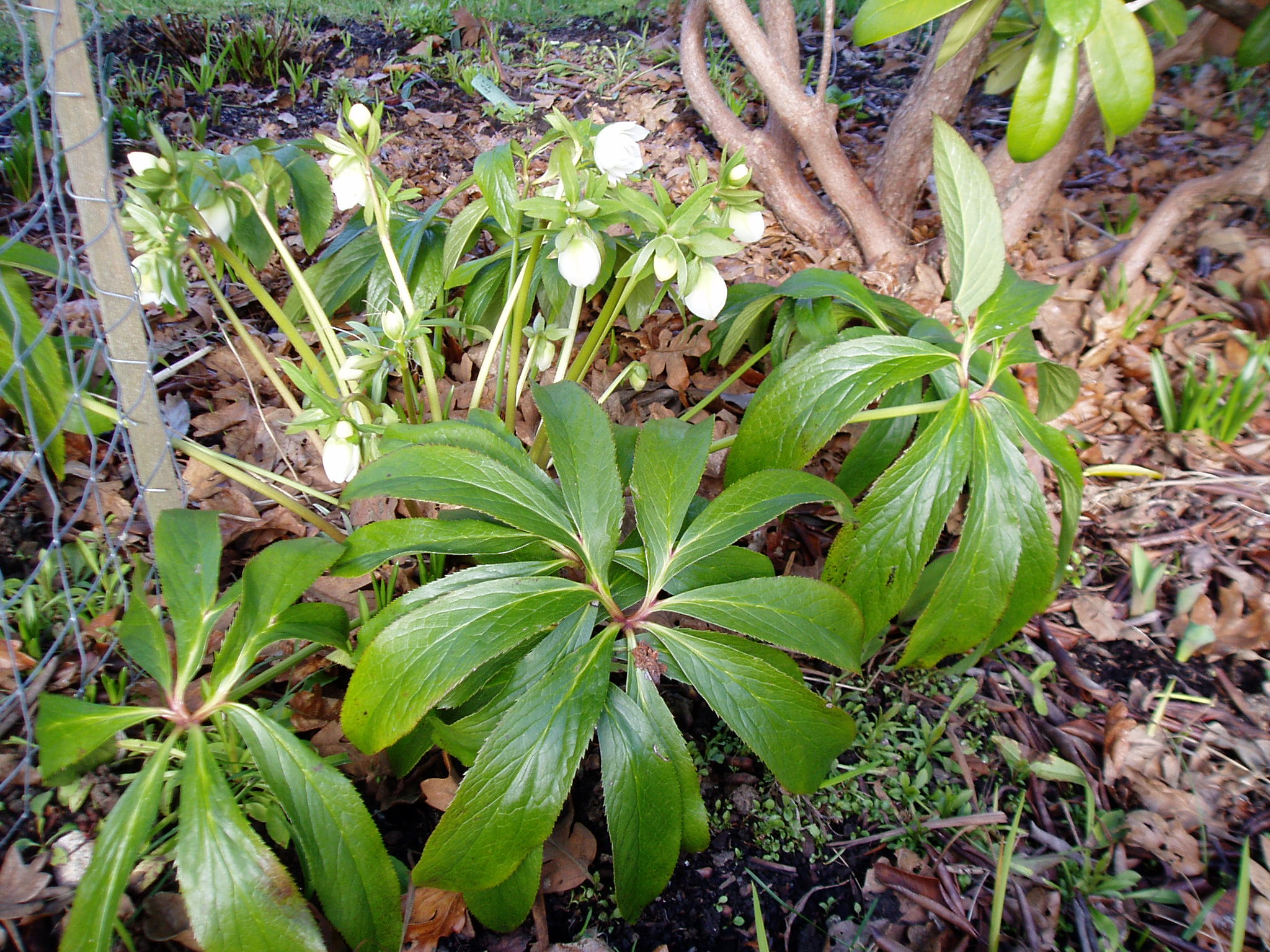
Helebore - Blackthorn strain - evergreen in February border
photo by SVSeekins

There aren’t any Christmas blooming hellebore varieties in our garden.  At that time of year our hellebore are just happy evergreen perennials that the deer leave alone.  I think they’re wonderful just filling in the borders so winter doesn’t look completely desolate.

These come from the new hybrid varieties that have appeared in nurseries over the past couple years.  The hellebore suppliers have presented blooms in pinks and even dark colours that seem almost black.  Those types seem to flower later in the winter.

Hellebore - February promise
photo by SVSeekins

By February our hellebore are starting to show promise.  That’s  my cue to get out there & do a bit of pruning.

The new bud stems shoot up from the centre of the plant, pushing last year’s stems over a bit.  It’s those older stems we need to check out closely.  Some get a bit of gunk on them & that could infect the new growth.  It’s wise to remove any with those issues.  This sample below shows it even better…

Hellebore Pink Frost - early February buds & old growth
photo by SVSeekins

That poor hellebore really was looking worse for wear.  I cut away all infected old stems, knowing that the new growth would arrive in hardly any time at all.  Here’s what it looked like shortly after its trim:

Hellebore Pink Frost - late February flowers after pruning
photo by SVSeekins
Hellebore - creamy buds in February
photo by SVSeekins

Another variety was showing buds in  February at about this same time.  I checked closely but didn’t find any issues on the leafs, so it didn’t get trimmed back at all.  My intention is to let it alone unless it starts to look poorly.

In the meantime I’m really enjoying the fat double blooms it’s producing, even though they’re that boring creamy white colour.

Hellebore - Mardi Gras double & hand
photo by SVSeekins

I’ve heard that hellebore will slowly spread through the garden, & that’s fine by me!  To add some extra encouragement, my plan is to collect their seed pods & help out a bit with the distribution.

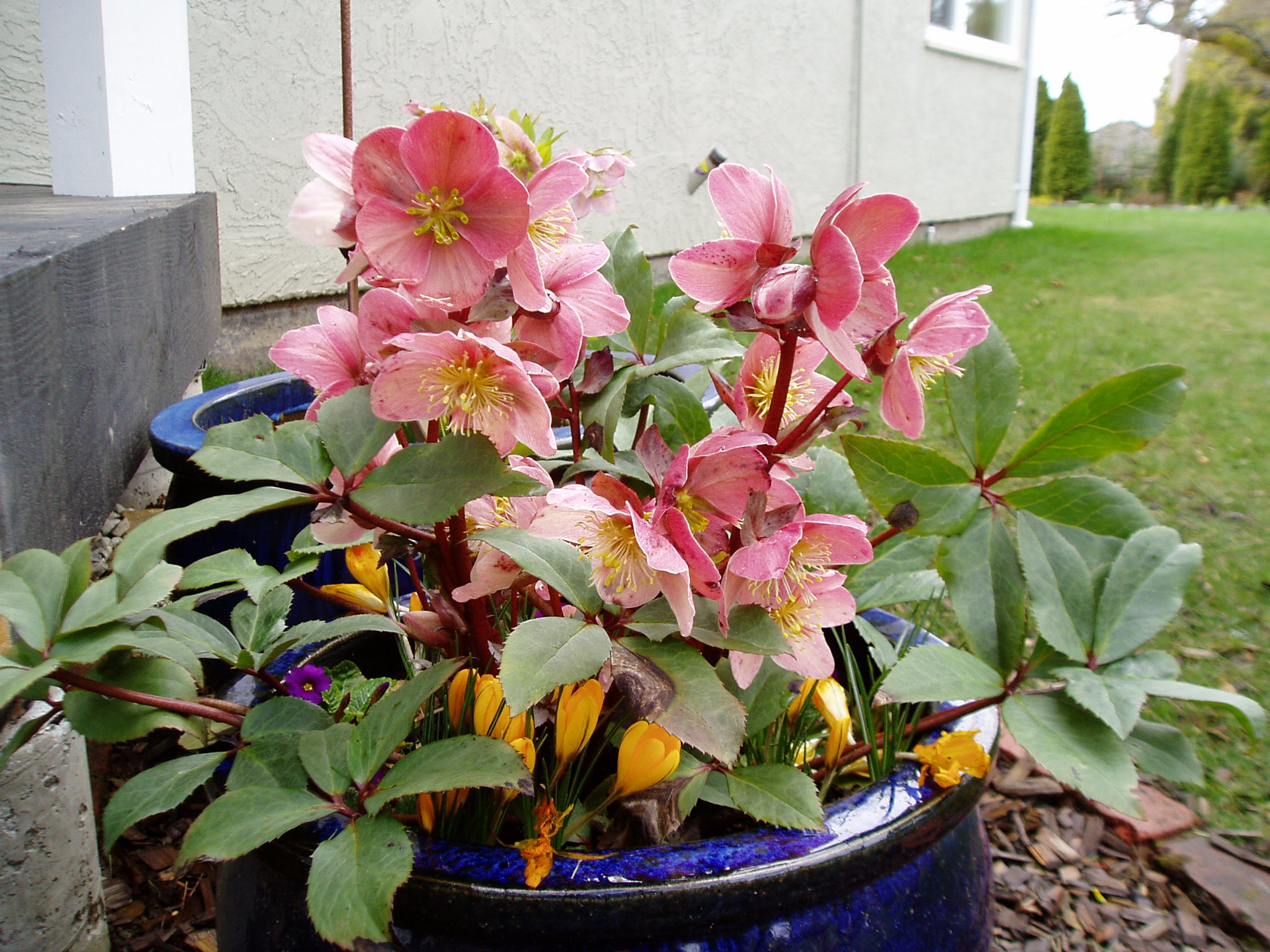
It’s just a delight to have a good show of blooms so early in the year!  That’s why I’ve kept a couple in big pots by the back door.  I seem to need that promise of the flowers & warmth that will arrive in a couple more months if only I can hold out that long.

Helebore - full bloom in march
photo by SVSeekins

-30-

© SVSeekins and Garden Variety Life, 2012. 

check out the rest of the articles on
Flower Count

Flower Count – day 6 – euphorbia

Euphorbia is a new plant for me.  I dipped my toe in that pool a couple of years ago, but had little success.  Then I began noticing more & different euphorbia in other gardens & those looked great.

Deciding I hadn’t tried hard enough, last summer I stuck my whole foot into the euphorbia pool.  I moved the past year’s trial plant to a new site (in hopes it would perk up), and I bought a different cultivar at the garden shop.  That made 2.

Then I admired the euphorbia at SK’s garden.  She says they grow like crazy & promptly dug some up for me.

Cousin SM also gave me a gift from her garden.

When I admired some euphorbia a drought tolerant landscape down the street, the resident assured me they’re tough as nails, and immediately offered to share some of her extras.  Wow.

Now I have 5 test patches going.

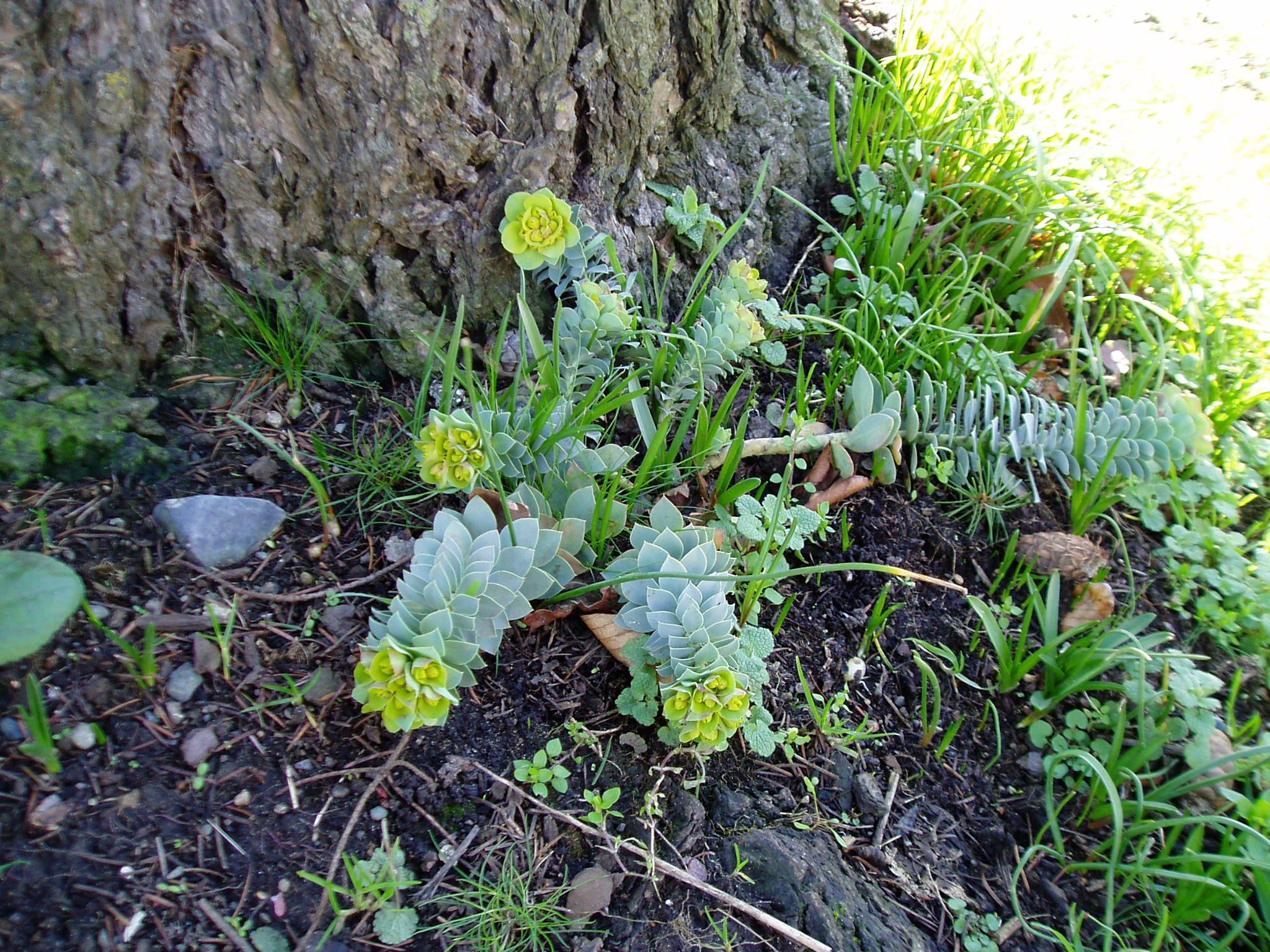
Donkey Tail Spurge
photo by SVSeekins

This winter it’s already paying off.  The transplant from down the street has survived – – and doesn’t this look suspiciously like blooms on the ends of the branches?

It’s called Euphorbia ‘myrsinites’.  The easier common name is Donkey Tail Spurge.  I think it’s pretty funky looking.

It lives at the base of a boulevard tree that sticks out into the street corner.  I figure this might be a good place for it, since this spurge won’t grow too high to impede the view of any drivers trying to pull into traffic.  I also have my fingers crossed that it’ll survive with far less water than it had last summer (transplants need watering until they’re established).

Purple Wood Spurge
photo by SVSeekins

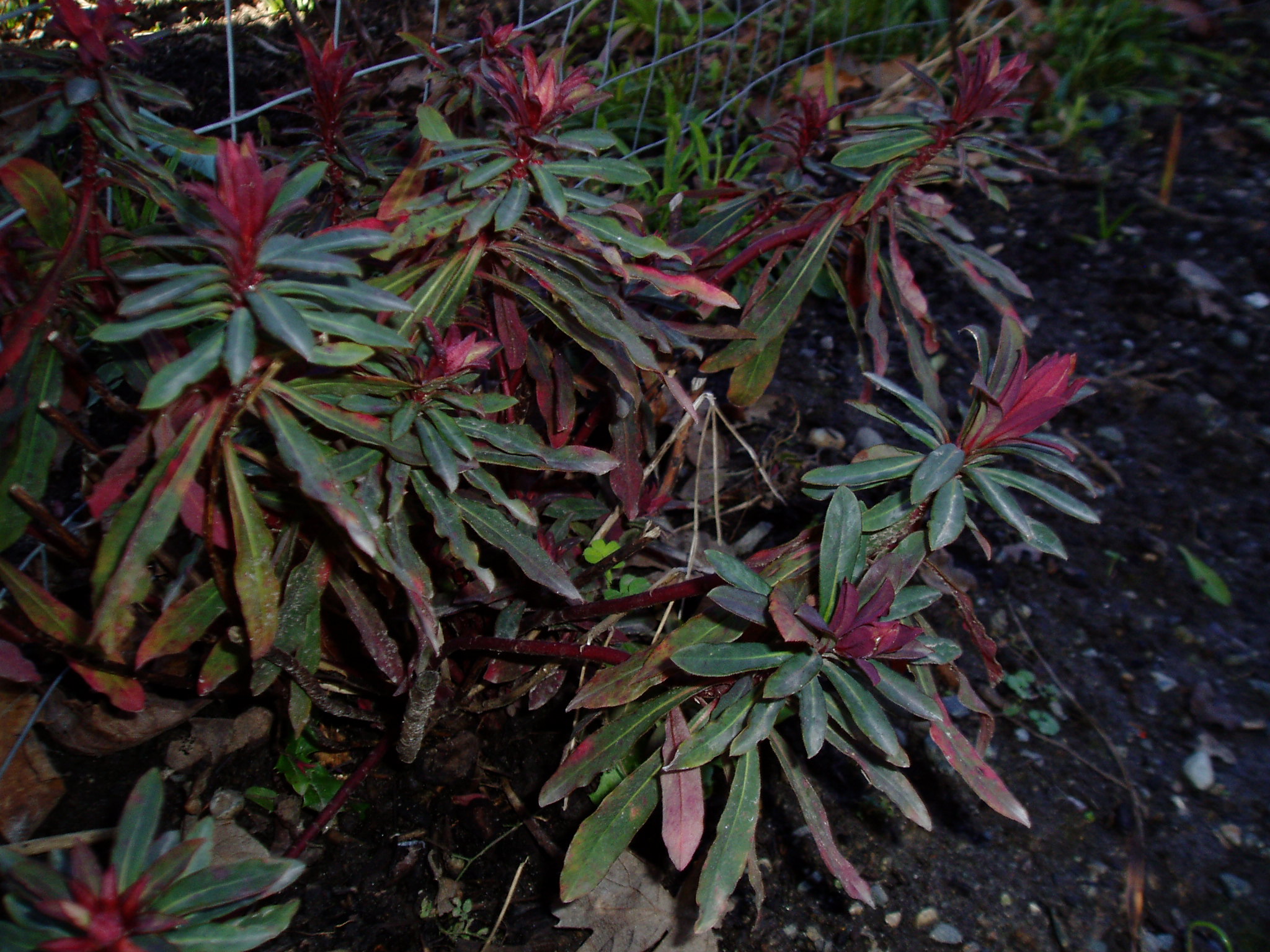
The garden shop cultivar is also looking encouraging.  The bright tips look like flowers to me.  Even if they’re really something else, I’m going to count them as flowers anyway.  It’s called Euphorbia ‘purpurea’, or more commonly Purple Wood Spurge.

euphorbia - gift from SK
photo by SVSeekins

The gifts from SK have something groovy dangling on their tips also.  I don’t know if it’s a flower – but I like it.

Does it sound like I’m getting desperate to find blooms for Victoria’s Flower Count?  Maybe.  But just getting outside at this time of year has given me a boost, and a fresh perspective.   These hen’s & chicks look so decorative, I’m half way to declaring them in bloom, too.   🙂

winter Hens & Chicks
photo by SVSeekins

Yet I digress – Sorry.

I have my fingers crossed for the euphorbia Cousin SM gave me.  She warned me that it would look like it died off completely, so I’m not too worried.

The 5th sample of euphorbia is alive, but looking dormant.  It’s still early in the year, so I thrilled to have anything happening in the garden at all.

An internet search told me that poinsettia, rubber trees & cactus looking plants are actually euphorbia too.   I’d thought I was just stepping into a pool of plants called euphorbia.  Now I realize it’s a sea! The range is a bit mind-boggling

-30-
© SVSeekins and Garden Variety Life, 2012. 

check out the rest of the articles on
Flower Count