Woo-hoo!!
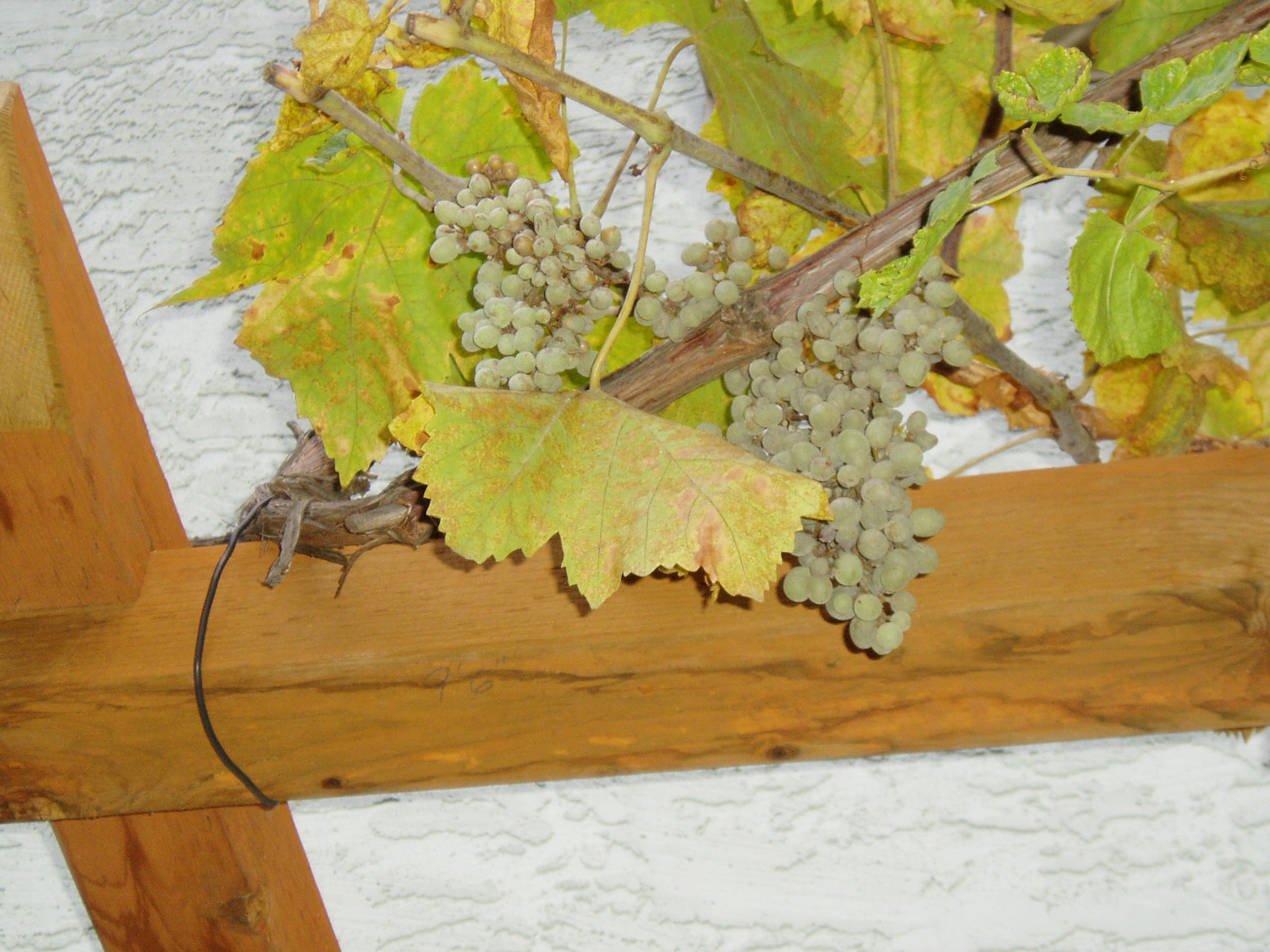
This year our grape-vine has produced grapes! It’s thrilling.
photo by SVSeekins 2012
Most years we get 1 or 2 clusters of teeny-tiny grapes… and honestly, I thought that it was just the way this particular variety of grape made fruit.
Nope.
Whatever variety of grape this is, it is capable of producing a wonderfully sweet, juicy eating grape.
photo by SVSeekins 2015
When I picked my first cluster, he weight of it astounded me. I just had to check it out on the kitchen scale – –
2.5 pounds !!!
Can you believe it?
And they’re tasty, too!
Now it would be nice to know what we did differently this year…
photo by SVSeekins
Was it because C didn’t winter prune the vine as hard as he usually does?
… or because we had an especially sunny summer?
… or because there was less competition for water & nutrients in the planting bed this year?
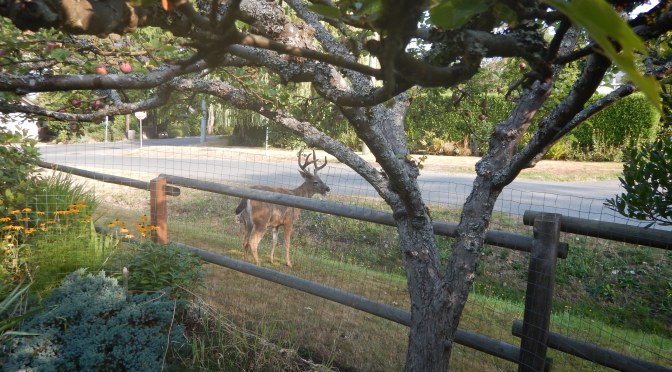
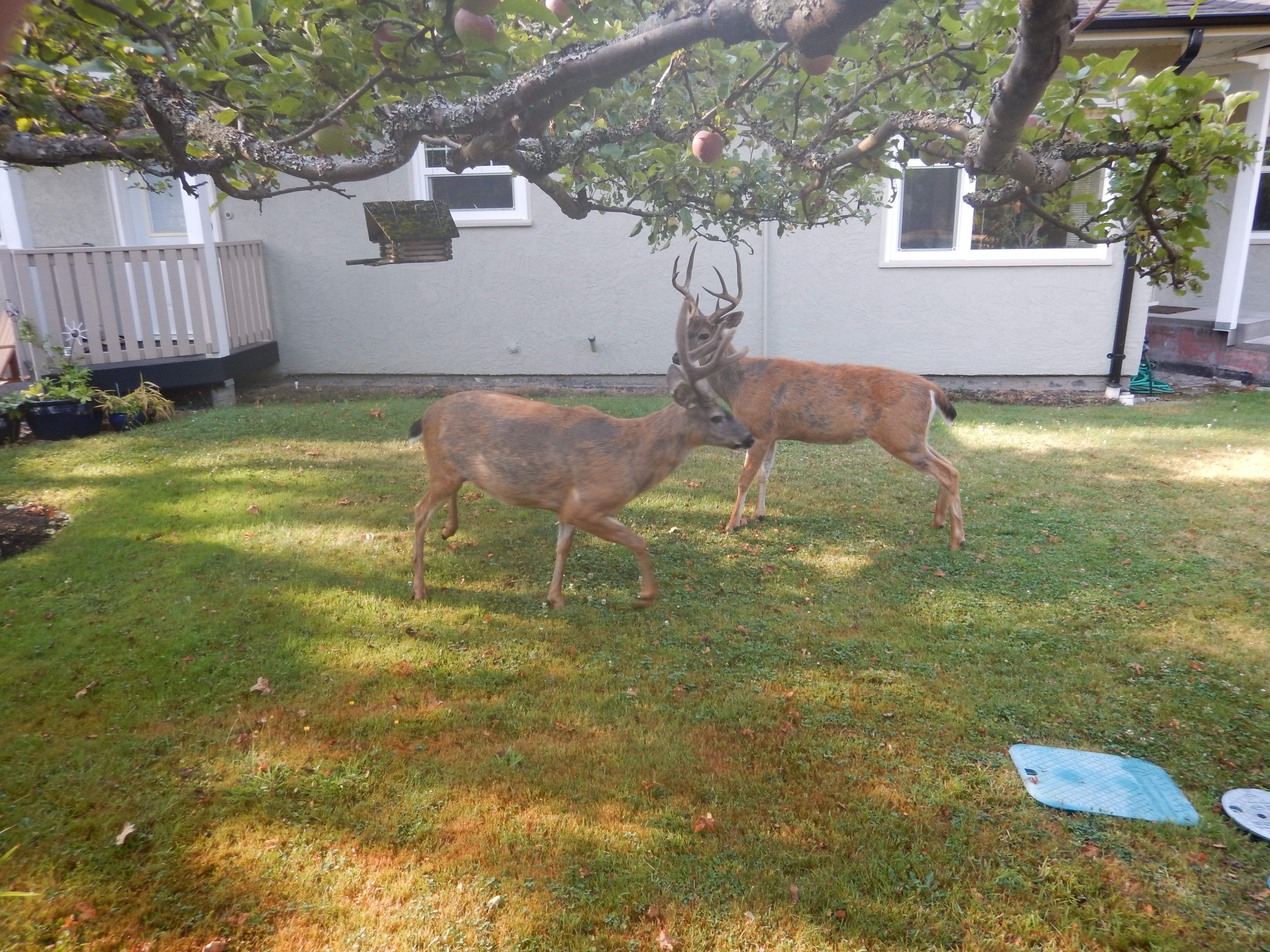
This morning I spotted a visiting black-tailed buck feasting on the apple tree.
Because he was on the ditch side of the fence, I bravely (?) attempted a closer look.
Slowly zig-zagging across the yard I pointed the camera at the deer but was careful to never make eye contact. (That’s how to approach a nervous horse, so I figured: Why not?)
Surprisingly the buck just kept chomping!
I reached the branches of the apple tree!
Thank goodness for the fence.
photo by SVSeekins
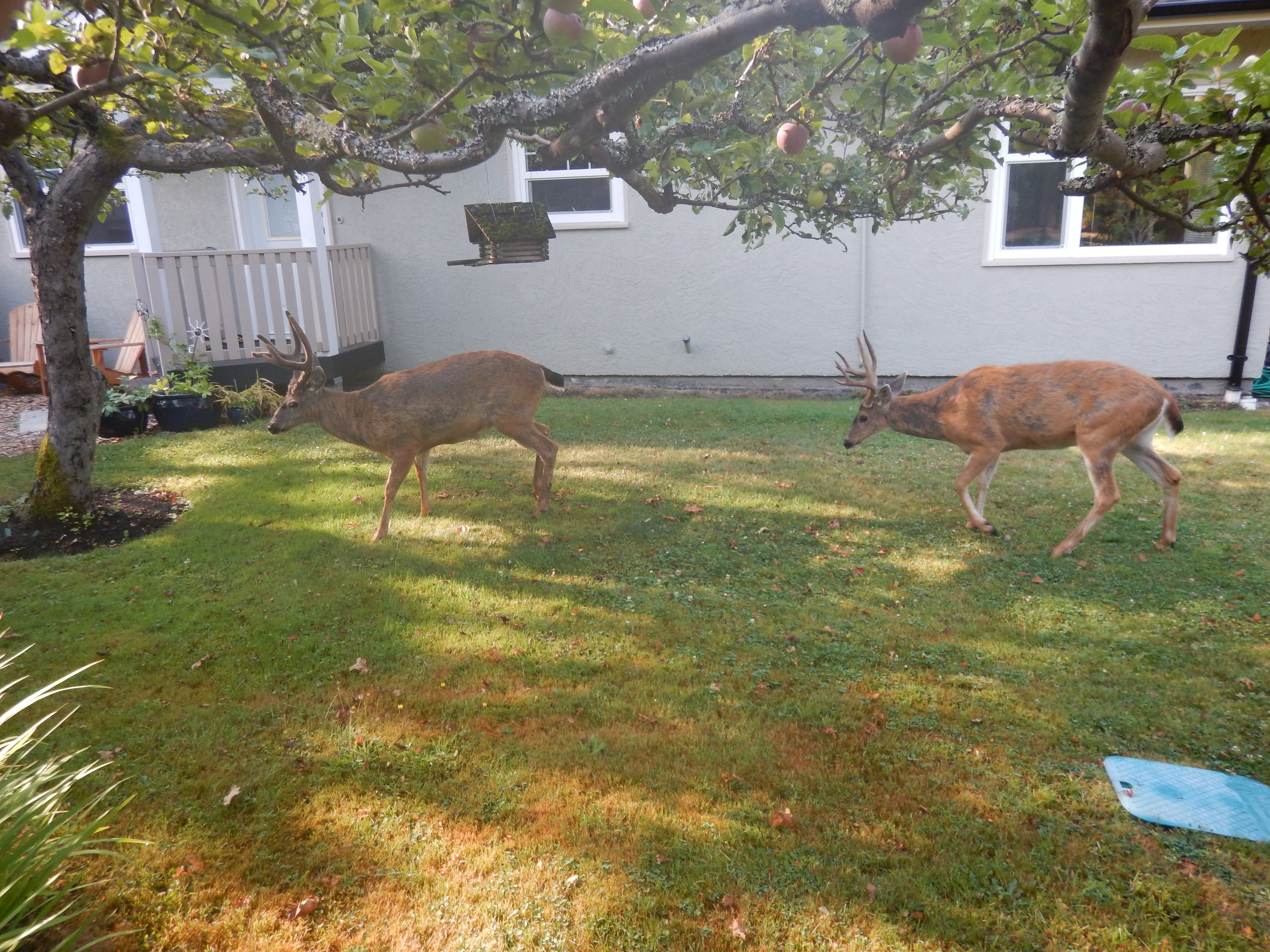
He’s so much larger & more daunting than the fawn & doe that frequent our yard. As I admired his rack, another deer came into view.
Yikes!
Not a doe – – another buck!
Neither seemed particularly concerned that I was nearby. I suppose deer with antlers aren’t chased by angry gardeners as often as those without, so why would these fellas be worried?
Thank goodness for the fence.
photo by SVSeekins
Who knew male deer hang out together through the summer? I’ve seen plenty of family groups of does & children. Once, when we lived on Cedar Hill Road, a buck was included in the family lifestyle… but mostly, I expect bucks to be solitary creatures. So what’s this? The gathering before the mating season begins?
Bachelor party baby!!
Thank goodness for the fence.
I figure these deer are 3-4 years old because there are so many points on their antlers. Isn’t that how to tell the age of a buck?
Nope. ‘Turns out a deer that’s happy & very well fed can produce more points than usual. Perhaps apples are especially nutritious.
Thank goodness for the fence.
photo by SVSeekins
Admiring the 2nd buck, I lost track of the 1st. Where’d he go?
He’d walked along the fence & entered the gate … to taste our other apple tree.
Right behind me.
Agggh!
Now I was trapped by the damn fence.
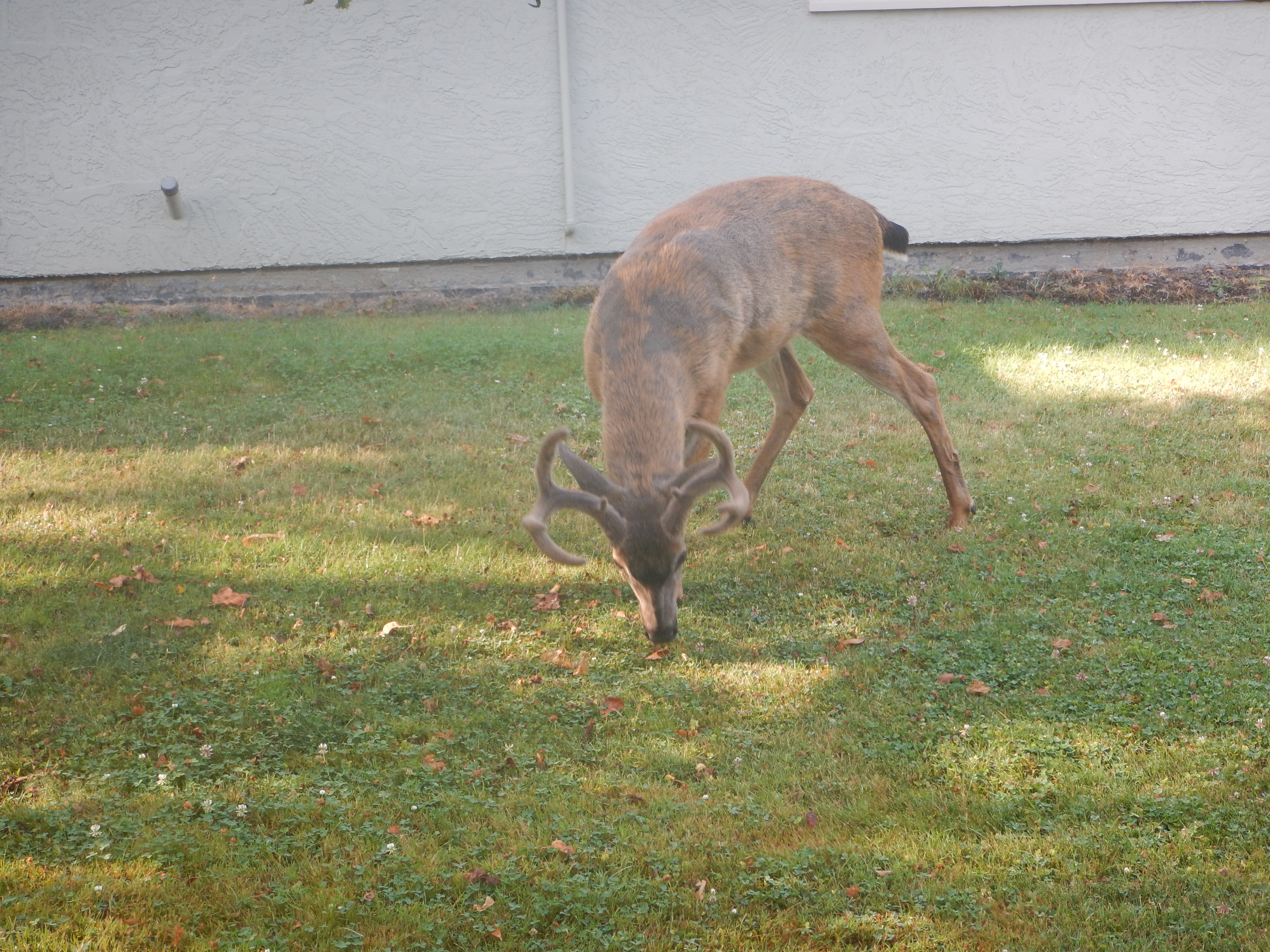
Antlers look so much BIGGER from this angle! Especially with his head down, those points look even more dangerous!!
photo by SVSeekins
Thank goodness this fellow was NOT aggressive… just calmly nibbling on grass & approaching the Gravenstein.
I can definitely see how someone might jump to conclusions, live in fear & not want urban bucks in the neighborhood. I gotta admit I pretty near wet myself when those points were lowered right in front of me.
photo by SVSeekins
When the pair finished feeding and meandered to another yard, I started to breathe again.
In Greater Victoria, our urban deer population increases each year. Like many folks, I’m usually excited to see them & content to share space. Why some folks aren’t as welcoming is a little more clear to me today.
What’s the next step the city should take? Cull?
Catch, castrate & release for study?
Got any other ideas?
For me, the most difficult part of collecting seed is holding off long enough for the seed to ripen on the plant.
photo by SVSeekinsphoto by SVSeekins
Sometimes I just want to tidy up the garden, so I’ll take the flower stalk while the camas heads are still green. I tuck them into a paper bag & leave them in a warm dry place to ripen. Apparently the early collection leads to lower germination rates, but better that than nothing at all…
photo by SVSeekins
photo by SVSeekins
Other times I’ll harvest Lupin seed a bit early just to make sure I get some. If I wait just a touch too long, it’s suddenly ready, pops open & is gone-gone-gone.
Again, better a bit early than nothing at all.
With the lupin, I make sure there is lots of room in the paper bag for air circulation. It’s no good if crowded pods go moldy.
photo by SVSeekins
photo by SVSeekins
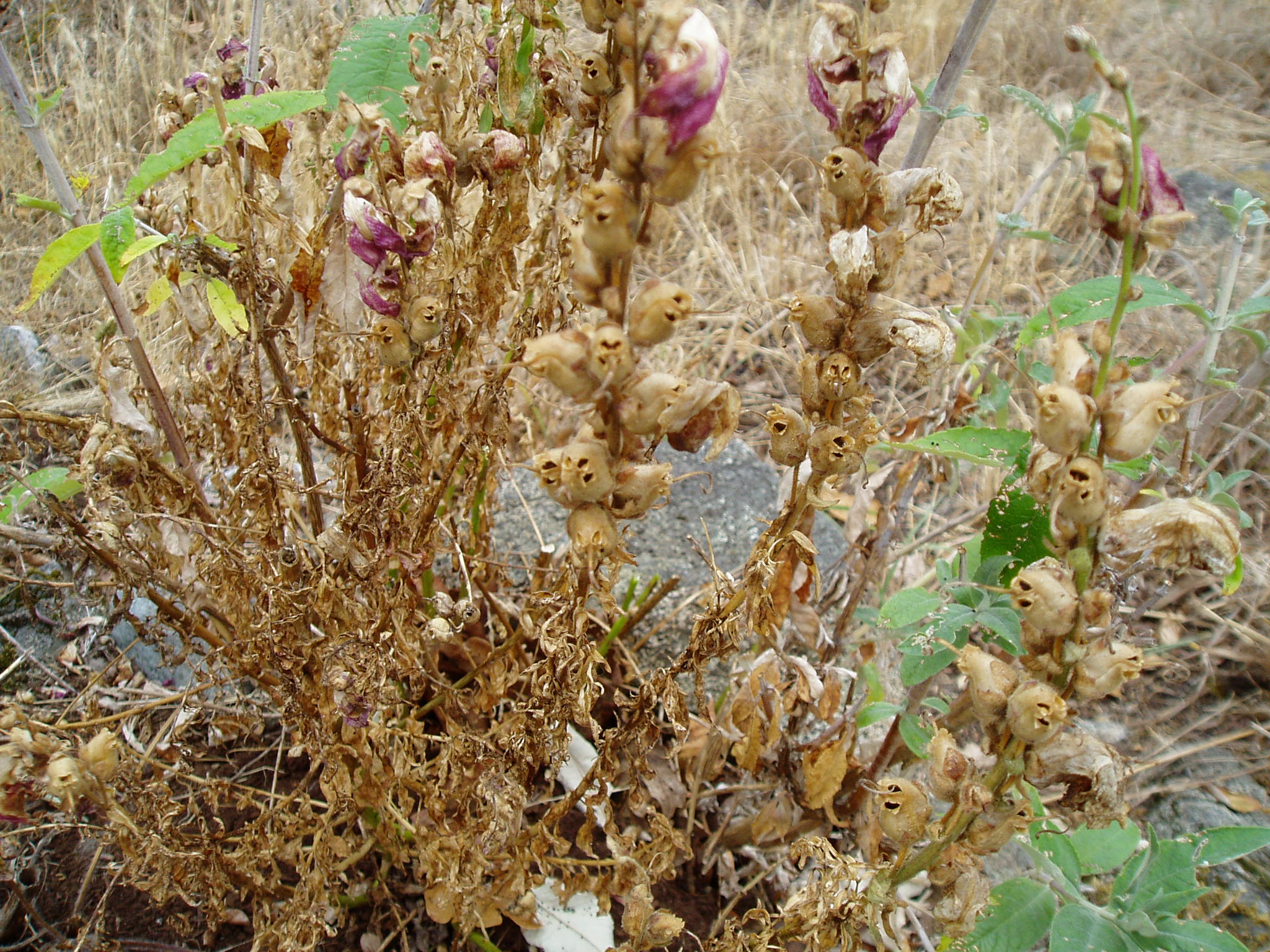
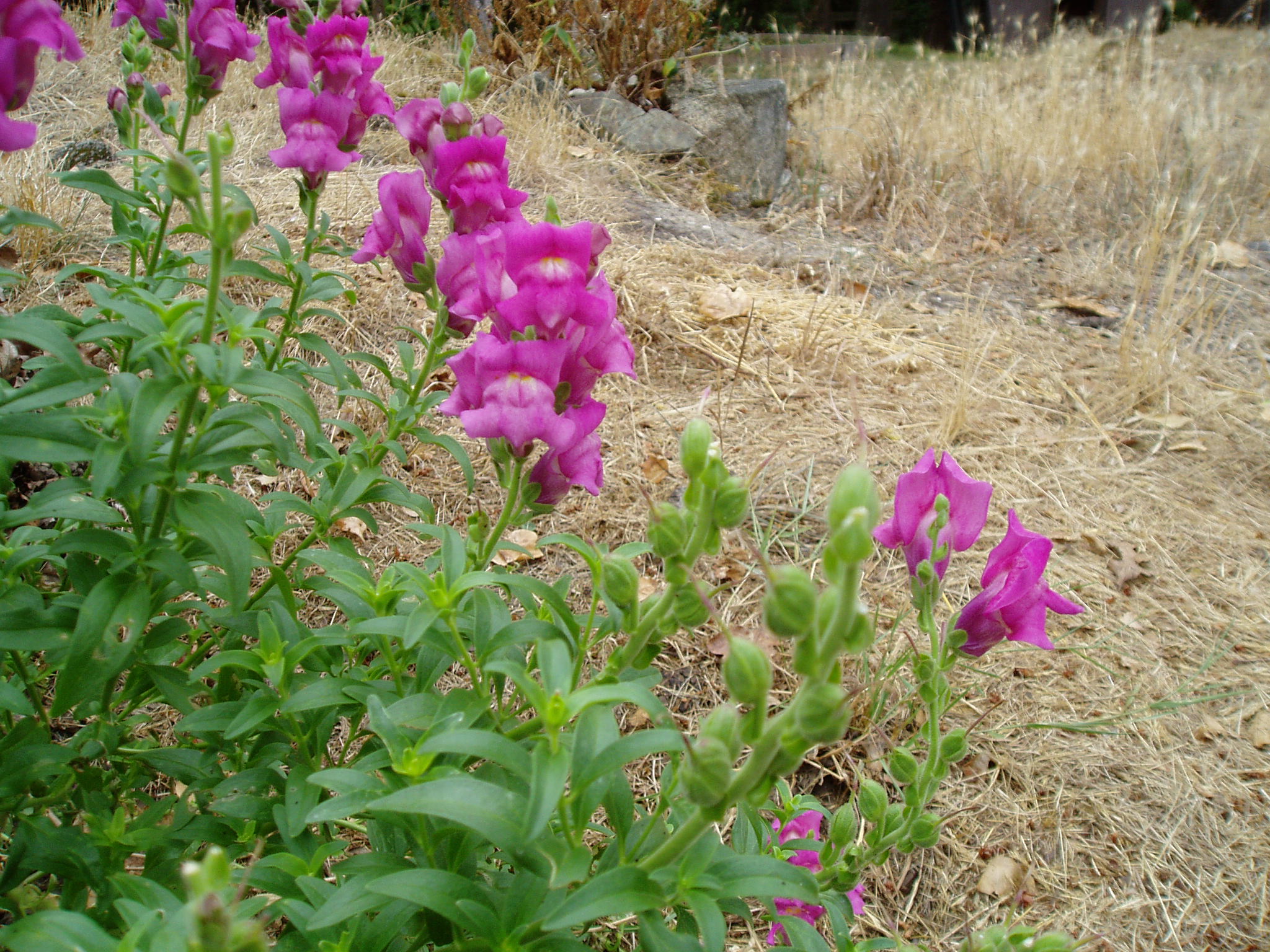
The snapdragon holds its seeds in little rattles. When they’re mature little holes open near the top of the capsule & the seeds can escape when shaken. Because there’s less ‘spillage’ I’m more comfortable waiting for the seeds to ripen on the plant. I cut, upend the stalk the paper bag, then give it a good shake to collect the seed.
photo by SVSeekins
photo by SVSeekins
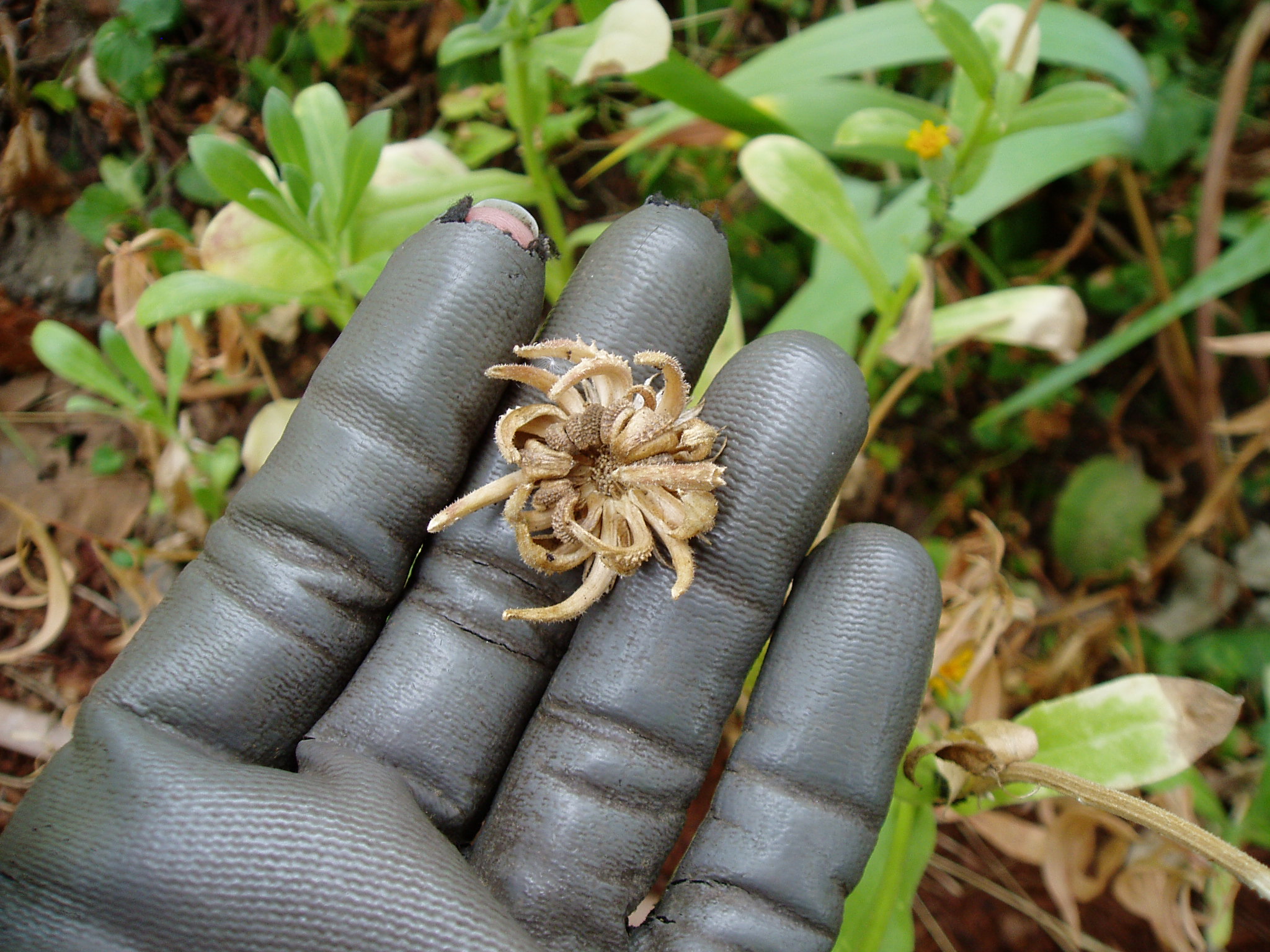
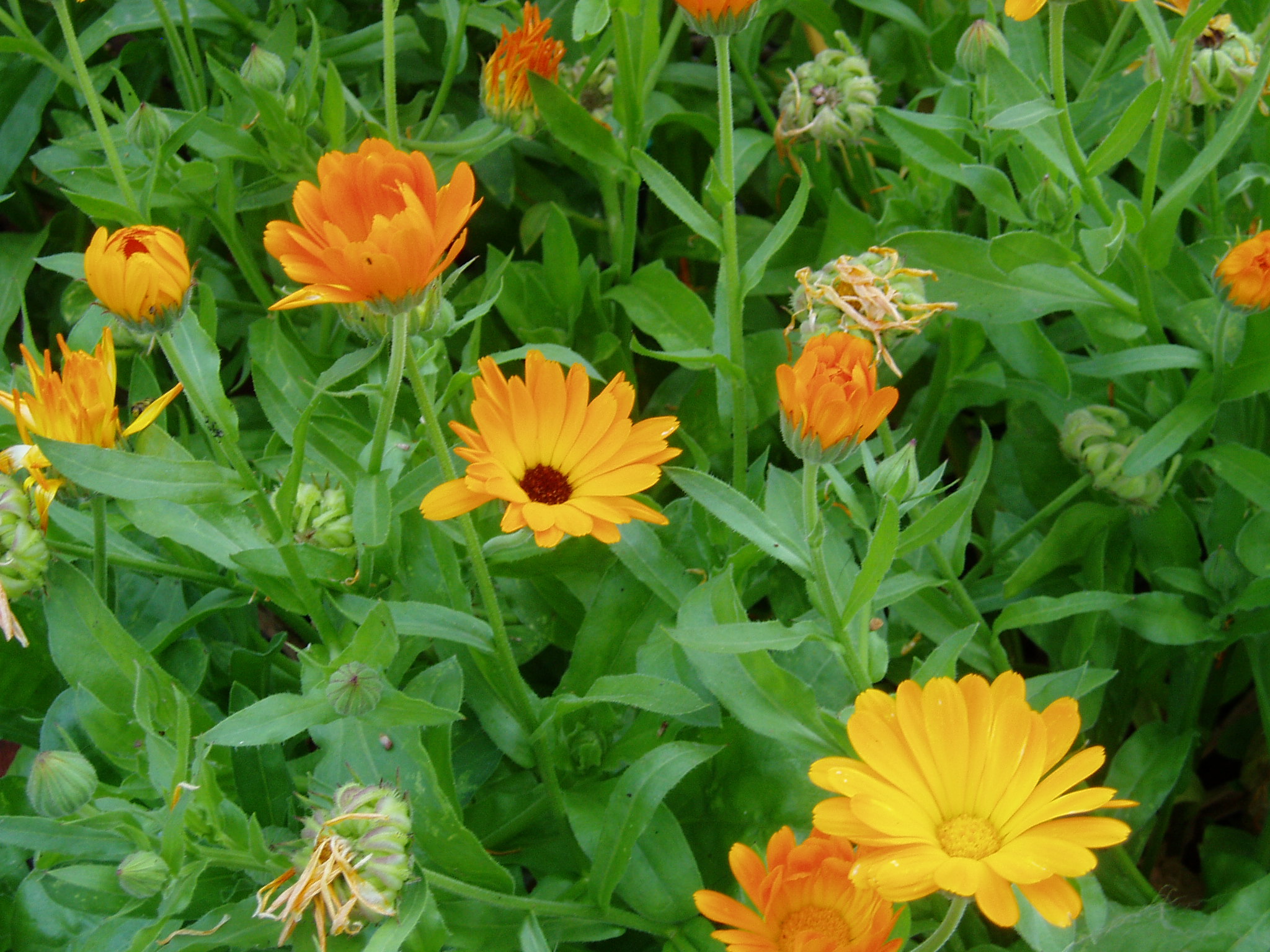
With some other flowers, like calendula, the individual seeds set on the flower. I wait until the seed head is brown to collect. Even still, I use a paper grocery bag to collect the seed heads. After a good shake most seeds dislodge & all that’s left is separating the seed from the chaff.
photo by SVSeekins
photo by SVSeekins
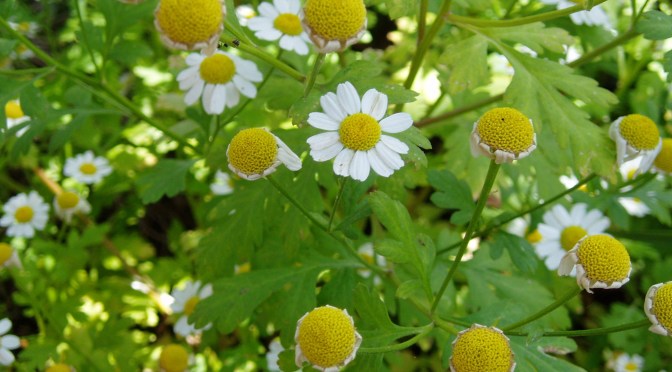
Shasta Daisy is similar but has a copious amount of seed in comparison. Once ripened, the seed drops with the slightest shift, self-sowing all around. KC once told me to NEVER-EVER-EVER let Shasta self-seed, or else I’d NEVER-EVER-EVER be done with weeding them out of the garden. I take her advice to heart & deadhead early.
Rather than collecting seeds at all, I figure I can divide the healthy clumps I already have whenever there’s a need for some in another location.
photo by SVSeekins
photo by SVSeekins
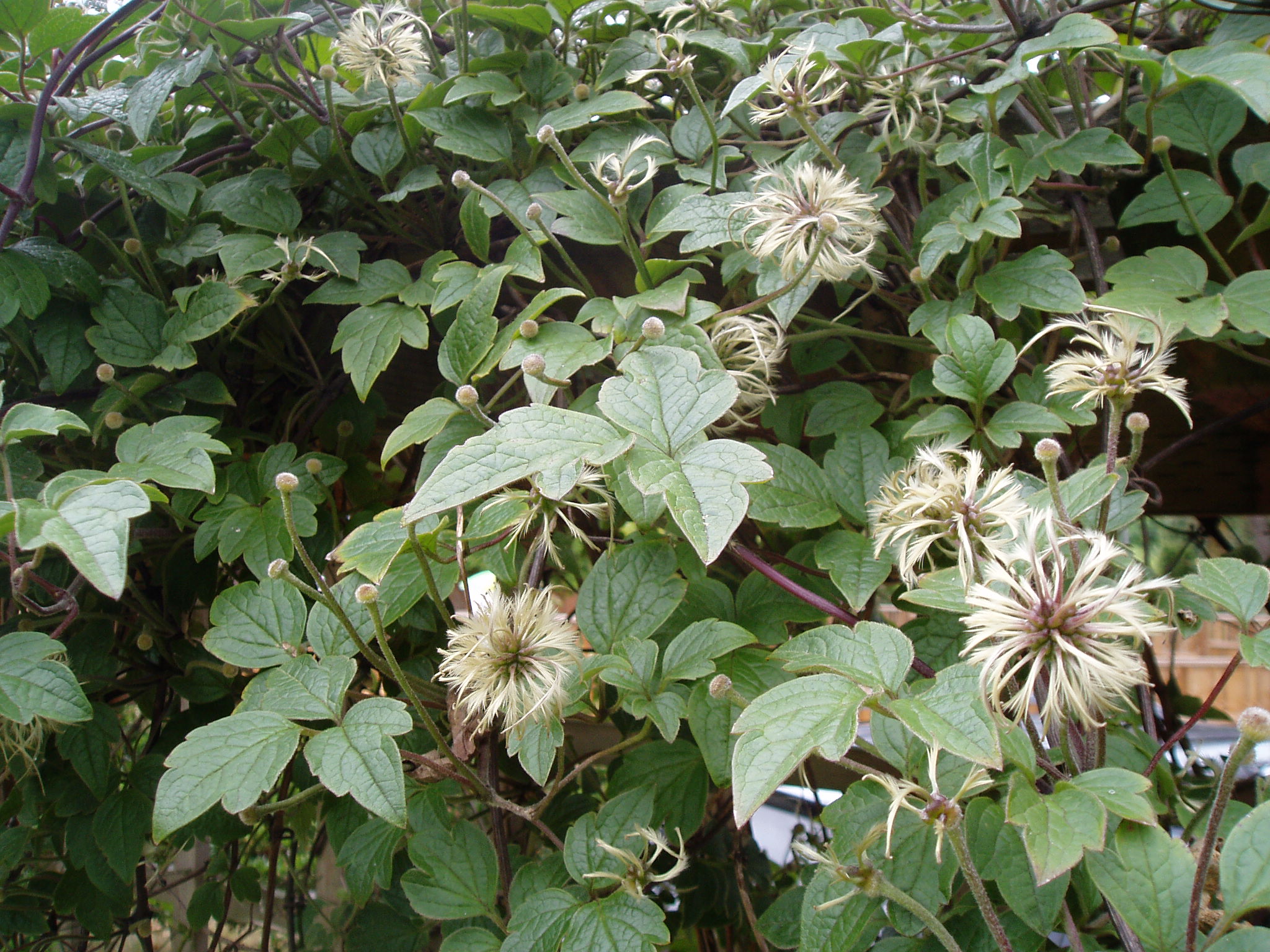
Some plant’s flowers turn to fluff when they go to seed. In the case of clematis montana, it’s so decorative that I can’t bear to cut off the seed heads.
photo by SVSeekinsphoto by SVSeekins
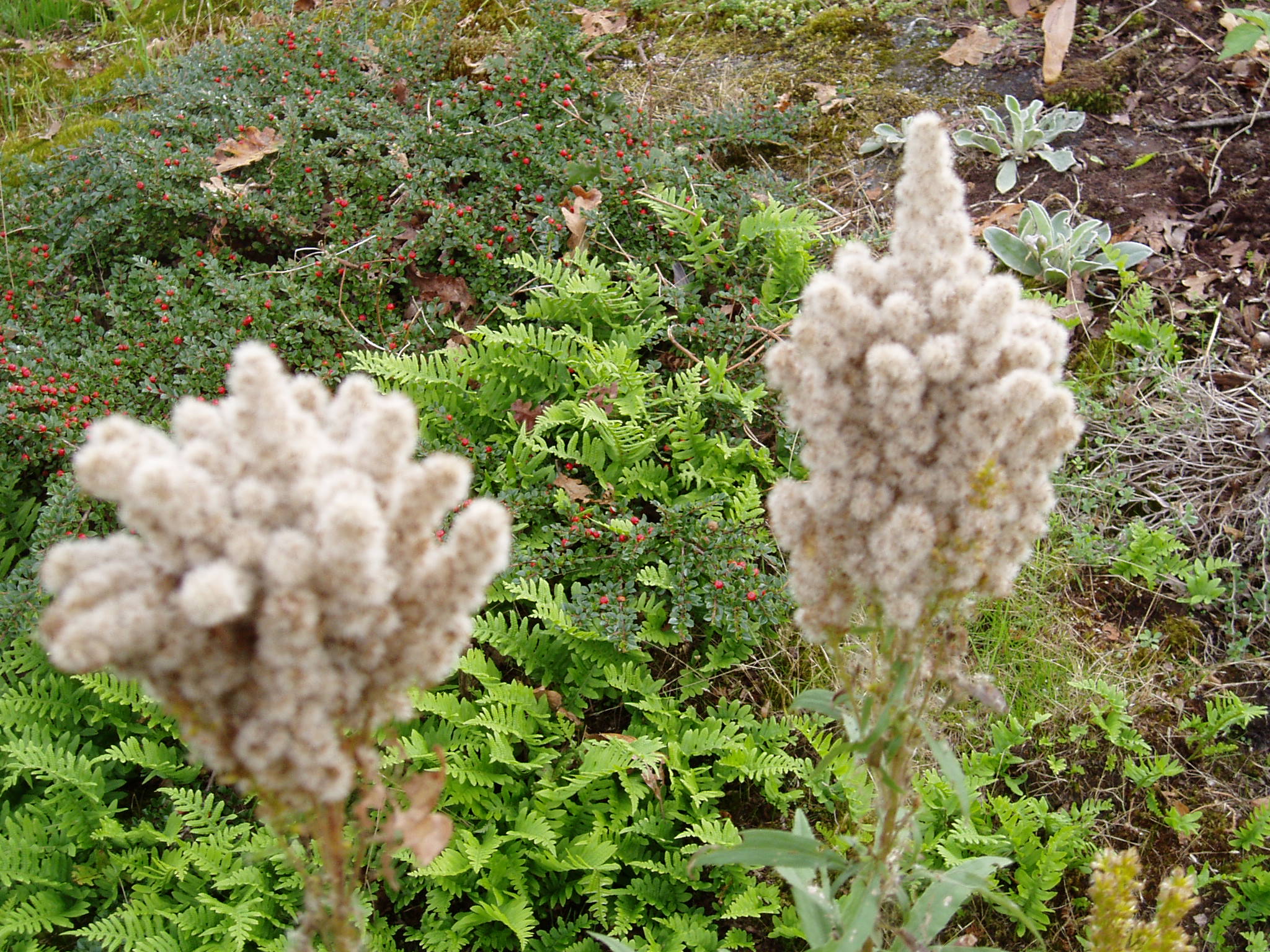
Goldenrod seed head isn’t quite as pretty, but because it is native to this area, it’s a fabulous food for the local birds. So I’m a little torn about collecting the seed. The plant divides fairly well, so that’s what I do when I want more clumps around the yard.
photo by SVSeekins
photo by SVSeekins
Some plants produce berries hoping birds & animals will eat them and spread the seed around in their droppings. Oregon grape is a good example. I’ve found that trying to transplant this shrub hasn’t worked well… but there are a few oregon grape babies in the garden, so collecting the seed is worth a try. Gather some berries, mash them & rinse the pulp from the seeds with cold water in a fine sieve. After that, it’s super important to thoroughly dry the seeds. Spreading them out on a paper towel helps to stop them from clumping together & moulding.photo by SVSeekins
photo by SVSeekins
And then there’s the nuts. Those are best collected when they fall off the trees. So many Garry oak acorns drop in the early autumn before the leaves fall that it’s easy-peasy to collect them.
I prefer to plant them into litre pots right away as the seedlings will start quickly. They really don’t like the fragile tap root being disturbed in transplanting so I skip the smaller pot sizes altogether.
After that, the trick is leaving the pot outside to get the natural temperature & rain… but still protecting it from those hard-working squirrels.
Yup. I guess I’m not the only one bent on gathering seeds.
Does your harvesting spirit spark at this time of year too? What are your collection tips & techniques?













 Garden Variety Life