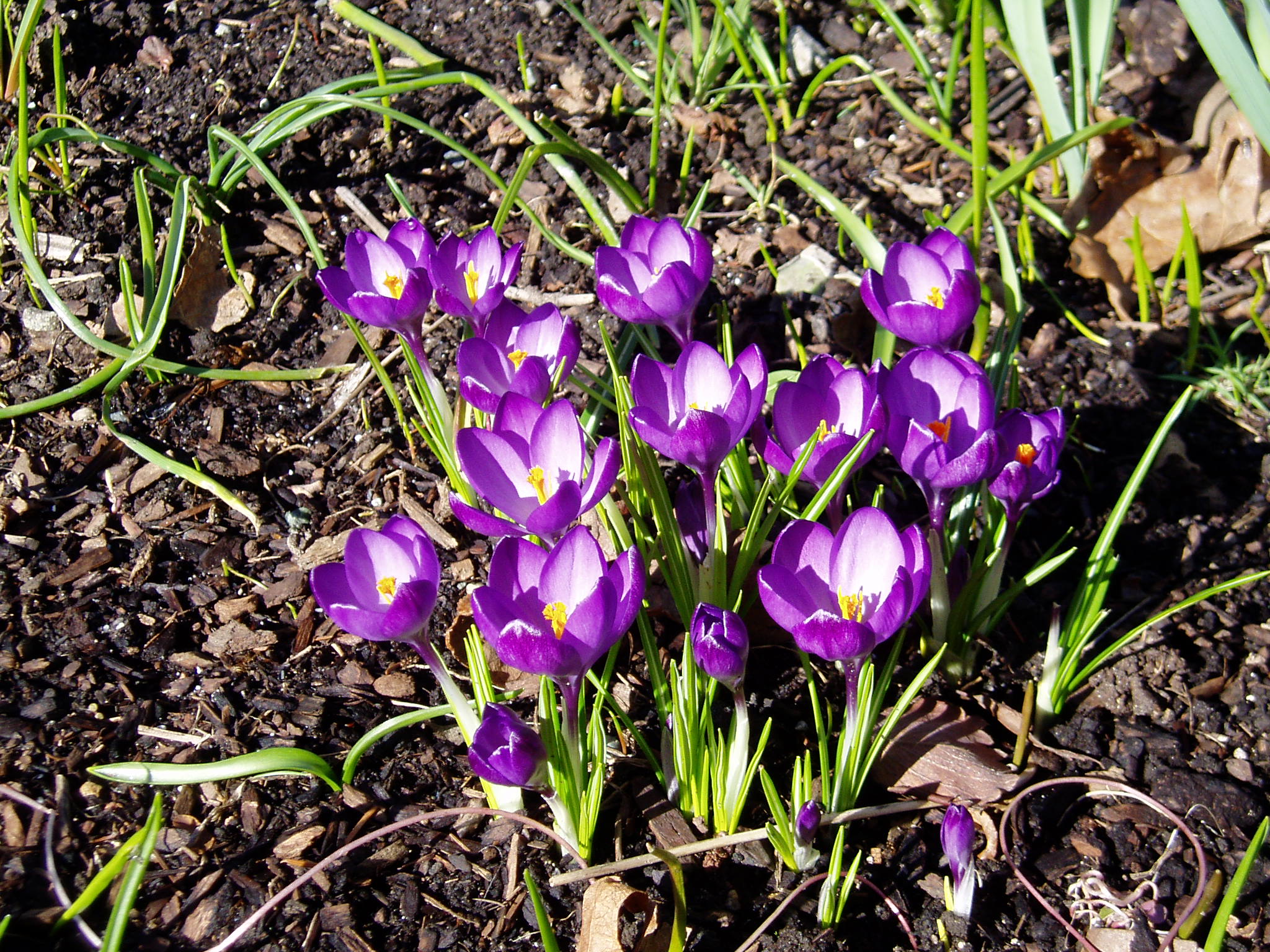
It’s easy to LOVE February! The crocus bloom is a Valentines gift I treasure 🙂
Tools
It really feels like the beginning of a new season for me. I like to start fresh, so now’s the time to tidy up the garden shed. Gather up all the tools. Scrub off any debris or soil. Wipe wooden handles with some oil to strengthen & lengthen their lives. Sharpen & oil pruners, shears and hedge clippers making sure they’re rust-free.
photo by SVSeekins
Pruning
Summer blooming Clematis (Jackmanii, Earnest Markham, and Tangutica), the ones that flower on wood grown this year, should be cut almost to the ground, down to 4 to 6 buds.
For a tidier spring look, shear epimediums before they send up their delicate flower shoots… St. John’s Wort (groundcover) can also be sheered to 2 inches.
Prune summer-flowering shrubs like Buddleja davidii, Spiraea japonica, Hypericum forrestii and hardy Fuchsia. They benefit from cutting down hard in mid-late February. Go crazy & copse the Red Twigged Dogwood.
Hydrangea is another summer-flowering shrub to prune now that the buds are showing… but be a little more delicate than a ‘copse’.
Tree peony flower in the spring, but by now we can see the buds swelling & know which branches died off through winter, so prune away.
When I’m feeling very tidy I’ll also cut back the evergreen sword ferns that are now at their most ragged. They’ll soon be sporting fresh new growth & it’s kinda fun to watch it unfurl.
DON’T PRUNE spring-flowering shrubs like Forsythia, Clematis montana, Spiraea x arguta, Buddleja globosa, Viburnum tinus, and Ceanothus burkwoodi now. They flower on stems produced after last spring’s flowering, which have ripened over the summer.
photo by SVSeekins
Fertilizing
distribute a handful of lime & bone meal beneath Clematis, Lilac, Hydrangea, Flowering Red Currant, Peony, Mock Orange, Sedum, Spirea & Aubretia
sprinkle tomato food onto areas where spring bulbs grow
photo by SVSeekins
Watering
Check any plantings under large overhangs for soil moisture. These areas can get very dry over winter. They don’t need a lot of water but enough to survive
photo by SVSeekins
Perennials
If they’re outgrowing their space, most late-blooming, hardy perennials can be lifted and divided now.
Cut the tops back to a couple of inches.
Lift the whole plant out with a fork.
Look for a natural line across the plant and cut it with a sharp knife right through.
Continue this until you have divided the plant up to suit your needs.
Replant the pieces in groups of 3-5 to make an impact in ornamental borders from repeating colour schemes.
Pot up spares immediately.
Water well.
photo by SVSeekins
Lawns
Looking over the front yard, we seem to have a few blades of grass growing in our moss patch. Moss control can be applied in February, but remember it requires 2 full days without rain. (Good luck with that 🙂
The recommended type of moss control is a product that has fertilizer + ferrous sulfate (iron). Something with NPK numbers of 9-3-6 greens the lawn for about 30 days after the moss has been killed. Dolomite lime should be applied about 2 weeks after the moss kill.
If the lawn isn’t too wet & grass is growing, give it an early cut.
photo by SVSeekins
Veg & Berry Patch
Start early plantings providing the soil isn’t saturated. Sweet Peas, Broad Beans, Spinach, Radishes, Green Onions, Chives, Clarkia, Poppies, and Flax will all germinate in the cool weather
Start Asian Greens and Radishes under row covers.
Buy seed Potatoes now and store the tubers in a light, cool (10°C), frost-free spot and leave them to sprout. This is known as chitting. Egg cartons make good chitting trays. Make sure you put the tubers with the ‘eye’ end ( where the sprouts will grow from) upwards.
Dig in over-wintered green manures such as Winter Rye.
Top dress’ over-wintered crops, such as autumn planted Onions, Broad Beans, and Spring Cabbage, to give spring growth a boost. Use a good rich garden compost or organic fertilizer.
To help the soil warm up more quickly, pull back any organic mulches, then cover with clear or black plastic. Put these in place a couple of weeks before sowing.
photo by SVSeekins
Greenhouse & Cold Frames
Tidy up & sterilize thoroughly (even glass) before starting new plants. Remove all traces of last year’s problems rather than putting new plants at risk.
After the year-end feasts & holidays, I need exercise. So how can I avoid that stinky gym?
Consider this:
photo by SVSeekins
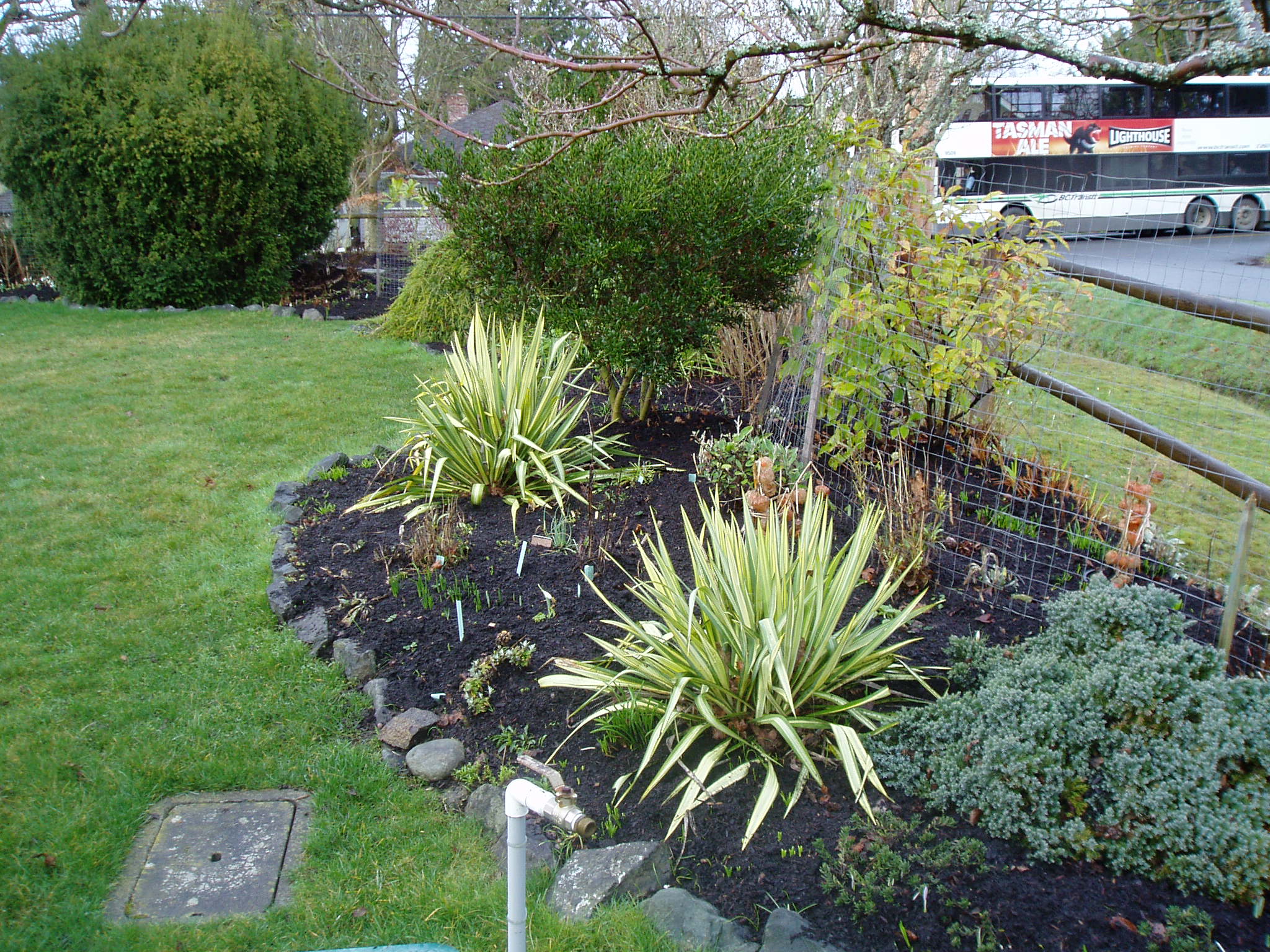
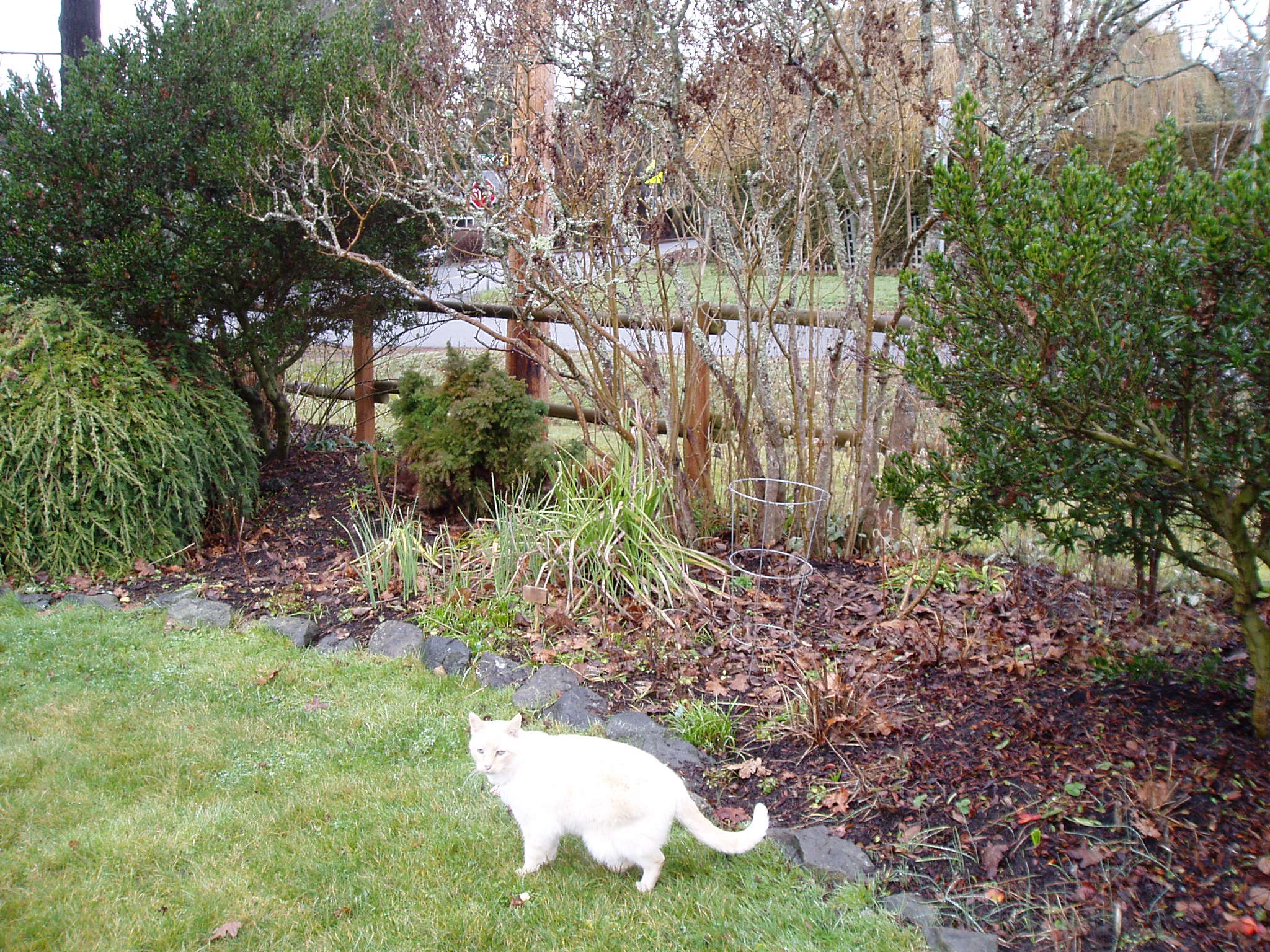
The garden has died back for the winter, and there’s a little more elbow room in those beds & borders.
The soil is soft enough to make dandelion digging fun & effective.
The last few scattered leaves give the garden a kind of messy look.
What to do?
MULCH !!
Mulching is for:
protecting tender roots & shoots from the cold
fertilizing the beds
giving the garden that ready-for-spring look
Fish compost is my choice of mulch. And yes, there’s usually a little fishy smell that lingers for a week or so… So now’s a good time, considering most of the neighborhood is staying indoors. 🙂
Plus, I’d rather not have that ocean odour in the spring garden when we’re wanting to smell the flowers.
photo by SVSeekins
It might be a bit early for spreading compost because seasonal rains may leach some nutrients away, but the garden is most open now. It’s faster to lay mulch without having to spread it carefully around spring growth.
As this garden features many winter bulbs, it’s nice to have the tidiest beds showing the early flowers to their best.
Before I know it, weeds will be popping up too. Covering their seeds NOW will slow them down & save me hours of weeding in spring.
photo by SVSeekins
Inspecting the beds gives me a chance to easily spot & remove the few weeds that are still around. I take a close look at what’s really happening in the garden:
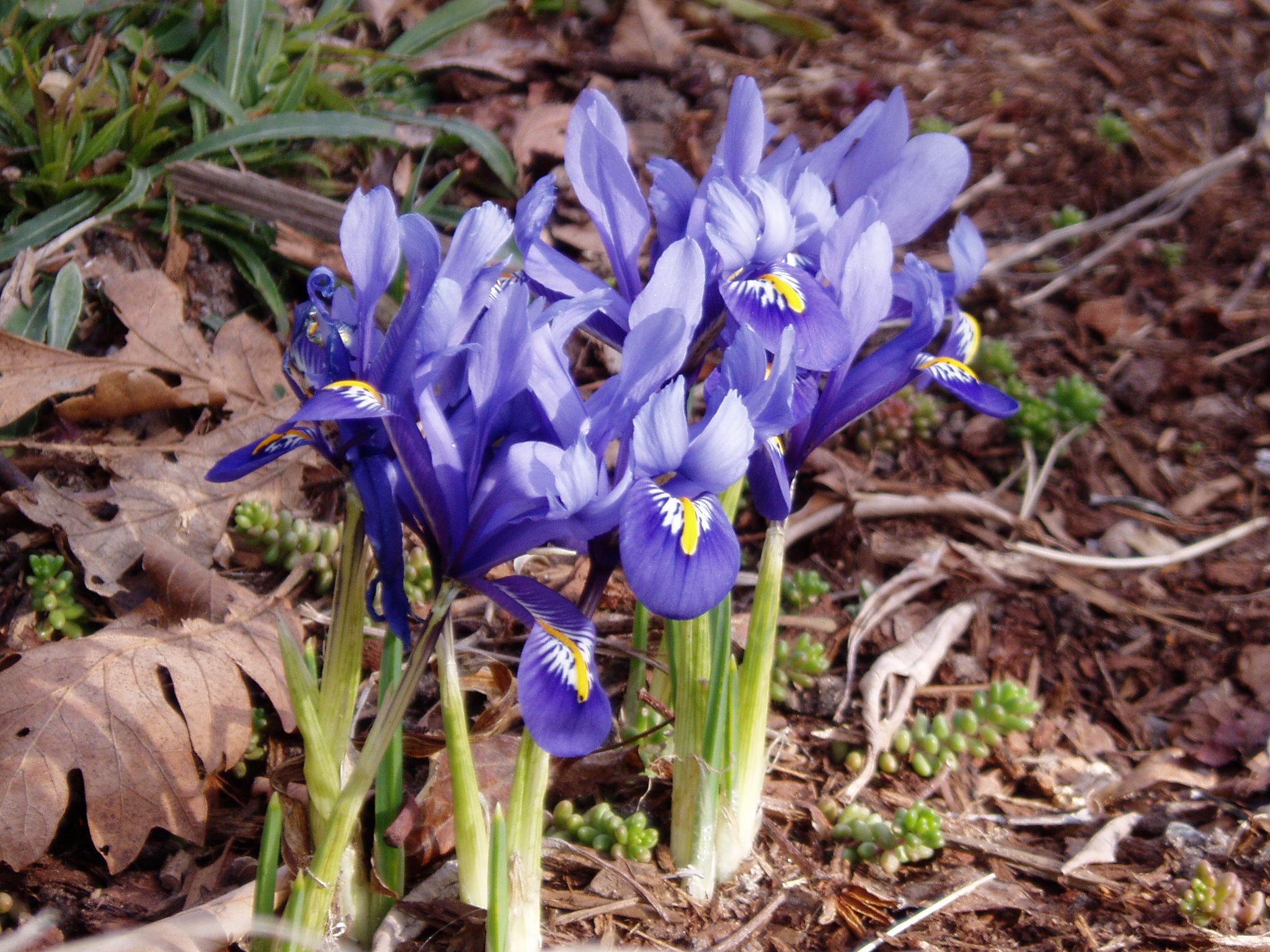
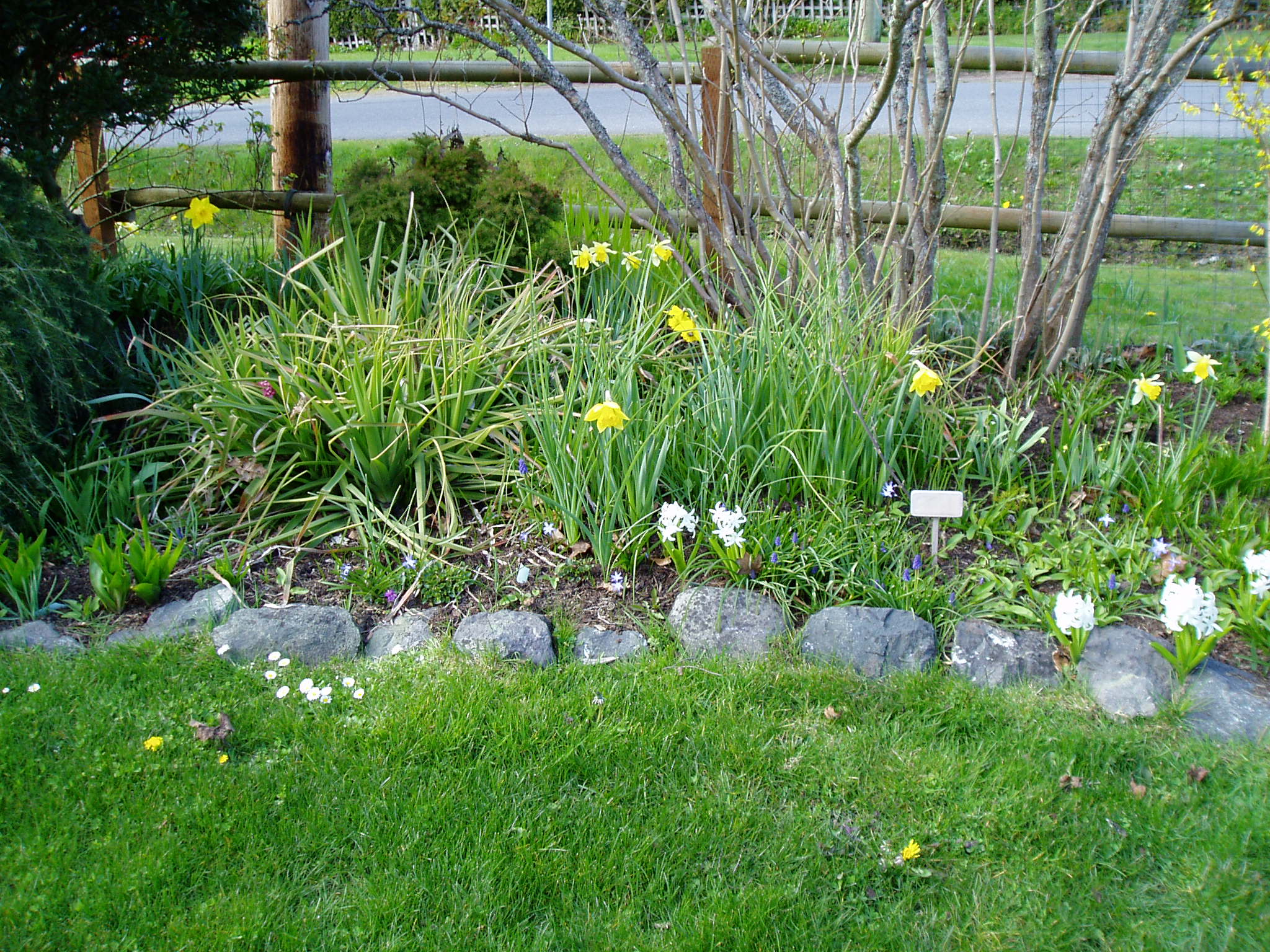
Bulbs are already poking out of the ground &
photo by SVSeekins
Sedum Autumn Joy is just showing signs of returning for the year.
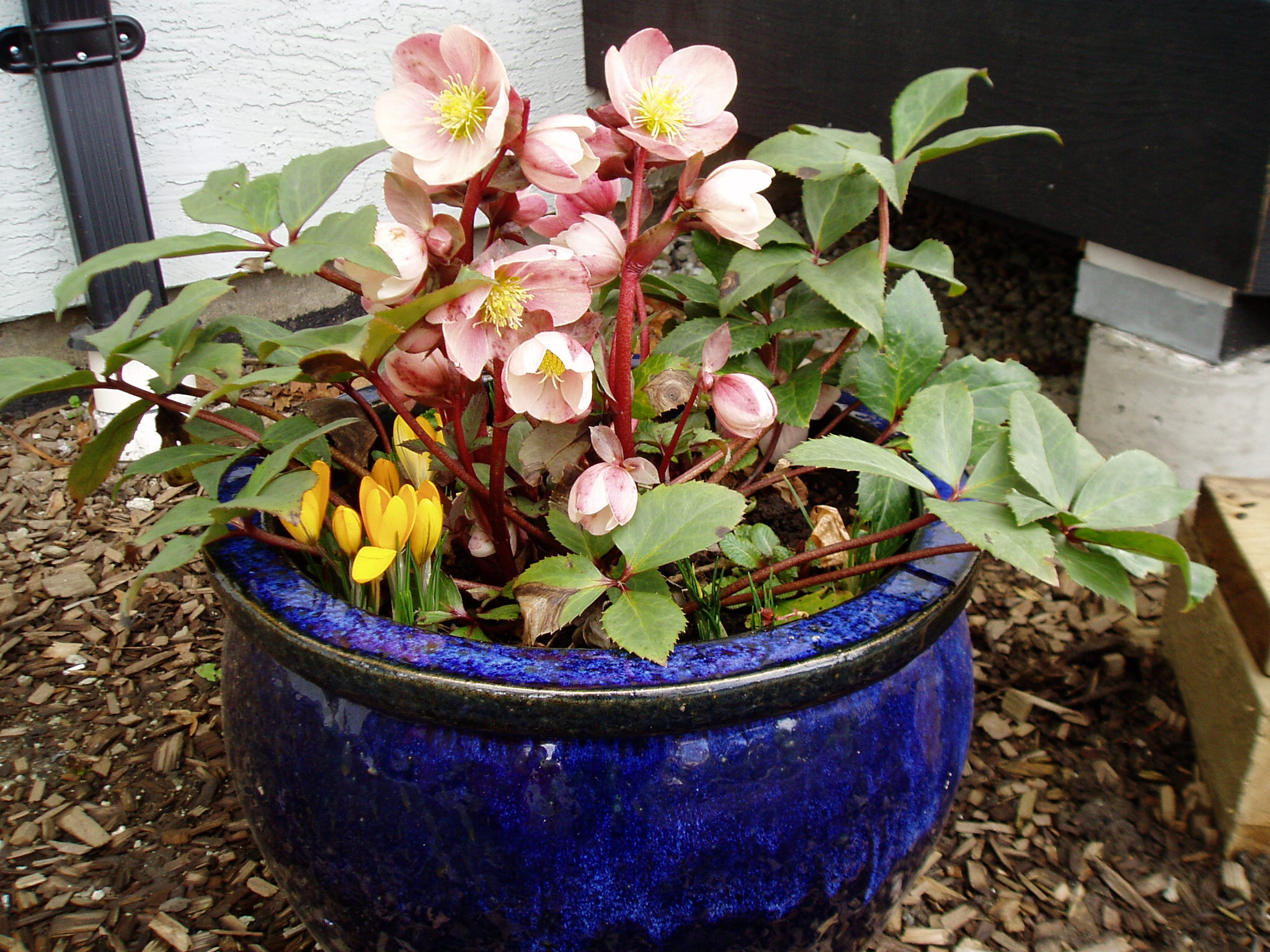
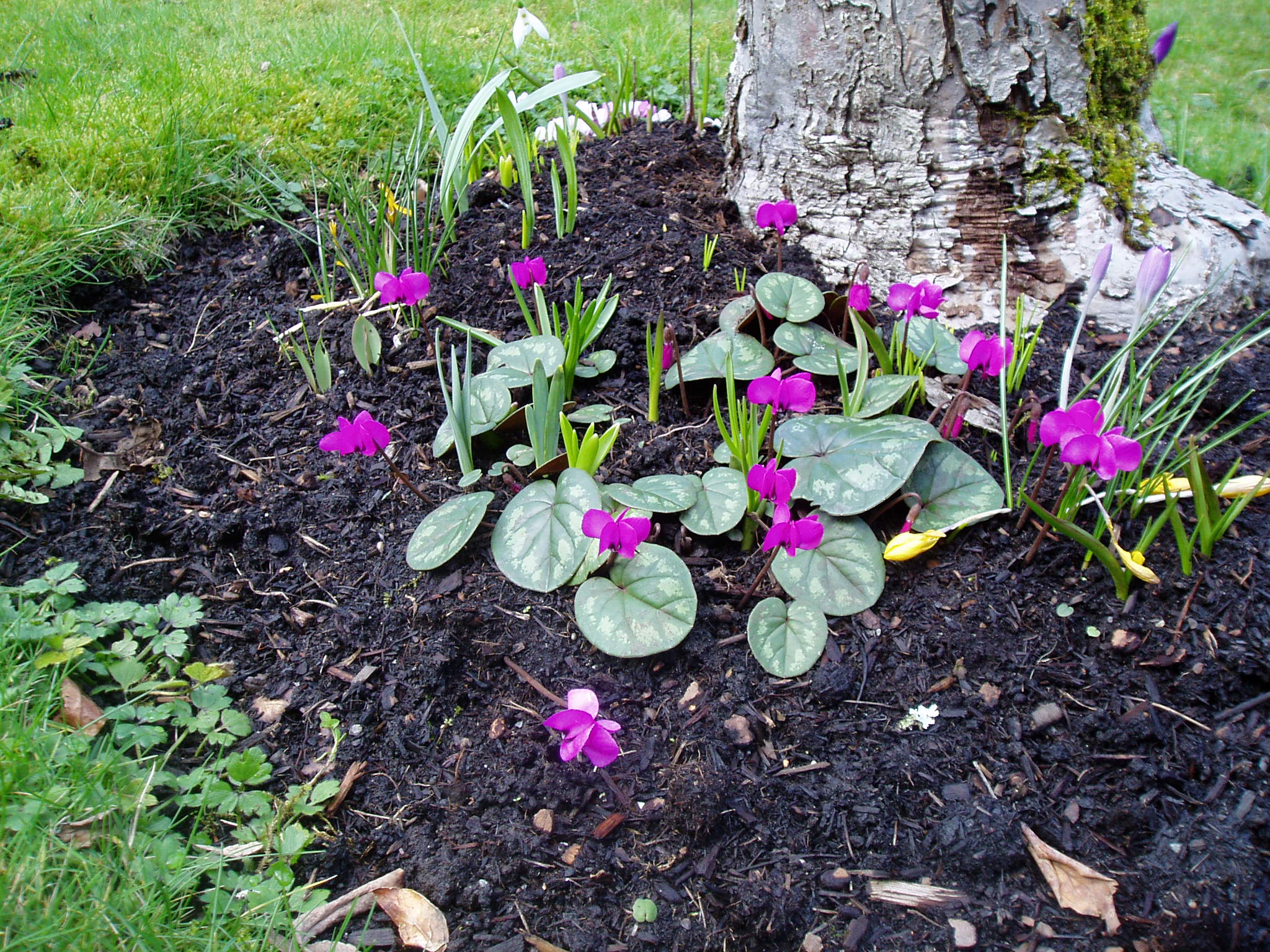
The delicate looking flower of the Cyclamen Coum is making its appearance.
photo by SVSeekins
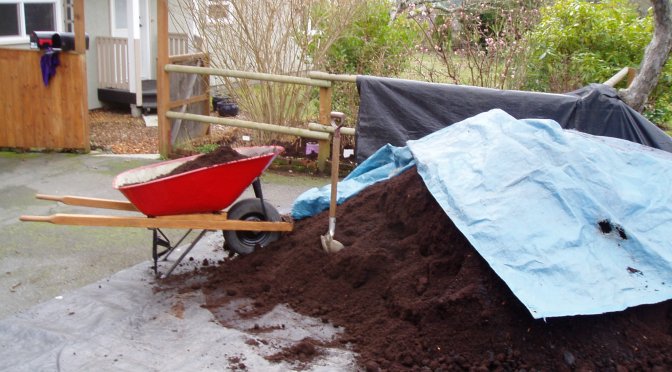
Preparing for the delivery of a BIG pile of black gold, I spread a big tarp on the driveway, keeping enough tarp aside for protecting it all from rain. (This mulch is otherwise pretty light!)
This year we had 5 yards of mulch delivered. It was an intimidating pile indeed. No question it was all needed in the gardens, but it would take some effort getting it there. 🙂
I paced myself, by moving about 1 yard each afternoon.
photo by SVSeekins
The many ice cream buckets & yogurt containers I’d tucked away particularly for this chore, came out of the depths of the shed. They make great covers for the few plants that don’t like mulch on their crowns.
photo by SVSeekins
The wheel barrel, grain shovel, & a couple of 5-gallon buckets are also my friends. They’re tools that require using different muscle groups so I got a little more work done before I petered out.
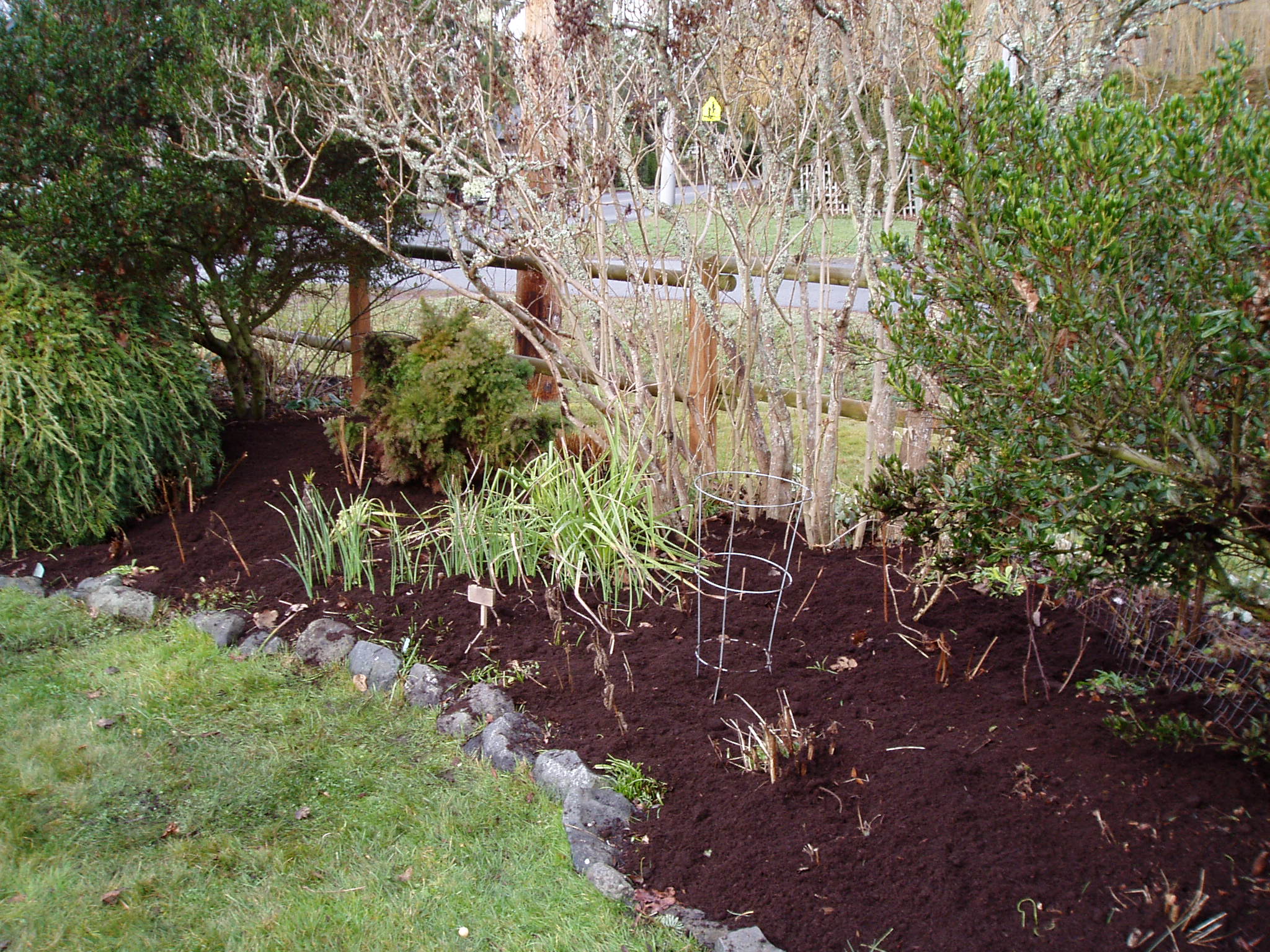
When it was completed, and all the tools cleaned & put away, I was happy knowing I had:
It’s a fabulous season for finding my inner guerilla. On my morning walk I noticed a bunch of healthy daphne / spurge-laurel beside a wooded trail.
I have a paradoxical relationship with daphne. I like it because its evergreen, drought tolerant, and deer resistant…
BUT the Coastal Invasive Species Committee call it invasive.
AND daphne has poisonous berries & wicked toxic sap that irritates eyes & skin.
BESIDES that – – there are less offensive options to replace daphne.
photo by SVSeekins
The rainy season & my mood convinced me that today I didn’t like it. So I decided to pull some daphne closest to the trail edge & my gloved hands.
I braced my feet,
bent my knees,
gripped the main stalk,
and PULLED.
Lo & behold the daphne slipped out of the ground easily! Roots and all! Woo hoo!
I felt like pounding my chest & letting out a guerilla roar!
I moved to another… and another. 🙂
photo by SVSeekinsphoto by SVSeekins
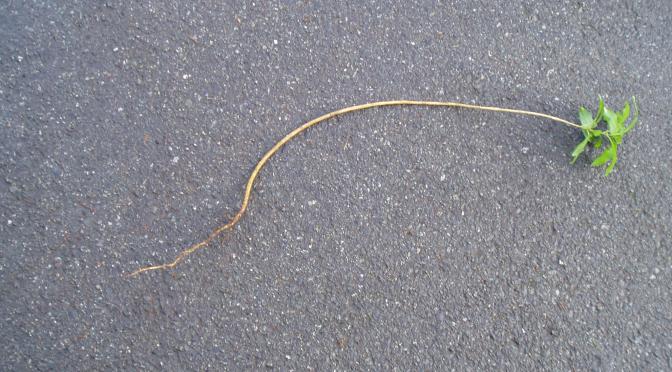
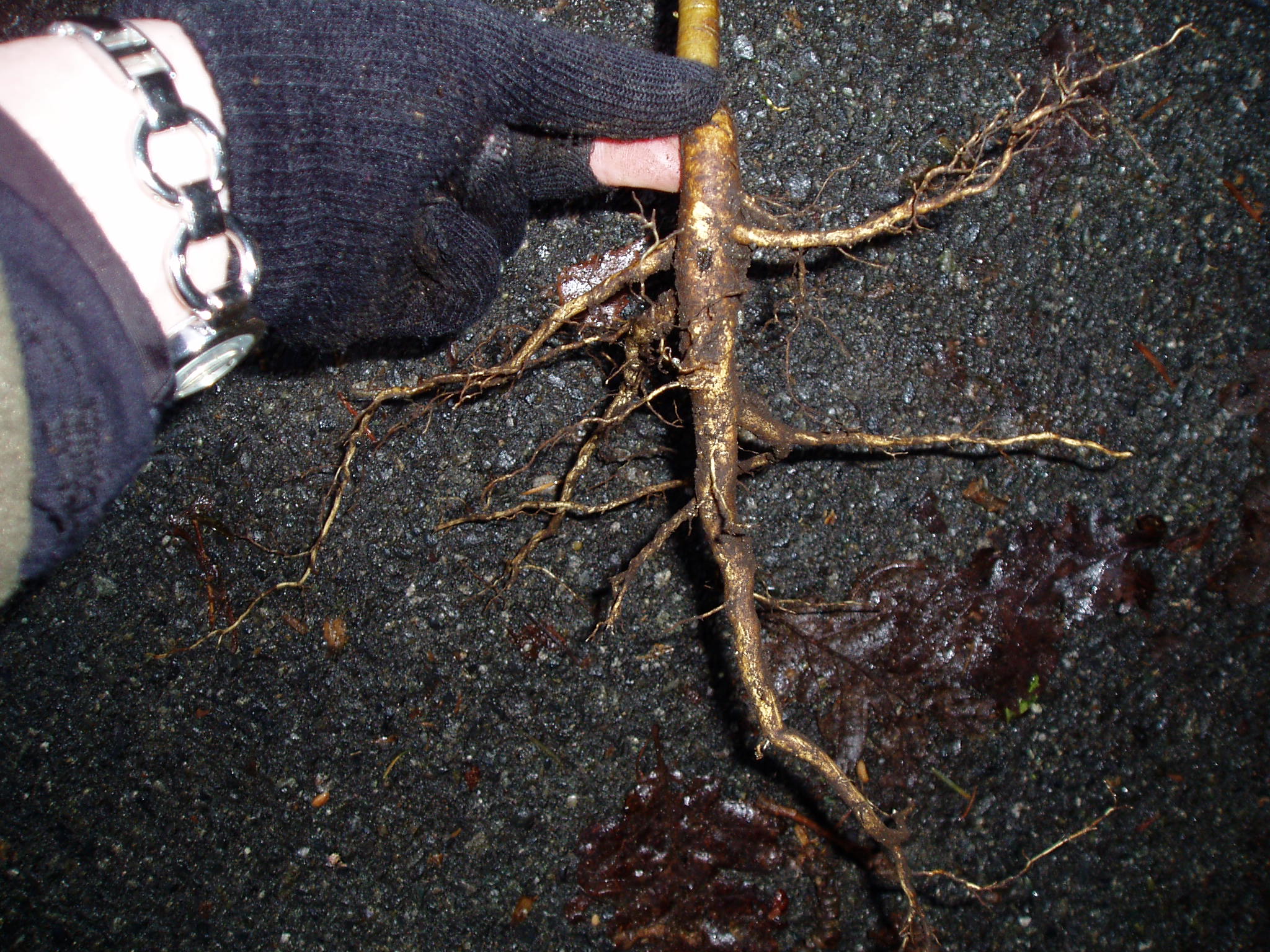
A young daphne has one primary root, so in winter’s wet soil it pulls out readily. If it’s a couple of years older, it has more developed roots securing it in the ground . Even so, it comes out without much trouble at all!
In about 10 minutes I pulled 86 daphne!
(Seriously!! I counted.)
photo by SVSeekins
There were more still standing beside the trail but I had places to go…
so I left those behind for another day.
This is certainly the best time of year to conquer daphne.
I reckon I’ll add a little daphne pulling to my morning walk.












 Garden Variety Life