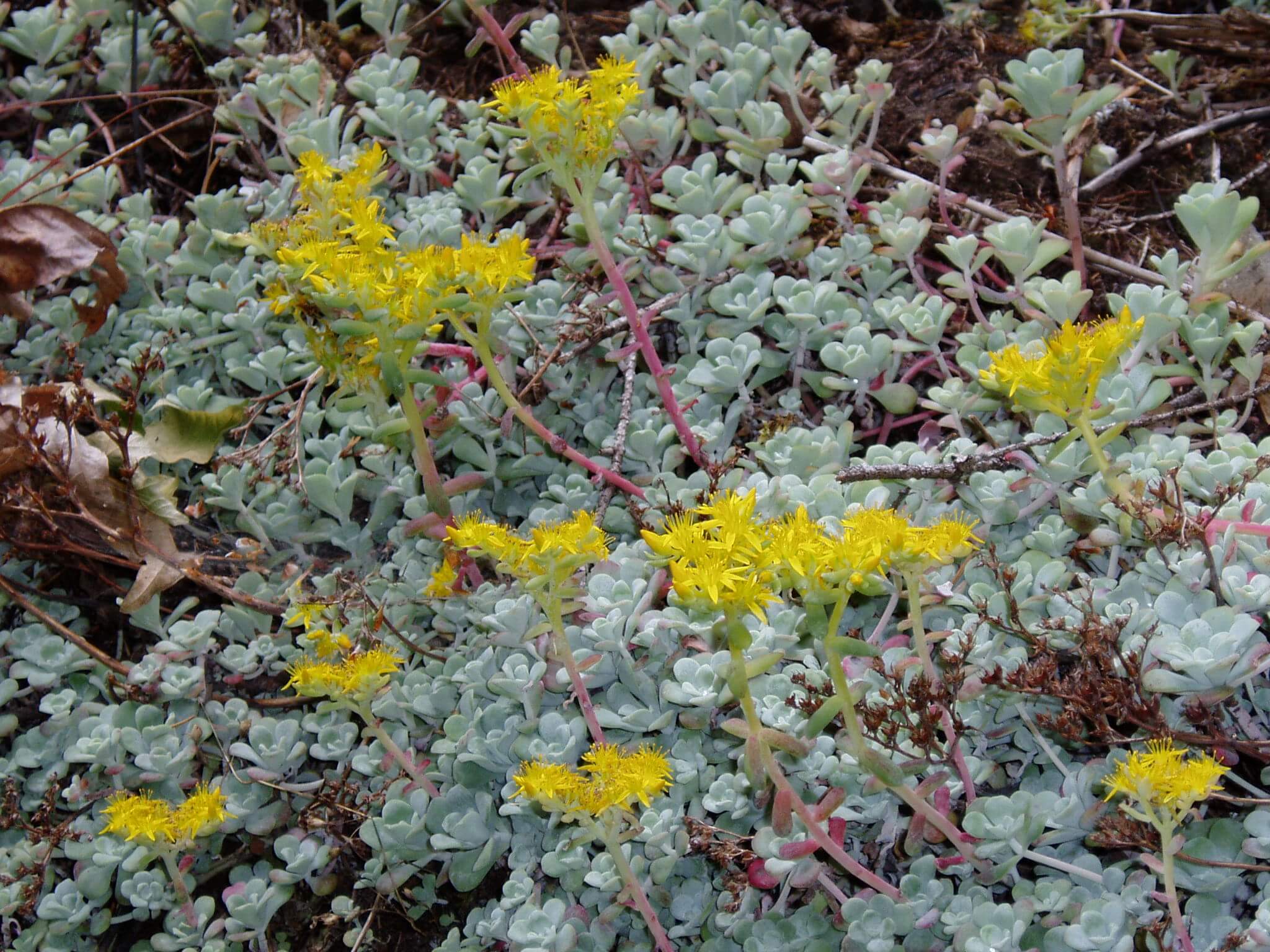
There it was, carpeting a cliff along the beach, one of the toughest plants I know. Broad-Leaved Stonecrop.
The rain drains quickly, rinsing nutrients from the rocky soil.
Drought-tolerant.
No need for feed.
A suitable candidate for planting on a green roof?
photo by SVSeekins
It clings & dangles tenaciously, spreading when leaning stems touch ground & sprout tiny roots. If a piece breaks off, it’s determined to grow right where it lands.
Resolved.
Insistent.
photo by SVSeekins
It seems content in shade.
In full sun, the succulent, spatula-shaped leaves change from grey-green to red.
Who needs flowers when foliage is so decorative?
photo by SVSeekins
But Sedum spathulifolium blooms, too — starry, bright yellow flowers in June. Happy flowers.
I welcomed this coastal native into my garden a couple of years ago & am not disappointed. Once placed in a gravelly patch, there’s not much to do with it. I leave it alone, & so do the deer. Score!
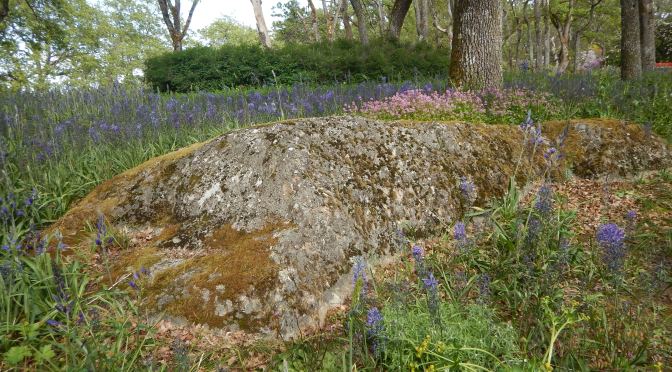
There seems to be a buzz about Playfair Park this spring – and it’s not just the pollinators. Several people have told me about how spectacular its Camas meadow is. Of course, I had to check it out.
photo by SVSeekins
I used to think that Camas meadows were beautiful gifts from Mother Nature, but it turns out she’s had a helping hand. First Peoples farmed Camas for its food value. Their work created more intense swaths of blue each spring. Left untended these fruitful fields decline & are overtaken by more dominant species.
photo by SVSeekins
The Camas fields that are now Playfair Park succumbed to invasive grasses and introduced species. Fortunately, volunteer Colleen OBrien came on the scene around 2010 with grand ideas, determination and stamina. Over many years she’s gained the respect & cooperation of Saanich Parks, and their Pulling Together Program.
photo by SVSeekins
The Common Camas bloom (Camas quamash) was pretty much over when I arrived, but the Great Camas (Camassia leichtlinii) was in full glory. I stopped in my tracks, slack-jawed. It was so much more intense than I’d expected.
photo by SVSeekins
What a joy to wander the paths of this paradise. The over-the-top spectacle of the Camas is complemented by a striking variety of native companion plants:
photo by SVSeekins
Seablush (Plectritis congesta) on rocky outcrops will grow happily at only ankle height. In a deep soil meadow, it reaches my knees in little explosions of pink joy.
photo by SVSeekins
Spring Gold (Lomatium utriculatum) is the most recognized punch of color contrasting the Camas. Even its ferny foliage contrasts the long straps of the Camas leaves. The flat tops are great landing pads for pollinators to gather their wits until they decide where in this smorgasbord to head next.
photo by SVSeekins
Western Buttercup (Ranunculus occidentalis) is the royal relative of the common creeping weed that is the bain of Seekers-Of-The-Perfect-Lawn. This tall cousin also has a long bloom but is welcome in my garden anytime.
photo by SVSeekins
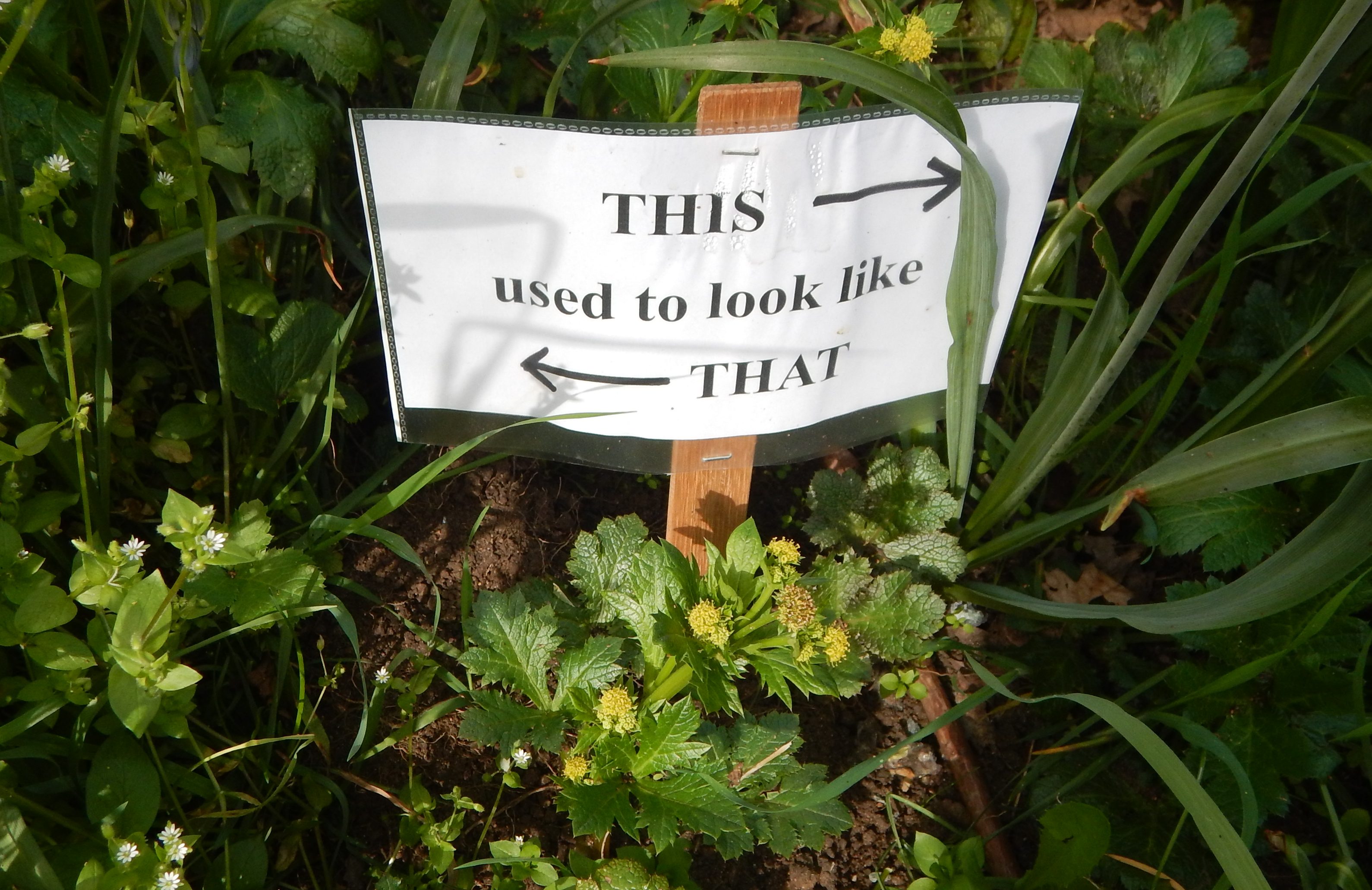
Pacific Sanicle (Sanicula crassicaulis) is a sturdy plant with palm-shaped leaves at its base & small pom-pom flowers on tall stems. Its deep tap-root reaches moisture even when the summer drought kills off other plants.
photo by SVSeekins
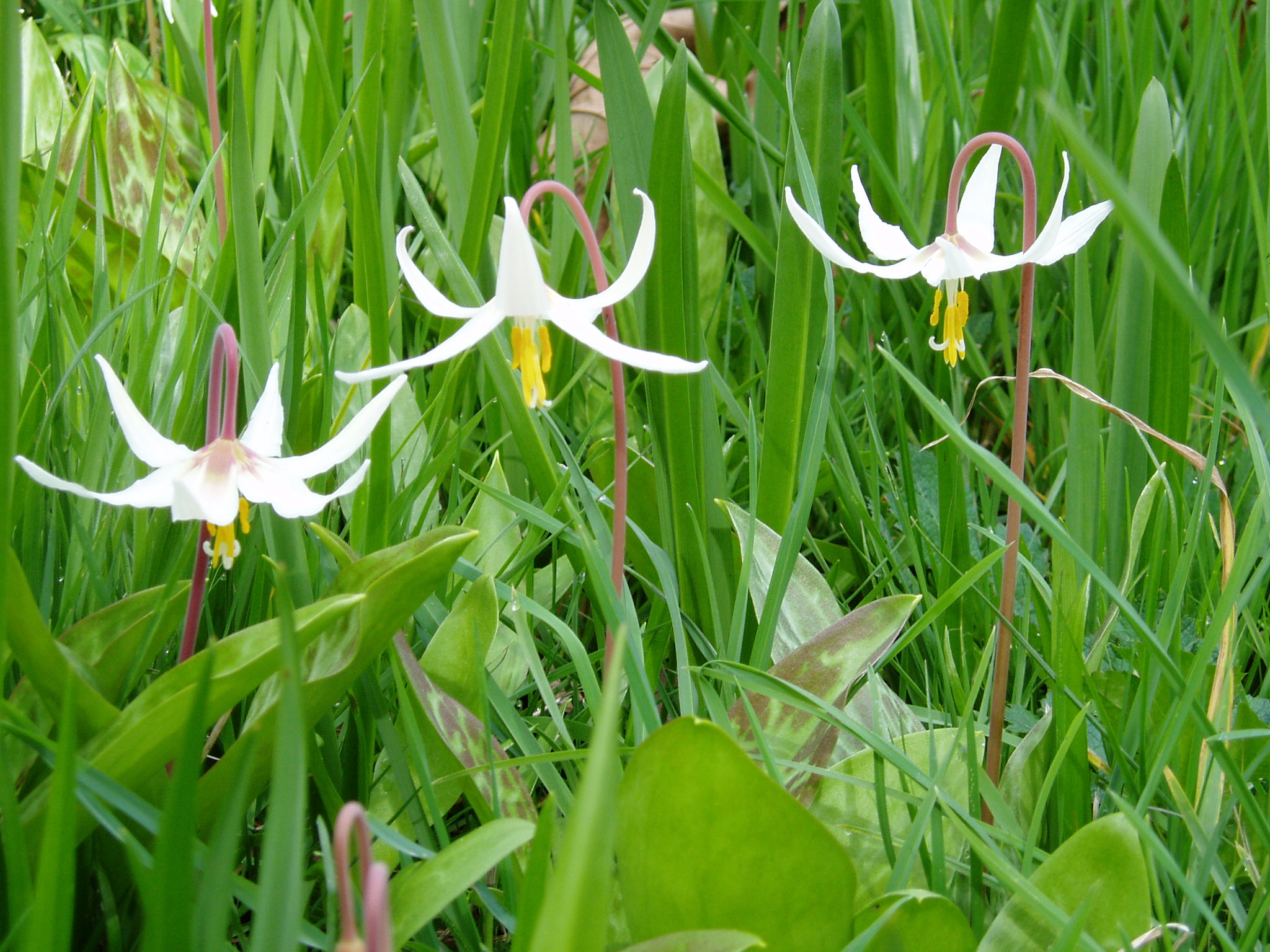
Fawn Lily (Erythronium oregonum) blooms early, often with the first of the common Camas. The white of the lily is a dramatic pop of contrast against the blue of the Camas. By the time the taller Great Camas blooms, the fawn lily bloom is completed and it’s setting seed.
photo by SVSeekins
Shooting Stars (Dodecatheon hendersonii) are spectacular on their own with their delicate, cyclamen-like blooms. They’re early bursts of colour in rocky outcrops and path edges. Once the taller Great Camas start to bloom, the Shooting Stars are easily overlooked.
photo by SVSeekins
Chocolate Lily (Fritillaria affinis) is much larger in stature (knee-high) but its color is so muted that it’s also easily overlooked among the blooming Camas. Sightings are few & far between. SM spotted a patch of them beneath a tree & pointed them out, otherwise I’d have walked past unknowing. Perhaps there are more around than I realized… perhaps not.
photo by SVSeekins
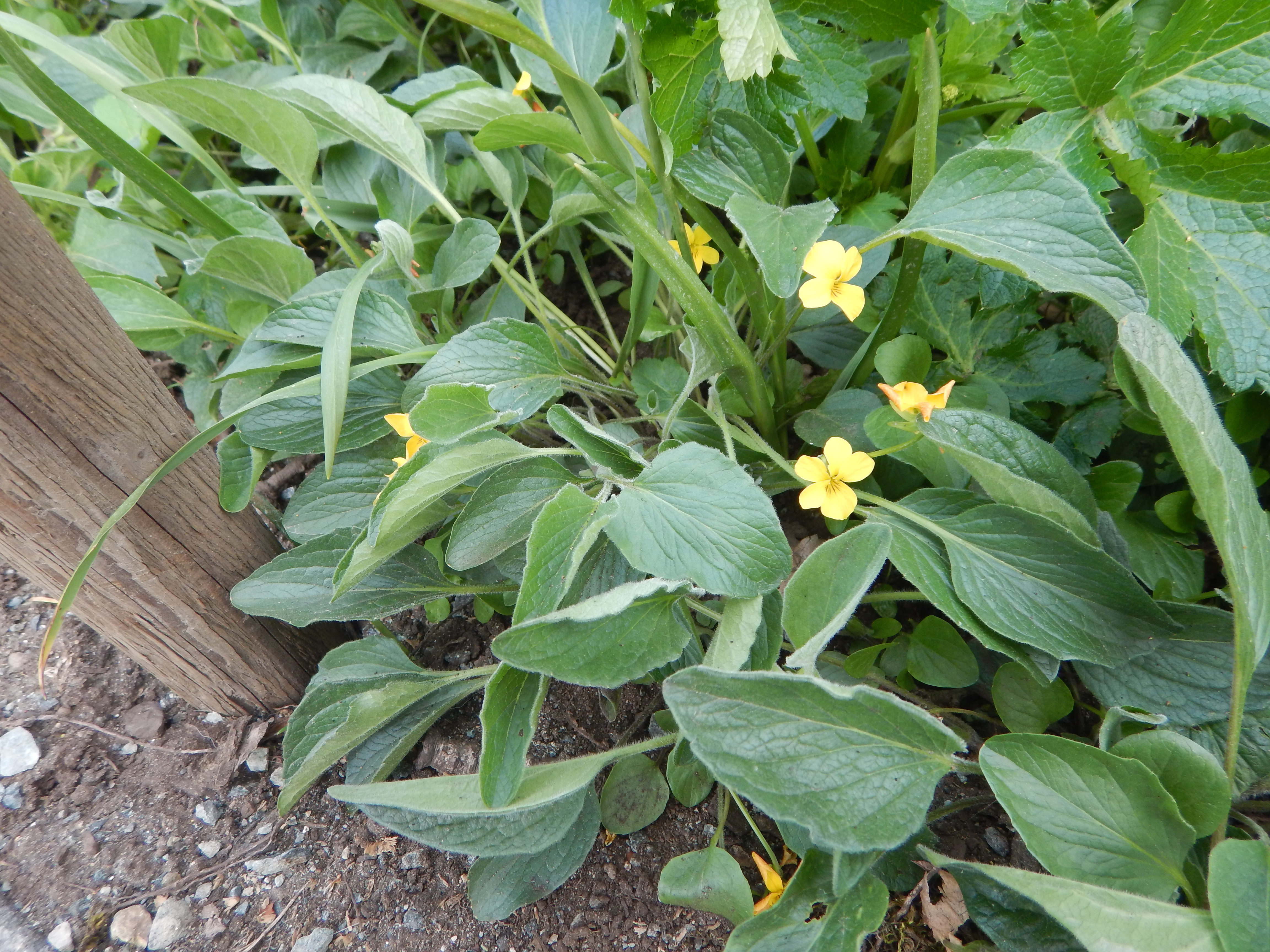
Yellow Montane Violet (Viola praemorsa) is the darling of the meadow. When Colleen first started the restoration, she was over the moon to find this endangered plant surviving. It’s red-listed in BC. Now, because of her attention, others have taken up the cause & also work at restoring populations.
photo by SVSeekins
This piece of land has gone through many changes since colonization. I’m glad that it was protected from more intense development. In the 50’s the park was ear-marked for an arboretum, but that didn’t go beyond the incredible planting of rhododendron that’ve made the park famous for decades.
photo by SVSeekins
I don’t think anyone really expected that those spring-blooming Rhododendrons would ever play second fiddle to this renewed native landscape. Colonization meets nature in this lovely garden.
So very carefully, I dug some wild violets from our Cedar Hill garden to transplant at our new home, hoping they’d survive the move. They’ve thrived. 🙂
photo by SVSeekins
That was 10 years ago.
The small patch of viola did so well I shared them around, planting them in other beds & borders. They grew happily in pretty much any situation.
Undaunted. Workhorses.
photo by SVSeekins
And then some emigrated to the lawn.
Determined.
Now, each spring, their swath of purple blooms signals that soon, the rest of the garden will be bursting with colour too.
photo by SVSeekins
I just have to smile. Some folks bemoan the fact that once violets get into the lawn, there really is no going back. Fortunately, C has relaxed his goal of a monocultural, grassy lawn.
Who can complain about a city meadow of wildflowers that rarely grows high enough to mow?
Or tough-as-nails groundcover that stays green through our dry summers?
The identification of violets isn’t as easy as I expected. There are well over 500 species worldwide, with many indigenous to North America.
For a long time, I figured this little gem was the Common Blue Violet (Viola sororia), but those are from the continent’s eastern side. Now I reckon it is either the Western Dog Violet (Viola adunca) or the very similar Alaska Violet (Viola langsdorfii) – both common on Vancouver Island.
photo by SVSeekins
I consider it a special bonus that these lawn jewels are native to the Pacific Northwest (and beyond) — because for local wildlife, especially spring pollinators, this is comfort food.
Wild violets have been an addition to human diets as well – long before they became trendy as colour in salads. I can’t say I’ve gathered any for supper, but thinking of our lawn as an extension of the veggie garden is kind of cool.









 Garden Variety Life