Category Archives: gardens with wildlife

living around wildlife

Conquering Daphne

It’s a fabulous season for finding my inner guerilla.  On my morning walk I noticed a bunch of healthy daphne / spurge-laurel beside a wooded trail.

I have a paradoxical relationship with daphne.
I like it because its evergreen, drought tolerant, and deer resistant…
BUT the Coastal Invasive Species Committee call it invasive.
AND daphne has poisonous berries & wicked toxic sap that irritates eyes & skin.
BESIDES that – – there are less offensive options to replace daphne.

daphne beside trail
photo by SVSeekins

The rainy season & my mood convinced me that today I didn’t like it.  So I decided to pull some daphne closest to the trail edge & my gloved hands.

I braced my feet,
bent my knees,
gripped the main stalk,
and PULLED.

Lo & behold the daphne slipped out of the ground easily!  Roots and all!  Woo hoo!

I felt like pounding my chest & letting out a guerilla roar!

I moved to another… and another.   🙂

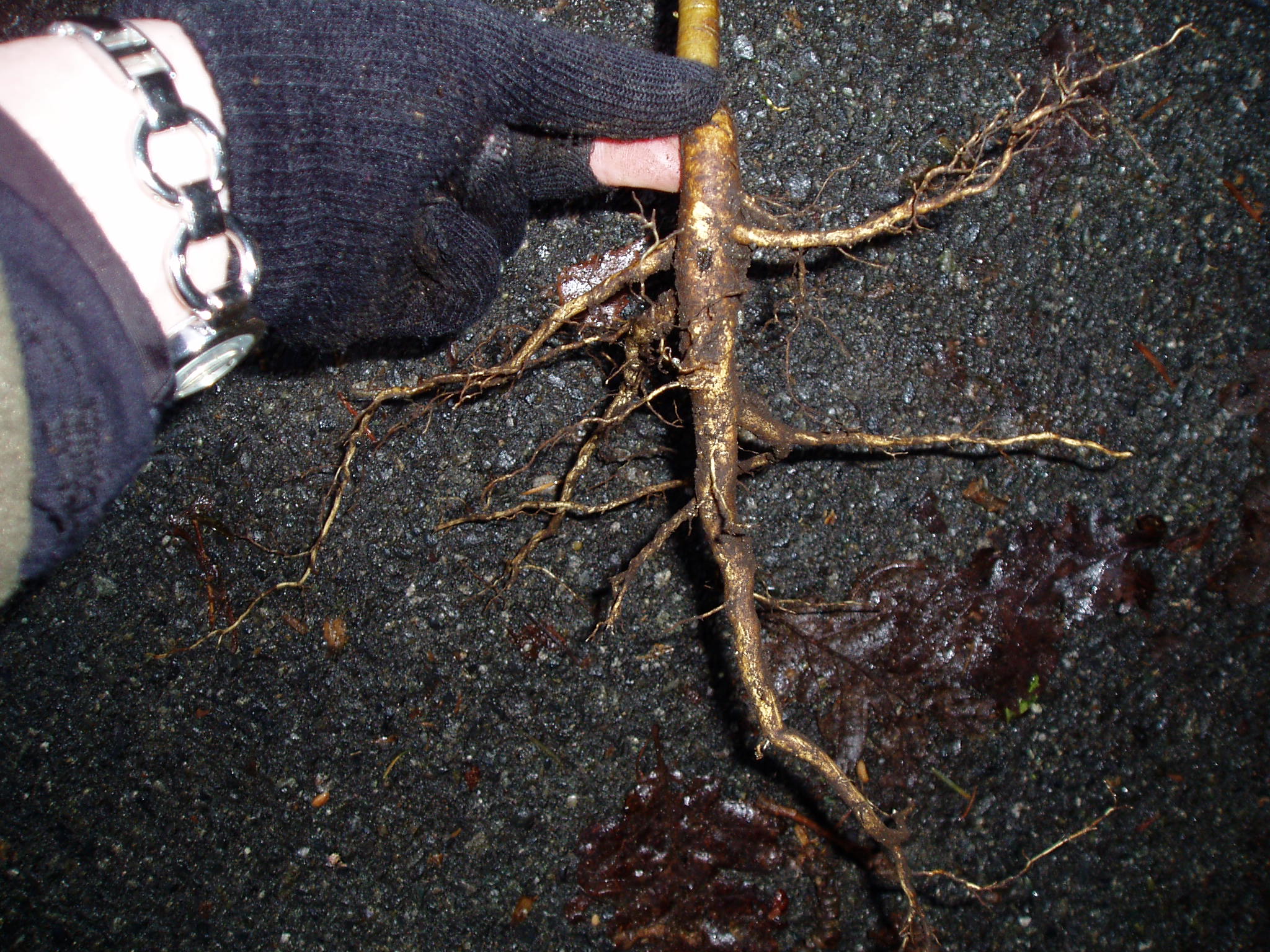
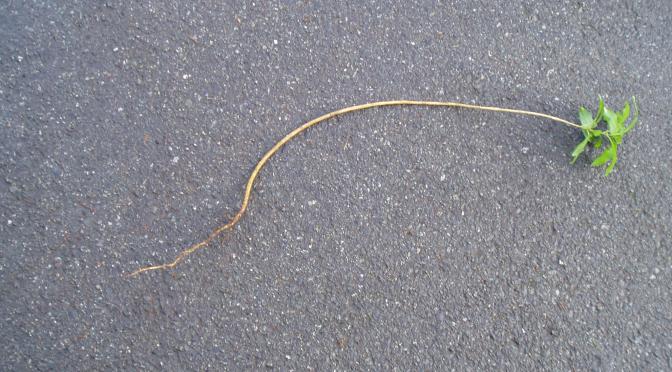
tap root of a young daphne ws
photo by SVSeekins
developed root of an older daphne
photo by SVSeekins

A young daphne has one primary root, so in winter’s wet soil it pulls out readily.  If it’s a couple of years older, it has more developed roots securing it in the ground .  Even so, it comes out without much trouble at all!

In about 10 minutes I pulled 86 daphne!
(Seriously!!  I counted.)

daphne pulled in about 10 minutes
photo by SVSeekins

There were more still standing beside the trail but I had places to go…
so I left those behind for another day.

This is certainly the best time of year to conquer daphne.

I reckon I’ll add a little daphne pulling to my morning walk.

How’s this for an exercise regimen:

  • get fit
  • roar like a guerilla
  • AND conquer an invasive!

Why not?

-30-
© SVSeekins and Garden Variety Life, 2014

Early Camellia

Camellia is one of my favourite broadleaf evergreens.  It blooms early, then works hard as background support the other 3 seasons. Several birds make themselves at home in the camellia in our courtyard  – – AND the shrub is deer resistant!   That’s my kind of plant.     🙂

camelia in december, at LD downtown
photo by SVSeekins

A few years ago, I spotted a hedge of camellia in downtown Victoria, beside London Drugs. They were almost finished blooming in mid-December!   I have no idea how early they’d started… November?  October??

Who’d have expected blooms in autumn?

Camellia japonica apple blossom, Joy Sander, Camellia sasanqua,, garden Victoria, Vancouver Island, BC, Pacific Northwest
photo by SVSeekins

Not long after that, KC gifted me with a fall-blooming camellia.  It starts blooming before Christmas and has even more flowers through January!

Yeah, Baby!

Once I knew it was possible to have blooms so early in the year, I kept an eye out for even more samples around town:

It was delightful to find another variety of camellia starting to bloom in mid-February sunshine near the BC Legislature.

Just a month later, in March,  I notice these camellia blooming in a yard not far from the YM-YWCA downtown.

A block or so away from our place is a camellia that flowers through April.

Then there is the camellia in our courtyard typically begins blooming in April & is in full blossom in May.

Autumn… winter… spring…

Who knew there are so many cultivars with differing blooming schedules?

-30-
© SVSeekins and Garden Variety Life, 2014

Garden Chores For Birds

goldenrod & Shasta daisy blooming in august
photo by SVSeekins

So much for the golden haze of summer.  It’s been below freezing here for almost a week.  That’s not a complaint, because we’re cozy inside, but I feel badly for the creatures living outdoors.

A couple of winters ago C & I started hanging a suet log.  The birds love it!

They also clean it out fairly quickly – –  which means one of us must refill it.  We’re pretty good at that, but not perfect.  😦

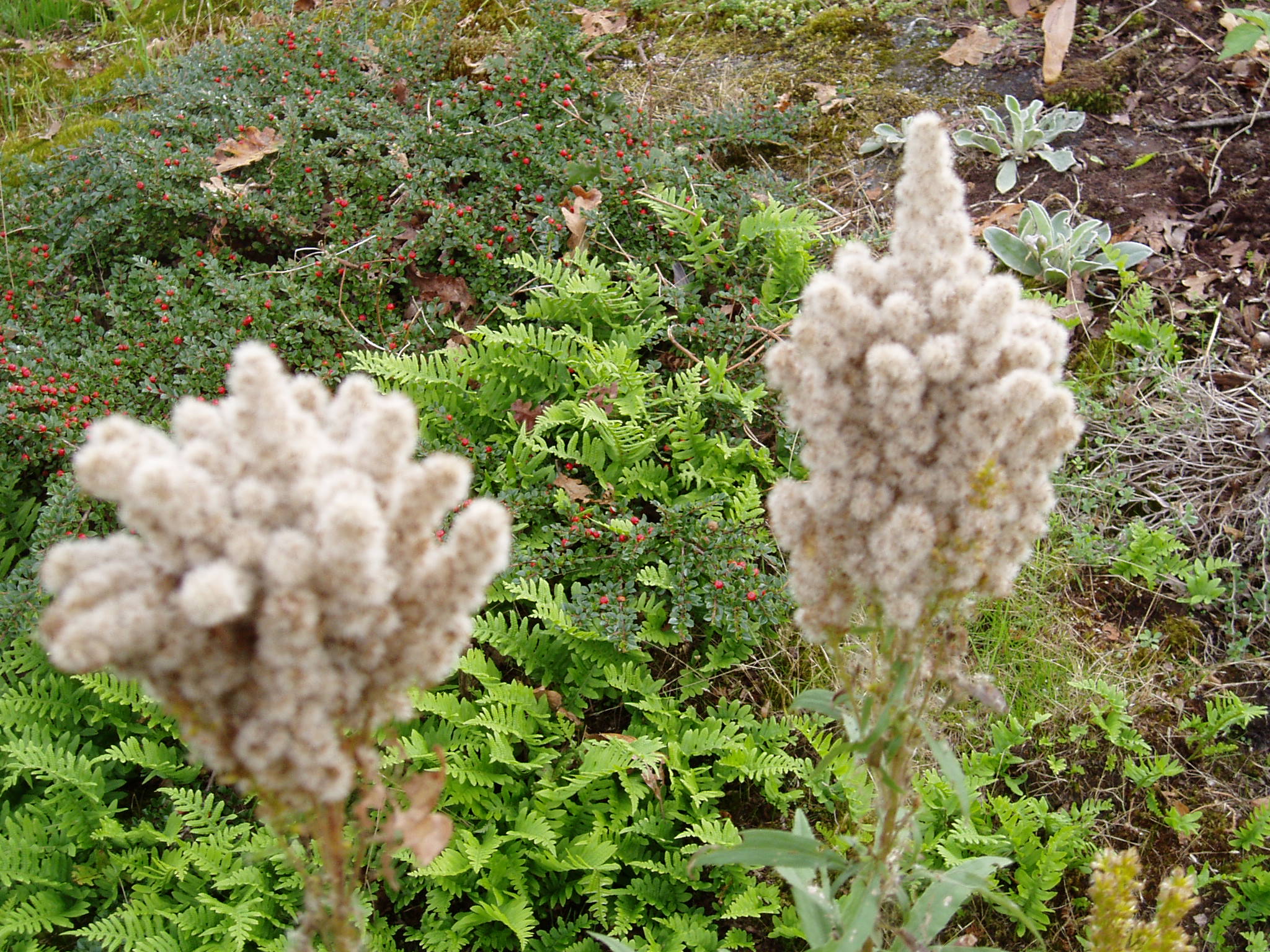
goldenrod gone to seed
photo by SVSeekins

This autumn I decided to make a change in garden maintenance that would help out the birds just a little more.  I chose to NOT cut back some of the perennials when their bloom finished. I reckon the seed heads might come in handy when the suet log is empty.

Goldenrod has really funky looking seed heads. This perennial is native to North America, so I figure the birds have learned to make use of it over the centuries just as the First Peoples did.

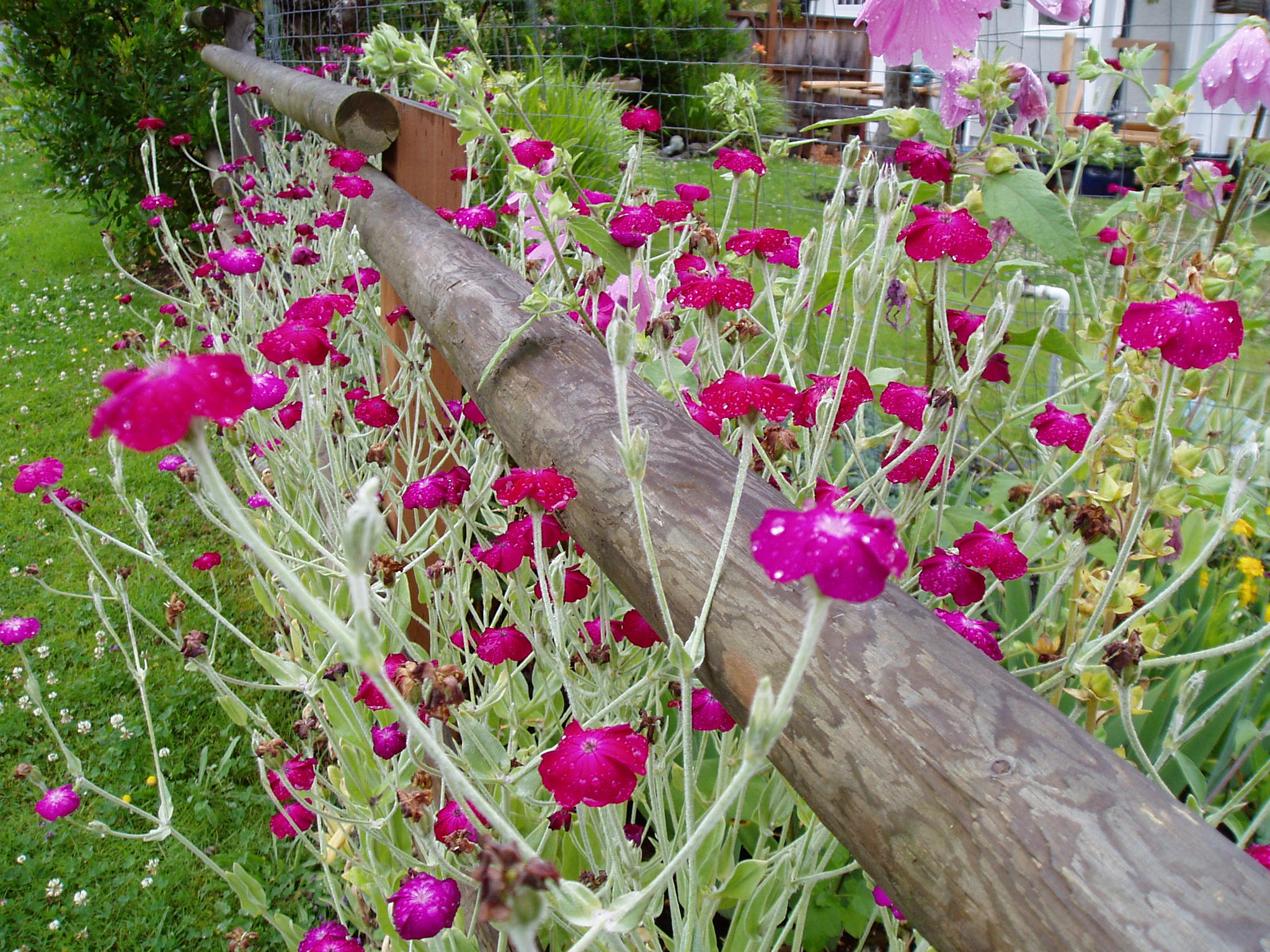
lychnis in bloom
photo by SVSeekins

And if the birds don’t eat these seeds, perhaps they’ll use the fluff to insulate their nests?

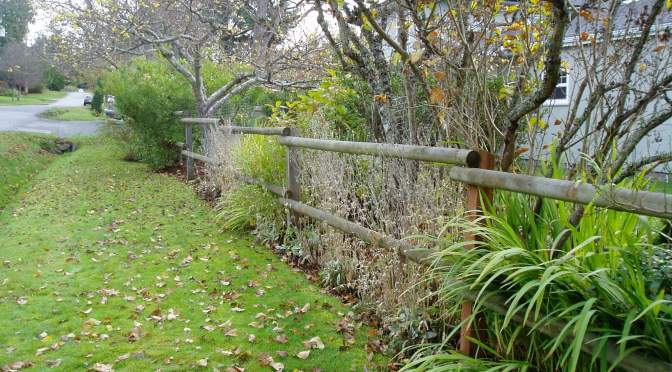
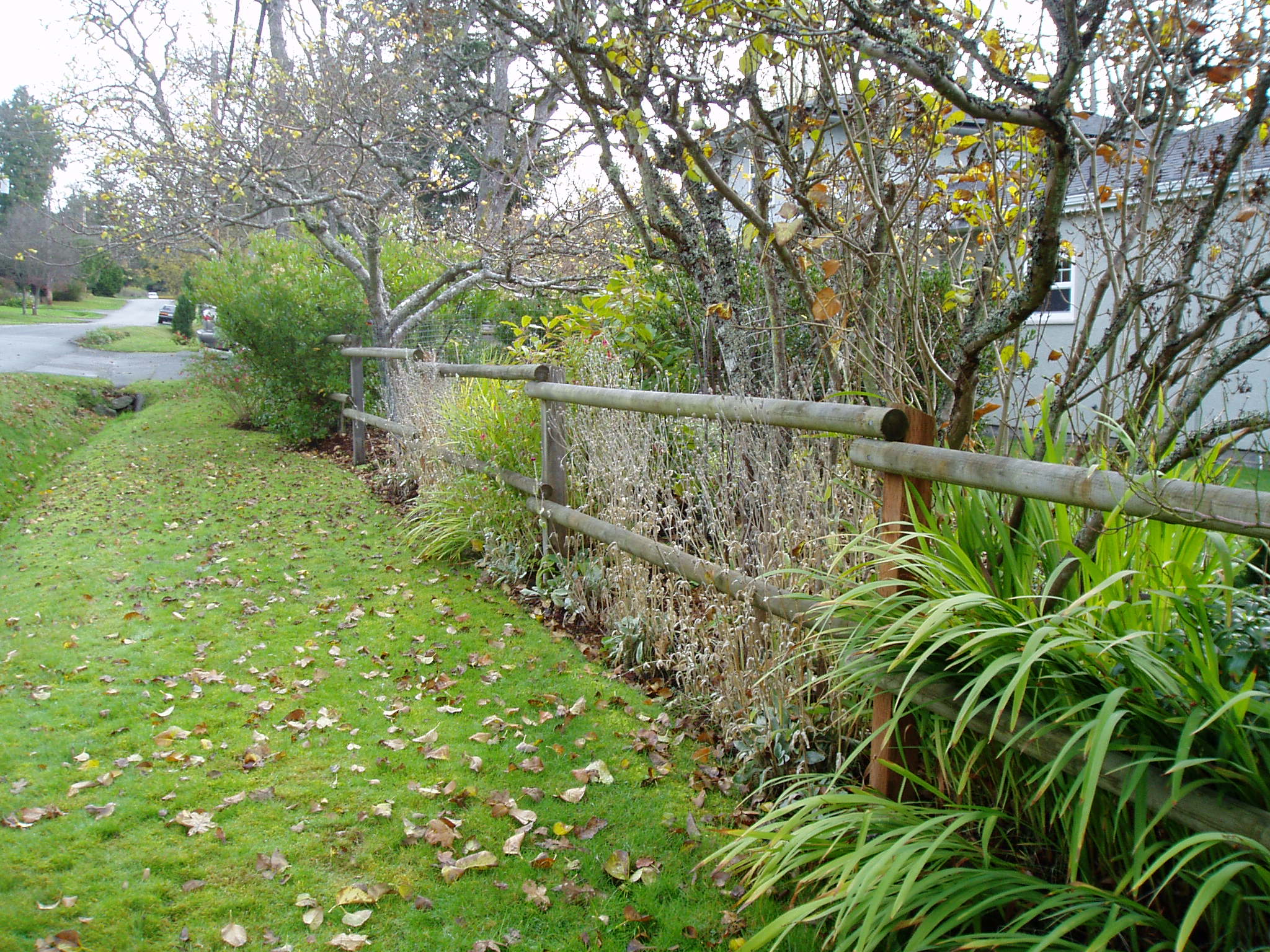
ernest fenceline in november
photo by SVSeekins`

Lychnis is another with great summer blooms & and an abundance of winter seed.  This patch along the fenceline is left standing in hopes it’ll be useful for the birds too.

Happily I’m not worried about those seed heads foretelling a full future for weeding.  We mulch the garden beds quite heavily, which (aside from keeping roots warm) has the added benefit of slowing down scattered seeds turning into unwanted plants.  

But hopefully the seeds will all be eaten before my pruning hand become so itchy that I just HAVE TO cut the plants back for tidiness sake. (I have good intentions, but I also know my nature.)

Even as we speak the crocosmia & the hardy fuchsia are dying back & will soon be luring me outside to tidy up.

-30-
© SVSeekins and Garden Variety Life, 2013

You might also consider:

Enter your email address to subscribe to this blog and receive notifications of new posts by email.