When watering the garden a hummingbird followed me around just to play in the spray. It was a Disney moment. 🙂
Irrigation
The first 2 weeks of August are the driest of the whole year. Watering is the main garden activity for me in August. Pulling the hose around myself helps me keep a really close eye on what the plants are up to… but an automated watering system sure is tempting sometimes!
Baskets & pots dry out quickly. They can benefit from a drink every day.
A good top-dressing of mulch sure helps keep the moisture in the soil where plants can get it, rather than having all that water evaporate in the sunshine.
Seed Saving
photo by SVSeekins
After the flowers finish up, the plant sets seed. Before the pods open I like to pick & distribute them into areas where more are welcome next year
eg. snapdragon… goldenrod… lychnis…
Fertilizing
photo by SVSeekins
A dose of fertilizer in the shrub & flower beds early in the month wraps up that chore for the year. It’s better to let the season’s growth harden off so it can survive the tough weather in winter.
Keep up fertilizing the hanging baskets as they’re primarily annuals that don’t overwinter. It’s nice to keep the show going as long as possible.
It’s always tempting to buy new plants. I try to keep in mind that all new plants, even drought tolerant ones, need watering during the first couple seasons. Their roots haven’t reached deep into the soil where the moisture stays, so they need surface water every couple of days. If I succumb to temptation, the new pots go into a bed near the tomatoes, where I’m more likely to water them often. (They’ll be planted out into the beds in October when the rains come.)
Weeding
photo by SVSeekins
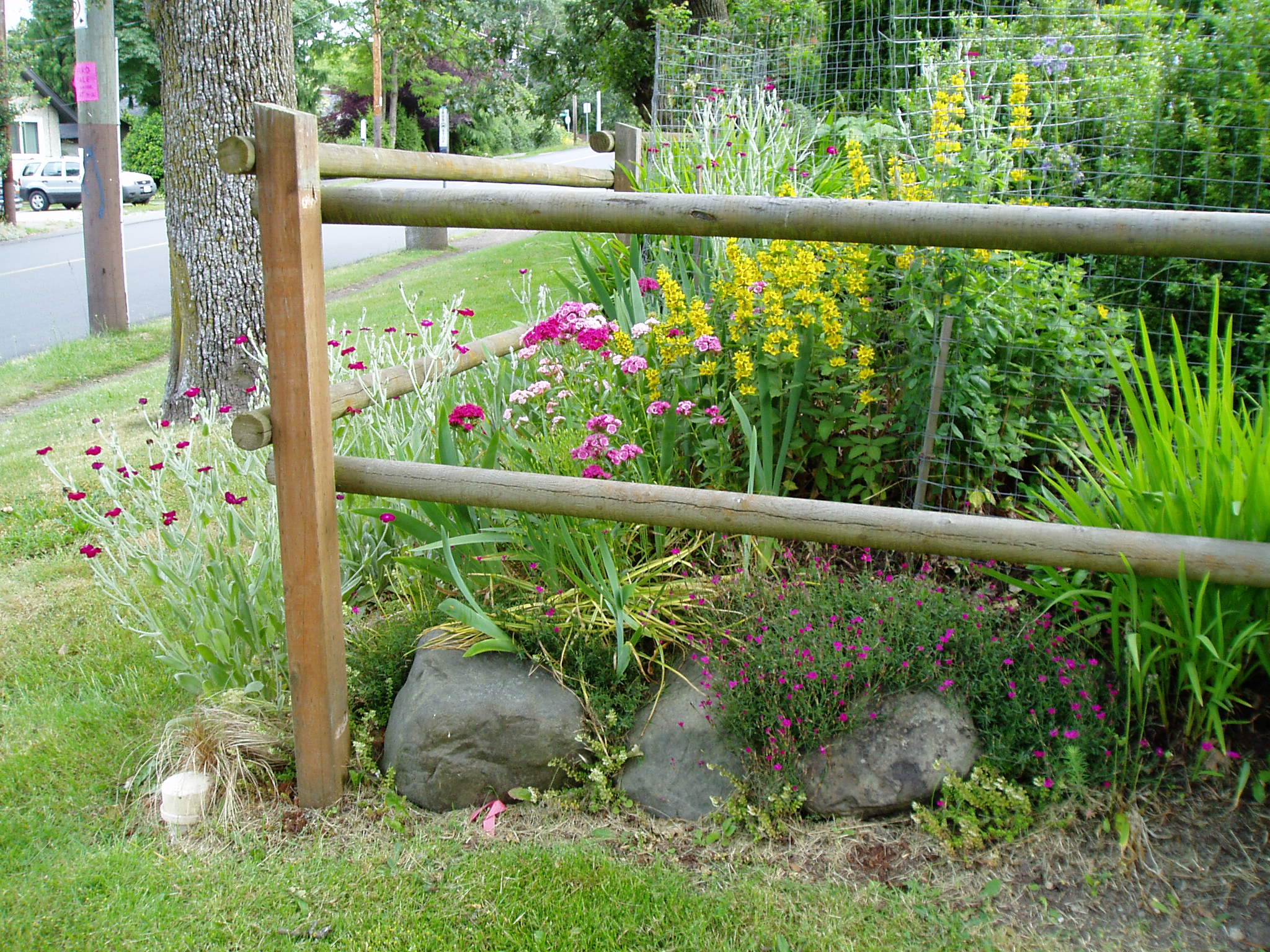
Dead-heading spent blooms can spur plants into another flush of flowers. Delphinium & hardy geranium are into their 2nd flush of flowers 🙂
In other cases, like shasta daisies, deadheading is key to stopping its offspring from taking over the world!
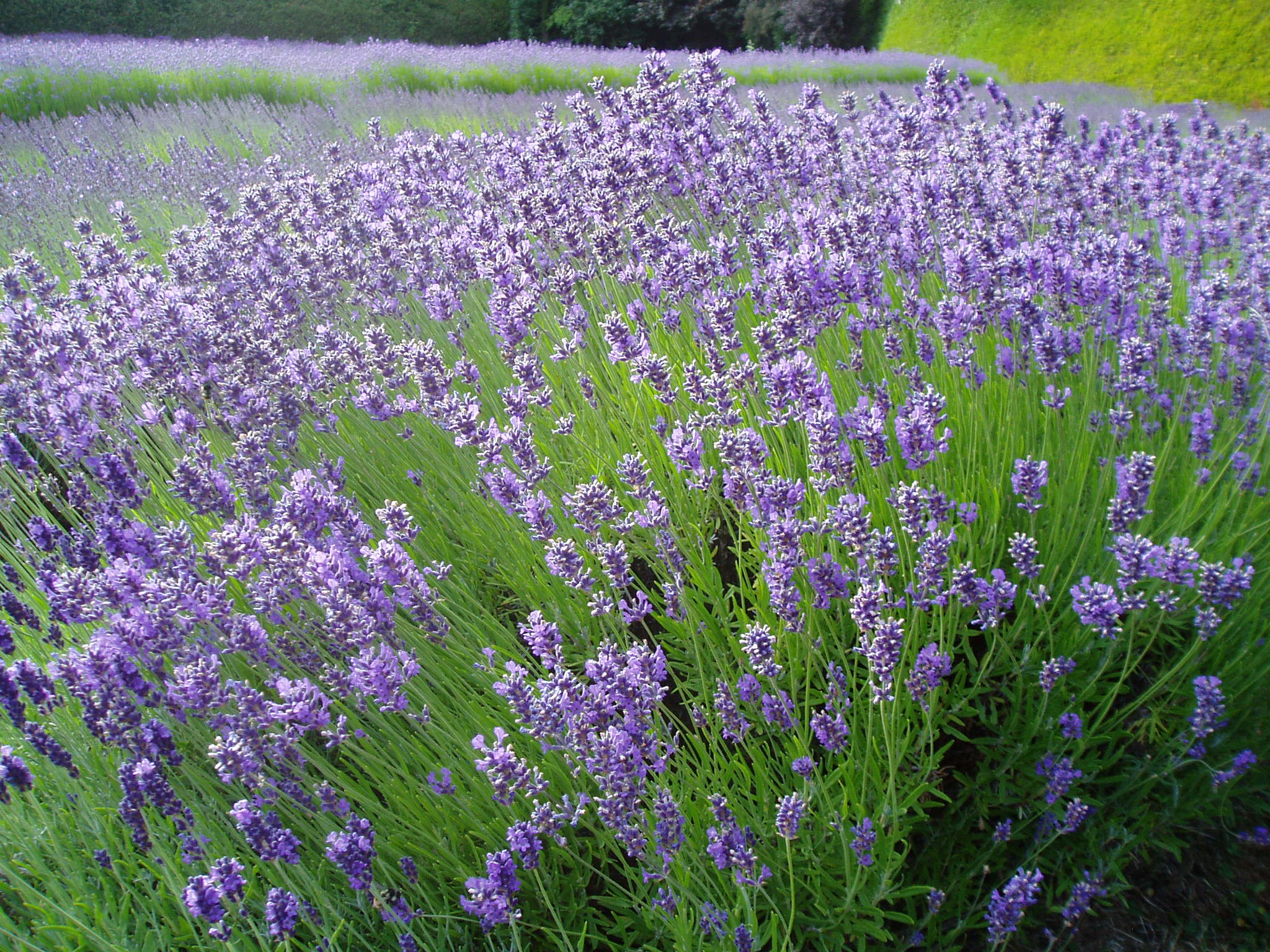
In even more other cases, like with the lavender, I sheer off the finished blooms just for a tidied look.
Wander through the beds pulling the weeds… try not to turn over the soil too much, as that just brings seeds closer to the surface where they germinate & make more weeds…
Cut back any diseased leaves & branches now. (discard without putting in compost) Later they’re more likely to get mixed in with the fall leaves & it’s not good to put those pathogens in with the good mulch.
Lawns
photo by SVSeekins
With the lessening of temperatures toward the end of August, the green starts to return. Now C might have more to mow than just the dandelions.
I’m happy to keep the lawn sprinklers programmed for 1 inch of water every two weeks through mid September.
Keeping the mower blade above 2 inches will give the grass’ roots a little shade so they don’t dry out so quickly
Veg / Berry Patch (& Orchard)
photo by SVSeekins
I love harvest… until I start to panic about what to do with all this zucchini !! It’s also harvest time for early apples… blackberries… logan berries… goji berries… huckleberries… corn… tomatoes!… squash… beans… salad greens… beets…. cabbage… kale… herbs… It’s harvest heaven Baby!
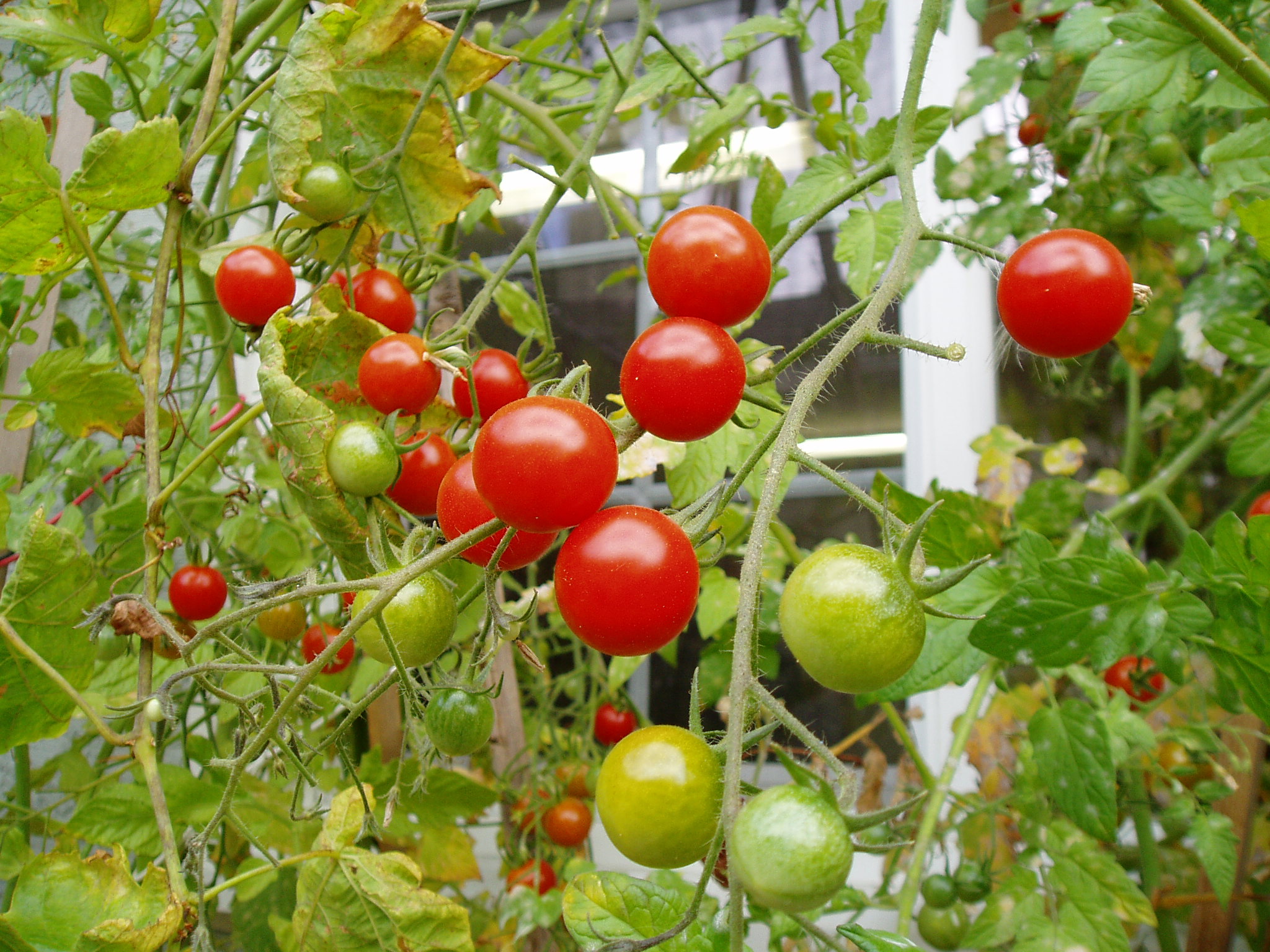
Cut the top-most stem of the tomato plant & pinch off any new flowers. .Remove some of the leaves around the tomato fruit so it gets more sun for ripening. The improved air circulation around the plant helps avoid disease too.
Protect the new baby winter veg from the hot sun & dry weather. They do their growing now & survive through the cloudy, cold & wet months.
eg. cabbage…cauliflower… kale… parsnips… broccoli…
Once the temperature drops a bit (at the end of the month) try seeding a fall crop of peas & leafy greens. There’s time before the frost to get a wee crop & the plants aren’t as likely to bolt as they do in the summer heat.
As soon as the raspberries & other cane fruit finish, cut the bush right to the ground. The new canes that grow will produce the berries next year.
photo by SVSeekins
Pruning
While it’s still nice and dry, pruning walnut and Japanese Maple is due. The cuts are susceptible to fungal infection if made during the rainy dormant season.
Planning
I like to photograph the garden now. These photos come in handy when deciding on the moving & dividing of perennials later in the year. They also help me figure out the best places to plant new spring bulbs.
Free entry into the fabulous Glenda Gardens (Horticultural Centre of the Pacific) at the Arts & Music in the Gardens… usually the 1st Saturday after the August long weekend
Check out (or compete with) the biggest & best of garden produce at the Saanich Fair on the Labour Day Weekend…
More art in the garden inspiration is available at the The Art Gallery of Greater Victoria House Tour … usually the 1st Sunday of September.
The spring spectacle is over & the garden is doing its thing. This is the time of year that we fantasized about:
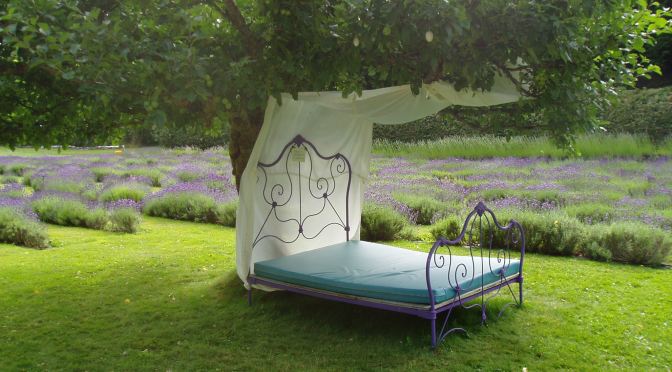
Swinging in the hammock…
reading a book…
Isn’t this why we create those restful places in the garden?
Seed Saving
After the flowers finish up, the plant sets seed. Before the pods open I like to pick & distribute them into areas where I’d like to see more next year
eg. foxglove… snapdragon… lupin… delphinium…
Fertilizing
photo by SVSeekins
add compost or sea soil to areas of heavy feeding
Planting
It’s tempting to buy new plants at this time of year. I try to keep in mind that all new plants, even drought tolerant ones, need watering during the first couple seasons. Their roots haven’t reached deep into the soil where the moisture stays, so they need surface water every couple of days.
Do I really need that new shrub?
Or would I rather go camping?
Irrigation
photo by SVSeekins
Any rain this month is barely enough to settle the dust. Water slowly and deeply in the early morning or evening when the air is cool and calm.
Baskets & pots dry out quickly. They can benefit from a drink every day.
A good top-dressing of mulch sure helps keep the moisture in the soil where plants can get it, rather than having all that water evaporate in the sunshine.
Weeding
photo by E C Jewsbury
Dead-heading spent blooms can spur plants into another flush of flowers.
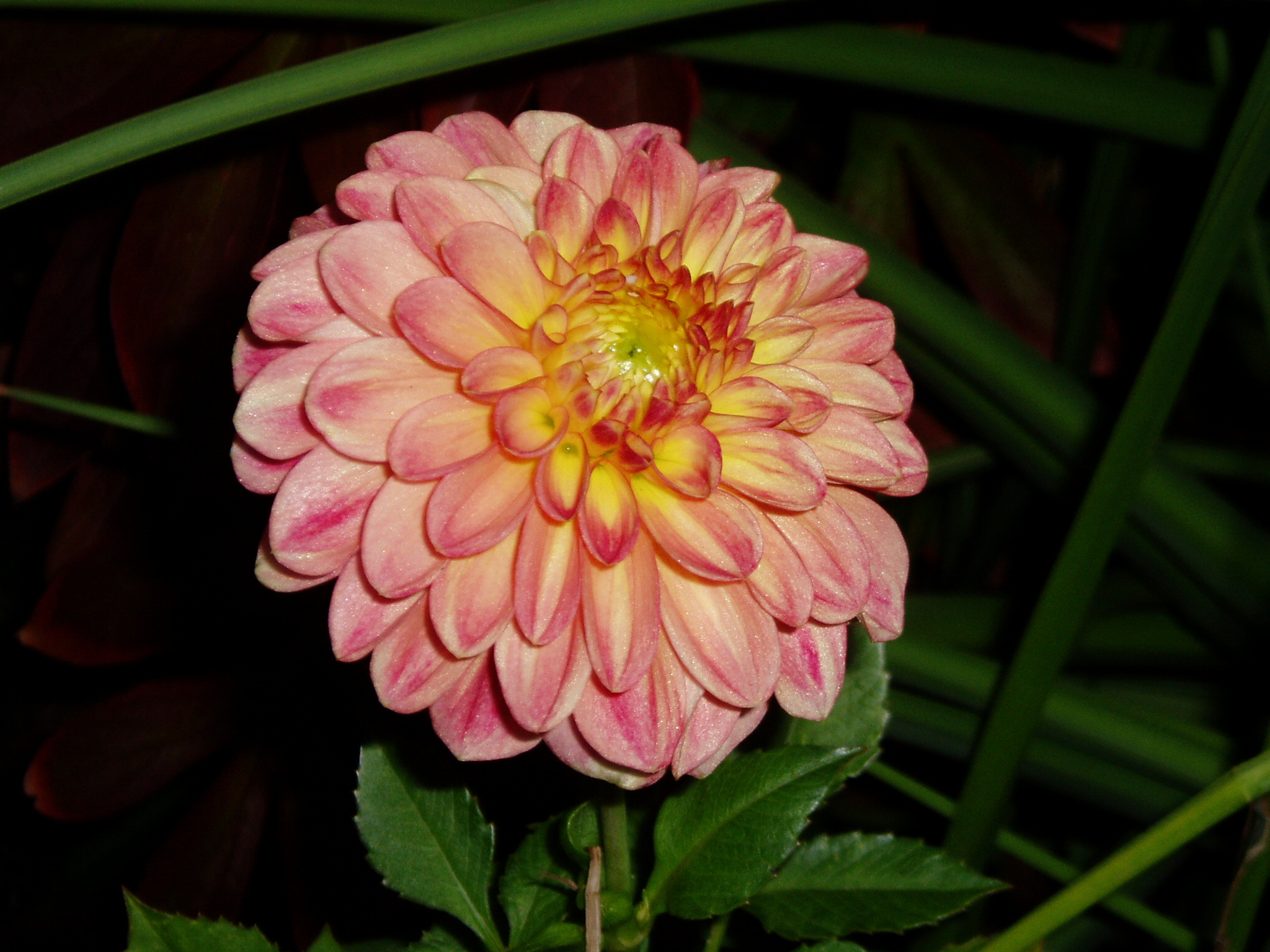
eg. hardy geraniums… coreopsis… dahlias…
Wander through the beds pulling the weeds… try not to turn over the soil too much, as that just brings seeds closer to the surface to germinate & make more weeds…
Perennials
photo by SVSeekins
Dahlias & delphinium may require staking (gladiola too)
Lawns
If you water the lawn 1 inch of water every two weeks, it’ll still turn the color of straw in the heat of summer but will bounce back super quickly after temperatures cool in fall.
C brings out the mower just to whack off the heads of those persistent dandelion. Keeping the mower blade above 2 inches will give the grass’ roots a little shade so they don’t dry out so quickly
Veg & Berry Patch
photo by SVSeekins
Enjoy all the activity & pay off … harvest time for raspberries & blueberries … corn… beans… salad greens… beets…. cabbage… kale… garlic…
If there’s a partly shady spot in your garden, a new round of peas might supply some spring perk in the heat of summer… consider new rounds of greens & beets, too …
Ever-bearing strawberries – pinch off runners so the plant concentrates on fruit instead of expansion
Yup, it’s time to baby the winter veg… they do their growing now & survive through the cloudy, cold & wet wintry months… kale… parsnips… broccoli…
Q: What can highlight a pot luck supper on a warm evening?
A: Lynda’s Lavender Hummingbird Cake.
AND she shared the secret recipe with us!!! 🙂
Lavender Hummingbird Cake 2014
2 ripe bananas 1/2 c. fresh pineapple (or drained) 1/2 c. shredded coconut 110 ml. tin of passionfruit pulp (available at Fairway Market in WestShore Mall) 2 Tbsp fresh lavender (or dried) 1 1/4 c. sugar 1 3/4 c. flour 3 tsp. baking powder 1 tsp. cinnamon 1/2 tsp. cloves 1/2 tsp. allspice 3/4 c. oil 2 eggs
photo by SVSeekins
Pre-heat oven to 350 F.
Grease an 11 x 8 baking dish.
In a food processor, whiz together bananas & pineapple. Briefly blend in oil, sugar, lavender & eggs until smooth.
In a large bowl mix together flour, baking powder, coconut & spices. Add wet mixture + passionfruit pulp to the dry ingredients. Batter will be loose. Add a few tsp. of flour if you think it is too runny.
Baking time is 45 – 55 minutes. Test centre. If using 2 8 inch square pans, shorten baking time.
When cooled, ice with a simple glaze made with icing sugar, a touch of butter, milk & extra coconut…. or make a cream cheese icing with 125 g. cream cheese, 185 g. icing sugar, 60 g. butter, and 2-3 Tbsp. real rum. (How tropical do you need?) 🙂









 Garden Variety Life