In summer the Cotoneaster flowers are inconsequential, but in fall the berries really shine.
Identifying the 5 foot tall shrub that was on the property when I arrived had me stumped. Recently KC told me it is a Cotoneaster. I’m familiar with the short groundcover. There are several samples of that around the yard. CM doesn’t like them because fall leaves get caught up in them, and they’re not friendly to rakes. But this shrub is a much taller relative. Who knew?
Bambi is an icon of my childhood. As a farm kid, it was common to see deer. They were delightful: so delicate and spritely; a scene from a Disney movie come to life.
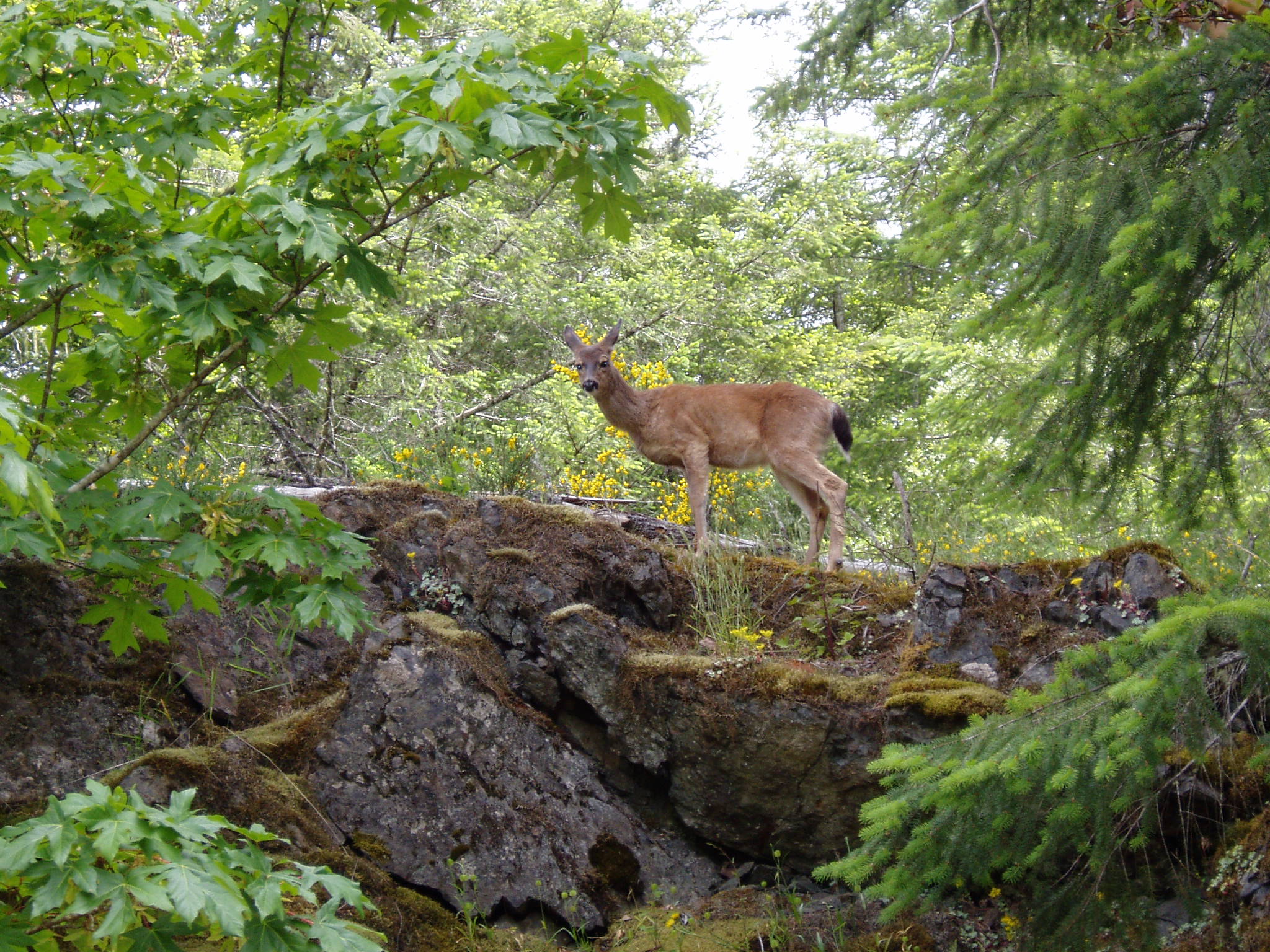
Years later, having left the land for a university education & a career, I became a townie. Wildlife in the yard is not expected to be anything more than squirrels, birds, and the occasional dog gone AWOL. After all, I live close enough to the downtown core that it isn’t even the burbs. It’s only a 25-minute cycle to the Inner Harbour of Victoria. But here there are urban deer. Check out who visited on thanksgiving weekend:
photo by SVSeekins
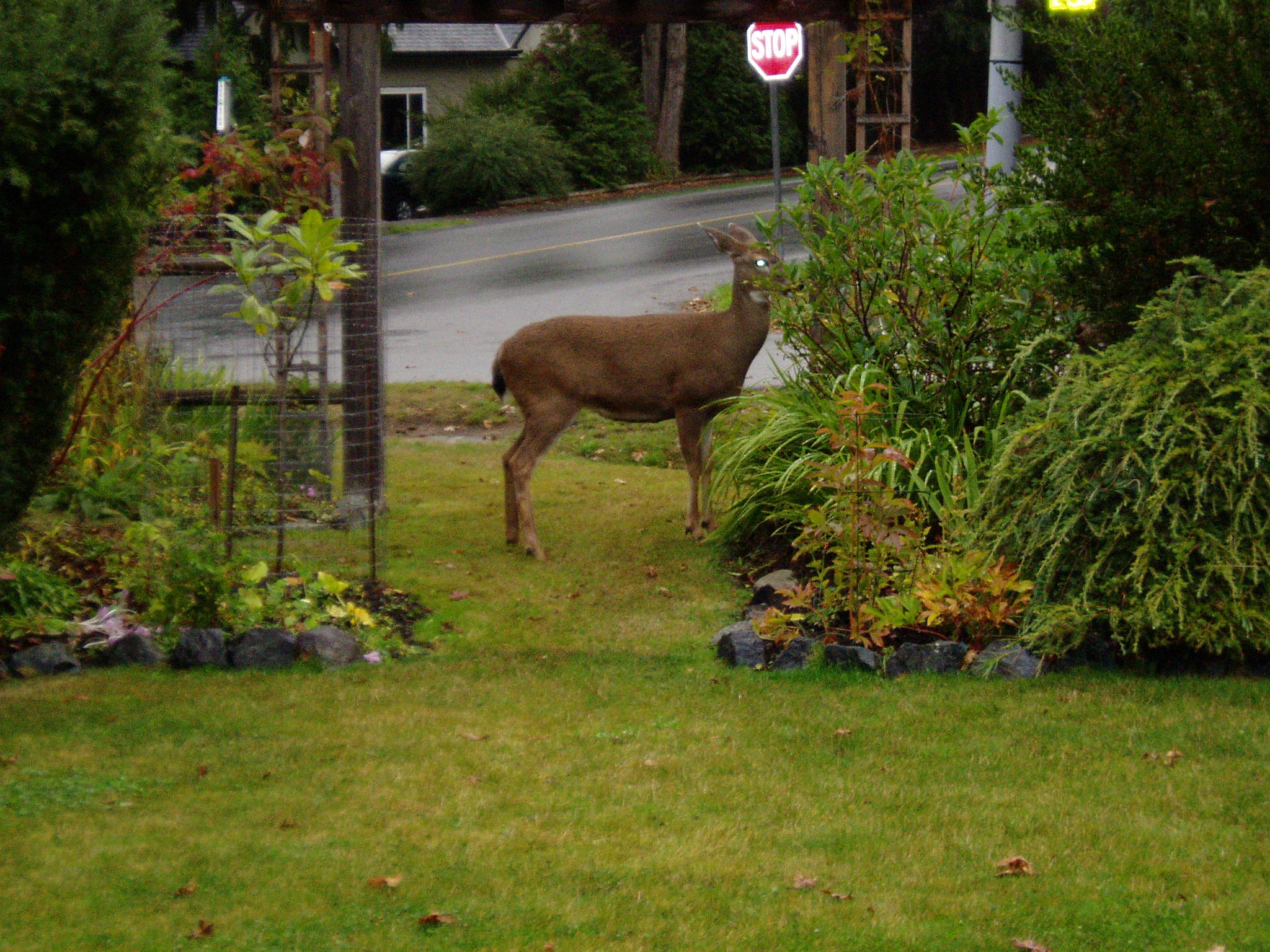
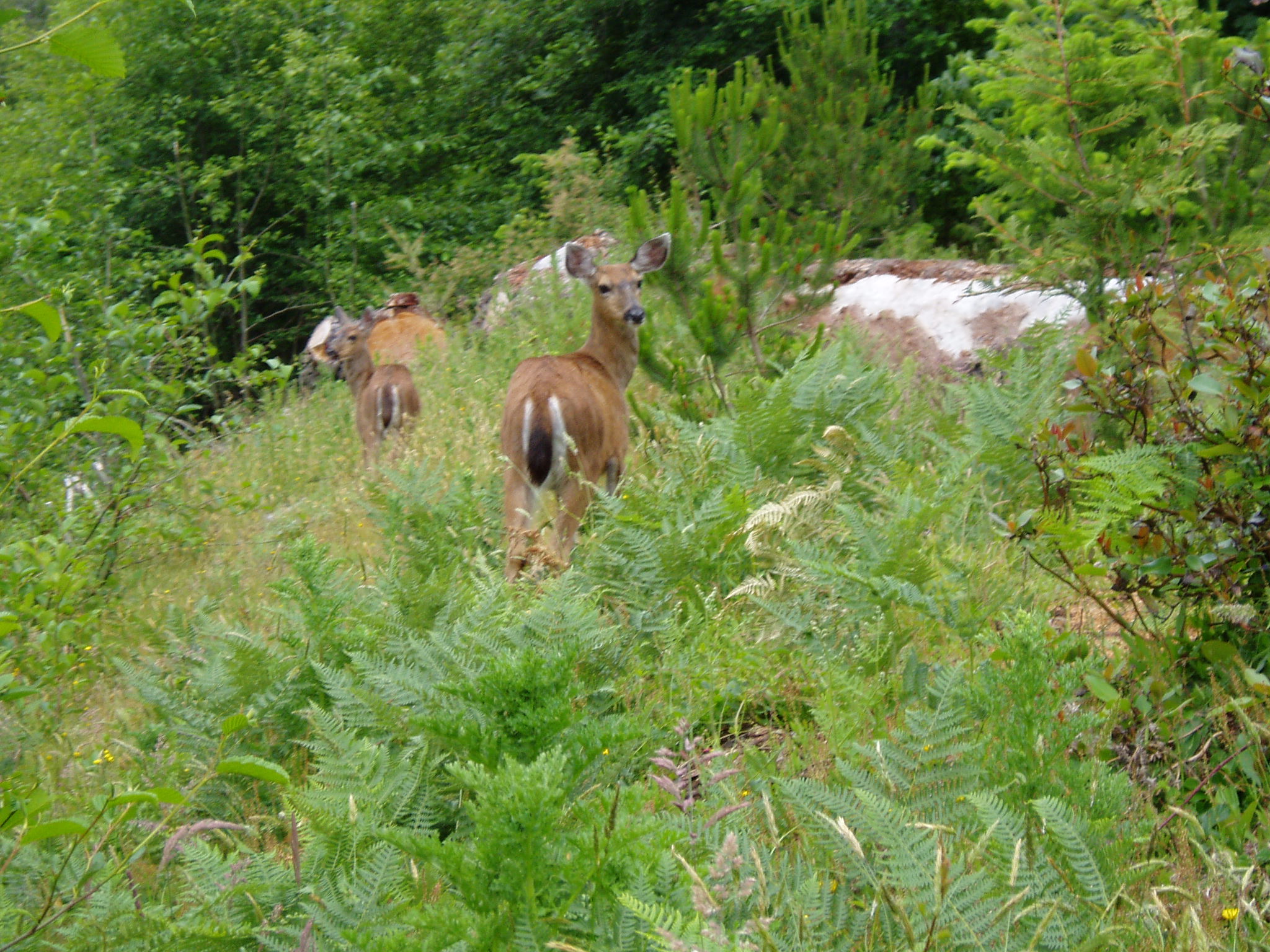
In fact, since May, I’ve watched the little one mature through what I’m guessing is its second summer. I’m still enjoying seeing them in the yard, but I’m torn about what they do here.
Feast.
This time, it’s a buffet of Russian Laurel (now I know why it hasn’t grown 12 feet high by now).
photo by SVSeekins
Last month it was the Sedum Autumn Joy (leaving the Aster untouched).
June, July & August these two lived on vegetation; specifically blooming vegetation. Given their druthers, they’re not just vegetarians. They prefer being bloom-etarians.
I could install high, unsightly deer fencing if I were selfish about keeping the flowers to myself and if I didn’t enjoy seeing the wildlife so much. I reckon they’re successful, early adopters of the 100-mile diet. That’s admirable, so I’ve decided to grow enough to share.
That was the plan until recently.
The other evening my neighbors were out for a stroll. They ended up on my doorstep, saying that they’d been ‘herded’ into our yard.
photo by SVSeekins
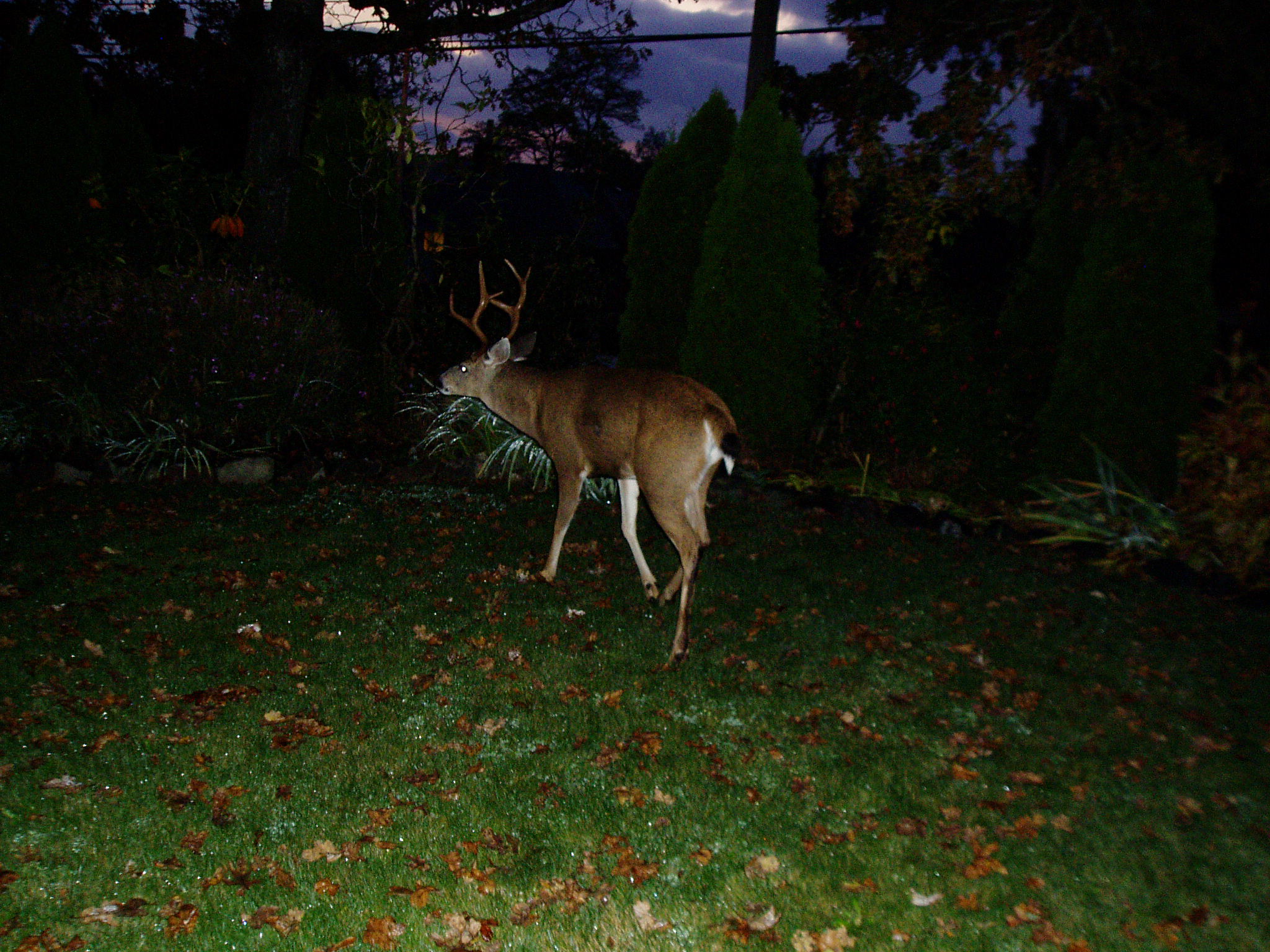
I would adjust my walking plans if I was followed by this fellow, too. Yikes! Maybe the photo doesn’t really do justice, but those antlers sure looked big & sharp in real life.
The 3 point buck stood less than 20 ft away while we talked excitedly on the doorstep.
He wasn’t aggressive, and I was really surprised how long he just stood there watching us. He didn’t move off until the camera had flashed a couple of times & I was within 10-12 feet (feeling a mixture between bravery & stupidity). My heart rate didn’t return to normal for at least an hour. The possibility of danger made me start thinking differently.
photo by SVSeekins
Now another part of my childhood comes to mind. Deer were delicious.
In our homesteading community, we depended on wild meat for food. It was a life rich in community, but poor in cash. Pretty much every family was starting from scratch, breaking the land and developing the farm business. We helped each other out and folk did what they needed to do to put a nutritious meal on the table.
I suppose it was also a version of the original 100-mile diet.
When it comes to hunting & butchering, I’ve always been a wimp. Happily, my income is not as tight as my parents’ was when we lived on the farm. I’m ok with spending cash to put food on my table. I know there are folks here in town that aren’t as solvent.
photo by SVSeekins
I’m not condoning hunting season in urban areas. Bullets whizzing across the yard or by the bus stop is not a comforting idea. Perhaps some sort of non-wasteful population control? (and which population to control? them or us?) I just don’t know.
With Casanova courting the local ladies, there’s sure to be a new fawn or two next spring to taste test everything that’s on offer in the yard. For now, I’m intent to enjoy the company & do my best to provide a nutritious buffet as a good host should.
They’d hoped it wouldn’t cause concern that they were expanding their garden empire. It was only removing the fence delineating their yard from the street. It was only replacing some weedy grass with dry habitat native plants . Wasn’t it beautifying the neighborhood, safeguarding water resources, and educating the community about our natural environment?
photo by SVSeekins
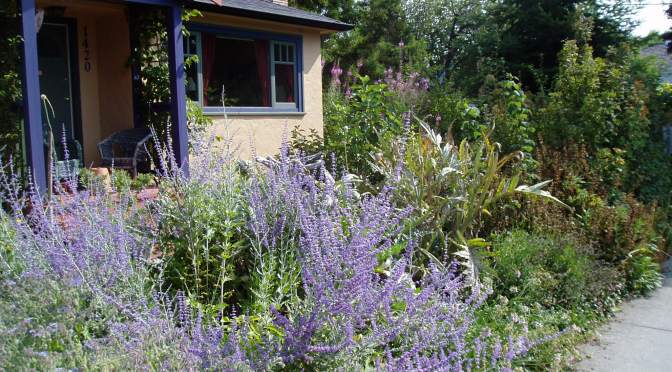
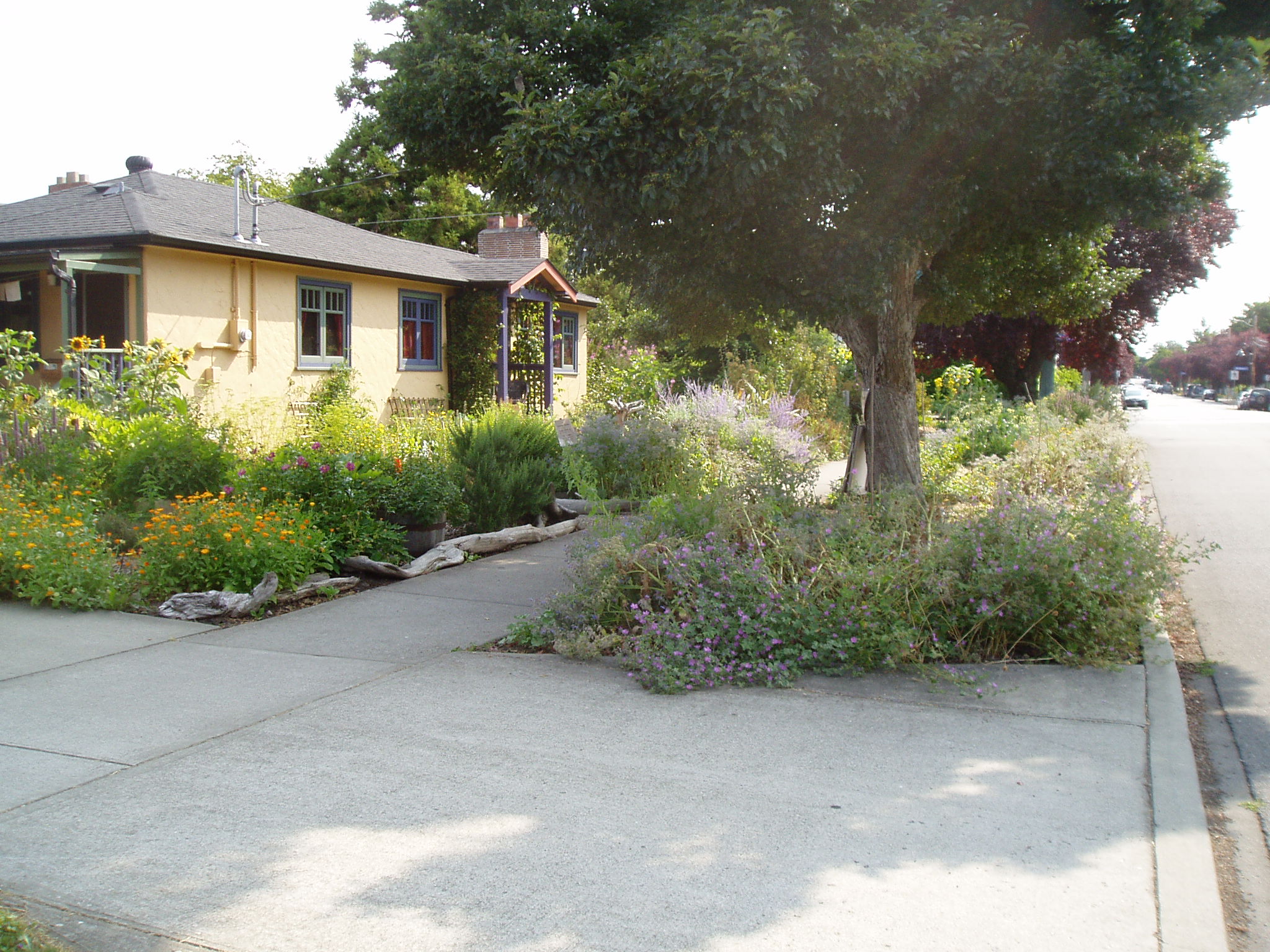
Happily, the neighbors welcomed the expanded forest glade. Passers by often complimented Rainey Hopewell and Margot Johnson as they tended the public area beside their home on Asquith street, not far from the downtown core of Victoria, BC.
photo by SVSeekins
The dynamic couple encouraged neighborhood involvement. The boulevard grew into an active native plant urban demonstration garden with volunteers, workshops, and planting parties..
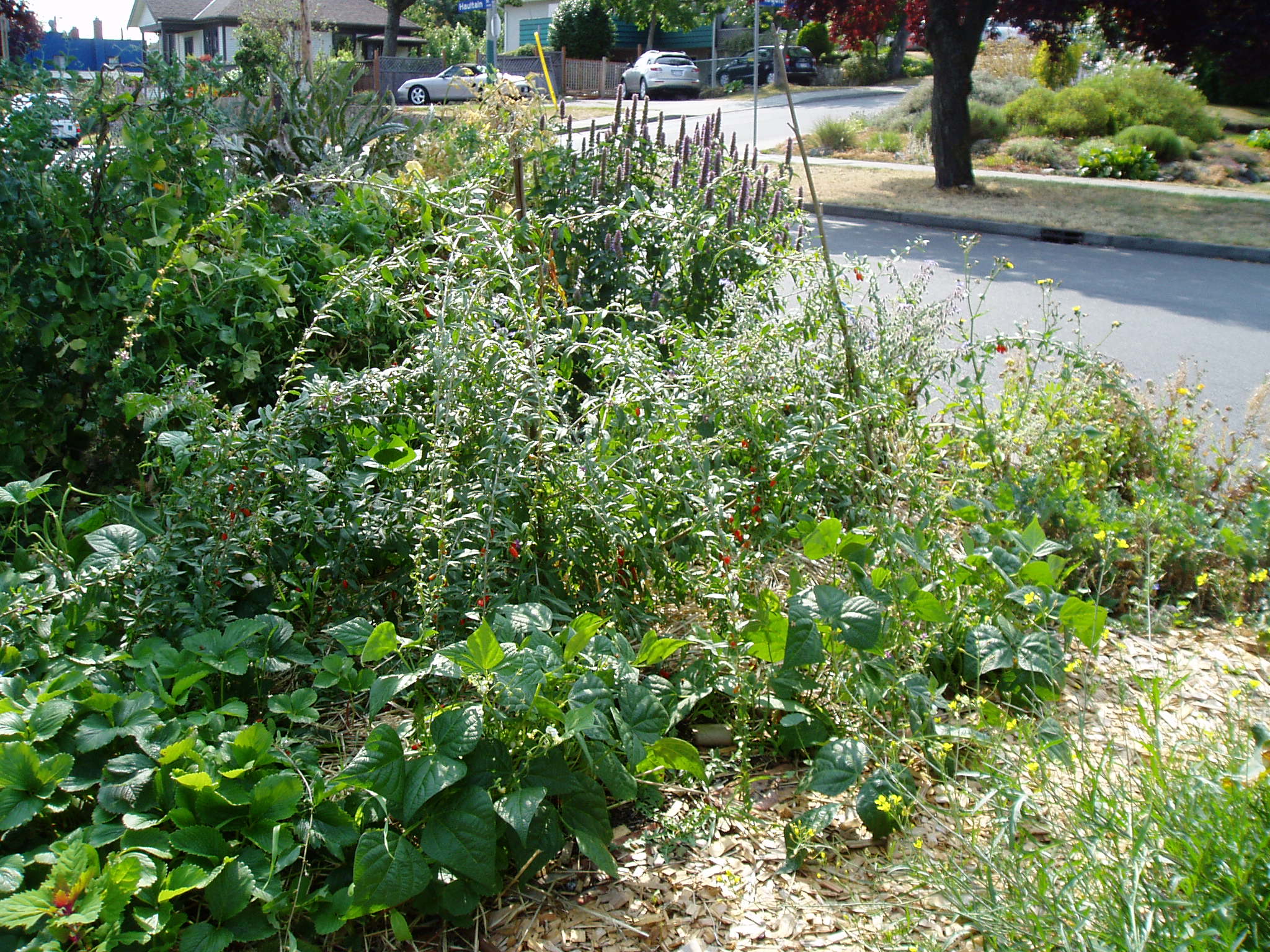
Building on that success, expansion spread to include the boulevard on the Haultain street edge of their corner lot. This time the intention was to bring to mind issues of local food security. The community pitched in, developing the common area into a shared food garden,
photo by SVSeekins
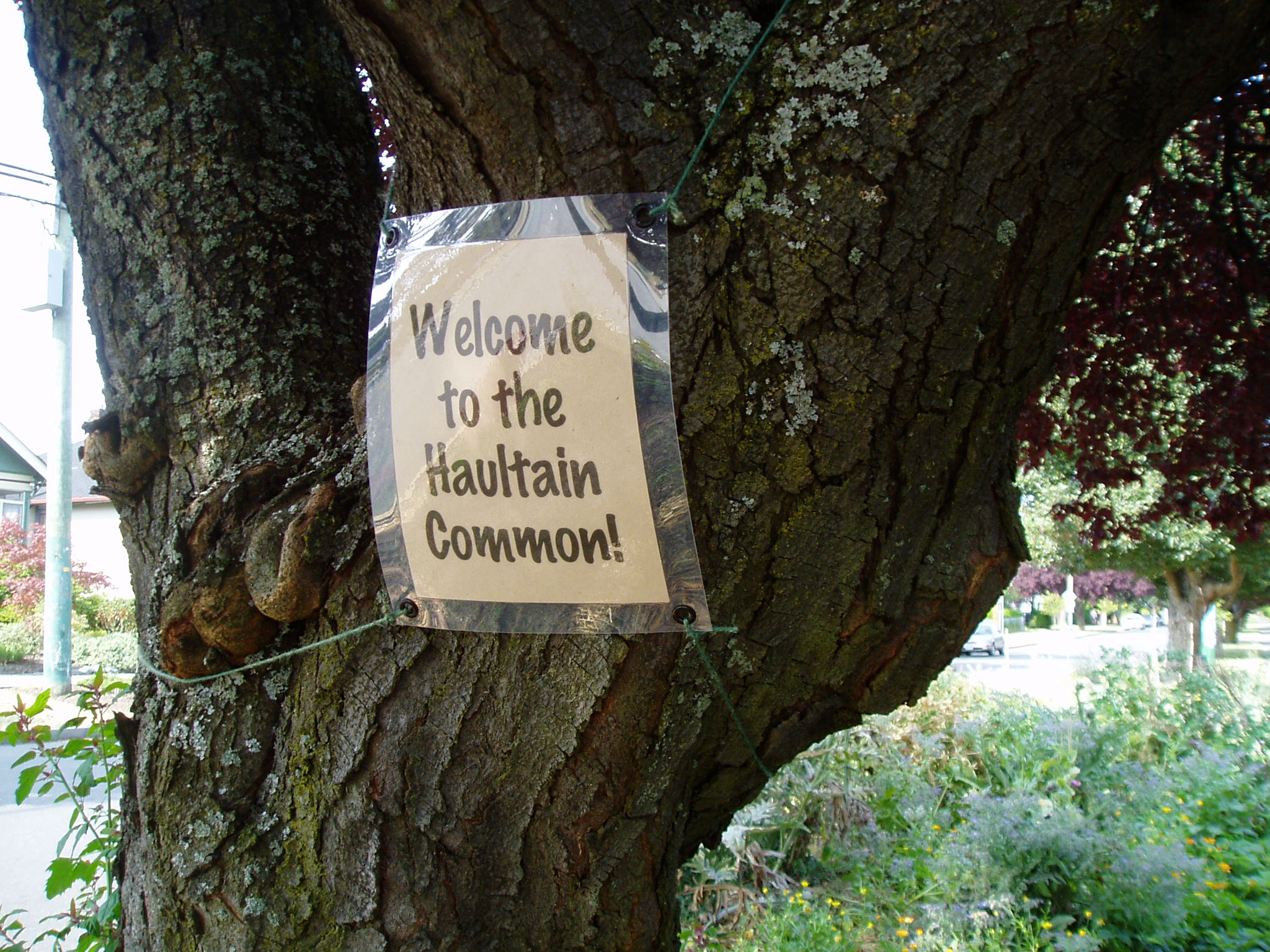
Now known as Haultain Common, the boulevard between the sidewalk and curb was first sheet mulched. Over a west coast winter the mulch smothered the grass and weeds below it, developing into nutrient rich, composted soil. By spring it was ready for planting.
photo by SVSeekins
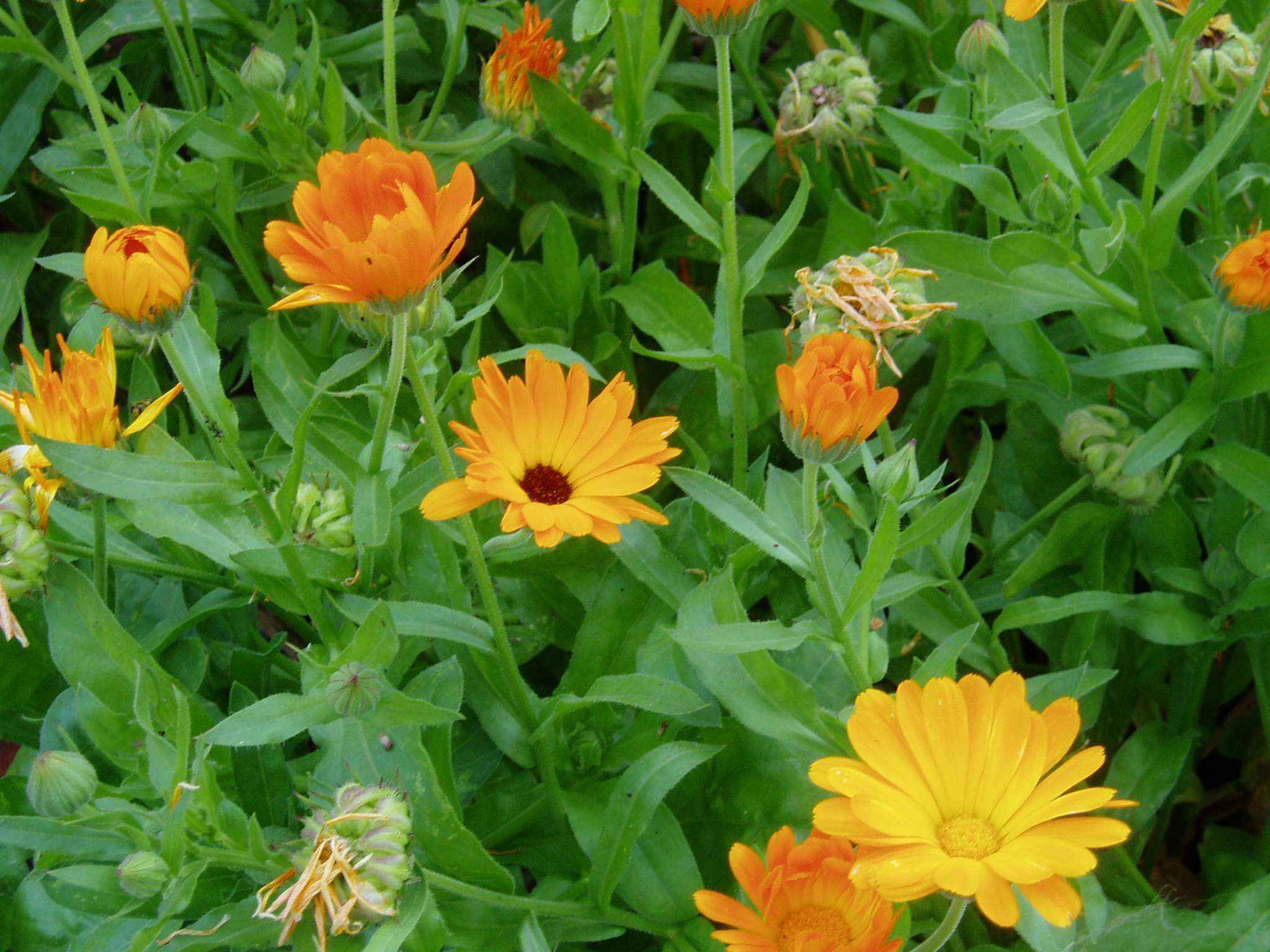
To start, they chose vegetables that often volunteer in a compost pile: tomatoes, potatoes, pumpkins & squash. They share with whomever chooses to join in: parents & kids learning to grow food, seasoned gardeners exploring permaculture, and even urbanites tasting their first home-grown tomato. All are welcome to share in the harvest.
photo by SVSeekins
Some neighbors donate plants, and even more contribute leaves or compostables on a regular basis, gaining a sense of ownership & belonging in the common and in the community.
photo by SVSeekins
Over the past several years Haultain Common has grown in profile as well. It’s not unusual to see a university class exploring the garden one day, and a Day Care tour on another. It’s been so well received that a local irrigation company & a landscape company donated the equipment & installation of a watering system for the Common.
Boulevard gardens have cropped up on other properties along Haultain street. They’re also growing in other neighborhoods around the city. To Margot and Rainey, its been an experience in growth in so many ways.









 Garden Variety Life