Tag Archives: early bloom

Hairy Bittercress Weed (Cardamine hirsuta)

 There’s a pretty little rosette of lacey leaves proliferating in garden beds all around the world.
Hairy bittercrest, weed, Cardimine hirsuta flexuosa garden Victoria, Vancouver Island, BC, Pacific Northwest
photo by SVSeekins

Their delicate white flowers are some of the earliest of our spring display.   In a blink, they transform into a tall spindle of seed pods.  Even when I gently brush against them, they explode like fireworks casting their spell across the warming spring soil.  Fortunately, I wear glasses.  The little missiles splatter my face, but they don’t blind me.  I flinch in surprise every time.
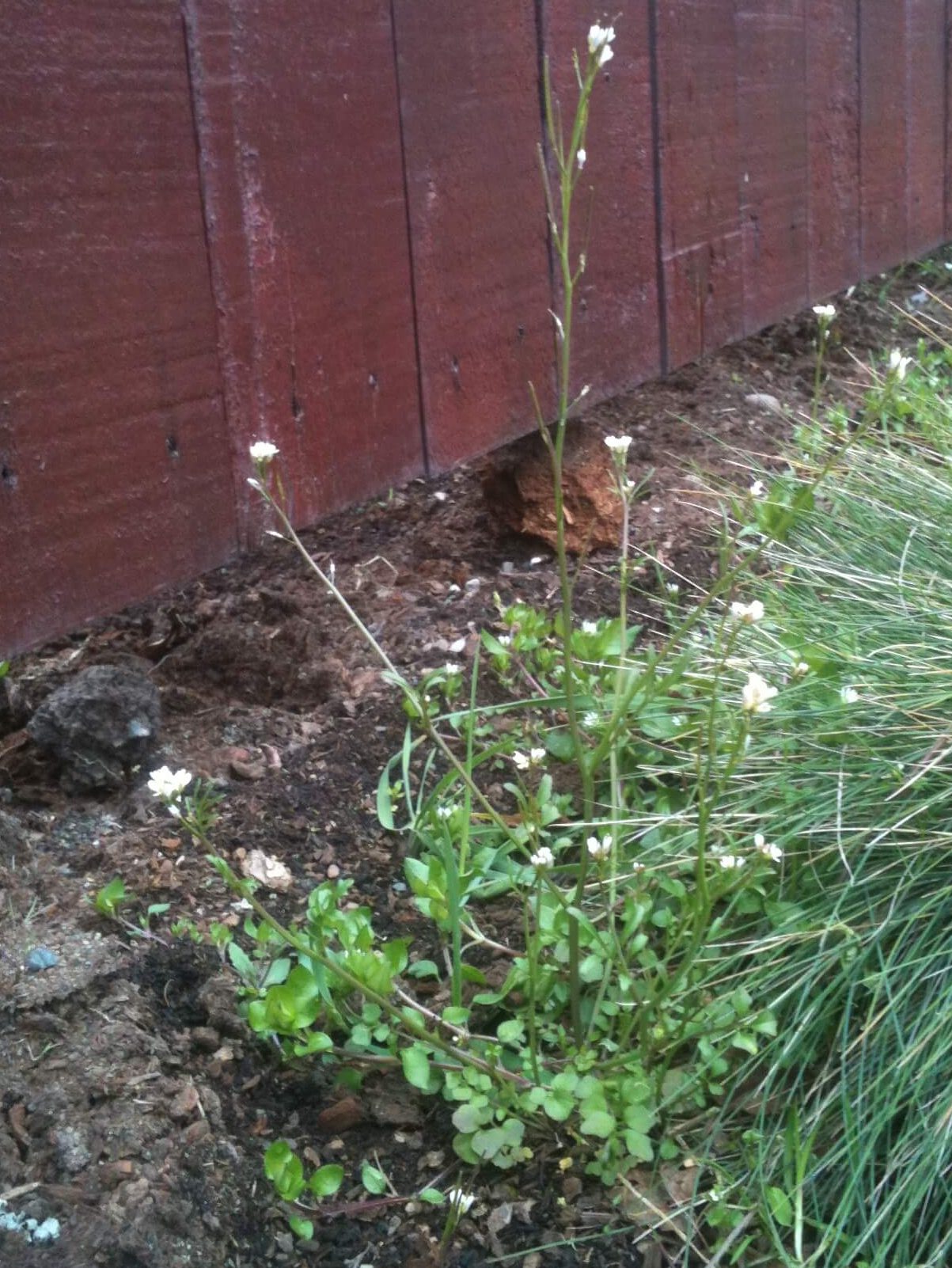
Hairy bittercrest, weed, Cardimine hirsuta flexuosa garden Victoria, Vancouver Island, BC, Pacific Northwest
photo by SVSeekins

In just a couple of weeks, the ground will magically transform into a carpet of them happily intent on world domination.

In an unfamiliar garden, it makes sense to let all plants grow until you identify them, or they show their intent.  Then decide their fates.

Even before I knew their true ID, I called them pop weed & decided they were not welcome to take over the flower beds I was creating.  So began the battle…

Now I know these little monsters are named Hairy Bittercress (aka Cardamine hirsuta).  They’re annuals – seed factories.  The best defence is easy –
NEVER LET THEM GO TO SEED!
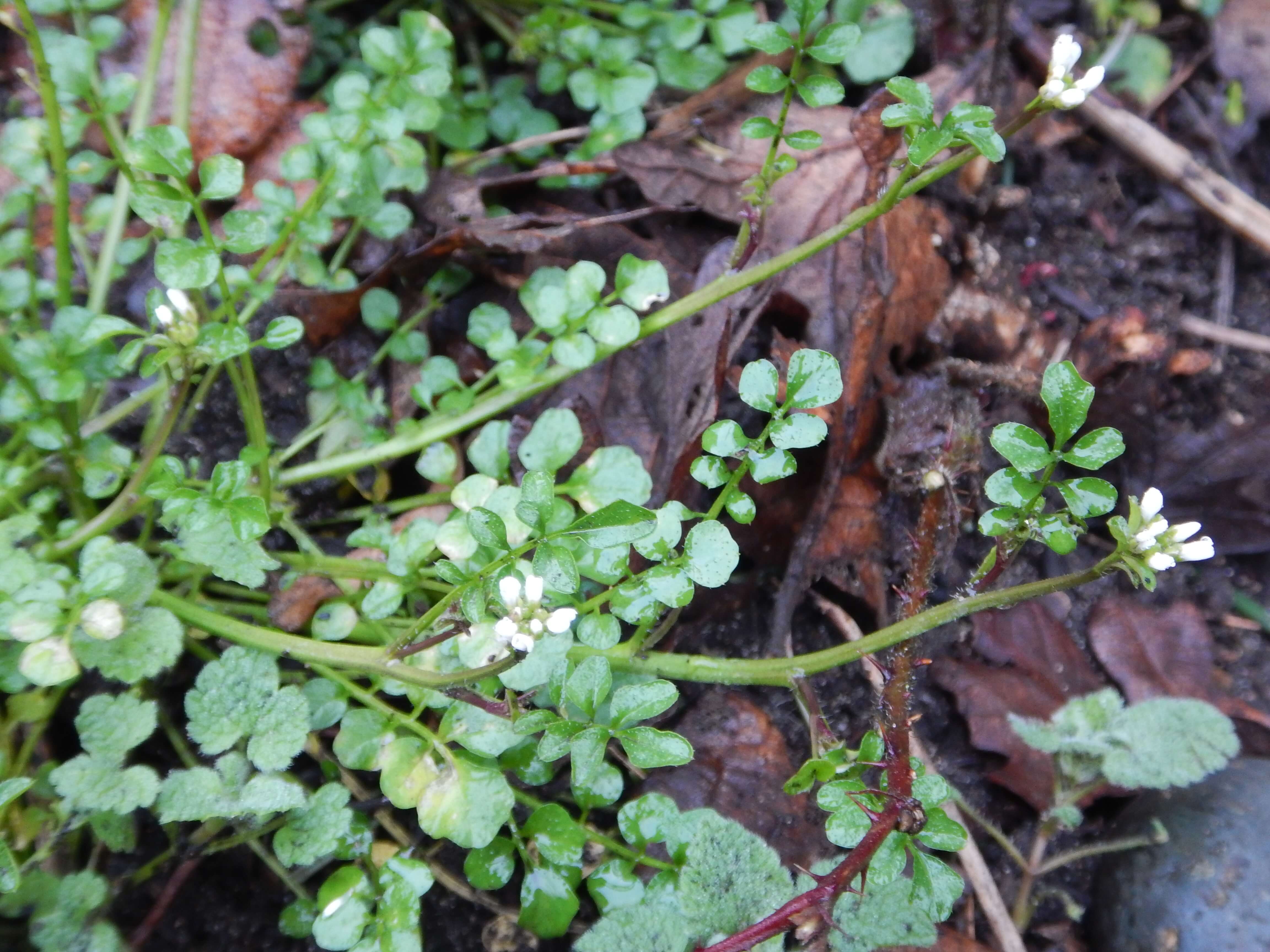
Hairy bittercrest, weed, Cardimine hirsuta flexuosa garden Victoria, Vancouver Island, BC, Pacific Northwest
photo by SVSeekins

The straightforward action might be to get out there & weed like crazy.

  • Yes, that helps + it’s good anti-Seasonal-Affects- Disorder therapy.
  • Yes, it removes the offending seed creator, but many of last year’s seeds are still on the ground getting ready to sprout … just more weeding for tomorrow!
  • AND pulling out the weed stirs up the soil as far down as its roots went.  That brings up the weed seeds from years gone by… even more weeding for tomorrow and the day after that!

There’s a better way.

Hairy bittercrest, weed, Cardimine hirsuta flexuosa garden Victoria, Vancouver Island, BC, Pacific Northwest
photo by SVSeekins

Mulching.

Each winter, I lay down 2-4 inches of fish mulch.
Yup.
2 to 4 inches.
It buries any seeds so deep they won’t get enough light to start growing.
Easy-peasy.
If you’ve already mulched, the problem’s solved before it’s even begun.     🙂

-30-

Other plants that might be considered weeds:
Enter your email address to subscribe to this blog and receive notifications of new posts by email.

Indian Plum – A Winter Joy

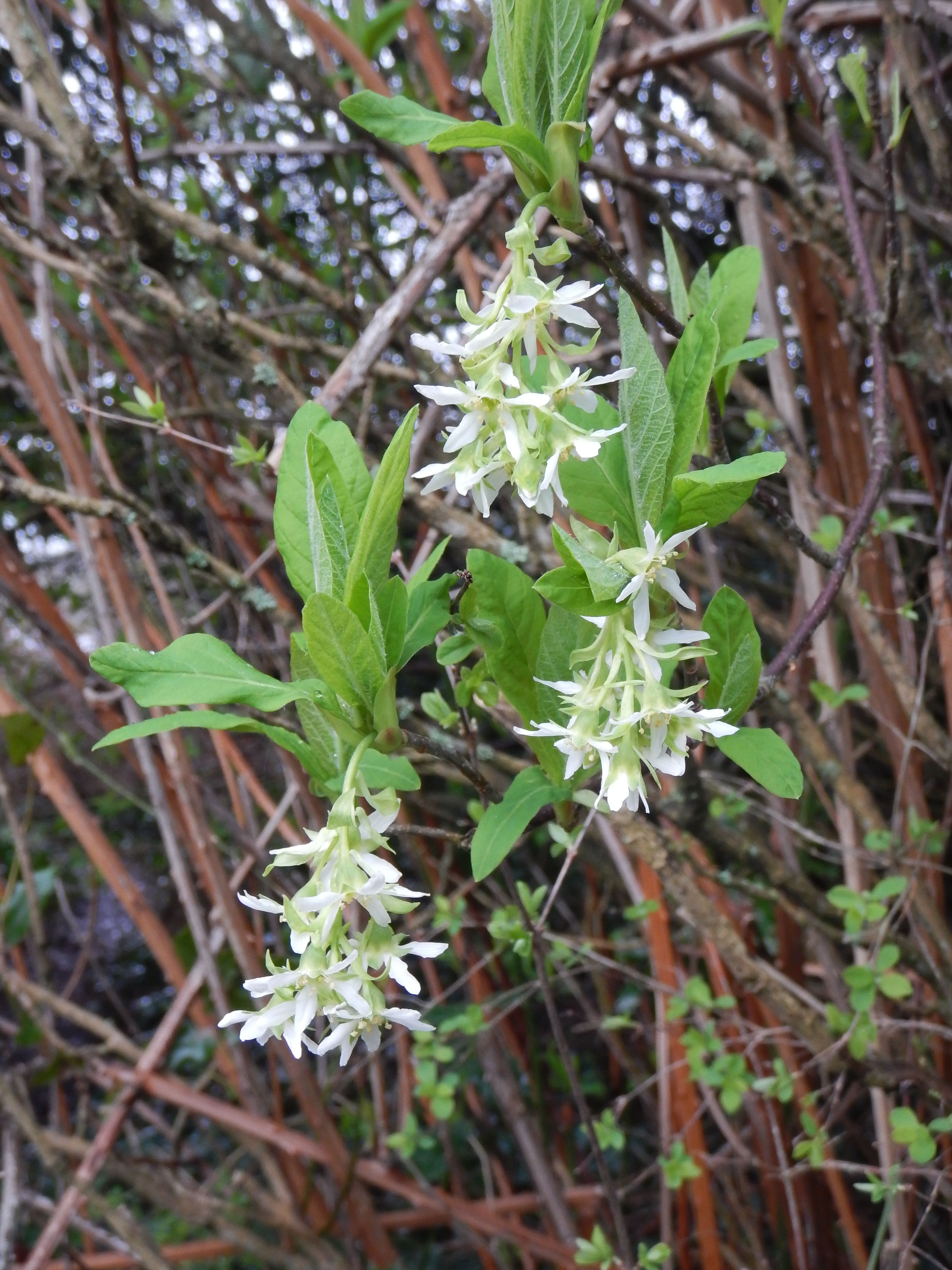
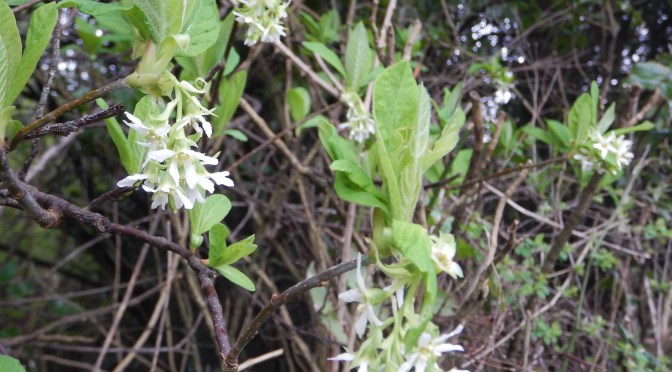
It’s not really a pretty shrub, but still, I’d like a thicket of Indian Plum in our border.

Oemleria cerasiformis, Indian Plum, June plum, Osoberry, Oregon Plum, Indian Peach, garden Victoria, Vancouver Island, BC, Pacific Northwest
photo by SVSeekins

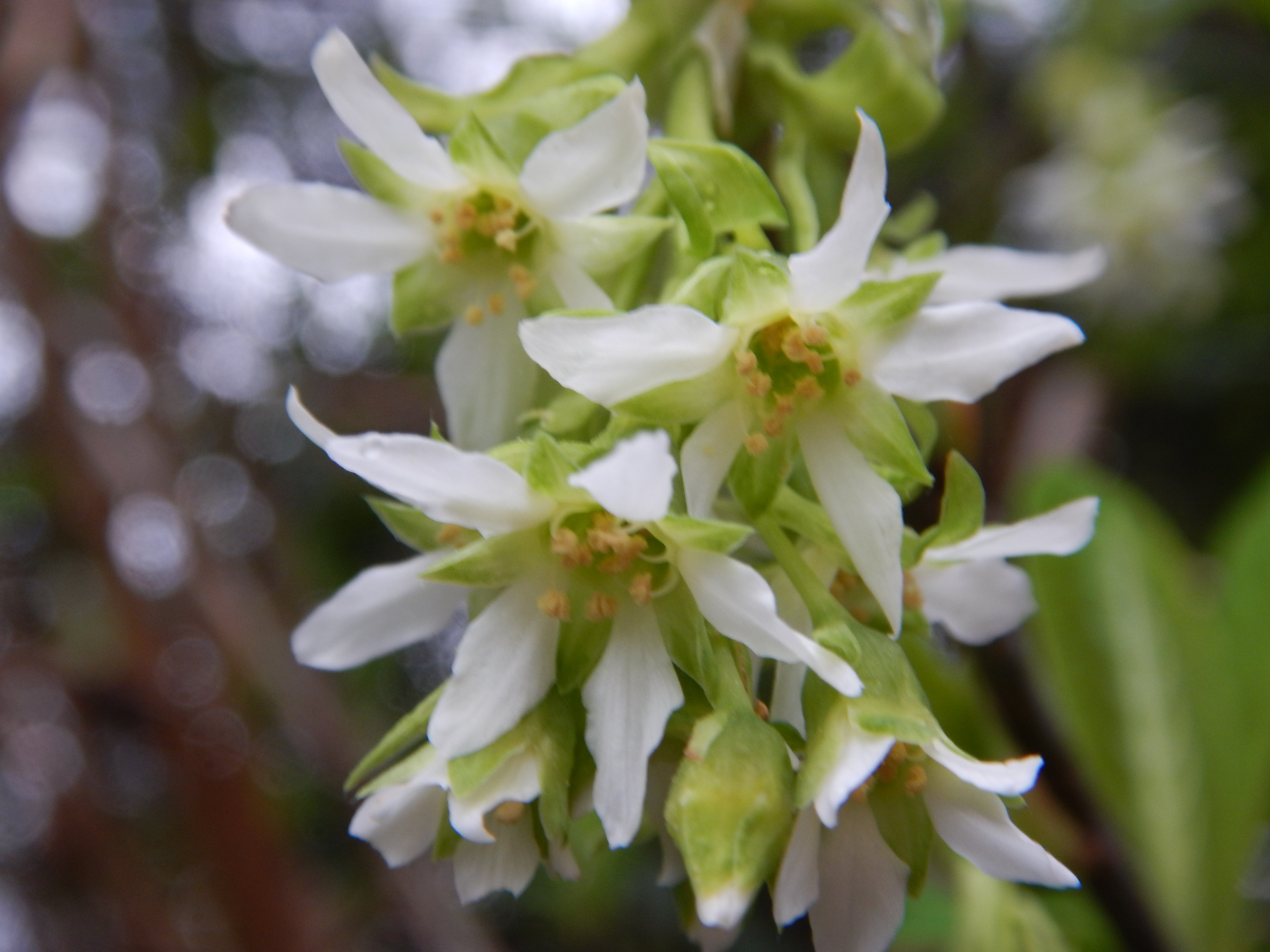
It’s specifically because of the leaf buds & blossoms in February.  They calm my cabin fever & help me through the last several weeks of winter.  Against the grey skies, the leaves look so perky & hopeful … and determined.  Even the inconsequential greenish-white flowers are exciting when little else is happening.

Indian plum grows happily in Partial Shade, not needing the prime Full Sun real estate that I protect for really showy plantings.  It’s common across the coastal Pacific Northwest below  Vancouver Island.

Oemleria cerasiformis, Indian Plum, June plum, Osoberry, Oregon Plum, Indian Peach, garden Victoria, Vancouver Island, BC, Pacific Northwest
photo by SVSeekins

When we lived on Cedar Hill, there was a large suckering thicket behind our house, at the base of the rocky slope.  The robins nested in the multiple stems of the 12-15 ft tall thicket.  The shrubs did their thing in the understory before the gary oaks hogged most of the sunshine through summer.

Perhaps best known as Indian Plum, Oemleria cerasiformis, is sometimes called June Plum, Osoberry, Oregon Plum and Bird Cherry.

Oemleria cerasiformis, Indian Plum, June plum, Osoberry, Oregon Plum, Indian Peach, garden Victoria, Vancouver Island, BC, Pacific Northwest
photo by SVSeekins

It might sound like a promising fruit source, but those inconsequential flowers turn into inconsequential fruits.  I’ve heard the berries shift through a pretty orange kaleidoscope before maturing into a dark purple-black, but I can’t say I’ve noticed.  The shrub blends into the background as other plants compete for attention in later spring.

Oemleria cerasiformis, aka Indian Plum, June plum, Osoberry, Oregon Plum, Indian Peach, or Bird Cherry, garden Victoria, Vancouver Island, BC, Pacific Northwest
photo by SVSeekins

I did check out the un-inticing tiny black plums once.
Bitter.
With pits.
Perhaps it’s best to consider it wildlife forage.

The early flowers feed hungry resident Anna’s hummingbirds e and signal that the Rufus will soon be returning from warmer climes.  The leaves & fruit provide forage for birds, deer & other mammals.  Isn’t it just good Karma to host a thicket?

-30-

Top 5 Deer Resistant, Early Spring Bulbs

The deer in our neighborhood of Victoria (the Mt. Tolmie black-tailed deer) have shown no interest in these blooms.

An added bonus is that all 5 picks have proven themselves drought tolerant through our long dry summers (even 100 days without rain).

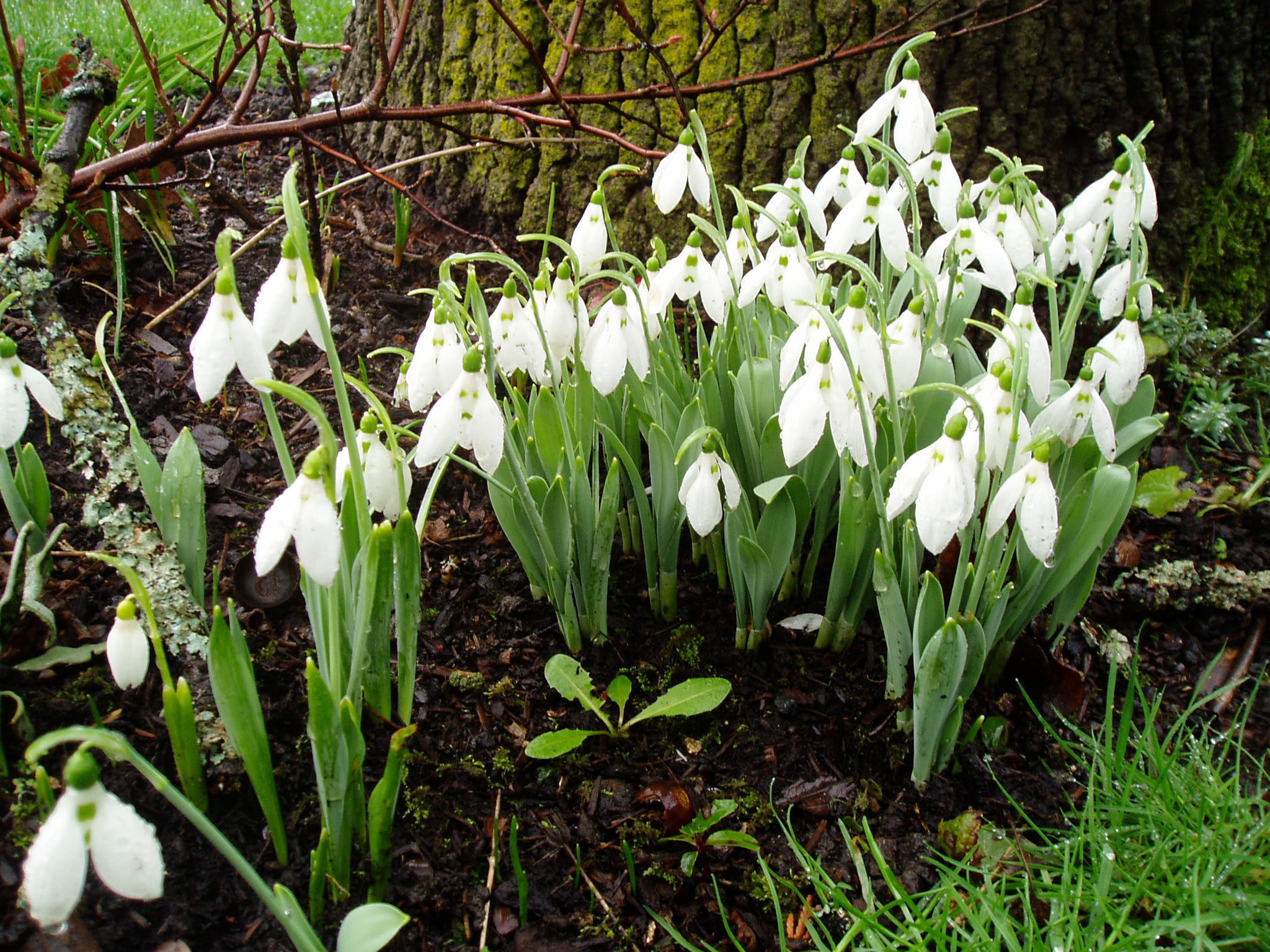
1- Snowdrops (Galanthus) bloom as early as December, but are more common in January.

galanthus bus stop snowdrops in January, garden Victoria BC Pacific Northwest
photo by SVSeekins

  • 6-9 inches high
  • naturalizing
  • Full Sun – Part Shade
  • zone 3

special notes
– Divide snowdrops during their bloom instead of after the leaves die back.
– see also
Snowdrops – January Gems
Embarrassment of Riches
Snowdrop Meadow

2- Cyclamen coum present foliage in September, and often bloom from December through March.

hardy cyclamen coum, persian violet, eastern sowbread, round-leaf cyclamen, C. coum, Cyclamen orbiculatum, garden Victoria, Vancouver Island, BC, Pacific Northwest
photo by SVSeekins

  • 4 inches high
  • naturalizing
  • Part Shade
  • zone 5

special notes
– The autumn-blooming Cyclamen hederifolium is a bully that will out-compete C.coum (and most other hardy cyclamen).  I avoid planting the two in the same bed.
Ants are purported to spread the seeds.  In our natural park areas, cyclamen are unwelcome.  I can think of several other foreigners that would make my list long before Cyclamen.
– see also
Joy In The New Year
Winter Magic
Cyclamen Coum – February Romance

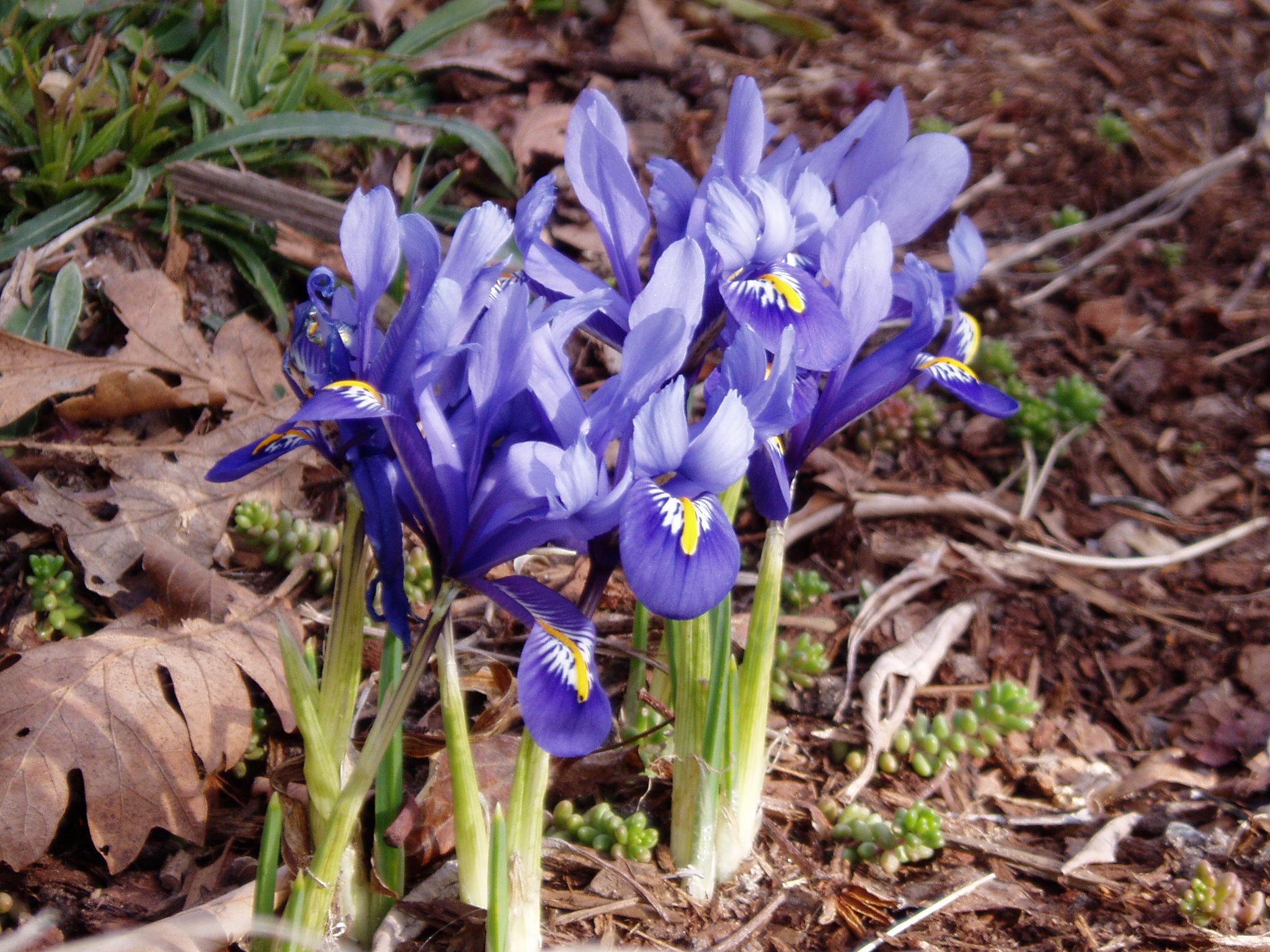
3- Reticulated Iris (Iris reticulata) is another exotic looking surprise in the February garden.

iris reticulata, reticulated iris, dwarf iris garden Victoria, Vancouver Island, BC, Pacific Northwest
photo by SVSeekins

  • 4-6 inches high
  • naturalizing … or at least catalogs claim this.  Our old neighbor Don Smart said his spread like crazy, but mine hasn’t taken off
  • Full Sun – Part Shade
  • zone  5

special notes
– catalogs also claim these are fragrant.  Perhaps this is the reason the deer ignore them even when there is so little else growing
– see also
Flower Count – Day 4 – Iris
10 February Faves

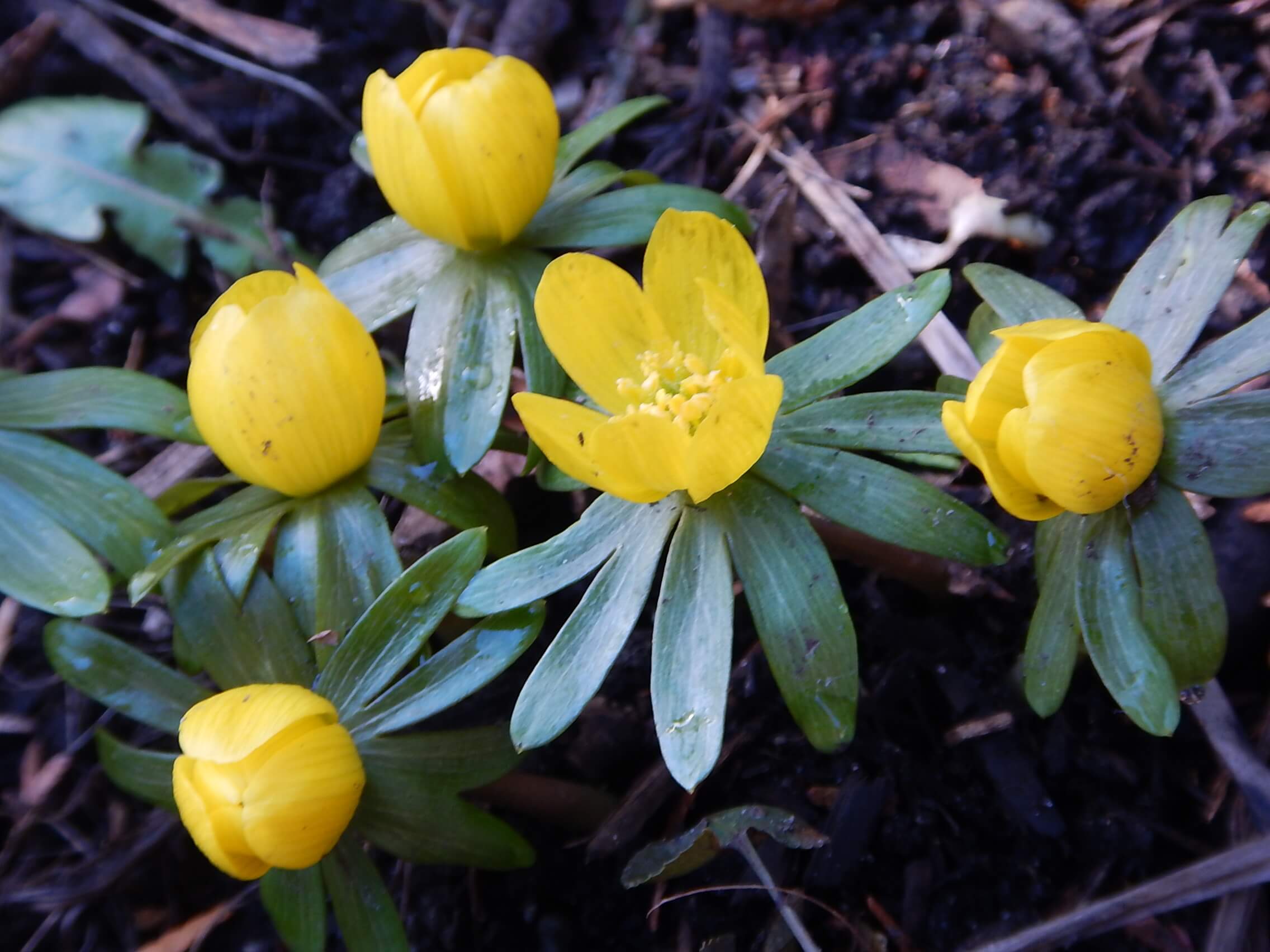
4- Winter Aconite (Eranthis hyemalis) the blooms appear in January & February, just before leafs join the show.

winter aconite, eranthis in early February garden Victoria BC Pacific Northwest
photo by SVSeekins

  •  4-6 inches high
  • naturalizing
  • Full Sun – Part Shade
  • zone: 3

special notes
–  The only way to divide these beauties is during their growing season.  The corms look like tiny clumps of dirt, so they’re impossible to find during dormancy. Sometimes I’ve shifted them unknowingly while moving something else.
– see also
Flower Count – Day 1 – Eranthis
Deer Proof

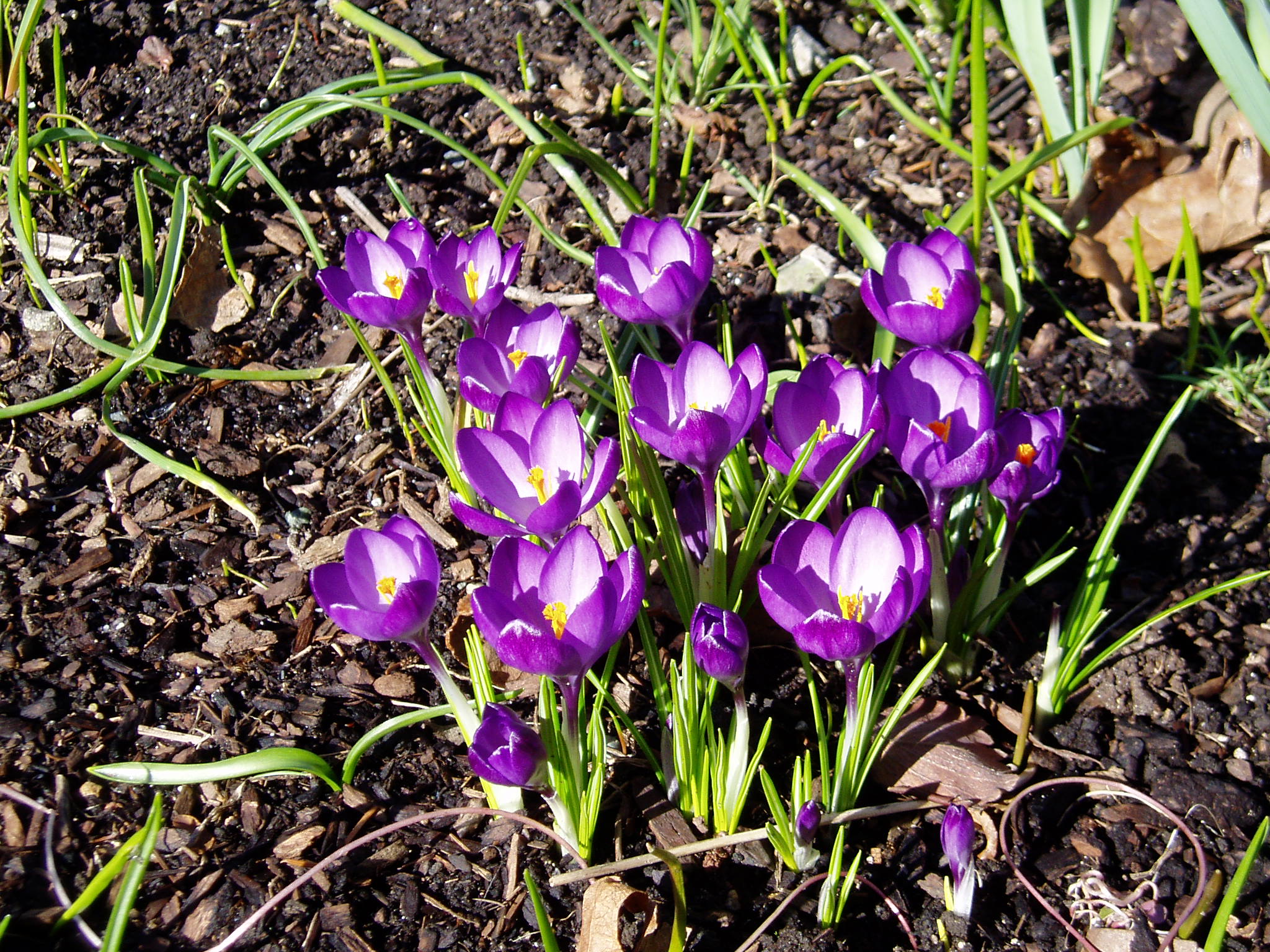
5- Crocus & Snow Crocus appear in lawns and borders during moments of February sunshine.

crocus cluster gardem Victoria BC Pacific Northwest
photo by SVSeekins

  •  4-6 inches high (depending on cultivar)
  • naturalizing
  • Full Sun
  • zone:4 (a few are zone 3)

special notes
–  Snow Crocus top out at 4 inches high, so are great for naturalizing in lawns. Regular crocus are just a touch taller – – they don’t survive when the first mower cuts the grass, so they’re safer in beds.
– All of the Crocus in our yard are proven drought tolerant.
– see also
Flower Count – Day 5 – Crocus
Dandelion Dilemma
Meadow Blooms – Crocus

And yeah, I know, all of these super-early gems are called spring flowers even though, in this mild climate, they bloom before the spring equinox. Don’tcha just LOVE the promise of spring?

-30-