Tag Archives: Victoria

Top 5 Deer Resistant, Late Spring Bulbs

The deer in our neighborhood of Victoria ( Mt. Tolmie’s black-tailed deer) have shown no interest in these spring blooming bulbs.

An added bonus is that picks # 1, 3 & 4 (and the bonus pick) have proven themselves drought tolerant through our long dry summers (even 100 days without rain).

1- Dutch Iris (Iris hollandica) starts to emerge from dormancy in early autumn.  It’s nice to see their green sprouts through winter.  The blooms fulfill the promise in May.

 Dutch Iris, Iris hollandica, garden Victoria, Vancouver Island, BC, Pacific Northwest
photo by SVSeekins
  • 22 inches high
  • naturalizing
  • Full Sun – Part Shade
  • zone 5

special notes
-Like Reticulated Iris, Dutch Iris is a bulb.  Other iris have rhizomes or regular-looking root systems.  So far, all that I’ve grown have been deer tolerant.

2- Summer Snowflake (Leucojum aestivum) joins the spring celebrations in April & May.

Leucojum, summer snowflake, garden Victoria, Vancouver Island, BC, Pacific Northwest
photo by SVSeekins
  • 14 inches
  • naturalizing
  • Full Sun – Part Shade
  • zone: 5

special notes
-Leucojum is fairly new to me, but it’s delightful to find another spring flower the deer leave alone.  It reminds me of a snowdrop on steroids & blooms much later in the season.

3- Great Camas (Camassia leichtlinii ) is a bulb I anticipate all spring.  It finally blooms in late May early June.

Great Camas, Camassia leichtlinii along Uplands Park path, garden Victoria BC Pacific Northwest
photo by SVSeekins
  • 36 inches high
  • naturalizing
  • Full Sun – Part Shade
  • zone  4

special notes
– Great Camas grow happily in full sun as well as along edges, so it suits my garden. Camassia quamash, the Common Camas, must have full sun.  It doesn’t survive in my beds & borders.
– see also

4- Yellow Onion (Allium Moly Luteum) bloom in June after most of the spring show is waning.

Allium Moly Luteum, golden garlic, yellow onion, garden Victoria, Vancouver Island, BC, Pacific Northwest
photo by SVSeekins
  • 10 inches high
  • naturalizing
  • Full sun – Part Shade
  • zone 3

special note
– Allium smell like an onion (so the deer leave them alone) but this is a decorative flower rather than one intended for the grill.
–  The most spectacular Allium are the giant purple balls, but they slowly disappeared from my beds. Moly Luteum  is steadfast, handles shade and drought, and grows easily in our garden — therefore it’s my fave.

5- Calla or Arum Lily (Zantedeschia aethiopica) appears around town as early as May, but the variety in our garden blooms in June.

Zantedeschia aethioica, calla or arum lily , garden Victoria, Vancouver Island, BC, Pacific Northwest
photo by SVSeekins
  • 36 inches
  • naturalizing
  • Full Sun – Part Shade
  • zone: 8

special notes
–  This particular white Zantedeschia (not a true lily) is hardy to our area, but any of the colored varieties have never survived more than one winter outside in our garden.  Dad & Jane, in zone 3,  winter theirs inside the heated garage.
– Visually, I look at the underground part of the Zantedeschia, and it seems more rhizome-like than bulb-ish, BUT I’ve seen it classified as a bulb on some websites…  and it’s often sold at the same time as the spring-blooming bulbs… AND I like it… so it’s staying on this list.  🙂

Special Pick

 Bluebells (Hyacinthoides hispanica & Hyacinthoides non-scripta) carpet gardens & parkland in May.

Hyacinthoides hispanica – spanish blue bells garden Victoria, Vancouver Island, BC, Pacific Northwest
photo by SVSeekins
Hyacinthoides hispanica – spanish blue bells garden Victoria, Vancouver Island, BC, Pacific Northwest
photo by SVSeekins
Hyacinthoides hispanica – spanish blue bells garden Victoria, Vancouver Island, BC, Pacific Northwest
photo by SVSeekins
  • 14 inches
  • naturalizing
  • Full Sun – Part Shade
  • zone: 4

special notes
-There is SO MUCH controversy about bluebells locally & in Europe.  They’re incredibly determined growers. Once in a garden it’s nearly impossible to be without them. (I once discarded a bunch in the compost & covered them with on 3 feet of garden waste – – they bloomed the next spring!)  I’ve heard claims that bluebells choke out our native Camas. I’ve also heard  warnings that the bluebell bulb contains toxins that kill off the competition — but I haven’t been able to verify that.  (Help me if you can.)
Either way, because Camas is a food source & bluebell isn’t I prefer Camas.
I have so many bluebells in my yard that my procedure is to enjoy the blooms until they show sign of wilt, then quickly pull flowers & foliage – – harsh, but that hasn’t reduced their abundance in any of the beds.
– aka: Scilla campanulataScilla hispanica and Endymion hispanicus.

To be honest, I’m almost exhausted after the spring bloom wraps up.  There’s so much excitement over the past few months.  Now instead of tending garden, my mind turns toward camping.  Fortunately, aside from tidying up after the ephemeral bulbs have died back, there’s little else to do with them – – except remember where they’re sleeping.  I don’t want to disturb them when I get the urge to planting something more.

-30-
Top 5 Deer Resistant, Mid-Spring Bulbs

The deer in our neighborhood of Victoria (the Mt. Tolmie black-tailed deer) have shown no interest in these spring blooms.

An added bonus is that all 5 picks have proven themselves drought tolerant through our long dry summers (even 100 days without rain).

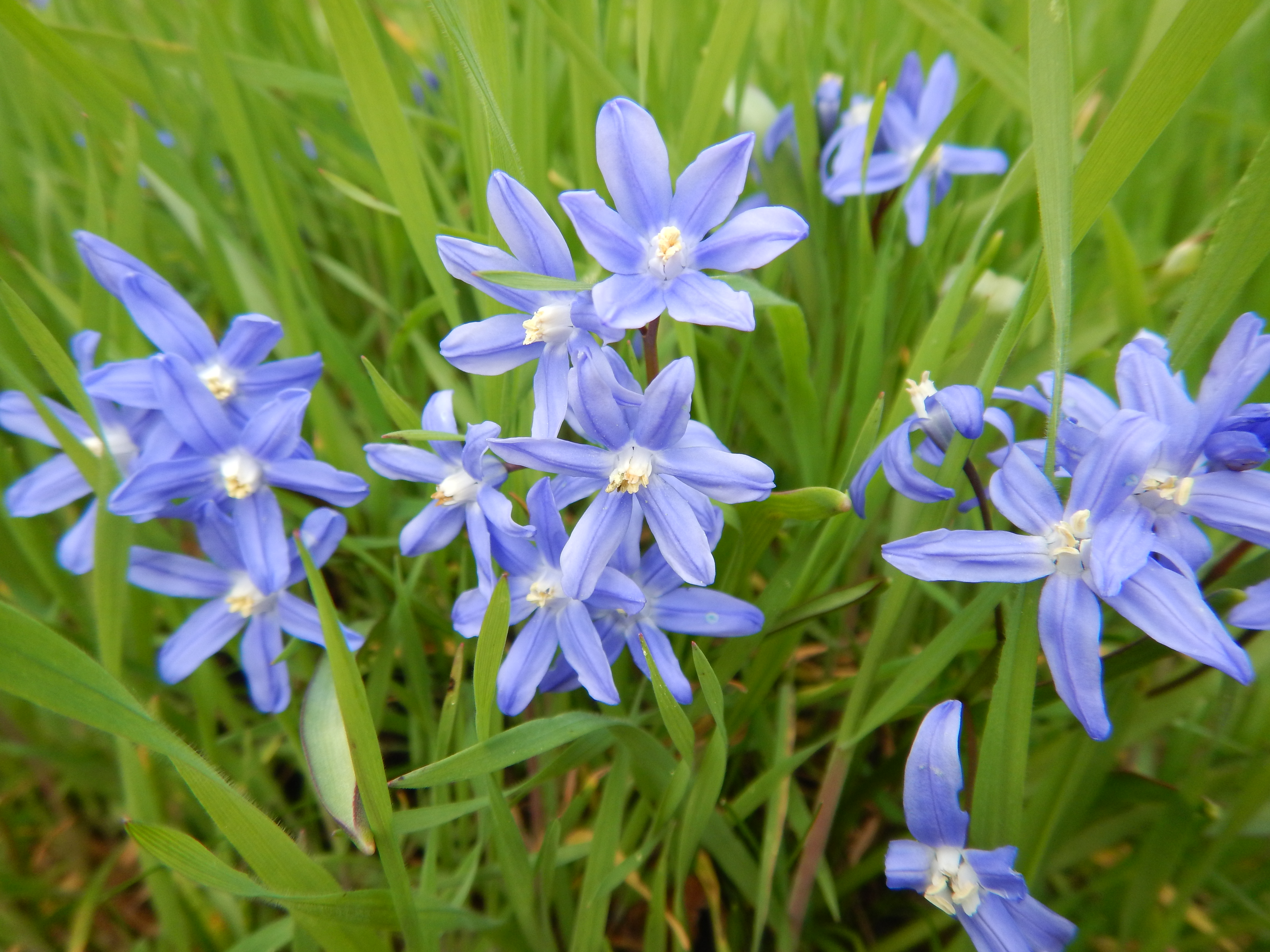
1- Glory of Snow (Chiondoxa forbesii) show their cheery faces in mid-March.

Glory of Snow, chionodoxa in Royal Oak at the Fireside Grill garden Victoria BC Pacific Northwest february
photo by SVSeekins
  • 6 inches high
  • naturalizing
  • Full Sun – Part Shade
  • zone 3

special notes
– A true naturaliser!  Some great places to view mass patches of them are Camosun College Lansdown Campus, Metchosin Church graveyard, and Summit Park.
– see also
Meadow Blooms 2 – Chiondoxa

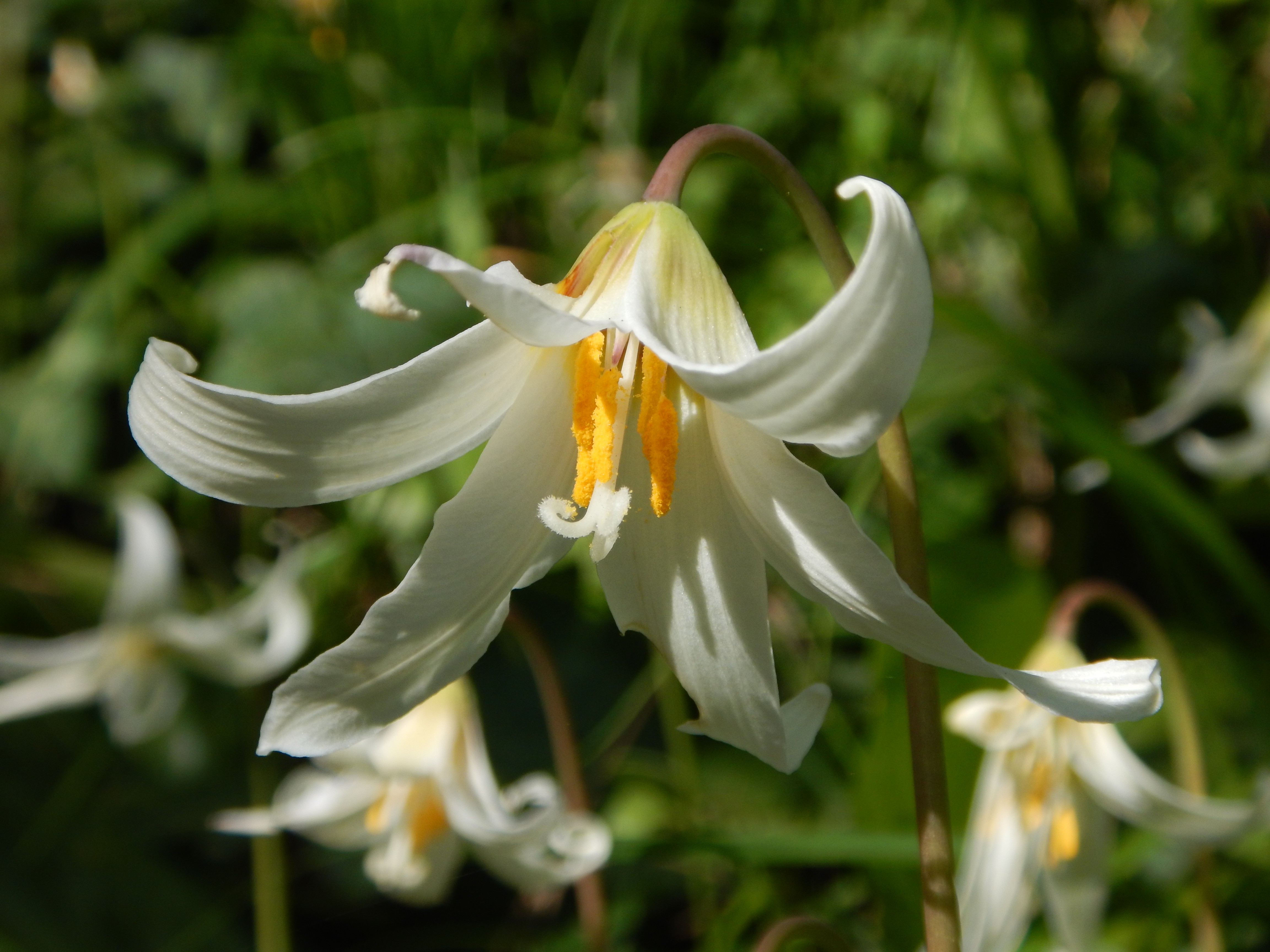
2- Fawn Lily (Erythronium oregonum) is often called the Easter Lily because it shows itself around Easter time – whether that’s in late March or mid-April.

white fawn lily bloom Erythronium oregonum garden Victoria, Vancouver Island, BC, Pacific Northwest
photo by SVSeekins
  • 6 inches high
  • naturalizing
  • Full Sun – Part Shade
  • zone 7

special notes
– see also
Meadow Blooms 4 – Fawn Lily
Fawn Lily at Easter
Spring Wildflower Walk

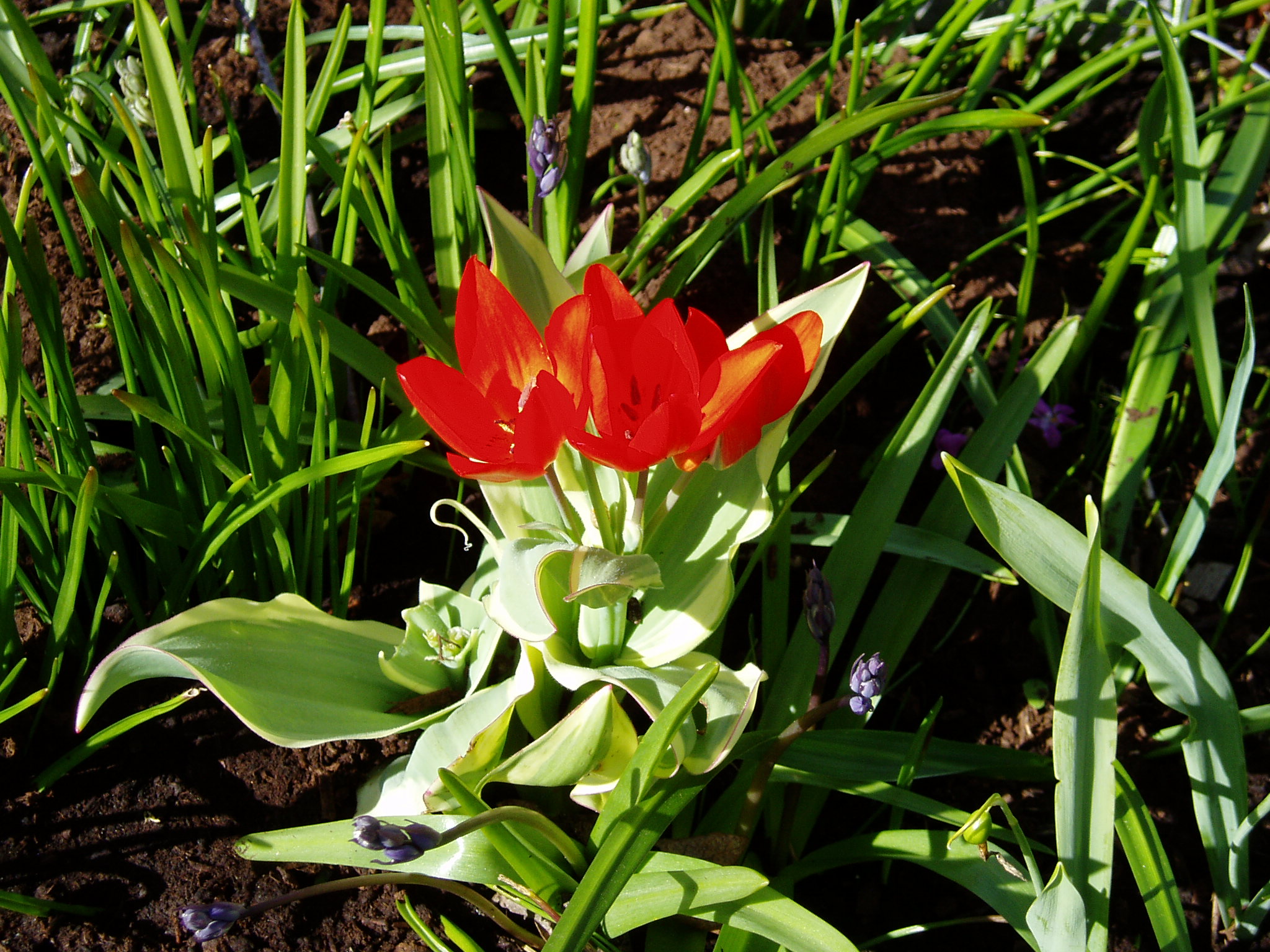
3- Mini Botanical Tulip adds to the spring celebration of blooms in April.

Tulipa saxatilis, mini botanical tulip garden Victoria, Vancouver Island, BC, Pacific Northwest
photo by SVSeekins
  • 4-10 inches high, depending on the variety
  • naturalizing
  • Full Sun – Part Shade
  • zone 3

    species tulip Tulipa praestans unicum garden Victoria, BC Vancouver Island, Pacific Northwest
    photo by SVSeekins

special notes

– Botanical Tulips are the only variety of tulips, in my experience, that deer leave alone.  Simply because I can, I DO… plant lots of them.
– Tulips prefer summer drought, so if you’re irrigating your garden, the tulips are better kept in pots & set elsewhere when their show is done.
– My current fave is Species Tulipa Praestans Unicum (4 in.) because it has multiple, bright red flowers on each stem AND  has variegated foliage.

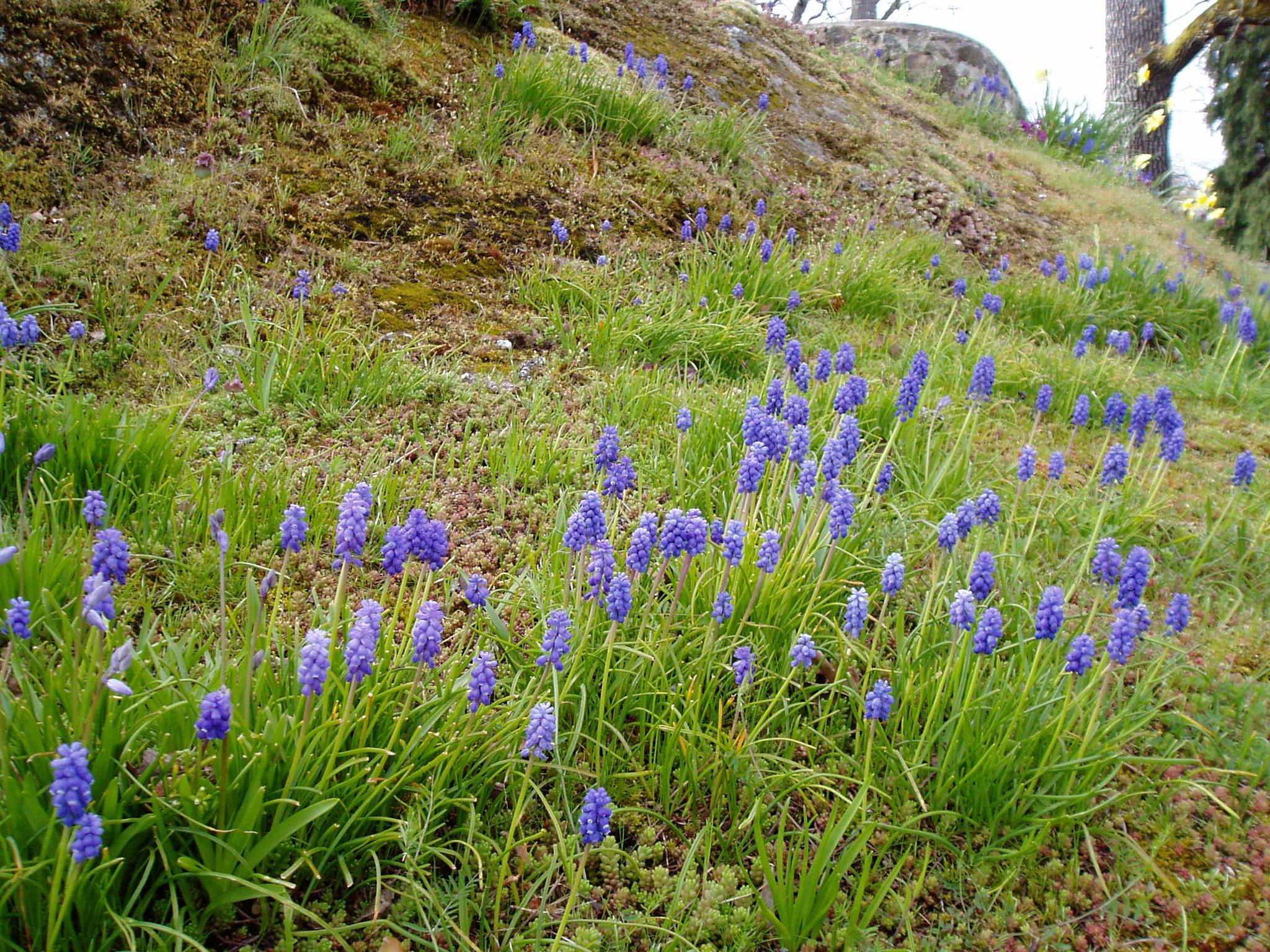
4- Grape Hyacinth (Muscari armeniacum) turn our Gary Oak Meadow to a sweep of blue when they bloom in mid-April.

grape hyacinth, Muscari armeniacum garden Victoria, Vancouver Island, BC, Pacific Northwest
photo by SVSeekins
  • 6 inches high
  • naturalizing
  • Full Sun – Part Shade
  • zone 4

    grape hyacinth, Muscari armeniacum garden Victoria, Vancouver Island, BC, Pacific Northwest
    photo by SVSeekins

special notes
– The leaves show up early in the autumn & are often grazed by the deer through the winter.  For whatever reason, shortly before the buds show, the deer lose interest.
– I was stunned when I heard a fellow gardener say that he regretted planting grape hyacinth.  They naturalize around here so well that they grow out of cracks along the edge of the driveway.  ‘That is determined’, granted, but I still enjoy them.
– see also
Looking Forward to Sunshine

5- Daffodils (Narcissus)  are bursts of sunshine in the March & April gardens.

daffodils Narcissus at Camosun College garden Victoria, Vancouver Island, BC, Pacific Northwest
photo by SVSeekins
  • 4- 24 inches high depending on the variety
  • naturalizing
  • Full Sun – Part Shade
  • zone 3 or 4 depending on the variety
Narcissus Daffodil, jonquil, daffadowndilly, meadow at HCP garden Victoria BC Pacific Northwest
photo by SVSeekins

special notes
– Daffodils are perhaps the best know bulb for deer resistance.  Here’s a quick list of my faves:
early – – Dwarf  narcissi ( with multi blooms per stem)
–– Tete a Tete (6 in.), Jetfire (10), Jack Snipe (10), Toto (8), Velocity (8)
early – mid – – Rock garden narcissi

–– Suzy (16 in.), Feb Gold + Quail (10),
mid – Late – – -Mini narcissi

— Baby Moon (10 in.) Canalaculatis (5) Golden Bells (4)

Bonus Pick

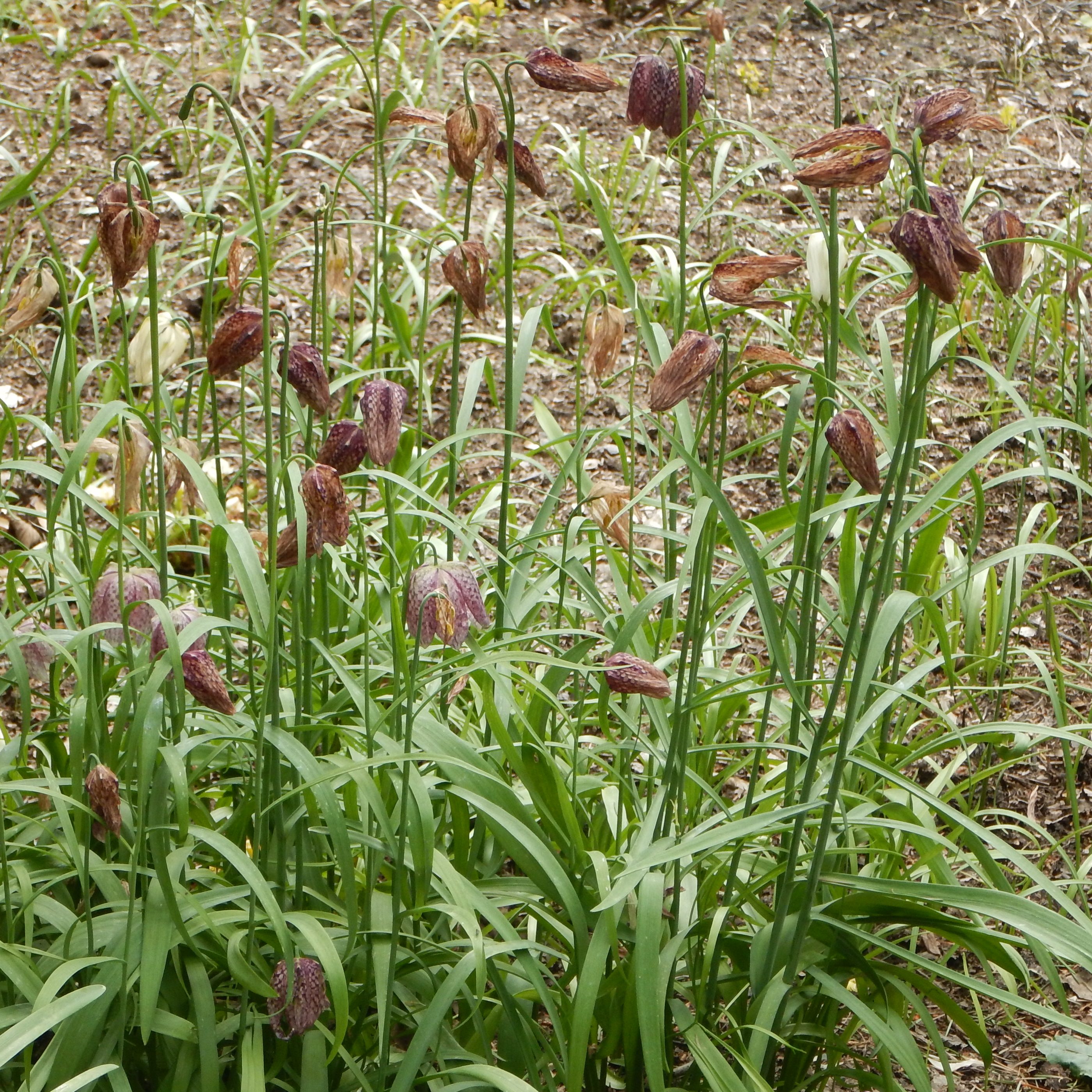
Fritillaria meleagris, checkered lily, snake head lily, chequered daffodil garden Victoria, Vancouver Island, BC, Pacific Northwest
photo by SVSeekins

6- Fritillaria also bloom in Victoria in mid-spring.
Chocolate Lily (Fritillaria michailovskyi) 8 inches, zone 5
Checkered Lily (Fritillaria meleagris) 8 inches, zone 3
special notes
– I can’t totally swear by these because I haven’t grown them in our garden, but I have seen them locally.

All of the Top 5 picks have been drought tolerant in our garden.  Fritillaria might need more moisture than I use in the summer, but I’m like most gardeners — coveting the plant on the other side of the fence.
🙂

-30-

Red-Hot Pokers in Winter

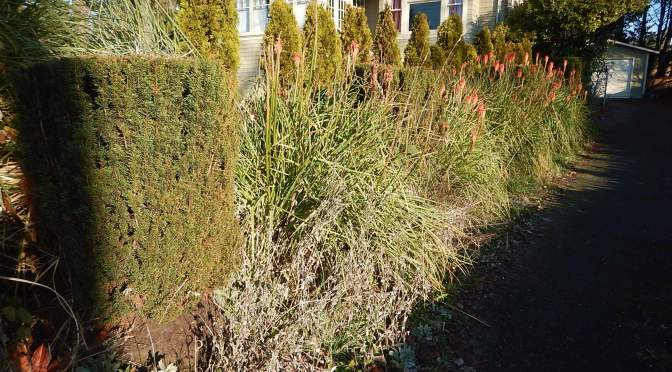
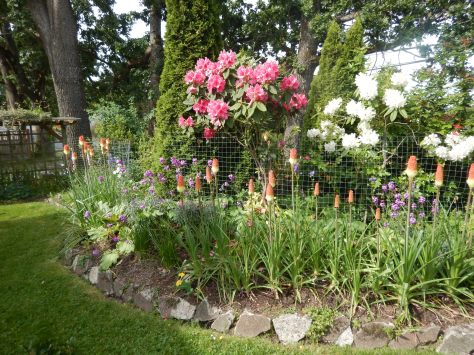
A blooming swath of red-hot pokers (aka torch lily, aka Kniphofia) caught my eye last November.  Seriously – November!

red hot poker kniphofia garden Victoria, Vancouver Island, BC, Pacific Northwest
photo by SVSeekins

That seems crazy.  Its broad, strappy foliage resembles the Kniphofia that blooms in our garden in May– six months earlier.  Who knew there were such varieties?  And how can I get some??

In the cool overcast of autumn, these kniphofia flowers stand up much longer than our spring bloomers.

red hot poker kniphofia snow garden Victoria, Vancouver Island, BC, Pacific Northwest
photo by SVSeekins

When it starts to snow on Christmas Eve, I’m concerned.  On Christmas Day, the snow sparkles on the garden, telling the world that winter is here.

In my experience, snow cover is the tipping point when red-hot pokers disintegrate into a slimy mess. (Fortunately, they come back in spring! Some Kniphofia are actually cold hardy to zone 5 – that’s to -25 C  🙂 I can’t imagine them growing in the Tiffindel ski area of South Africa, but apparently, that’s home. )

red hot poker kniphofia snow garden Victoria, Vancouver Island, BC, Pacific Northwest
photo by SVSeekins

By Boxing Day, the snow is gone.  I’m ecstatic.  Don’t get me wrong – there is something magical about a White Christmas — but followed by a Green Boxing Day is perfection!

red hot poker kniphofia garden Victoria, Vancouver Island, BC, Pacific Northwest
photo by SVSeekins

Mysteriously, all of the Kniphofia survive– leaves and all!  Relief!
Now, I’m curious to know which temperature precisely brings on their disintegration.

red hot poker kniphofia garden Victoria, Vancouver Island, BC, Pacific Northwest
photo by SVSeekins

In Victoria, we have a School-Based Weather Network.  Most schools host tech monitoring the individual climatic pockets around town.  It’s very handy.  There’s a station just a block away. I prefer to confirm rainfall & temperatures uber-locally and not count on the information coming out of Victoria Airport, 25 km away.

red hot poker kniphofia garden Victoria, Vancouver Island, BC, Pacific Northwest
photo by SVSeekins

As it turns out, the temperatures through the storm barely dipped a degree below freezing.   We’ve had plenty of mornings like that through December, just without the snow. Perhaps it’s temperatures like -5 or -10 C that knocks the Kniphofia back?  We get those temperatures here, but rarely.   Any idea?

Now, at the end of January, the blooms around the corner from us are just wrapping up.  It’s amazing, really:  3 months of colour.  I admit they’re looking a bit ratty, but I’m desperate for flowers at this time of year.  🙂

-30-

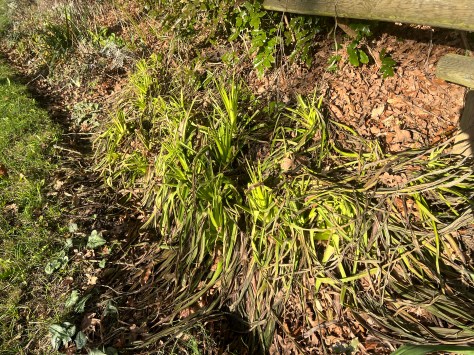
PS– Fast-forward to January 2024… It’s snowed again. (It’s snows each winter, but the Kniphofia stayed green.) This time, the temperatures dipped to -10 C. That did it. The Red Hot Pokers collapsed. Some went a bit slimy, others just seemed dehydrated.

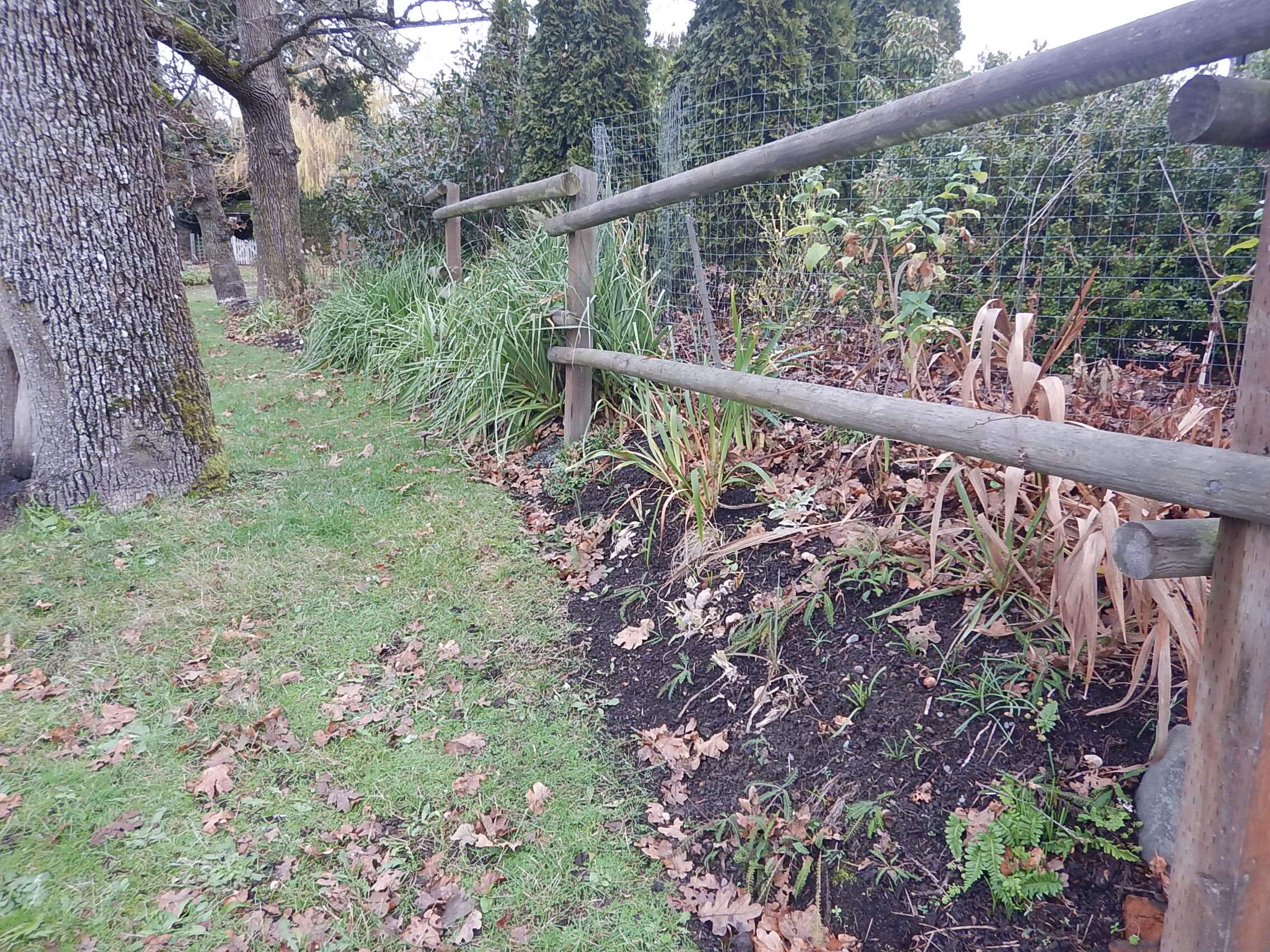
red hot pokers knocked back by -10 C, kniphofia, torch lily, tritoma, poker plant, garden Victoria, Vancouver Island, BC, Pacific Northwest
photo by SVSeekins

Temperatures on one side of the shrub border seem to have been colder than on the other side. Perhaps wind direction made a difference?  By early February, the Red Hots on that ‘other side’ are already starting to recover…

red hot pokers recovering from -10 C, kniphofia, torch lily, tritoma, poker plant, garden Victoria, Vancouver Island, BC, Pacific Northwest
photo by SVSeekins

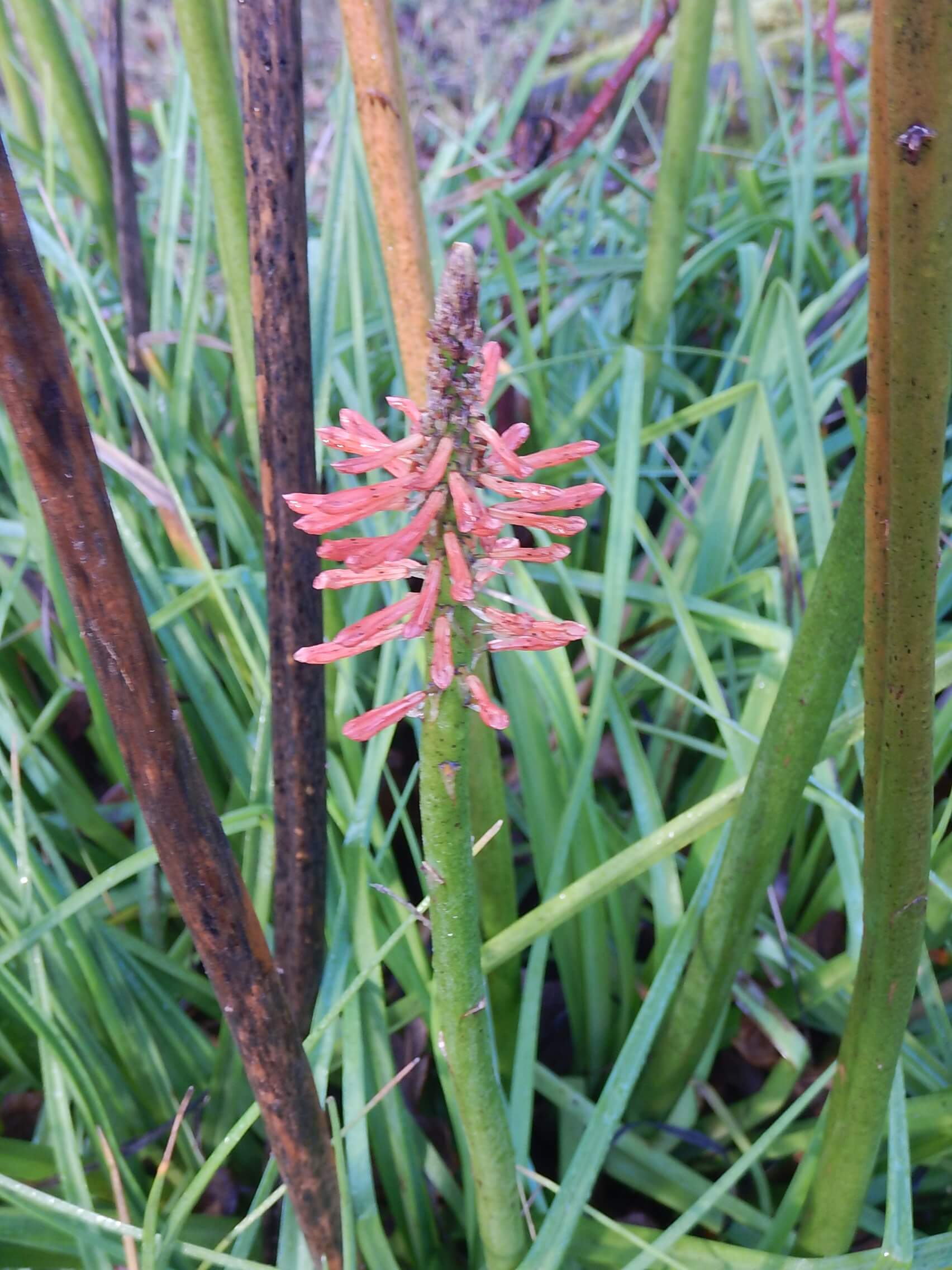
By early April, I’m not seeing new shoots from the colder side of the shrub border.  My fingers are crossed.  I’m hoping that by May, they’ll be happily blooming again.

blooming red hot pokers, kniphofia, torch lily, tritoma, poker plant, garden Victoria, Vancouver Island, BC, Pacific Northwest
photo by SVSeekins

-30-