Category Archives: evergreens

Jade Tree Blooming

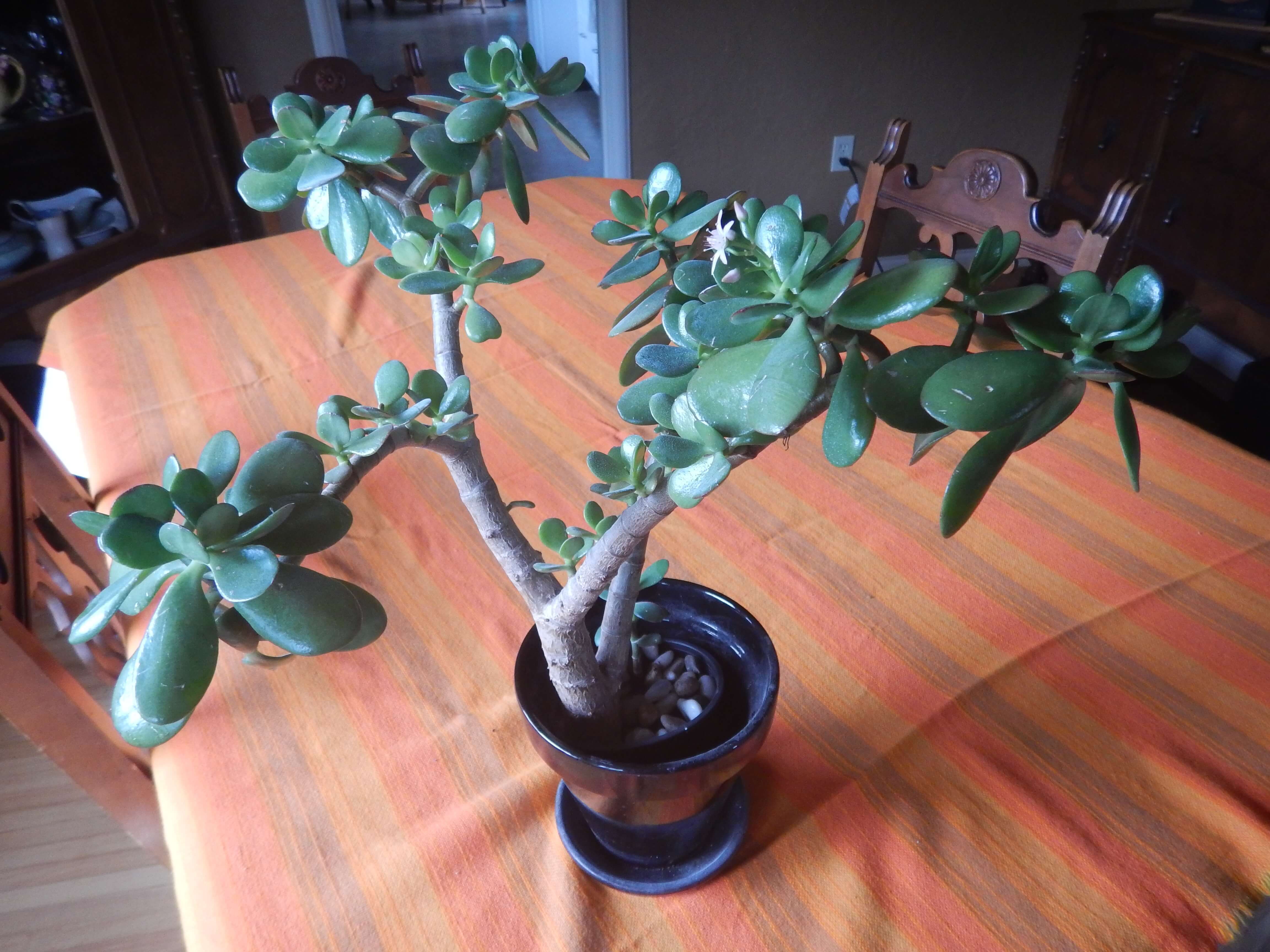
The Jade Tree became a favourite houseplant back in the ’70s when I first grew one in a terrarium. I liked that Crassula ovata is such a funky, almost fake-looking, evergreen plant.
Jade plant, Crassula ovata, Crassula portulacea, Crassula argentea, Jade plant, jade tree, money plant, money tree, succulent, friendship tree, garden Victoria BC Pacific Northwest
photo by SVSeekins

It’s so tough & forgiving that it’s perfect for the newbie grower. I forgot to water every once in a while and it didn’t die. (Aren’t drought-tolerant succulents great?)

The Jade tree propagates like a dream – who would guess that accidentally knocking off a leaf or a branch would result in a whole new plant? Yup — it’s just that easy. 🙂

It seems to be happy in a tiny pot for years. Happy plants are beneficial for newbies. Success is almost like drugs. I bravely added other succulents & tropicals to the big glass jar. Perhaps that’s where my addiction started?

It wasn’t until I saw a Jade in an Australian garden that it even occurred to me that these houseplants could grow outside
and that it could get big ! (Over waist-high.)
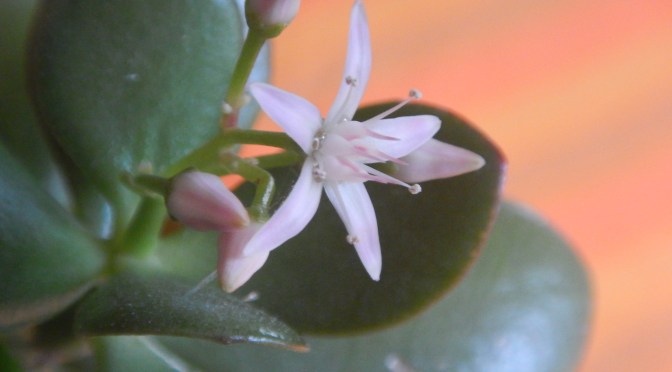
much less bloom !! (Even the flowers look fake.)
I had new goals to strive for.

Jade plant, Crassula ovata, Crassula portulacea, Crassula argentea,  Jade plant, jade tree, money plant, money tree, succulent, friendship tree,  garden Victoria BC Pacific Northwest
photo by SVSeekins

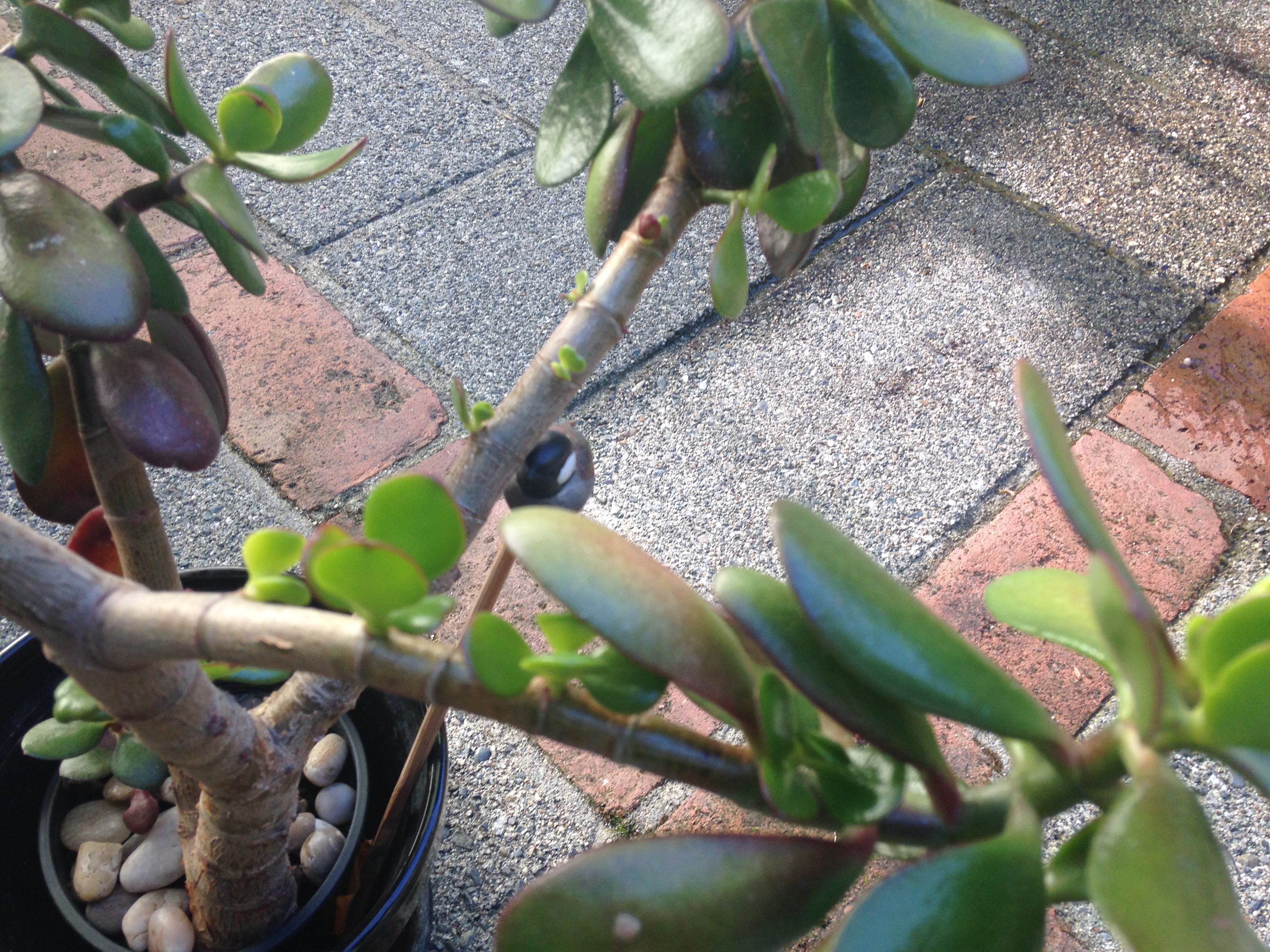
Yup – these South African natives can grow outside in our Pacific Northwest, if only for the summer. I bring the pot outside in May after the last frost & set it in dappled shade for a few weeks. Like me, The Jade tree sunburns easily.
Jade plant, Crassula ovata, Crassula portulacea, Crassula argentea, Jade plant, jade tree, money plant, money tree, succulent, friendship tree, garden Victoria BC Pacific Northwest
photo by SVSeekins

Eventually, I shift it into full sun & the sucker starts to grow like mad.

Ahead of autumn’s first frost, I carefully spray the plant, removing any insects, before moving it inside the house.

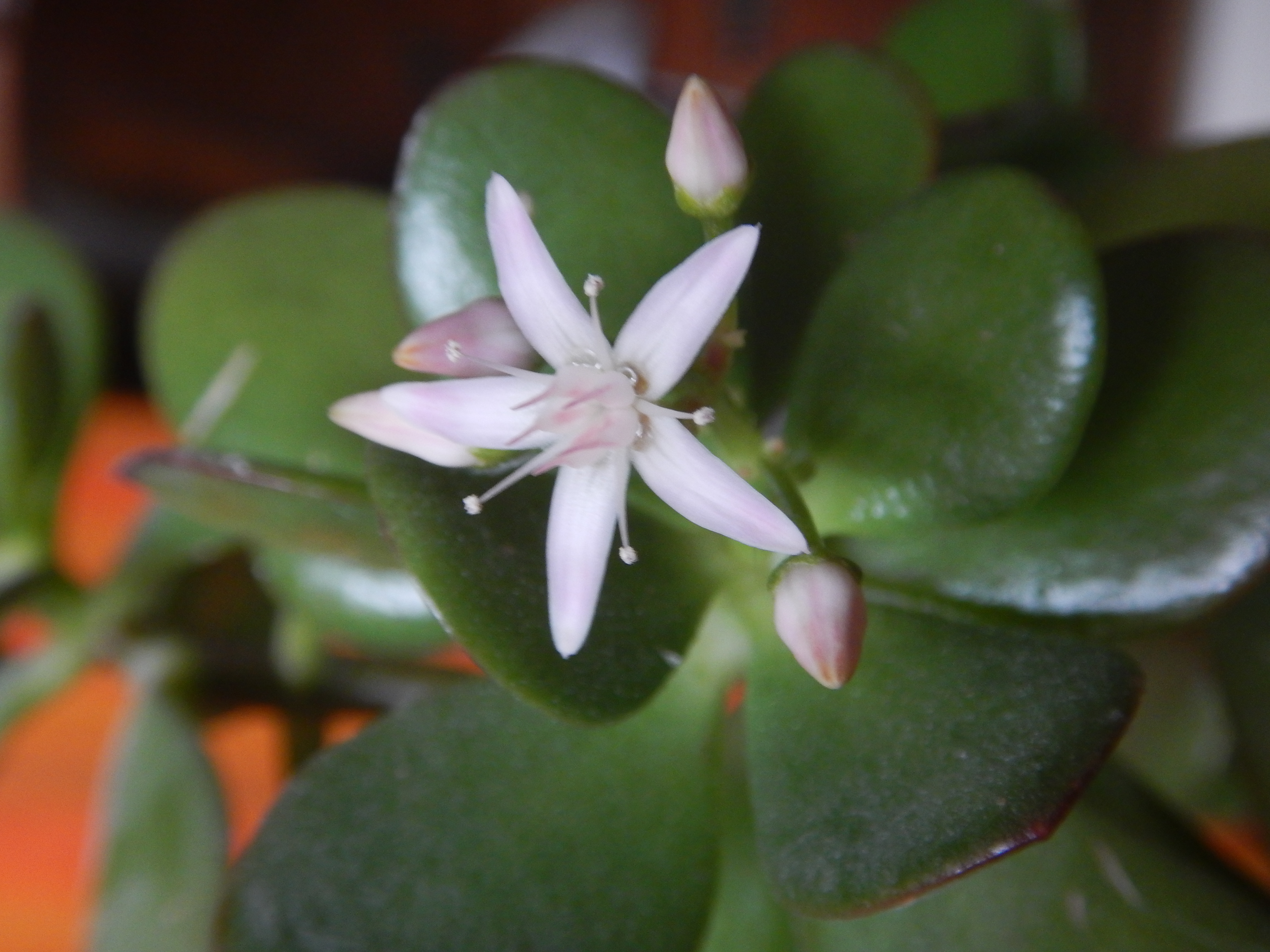
After a of couple weeks inside I was stoked to discover our Jade Tree coming into flower!
Jade plant, Crassula ovata, Crassula portulacea, Crassula argentea, Jade plant, jade tree, money plant, money tree, succulent, friendship tree, garden Victoria BC Pacific Northwest
photo by SVSeekins

The pot sat beside the cool basement window where it only got sunlight during the day. I rarely go into that room in the evening, so the Jade Tree was in the dark for long periods. It acts just like a poinsettia! They won’t flower either unless the light is limited for a while. What a happy outcome – – I wasn’t even trying to get blooms! (That dream died long ago.)
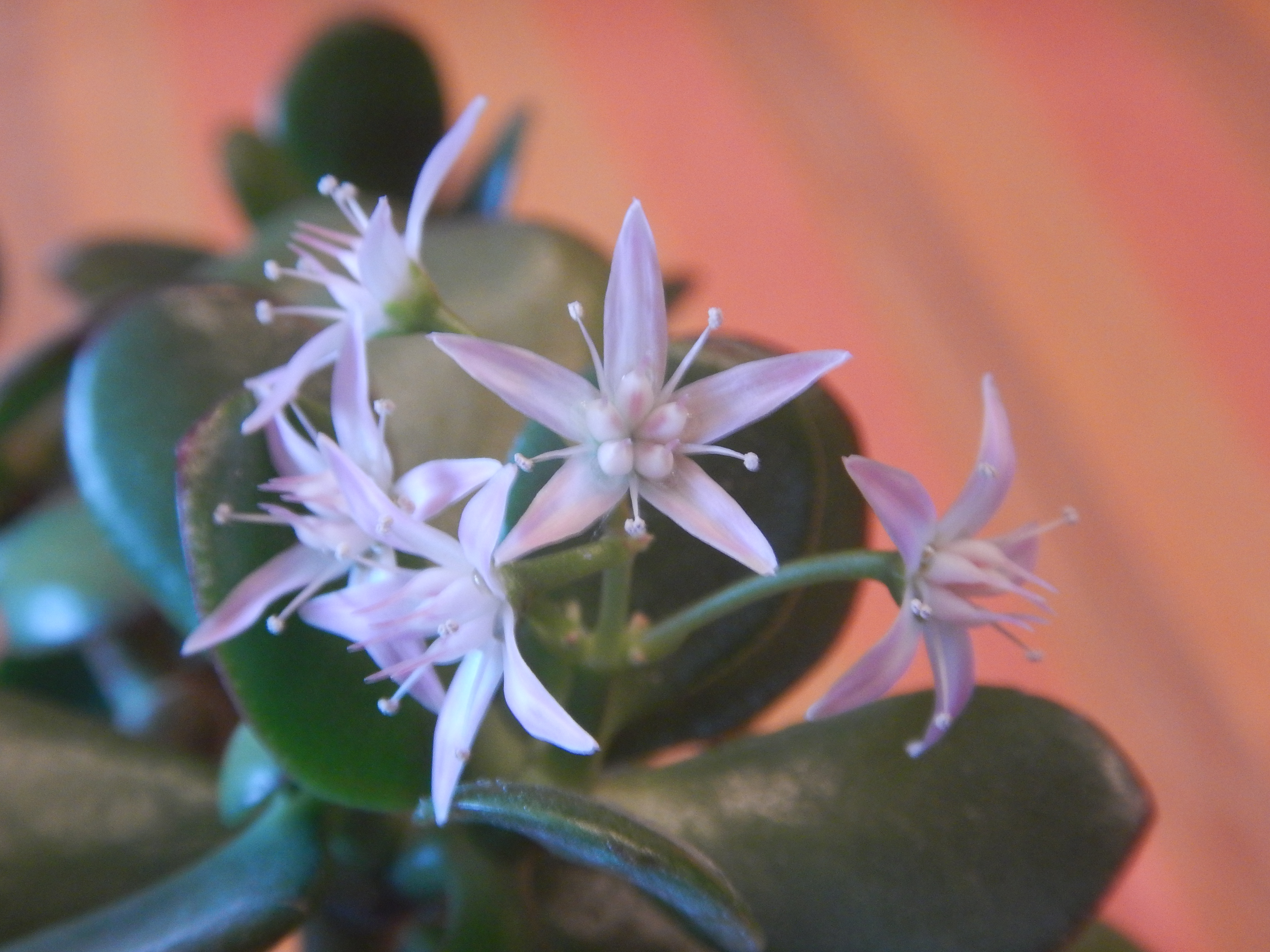
Jade plant, Crassula ovata, Crassula portulacea, Crassula argentea, Jade plant, jade tree, money plant, money tree, succulent, friendship tree, garden Victoria BC Pacific Northwest
photo by SVSeekins

The circle of buds open slowly, one by one, giving me weeks of enjoyment. Now my plan is to repeat this process next year – – then, just maybe, if it’s blooming even more profusely… we can call the Jade our Christmas tree.

Do you think C would go for that?

-30-

Hungry Deer

It wasn’t unusually cold but this must’ve been a looooong winter for our local deer. They’re feeding on things they don’t even like.

species tulips - browsed by deer,
photo by SVSeekins

Gardeners know that deer like tulips.  But the smaller species tulips have always been safe.  Not this year.  Check this out: in a plot of a dozen botanical tulips- only 4 blooms survive.  It looks like a deer snacked on leaves, then came back a few days later to taste-test the flowers. The flavour must be pretty bad because someone didn’t clean his plate.

laurel browsed by deer
photo by SVSeekins

Each winter the deer get hungry enough to nibble on some of the broad-leaved evergreens. This laurel has never been chewed down like this before.  There’s a toxin in laurels, so deer avoid it most of the time.  I’ll bet this browsing session caused indigestion!

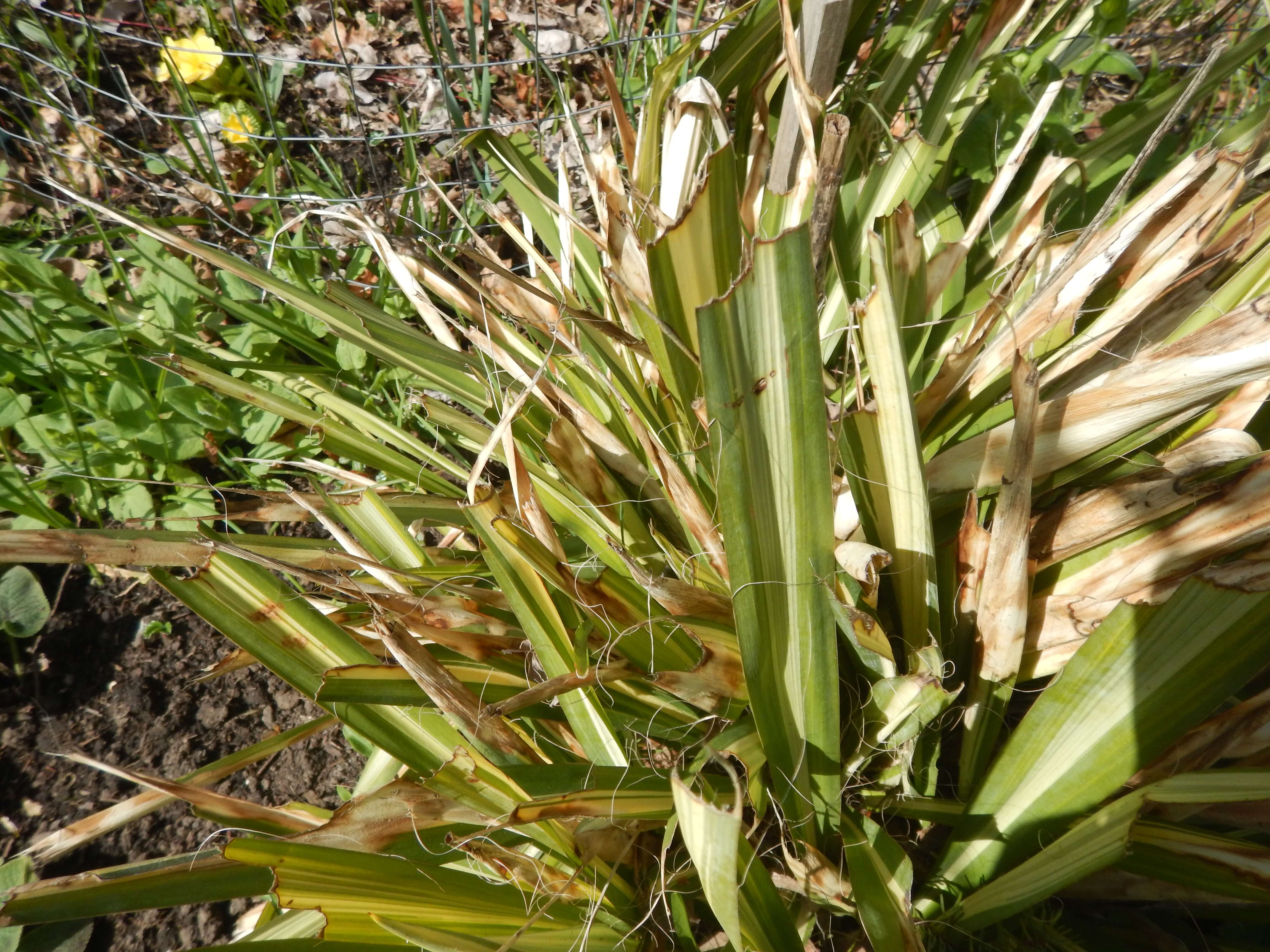
variegated yucca browsed by deer
photo by SVSeekins

Even variegated yucca is looking tattered & much worse for wear.  In our garden, the deer always take the bloom before it opens, but the leaves – – they’re so sharp  & tough & stringy!!  Good grief.  Aside from the toxicity factor, how is it even palatable?

I’ll bet the herd is glad the spring growth is on its way.

But then again…
Even in the growing season, the deer on Mt. Tolmie have taken to eating Lily of the Valley.  They never used to do that.

Licorice fern, Polypodium glycyrrhiza,Polypodium occidentale, Polypodium vulgare subsp. occidentale, many footed fern, sweet root, , garden Victoria, Vancouver Island, BC, Pacific Northwest
photo by SVSeekins

We used to have lush licorice fern in the yard.  Now it’s barely holding on.

There must be some other reason than the scarcity of winter.  I reckon it’s because our urban herd is growing, as is human density.  This dynamic presents some challenges:

  • Housing is taking up a higher percentage of space in a city lot.
  • In turn, that increased housing is reducing the size & number of gardens.
  • There are more & more urban deer – – grazing on fewer & smaller gardens.
  • The deer are getting hungry.

I’ve improved some of the caging around our garden beds.  I’m not much of a fan of that look, but it’s better than naked shrubs & dead perennials.  It’s getting more difficult to decide which plantings to leave exposed.
I still enjoy seeing wildlife in our neighbourhood.
We’re both caught between a rock & a hard place.

-30-


Apple Blossom Camellia

Camellia japonica apple blossom, Joy Sander, Camellia sasanqua,, garden Victoria, Vancouver Island, BC, Pacific Northwest
photo by SVSeekins

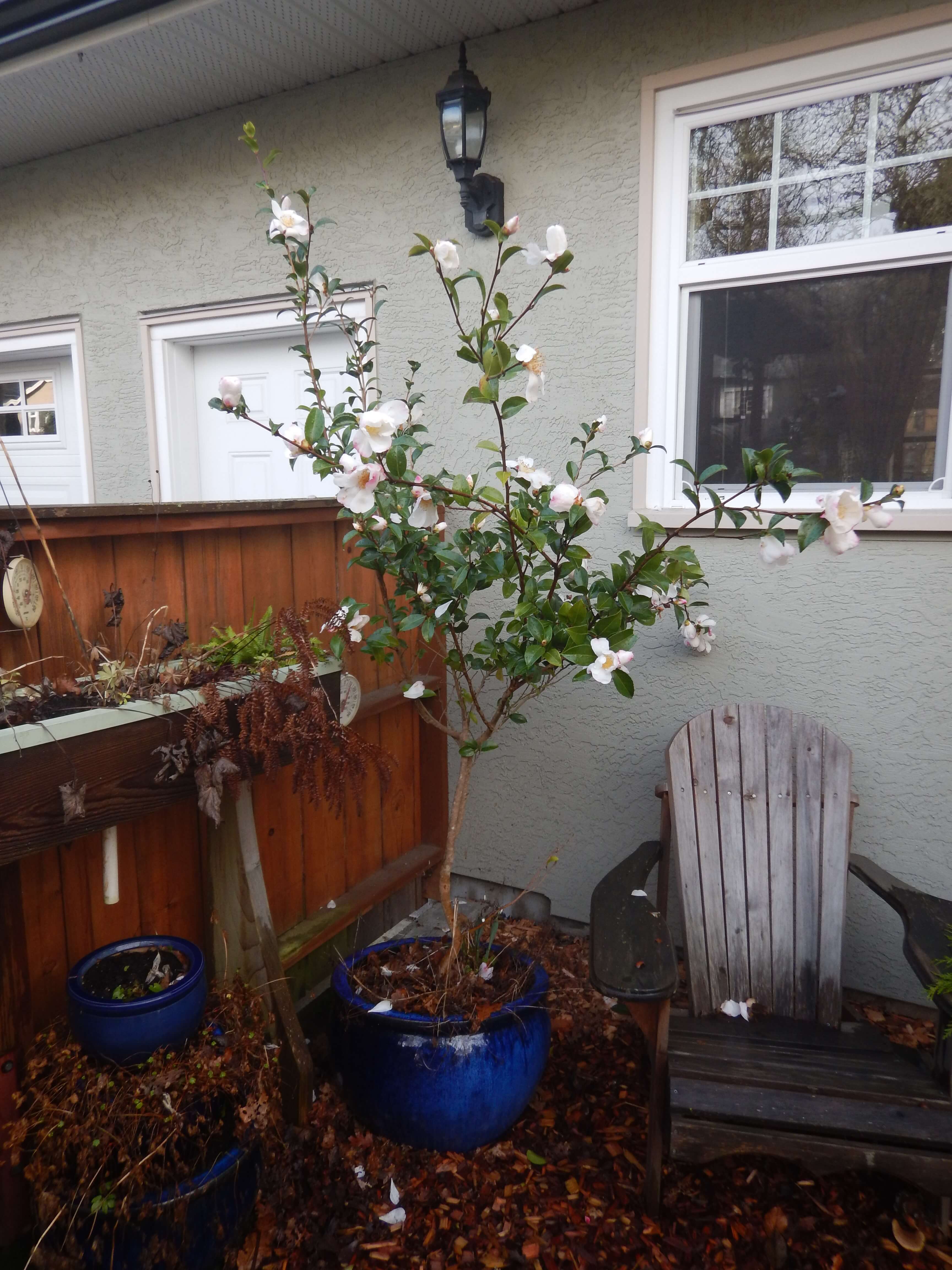
Here’s a darling fall & winter flower that caught our Christmas guest’s attention as they came to the door.

Camellia japonica apple blossom, Joy Sander, Camellia sasanqua,, garden Victoria, Vancouver Island, BC, Pacific Northwest
photo by SVSeekins

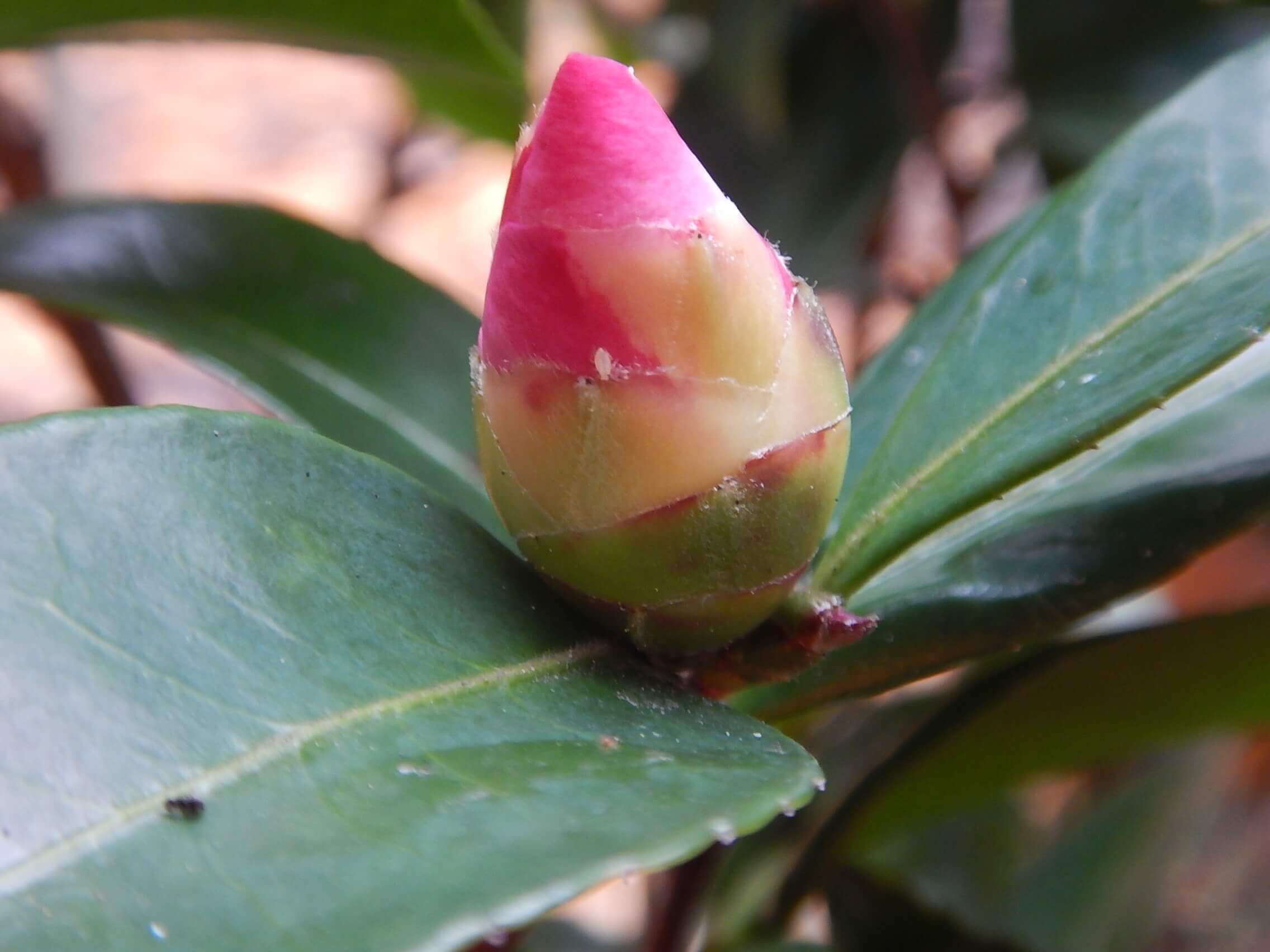
Camellia ‘Apple Blossom’ is just beginning to bloom at Haloween.  It continues through November and December if the weather is right.

I treasure every new bloom.  But the shrub doesn’t garner our guests’ compliments until the winter solstice has passed.

Camellia japonica apple blossom, Joy Sander, Camellia sasanqua,, garden Victoria, Vancouver Island, BC, Pacific Northwest
photo by SVSeekins

When protected from the brunt of the wind, this camellia happily goes about its business.  Even our resident blacktail deer seem to let it be.  🙂

Camellia japonica apple blossom, Joy Sander, Camellia sasanqua,, garden Victoria, Vancouver Island, BC, Pacific Northwest
photo by SVSeekins

My morning coffee is that much more of a treat when I’m also watching the overwintering Anna’s hummingbirds investigating the Camellia blossoms.

When each flower opens, its pink petals fade to white.
Plain.
Hummingbirds typically look for more dramatic blooms.
I reckon it’s the heavy yellow pollen that is drawing them near.

Camellia japonica apple blossom, Joy Sander, Camellia sasanqua,, garden Victoria, Vancouver Island, BC, Pacific Northwest
photo by SVSeekins

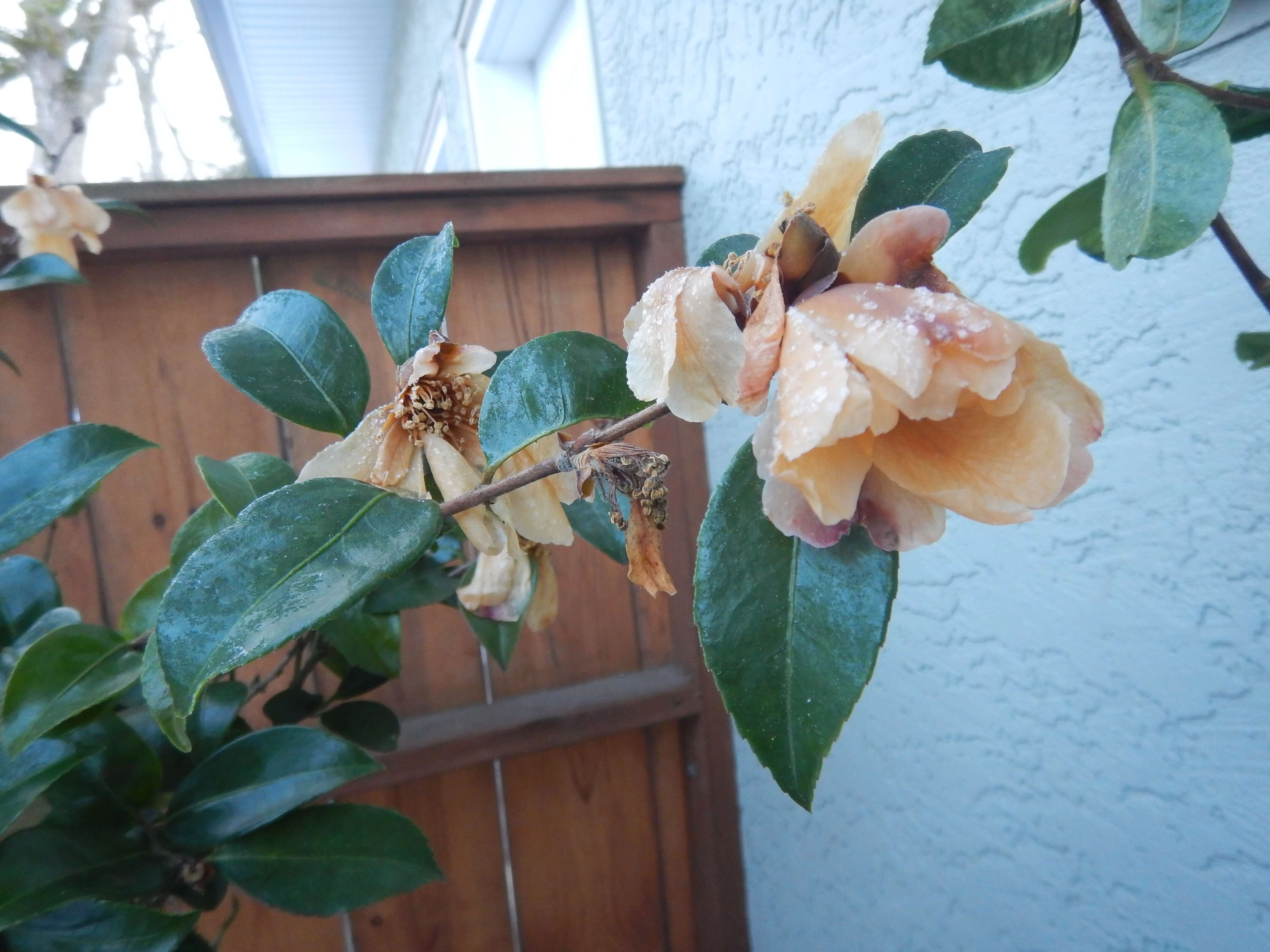
In mid-January, the Pacific Northwest suffered a snowstorm.  Now that’s drama!

Camellia japonica apple blossom, Joy Sander, Camellia sasanqua,, garden Victoria, Vancouver Island, BC, Pacific Northwest
photo by SVSeekins

The delicate buds & blooms froze – then turned brown & mushy.
So sad.
If it had stayed sunny with only light rain, the flowers would have lasted.  Alas, that’s just not often our January weather.

Fortunately for me, this camellia is listed as zone 5 – – and we don’t get that kind of cold in Victoria.  Our shrub should survive to bloom another day…
maybe not this winter…
but perhaps next fall.    🙂

-30-

PS.  Here are some more pink fall friends: