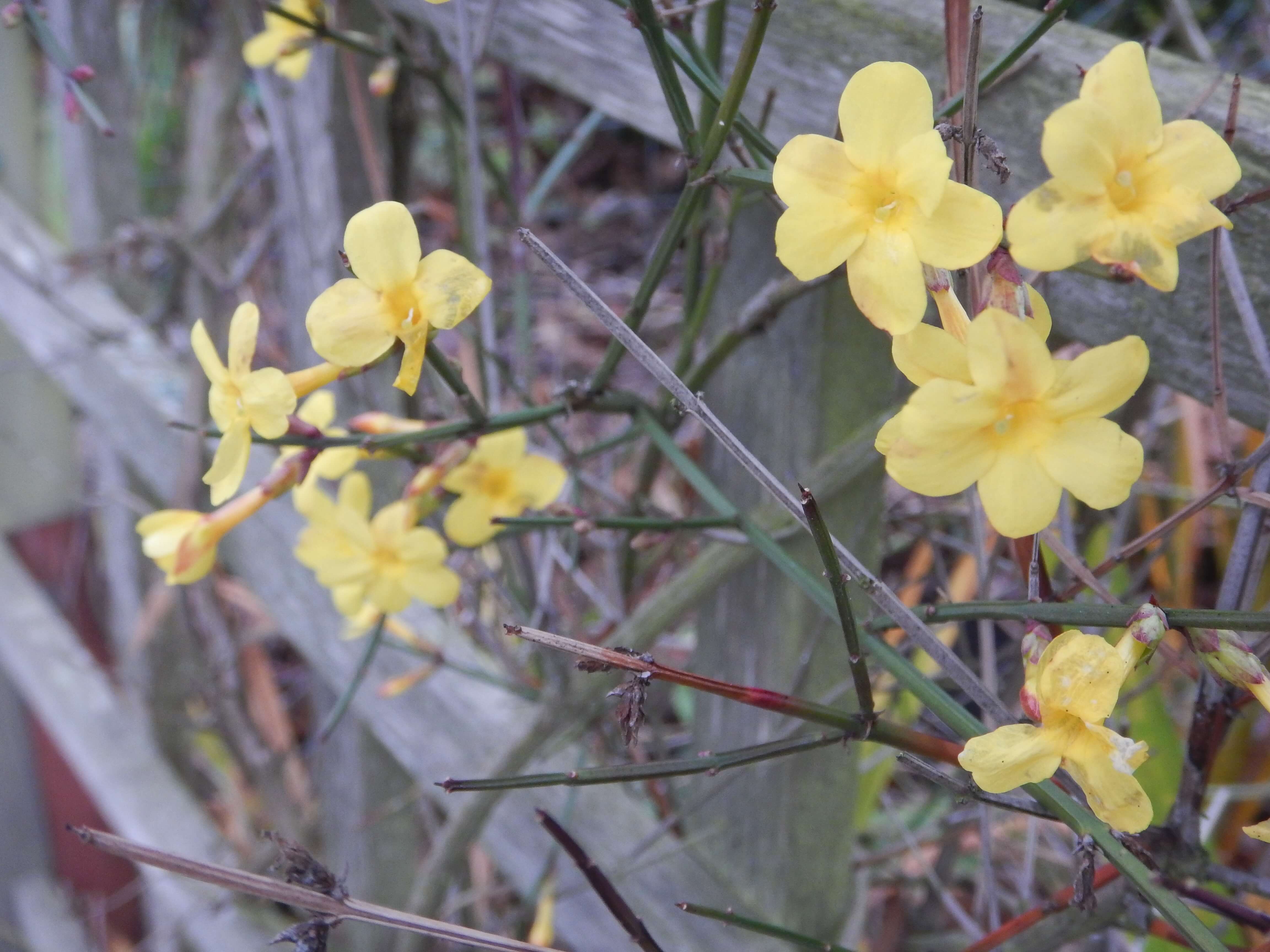
I spotted a lovely specimen of Winter Jasmine at the Horticultural Centre of the Pacific on a crisp January day.
What struck me was the mounding form. The long branches create a cascade of wee yellow flowers. This plant grows in a fenced area protected from our urban blacktail deer.
photo by SVSeekins
I’m now suspicious the deer nibble at the Jasmine I’ve been weaving through our trellis.
photo by SVSeekins
Now that our jasmine covers most of the lattice, I’ll start an experiment. This spring, I’ll let any of the new branches grow – – no more weaving. We’ll see if we get some long drapes similar to the Jasmine at HCP.
Will the deer nibble the branches?
Or will we have a waterfall of yellow next December?
Strathcona Park, on Vancouver Island, is known for its mountain vistas & fantastic hiking trails. Although my knees no longer allow me to wander from valley to alpine so easily, there are still trails I use each time we camp at Ralph River. It’s a place of active living.
photo by SVSeekins
That’s why I had to smile when I came across some new accessibility symbols around the campground. The revamped signs evoke active living, too. This is certainly more in line with some folks I’ve known who live lives with chairs. There’s no slowing them down.
photo by SVSeekins
Until now, it hadn’t occurred to me how the older accessibility symbol was so static & relaxed. Yes, if someone using a wheelchair is camping at Ralph River, she/he is not the static & relaxed type. 🙂
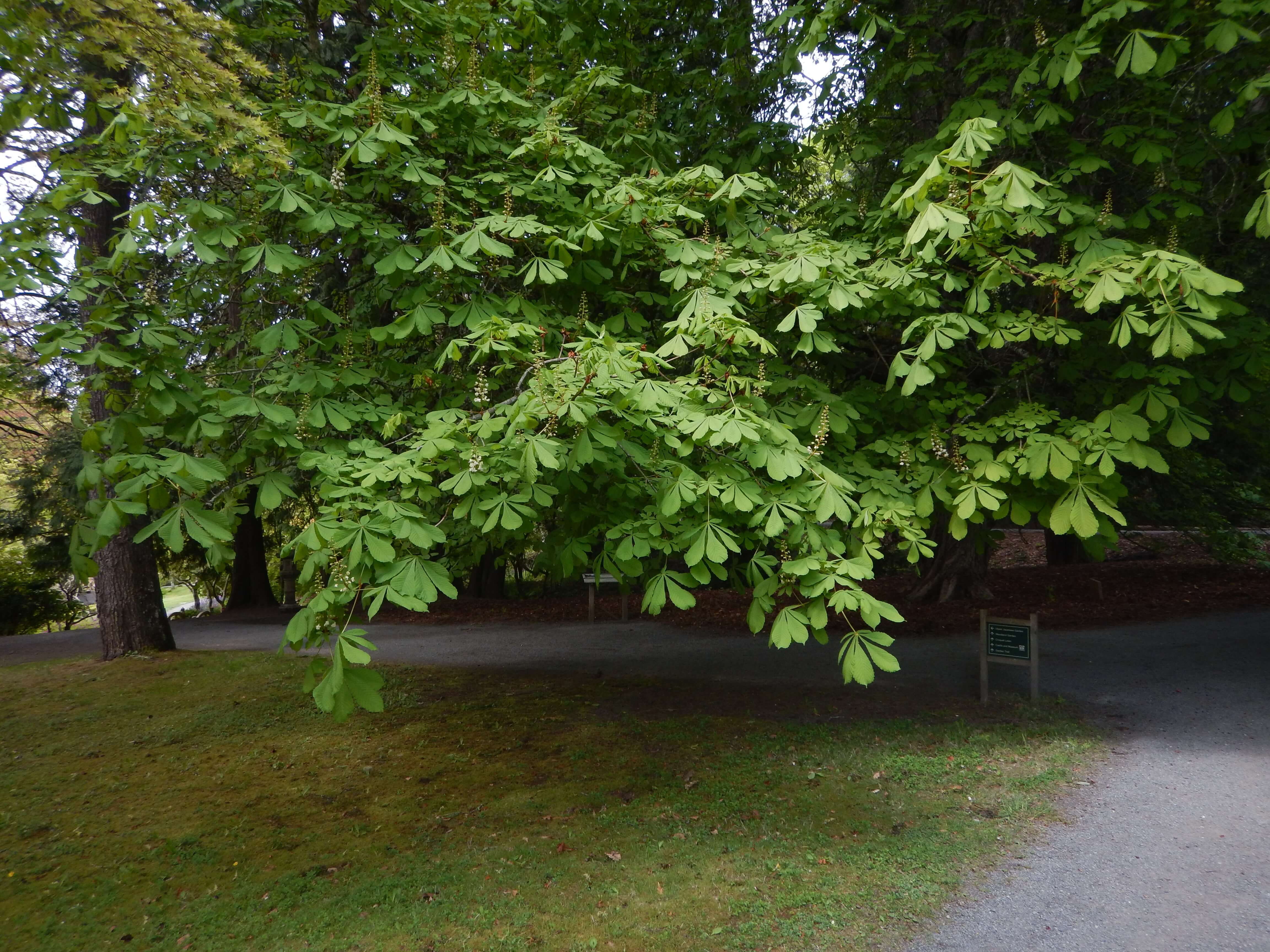
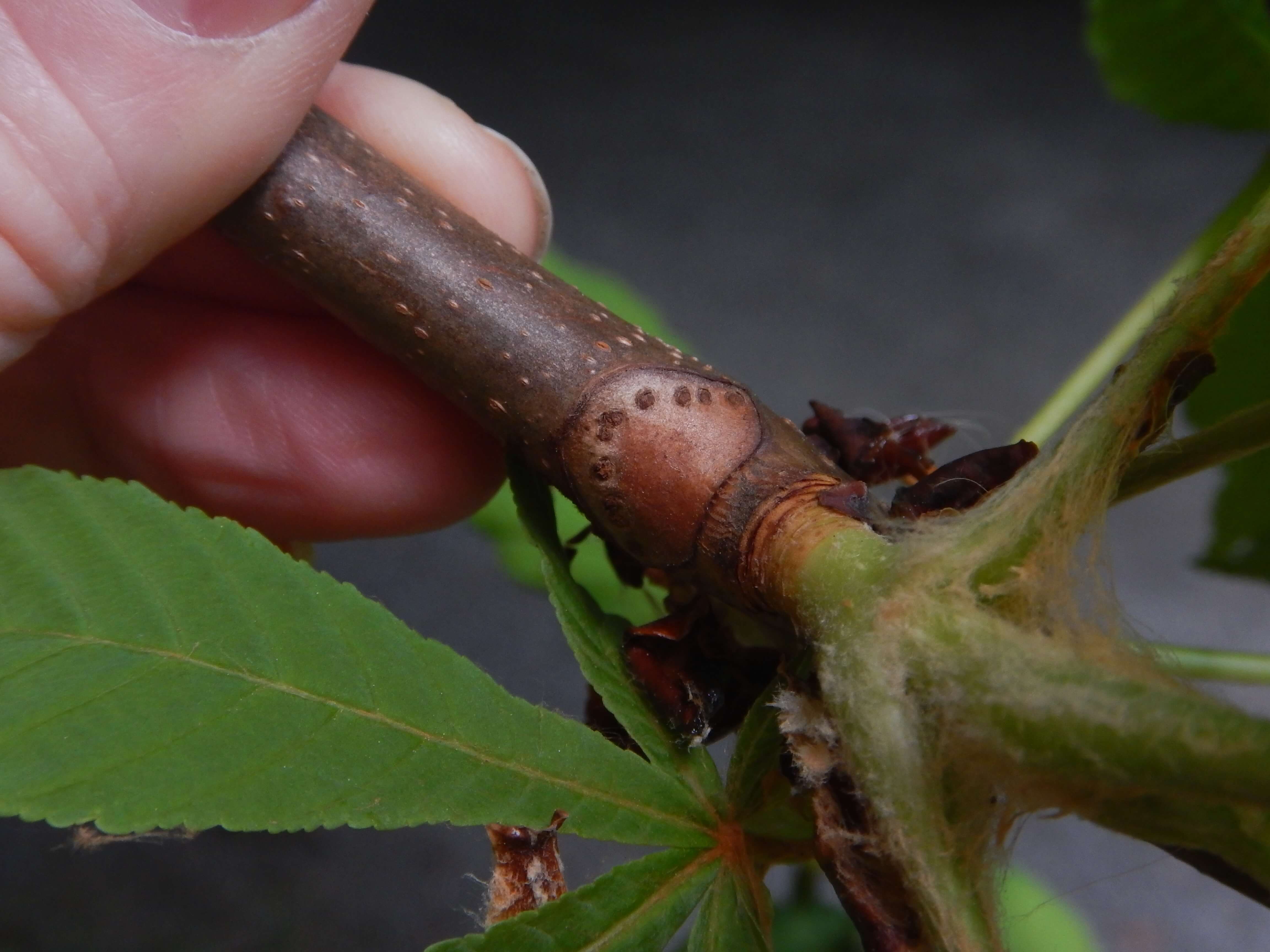
Curious about how to ID a Horse-chestnut no matter what the season?
photo by SVSeekins
Here’s today’s fun fact…
Chestnuts and Horse-chestnuts look very similar. But they’re not even related. Chestnuts are kin to beech trees. Horse-Chestnuts are part of the soapberry family. (Go figure!)
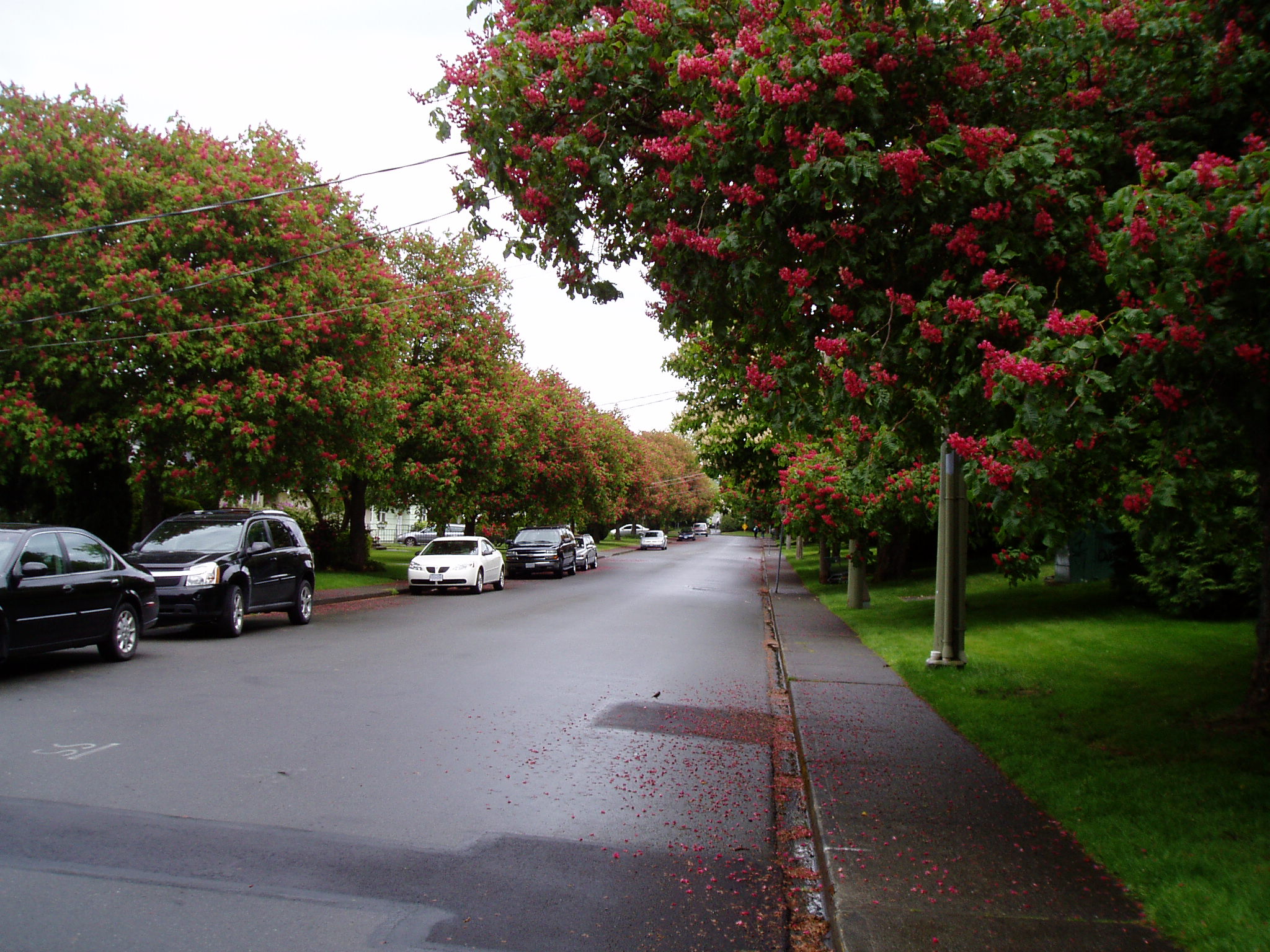
They’re both grown as boulevard trees around Victoria to great effect.
photo by SVSeekins
Wouldn’t it be romantic to collect chestnuts for roasting on an open fire – – you know, like the song?
For sure!
But here’s the catch…
I thought they were easy to ID in the spring. I’d see some trees with pink blooms & others with white flowers.
Simple, right?
Turns out, each species has varieties with pink blooms & varieties with white.
So much for that theory.
Even if that had been a handy trick, there’s still another catch. The blossoms don’t last very long & then I have to rely on the memory of which was which.
(Not a great guarantee).
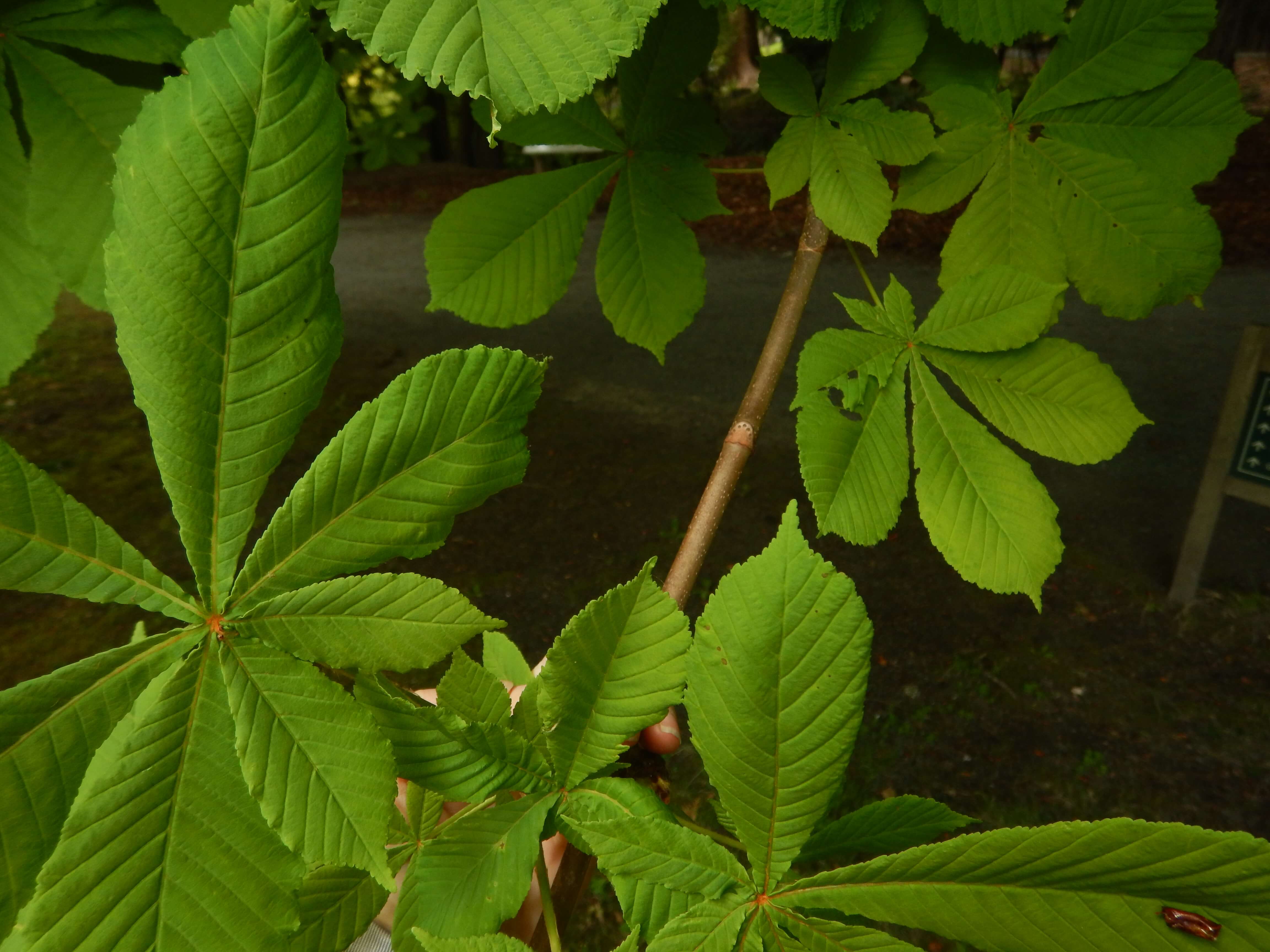
photo by SVSeekins
It’s recently come to my attention that there’s a simple way to ID the Horse-chestnut at any time of year: Look closely at the branches. Along the branch, just beside where the leaf joins the twig, is a little U-shaped mark of a horseshoe — nails & all.
How cute is that?? A horseshoe mark on a Horse-chestnut.






 Garden Variety Life