Purple Salsify

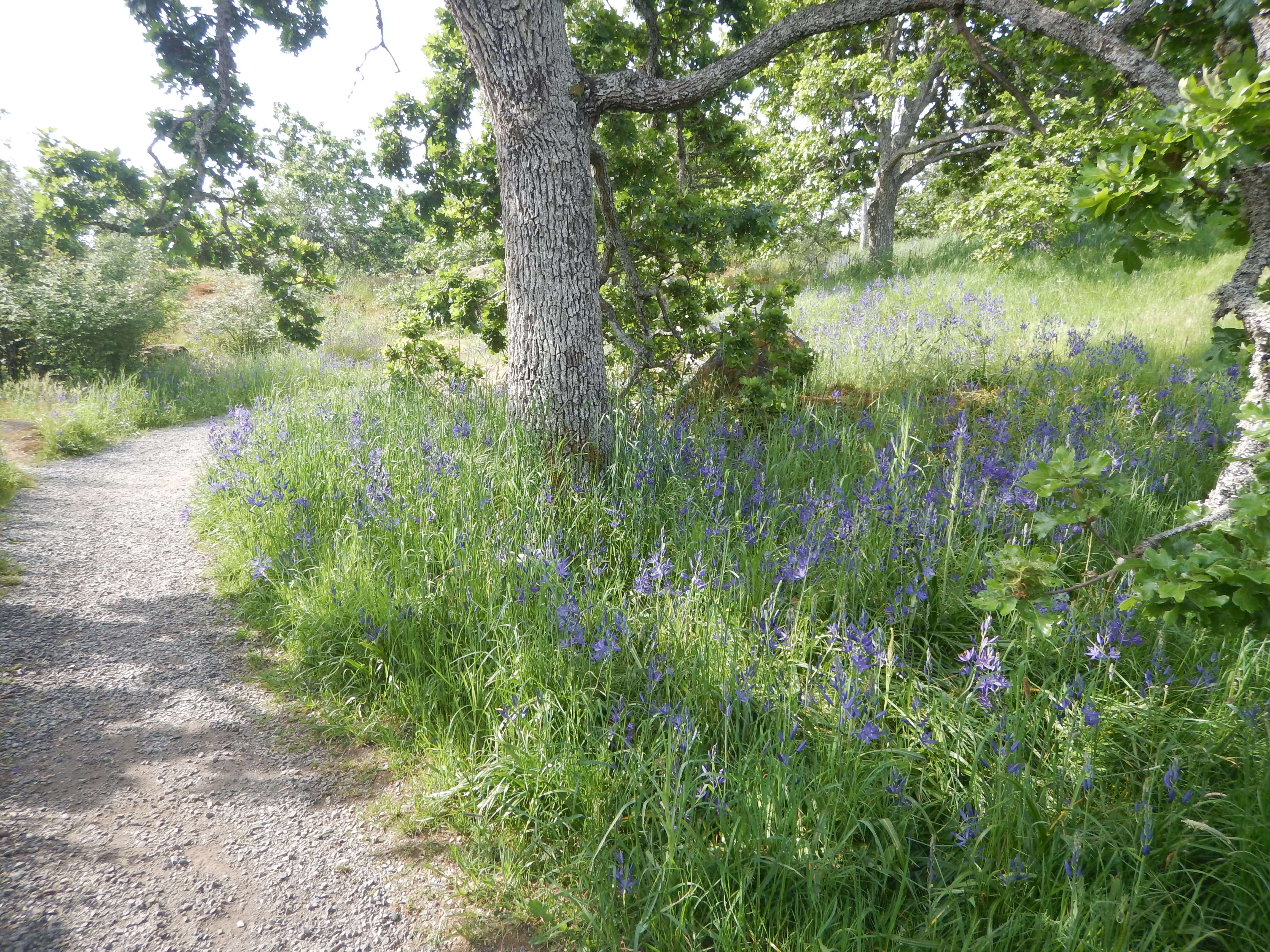
Mt Tolmie camas in bloom
photo by SVSeekins

I was marvelling over the camas meadow on Mt Tolmie when a friend pointed out another wildflower.  I’m so glad DL distracted me. The profusion of camas is beautiful, but so is this new discovery.
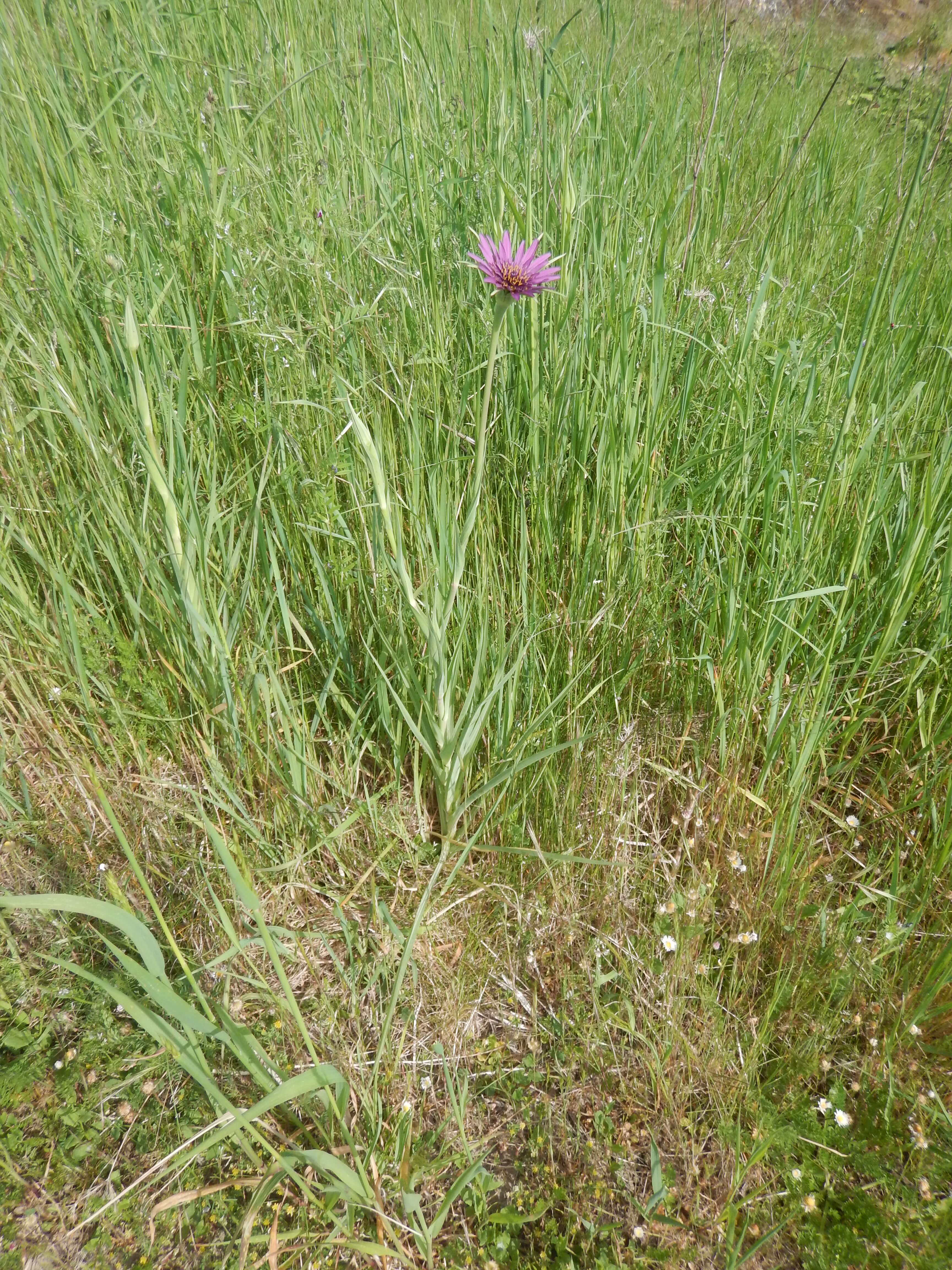
Tragopogon porrifolius, common salsify, purple salsify, oyster plant, vegetable oyster, Jerusalem star, Jack go to bed, goatsbeard,
photo by SVSeekins

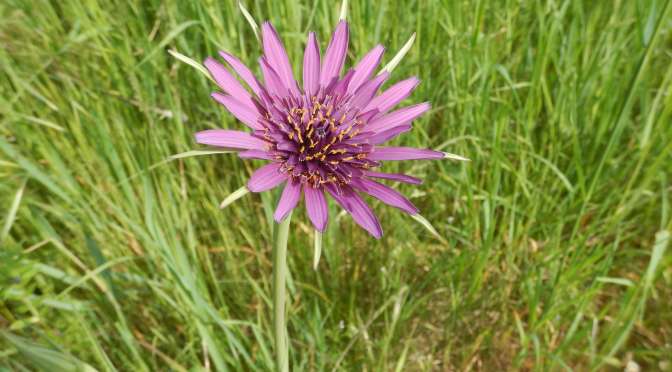
It’s only a single bloom… almost hidden in the tall meadow grass…
insignificant in comparison to the flamboyant camas.

But once I get close enough to look into the flower itself —  I’m delighted.
It’s so pretty!

Tragopogon porrifolius, common salsify, purple salsify, oyster plant, vegetable oyster, Jerusalem star, Jack go to bed, goatsbeard,
photo by SVSeekins

I love the colour…
the simplicity of the daisy-like, purple petals…
The extensions of the supporting bracts behind the petals suggest an explosion…
And the yellow pistles are the sparkle at the end of a fireworks display…

I don’t recognize this flower, but it really reminds me of the Yellow Salsify I noticed along a trail at Fairmont Hot Springs a few years ago…
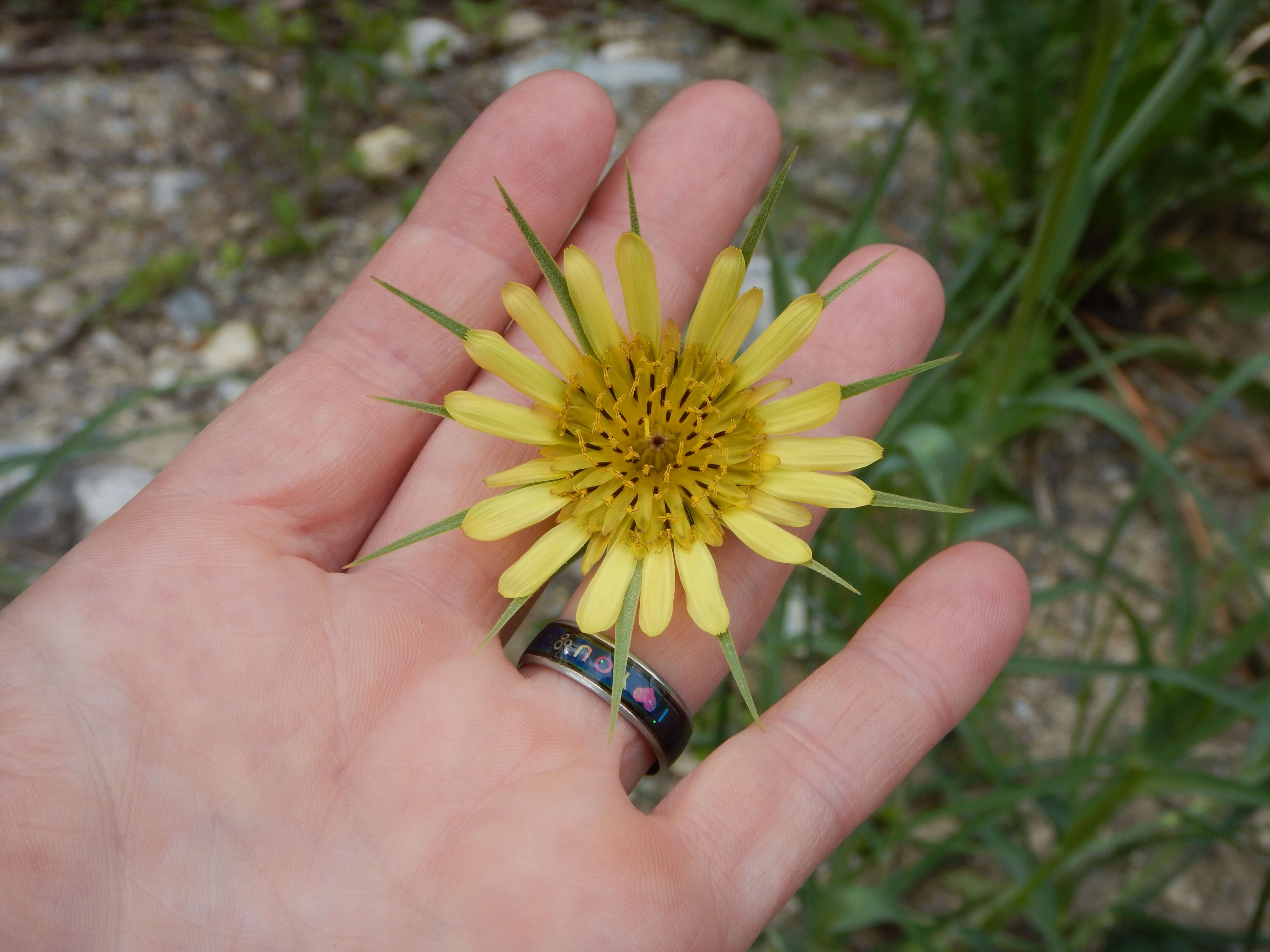
Tragopogon dubius, yellow salsify, western salsify, wild oysterplant wester goat's-beard, goatsbeard, common salsify, Tragopogon major
photo by SVSeekins

They’ve gotta be related, right?

My trusty wildflower guide only lists the flower called Yellow Salsify.
(That’s what I saw near the hot springs…)
But the fine print in the description talks about a Purple Salsify – Bingo!

salsify seedhead
photo by SVSeekins

It’s a member of the aster family & related to a dandelion…
(That reminds me of the 4-inch wide Salsify seedhead that astounded me in Oregon near the Deschutes River.  — It’s all coming together now!  🙂  )

Tragopogon porrifolius, common salsify, purple salsify, oyster plant, vegetable oyster, Jerusalem star, Jack go to bed, goatsbeard,
photo by SVSeekins

Even though I’m not familiar with it, Purple Salsify is a fairly common biennial.  Europeans farmed it during the middle ages:

  • a carrot-like root,
  • a substitute for potato,
  • & a taste a bit like oysters.  Hmmm… gourmet ????

In some circles, it’s considered an ornamental… that makes sense to me.

Others call it a weed.  Good Grief!

I guess it’s all perspective.

-30-

Other Plants that might be considered a weed:

Wild Violet Root System

In digging a planting hole for a new treasure, I found a splendid example of the wild violet root system. How deep do you think they grow?

root system of wild violets in lawn, early blue violet, s sand violet, western dog violet, hooked spur violet, viola audunca, alaska violet, aleutian violet, viola lnagsdorfii, garden Victoria, Vancouver Island, BC, Pacific Northwest
photo by SVSeekins

Deep.
And Strong.

The primary root went at least 6 inches into the clay before sending out its feeder roots.

Who knows how much further those fine roots reach down to get moisture in a dry summer!

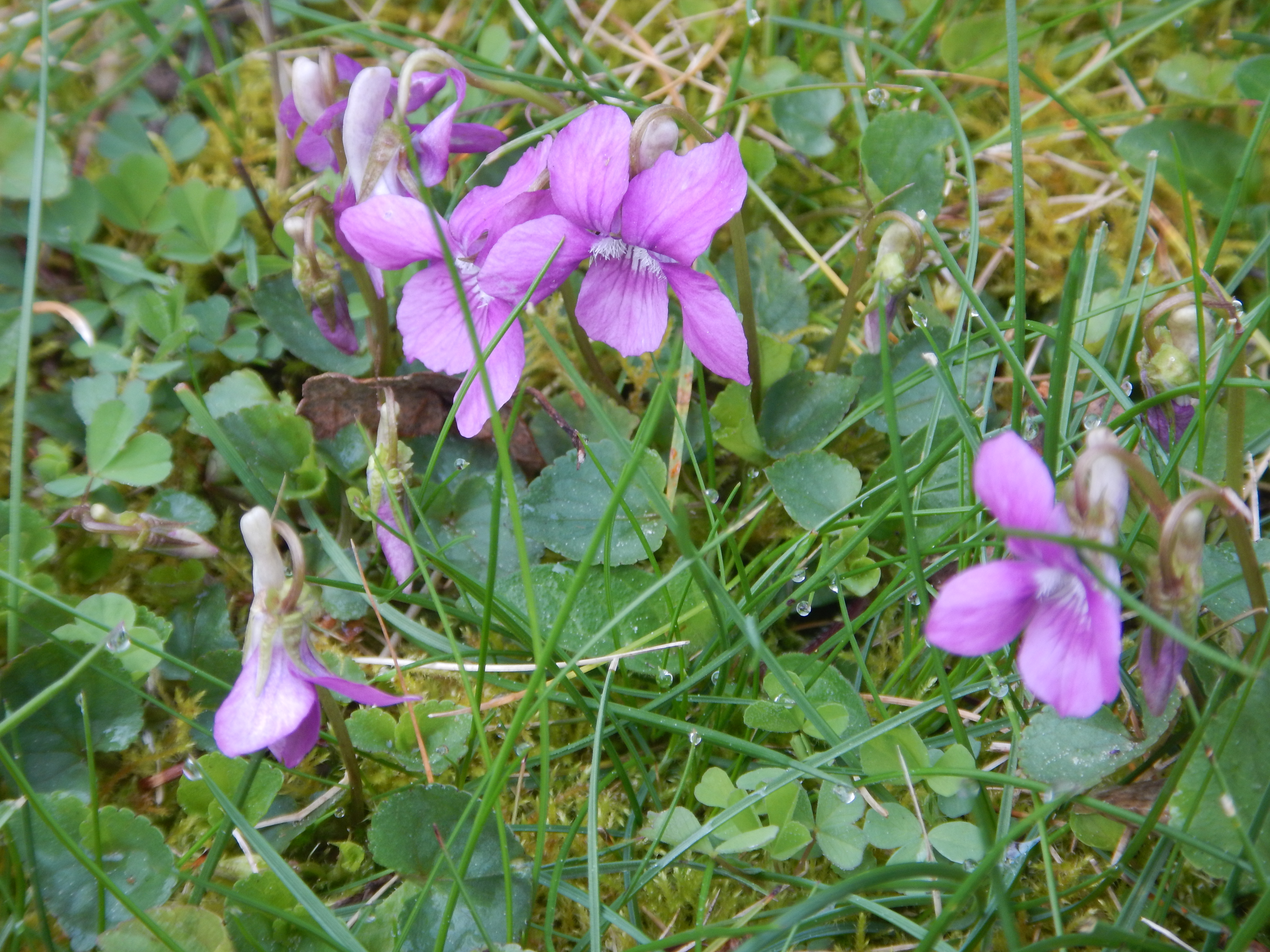
wild violets in lawn, early blue violet, sand violet, western dog violet, hooked spur violet, viola audunca, alaska violet, aleutian violet, viola lnagsdorfii, garden Victoria, Vancouver Island, BC, Pacific Northwest
photo by SVSeekins

Can you imagine the mess I’d make trying to dig the wild violets out of our lawn?  (I don’t bother coz I enjoy seeing them there … but…) Undoubtedly, some root would be left in the ground & in no time, the bees would be feeding on the violet’s sweet nectar again.

Some plants are so resilient.
🙂
Let’s hope my new treasure does half as well as the wild violets.

-30-

Other Plants That Might Be Considered Weeds:

Canada’s Dogwood Tree

It’s a tale of 2 trees…

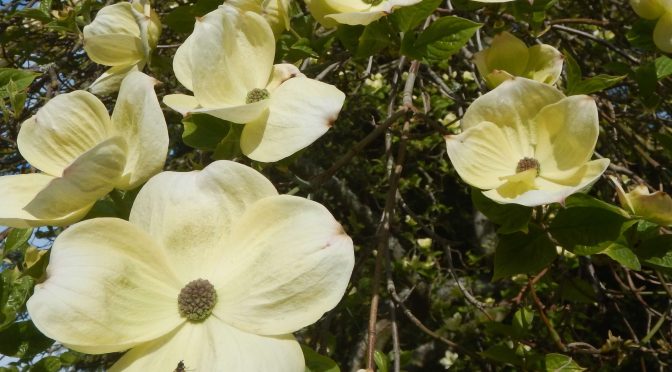
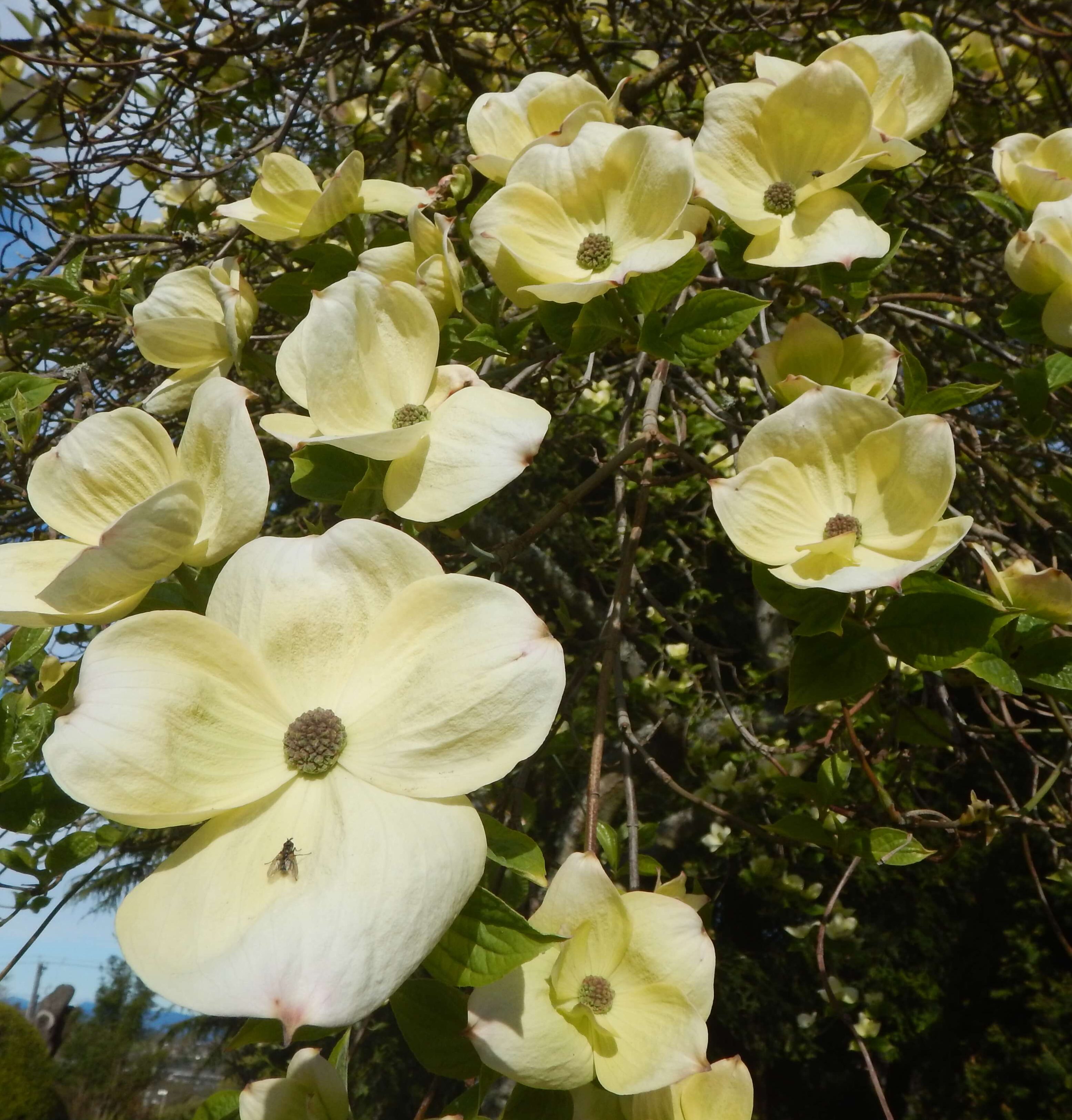
Dogwood Eddie's White Wonder tree in bloom, garden Victoria, Vancouver Island, BC Pacific Northwest
photo by SVSeekins

On the very southern coastal region of BC is our native Pacific Dogwood (Cornus nuttallii).  So admired that it’s honoured as our provincial flower.

Across the continent, Eastern Flowering Dogwood (Cornus florida) is native to the southernmost tip of Ontario.

Dogwood Eddie's White Wonder tree in bloom, Cornus controversa 'Eddie's White Wonder' Cornus nuttallii 'Eddies White Wonder', garden Victoria, Vancouver Island, BC Pacific Northwest
photo by SVSeekins

Both species often suffer from anthracnose fungus that disfigures leaves & causes twig & branch dieback.  Ontario’s native dogwood is considered ‘at risk.’

The answer? A genuinely Canadian fix: combine them.

Enter H.M. Eddie (Henry Matheson Eddie).  A nurseryman in BC’s Fraser Valley who got a kick out of creating new varieties of any number of plants.  His 1945 success, ‘Eddie’s White Wonder,’ is the combo of the Pacific & the Eastern dogwoods.

Dogwood Eddie's White Wonder tree in bloom, garden Victoria, Vancouver Island, BC Pacific Northwest
photo by SVSeekins

Eddie’s dogwood is pretty much disease-free!  Beyond that,

  • pollinators love the spring flowers.
  • Birds gorge on the berry clusters.
  • Deer leave the tree alone (except the occasional buck needing to scratch his antlers – so trunk protection is needed.)
  • And fall leaf colour is another spectacle.
    Dogwood Eddie's White Wonder tree in bloom, Cornus controversa 'Eddie's White Wonder' Cornus nuttallii 'Eddies White Wonder', garden Victoria, Vancouver Island, BC Pacific Northwest
    photo by SVSeekins

It’s been such a triumphant landscape success that Eddie’s White Wonder was honoured as Vancouver’s Centennial tree...
and as one of my favourite trees to find blooming during our morning walks each April 🙂

-30-

Enter your email address to subscribe to this blog and receive notifications of new posts by email.

SVSeekins