Tag Archives: deer resistant

Creeping Bellflower – Campanula rapunculoides

It came into our garden with some ‘free’ soil.  I didn’t know its name, for sure.  It looked an awful lot like ladybells, Adenophora liliifolia?  It was a decorative, bonus plant – score!
Little did I know the work that pretty bellflower would create.

Campanula rapunculoides, creeping bellflower, Bluebell weed, rampion bellflower, rover bellflower, European bellflower, garden Victoria BC Pacific Northwest
photo by SVSeekins

Deer ignored it for one season… at the most. After that, they ate the buds before flowering. The deers’ pruning might’ve spurred the plant into a frenzy of suckering.  When digging out the extras, I realized how this bellflower got its common name– Creeping Bellflower spreads from the mother plant by lateral roots running below the soil surface.

It quickly became quite a thug.  I had to be realistic. A monocultural garden isn’t my thing.  Campanula rapunculoides had to go.
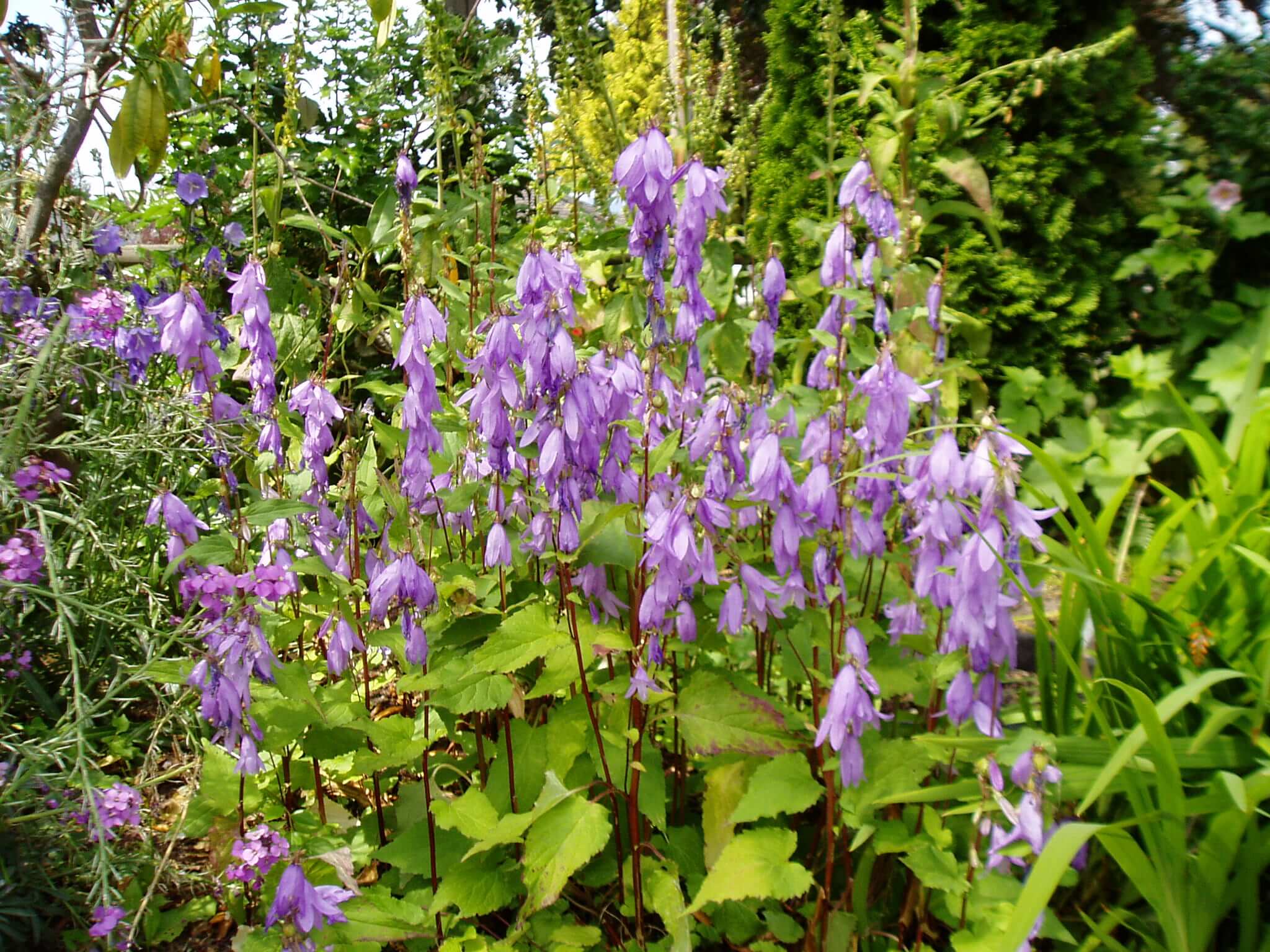
Campanula rapunculoides, creeping bellflower, Bluebell weed, rampion bellflower, rover bellflower, European bellflower, garden Victoria BC Pacific Northwest
photo by SVSeekins

One soggy autumn weekend, I dug out the entire bed.  Other keeper perennials were set aside to thoroughly wash their root systems before replanting at the end of the project.  I discovered creeping bellflower was even more invasive than I first realized.  It also has deeper storage roots, enabling survival through brutal winters & long droughts. Those roots can easily sprout a multitude of new plants, even if the original is removed from the base.
Tenacious.

Sifting through the soil & removing the invading white roots of the C.rapunculoides, was a tough job but worth it.  Many years later, I regularly weed out young plants surfacing from roots that I’d missed, but I’m winning the war.

Campanula rapunculoides, creeping bellflower, Bluebell weed, rampion bellflower, rover bellflower, European bellflower, garden Victoria BC Pacific Northwest
photo by SVSeekins

This summer, I noticed a new patch at the College campus. Can you imagine the tenacity of a plant volunteering in a crack in the pavement?  These plants must’ve arrived via seed distribution. Behind some fencing, creeping bellflower is protected from the deer. Fortunately, the grounds staff cut them to the ground in record time.

Campanula rapunculoides, creeping bellflower, Bluebell weed, rampion bellflower, rover bellflower, European bellflower, garden Victoria BC Pacific Northwest
photo by SVSeekins

So, I guess it’s not even safe to keep this bully restrained in a pot because it’ll spread like mad if it ever goes to seed, too.

I’m pretty lenient when it comes to vigorous plants in our garden..  Wild violets grow in our lawn. Cyclamen hederifolium is still welcome in certain beds. I’ve left some patches of bluebell in well-contained spots (but they’re sheered as soon as the blooms begin to fade).  Some other tough-as-nails plants are held in check by simply not watering them through our long, summer drought.

But I’m putting my foot down when it comes to Campanula rapunculoides.
Not in my backyard.
My goal is to grow the native harebell, C. rotundifolia, instead. It’s much better behaved.

-30-

Verbascum Challenges

verbascum thapsus, great mullein, common mullein, cowboy toilet paper, wooly mullein, velvet dock, moses blanket, feltwort, Aaron's rod, Sheppard's club, garden Victoria BC Pacific Northwest
photo by SVSeekins

It was on a road trip in the arid Okanagan Valley that I first came across great mullein.  The statuesque yellow torch stood tall across the dry pastures.  I was smitten.  It reminded me of the blooming spires of foxglove crossed with Wile E. Coyote’s saguaro cactus.  Groovy!

Of course, I wanted one.

verbascum thapsus, great mullein, common mullein, cowboy toilet paper, wooly mullein, velvet dock, moses blanket, feltwort, Aaron's rod, Sheppard's club, garden Victoria BC Pacific Northwest
photo by SVSeekins

It even grew happily on the gravel verge of the highway. What a tough plant!  I like the idea of growing plants that don’t require me to drag out the hose.

C thought I was crazy, but he honoured my request to stop the van.  I bagged a torch.  When we got home, I sprinkled the seeds across our rocky outcropping.

verbascum thapsus, great mullein, common mullein, cowboy toilet paper, wooly mullein, velvet dock, moses blanket, feltwort, Aaron's rod, Sheppard's club, garden Victoria BC Pacific Northwest
photo by SVSeekins

If mullein grew in the semi-desert, would it grow in our temperate climate of the Pacific Northwest?
The next year – – No luck for me.  😦

On another trip, I marvelled at the velvety leaves when we ran across Verbascum Thapsus at the rest stop on the crest of the Cascade Mountains.  That highway shuts down through the winter season!  Mullein has to be an extra-tough plant if it handles baking summers AND freezing winters.

verbascum thapsus, great mullein, common mullein, cowboy toilet paper, wooly mullein, velvet dock, moses blanket, feltwort, Aaron's rod, Sheppard's club, garden Victoria BC Pacific Northwest
photo by SVSeekins

It seems great mullein grows in a great many places. We saw more in flower in the Sawtooth Mountains of Idaho & further east near Lewis & Clark Caverns in Montana.

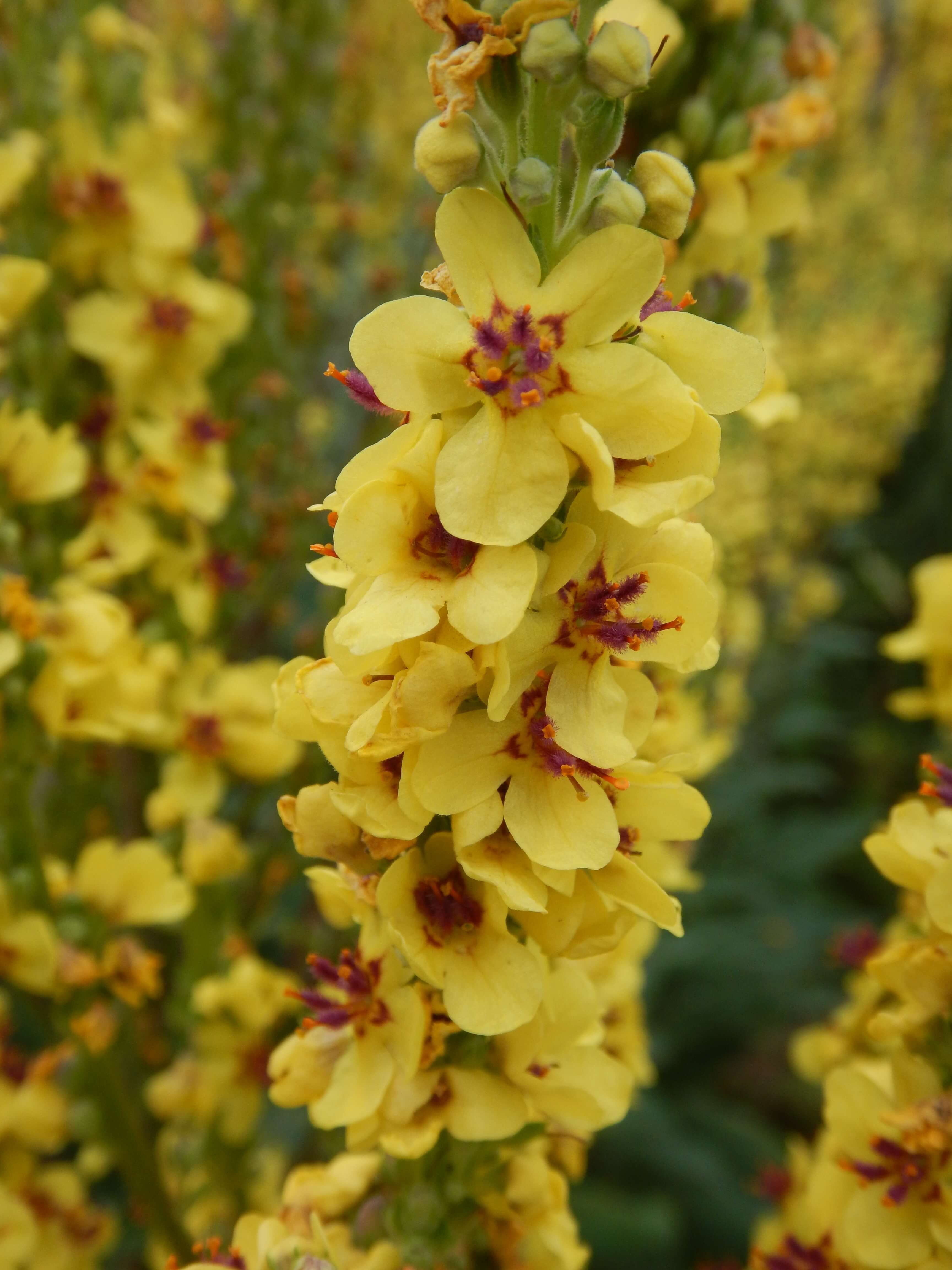
The simple flowers open individually.  Each bloom for one day before fading while another matures, extending the season.

Some folks wrinkle their noses at common mullein, considering it too mundane & even invasive.  Others argue that its usefulness outways its issues.

verbascum, garden Victoria BC Pacific Northwest
photo by SVSeekins

In Grande Prairie, Alberta, JM had to remove a beautiful border of great mullein because it’s considered a noxious weed in her province.  I’m relieved that mullein is not on the regulated list in our part of BC.  Maybe there’s a reason why the seeds I scattered didn’t flourish?

Some garden nurseries sell other Verbascum species as garden ornamentals.  Those varieties are much more glamourous:

verbascum, garden Victoria BC Pacific Northwest
photo by SVSeekins
  • Some bloom in different colours, like pastels, reds, purples & oranges…
  • Others flaunt more flower spikes…
  • Or a bigger rush of flowers instead of the gradual display of a few flowers at a time that common mullein presents…
  • A few varieties even promise to be perennial rather than biennial.

They’re all lovely, but I still covet the Verbascum in the wild.

verbascum thapsus, great mullein, common mullein, cowboy toilet paper, wooly mullein, velvet dock, moses blanket, feltwort, Aaron's rod, Sheppard's club, garden Victoria BC Pacific Northwest
photo by SVSeekins

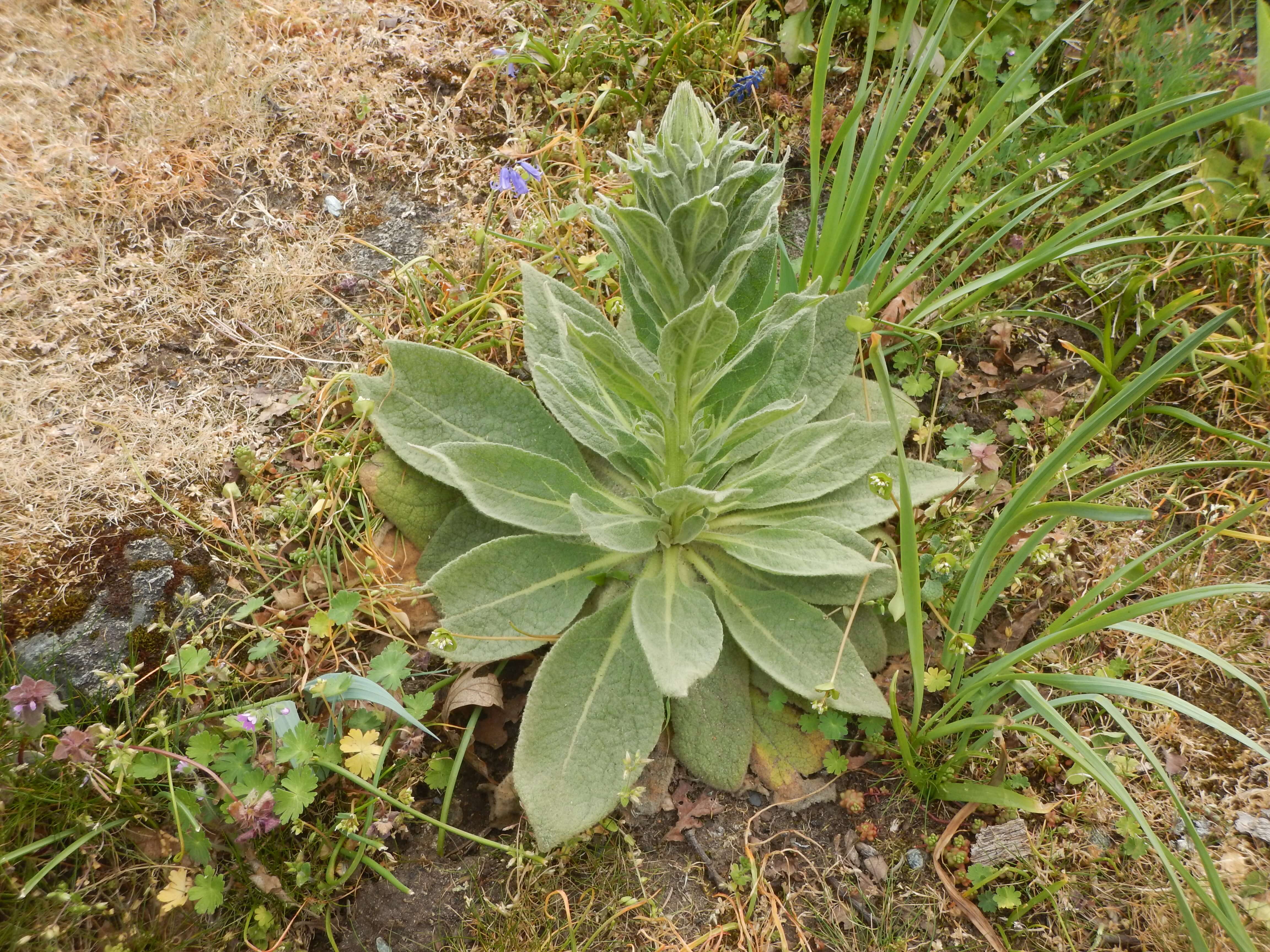
Last fall, I was delighted to find a furry rosette of leaves growing on our rocky outcropping.  It looked like a foxglove, but different.  I had my suspicions & crossed my fingers.

To my relief, it pulled through our soggy winter & put on a spring growth spurt.  Thankfully, the deer left it ungrazed

verbascum thapsus, great mullein, common mullein, cowboy toilet paper, wooly mullein, velvet dock, moses blanket, feltwort, Aaron's rod, Sheppard's club, garden Victoria BC Pacific Northwest
photo by SVSeekins

By June, it was blooming!
🙂

OK, I know it’s kinda puny in comparison to those on our travels…
(Vancouver Island’s spring is not nearly as sunny or hot as the interior.)
I celebrated anyway.
It’s been easily a decade since I scattered those seeds.

By the time the heat came in July (25C), the bloom was pretty much complete.

verbascum thapsus, great mullein, common mullein, cowboy toilet paper, wooly mullein, velvet dock, moses blanket, feltwort, Aaron's rod, Sheppard's club, garden Victoria BC Pacific Northwest
photo by SVSeekins

I ever so carefully tipped the torch toward a paper bag, collecting a whoosh of seed. The process was graceful enough that the stem didn’t kink.

It still stands today.  There’s even an occasional flower that opens near the top.
I’m leaving it to stand.
My sentinel on our hillside.
Who knows, it might even hold up as winter interest.
And hopefully, in the spring, there will be just a few more on our rocky slope…  I dunno, am I crazy to invite them in?

-30-

Leopard’s Bane Through Four Seasons

bloom

Doronicum, Caucasian Leopard's Bane, Great Leopard's Bane, Plantain Leopard's Bane, leopard's-bane, garden Victoria, Vancouver Island, BC Pacific Northwest
photo by SVSeekins

As the last of the daffodils open  (mid-April in Victoria), Leopard’s Bane joins the spring cacophony of colour.  The sunny-faced flowers sway on tall stalks above the burst of Bluebells, Tulips and Hyacinths.

Doronicum, Caucasian Leopard's Bane, Great Leopard's Bane, Plantain Leopard's Bane, leopard's-bane, garden Victoria, Vancouver Island, BC Pacific Northwest
photo by SVSeekins

They’re happy yellow flowers -undaunted by seasonal showers.

The exuberance of Leopard’s Bane (Doronicum) lifts spring to new heights.

seedhead

Doronicum, Caucasian Leopard's Bane, Great Leopard's Bane, Plantain Leopard's Bane, leopard's-bane, garden Victoria, Vancouver Island, BC Pacific Northwest
photo by SVSeekins

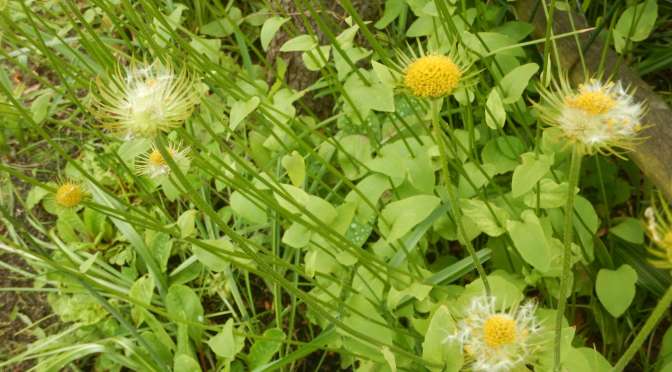
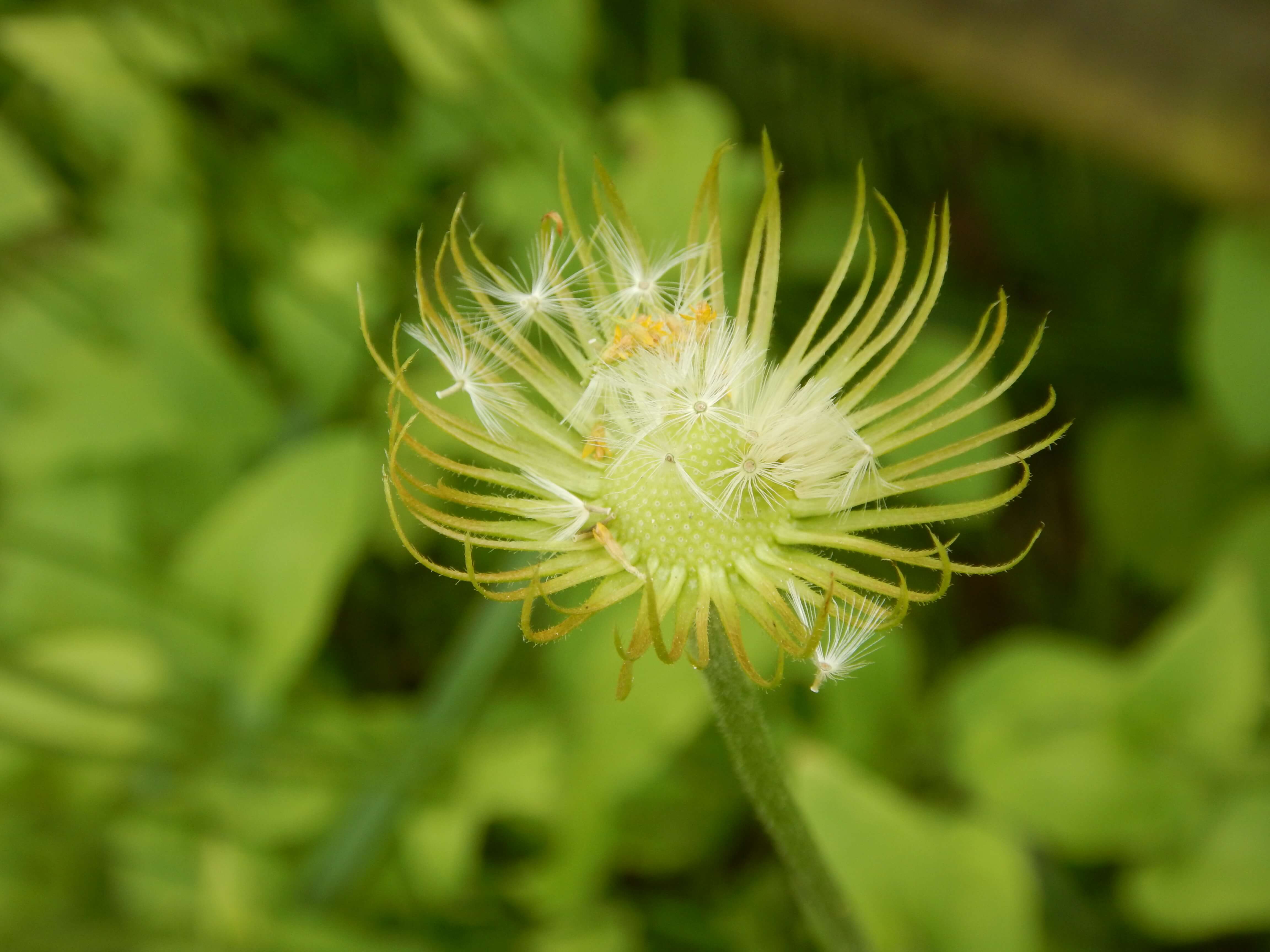
By mid-May, their enthusiasm wanes, but the show is certainly not over.  For me,  the progression is beautiful.  The varied stages of seeding are almost as enchanting as the flowering.

Doronicum, Caucasian Leopard's Bane, Great Leopard's Bane, Plantain Leopard's Bane, leopard's-bane, garden Victoria, Vancouver Island, BC Pacific Northwest
photo by SVSeekins
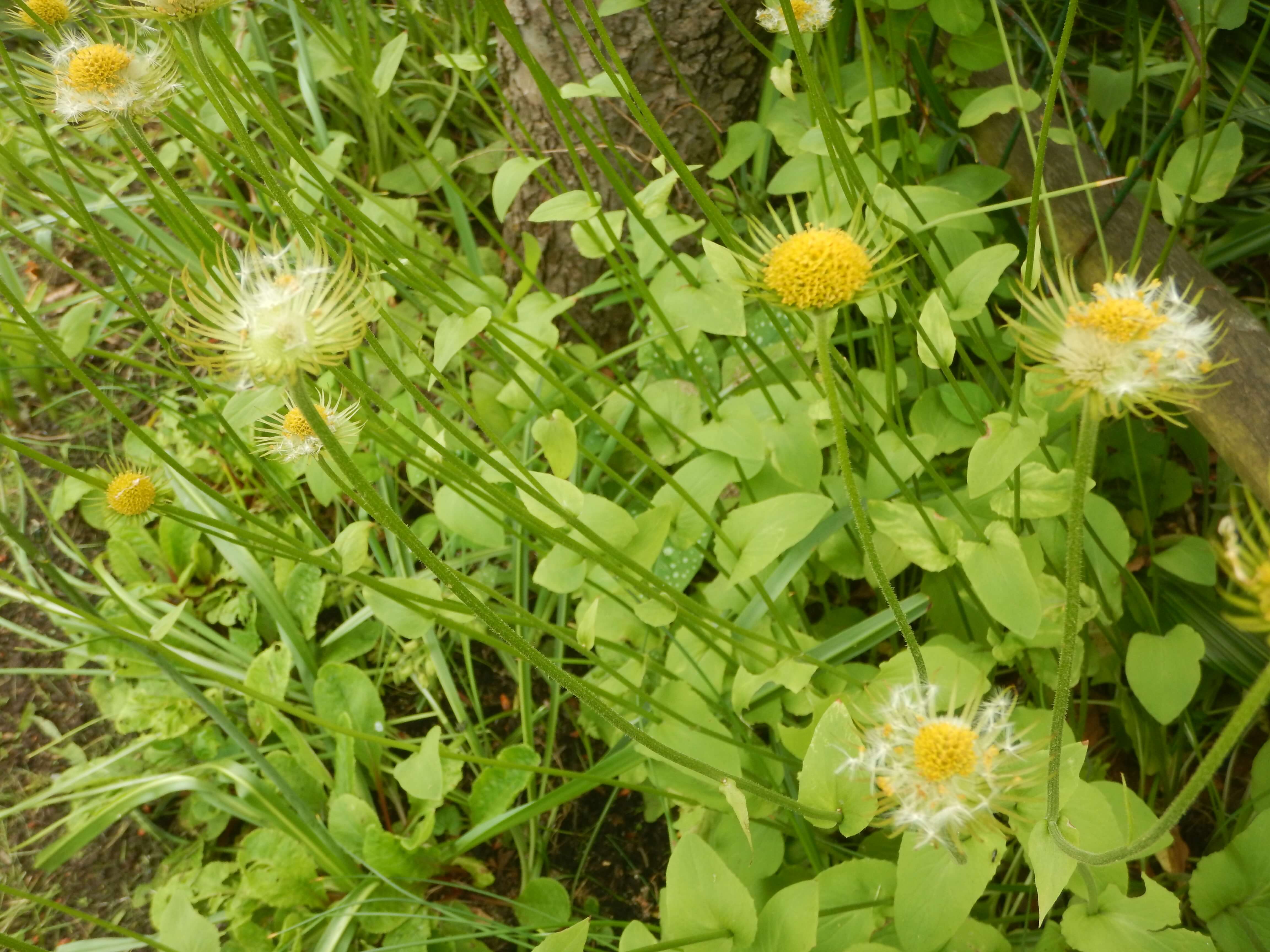
  • First, the petals of  Leopard’s Bane wither a bit.
  • Then, somehow, the rays turn to fluff & float away…
Doronicum, Caucasian Leopard's Bane, Great Leopard's Bane, Plantain Leopard's Bane, leopard's-bane, garden Victoria, Vancouver Island, BC Pacific Northwest
photo by SVSeekins
  • The fluorescence of the central disk holds out for a while longer before it also turns to fluff and flies off.
Doronicum, Caucasian Leopard's Bane, Great Leopard's Bane, Plantain Leopard's Bane, leopard's-bane, garden Victoria, Vancouver Island, BC Pacific Northwest
photo by SVSeekins
  • Even the remaining bracts are decorative – still catching enough breeze to add movement in the beds.  That’s a couple extra weeks of pleasure & value.

summer hibernation

garden Victoria, Vancouver Island, BC Pacific Northwest
photo by SVSeekins

By the time school wraps up in mid-June, Leopard’s Bane has dispersed its seed.  The heat withers its foliage.  Doronicum disappears on holiday, too.  Summer perennials elbow into its space as if it were never even there.

fall emergence

Doronicum, Caucasian Leopard's Bane, Great Leopard's Bane, Plantain Leopard's Bane, leopard's-bane, garden Victoria, Vancouver Island, BC Pacific Northwest
photo by SVSeekins

By the time we’re carving Jack-o-lanterns in October, the leaves are falling from above.  It feels like the garden is dying, too.  But autumn’s moisture tickles the rhizomes below the soil.  New leaves peek out.  Leopard’s Bane is re-awakening.  As so much else fades away, Doronicum stays fresh, green & alive right through the doldrums of our West Coast winter.

In our garden, Leopard’s Bane is indispensable because:

Doronicum, Caucasian Leopard's Bane, Great Leopard's Bane, Plantain Leopard's Bane, leopard's-bane, garden Victoria, Vancouver Island, BC Pacific Northwest
photo by SVSeekins
Doronicum, Caucasian Leopard's Bane, Great Leopard's Bane, Plantain Leopard's Bane, leopard's-bane, garden Victoria, Vancouver Island, BC Pacific Northwest
photo by SVSeekins
Doronicum, Caucasian Leopard's Bane, Great Leopard's Bane, Plantain Leopard's Bane, leopard's-bane, garden Victoria, Vancouver Island, BC Pacific Northwest
photo by SVSeekins
  • It has happy yellow flowers.
  • Our brazen urban deer ignore it. (It’s reputed to be poisonous, but also medicinal  !?!)
  • I  never have to water it – – it’s summer drought-tolerant in the Pacific Northwest… and yet, it’s not invasive.
  • It’s as happy under shade trees as it is in full sun.
  • It’s an unusual cool-season perennial:
        • It comes to life when the rest of the garden dies back in the fall.
        • It stays green through our mild coastal winters.
        • And it promises the return of vigour in the spring warmth.
  • It boasts 8+ months of interest in a garden –one of the longest-lasting spring ephemerals.
  • It’s low maintenance.
  • And, most of all: The deer ignore it.
    🙂

PS – For clarity, I must point out that Leopard’s Bane can be a bit of a thug in an irrigated garden.  It is rare to get any rain through summer on the southern tip of Vancouver Island.  Many folks choose automatic irrigation that delivers water 2-3 times a week, keeping the soil evenly moist.  That often equals an inch of water each week.    I only hand water when it is absolutely needed.  Our Doronicum is happy but doesn’t spread much.  If the clump gets too big,  it’s easy to dig out & shift elsewhere (or remove altogether).

-30-

Other indispensibles: