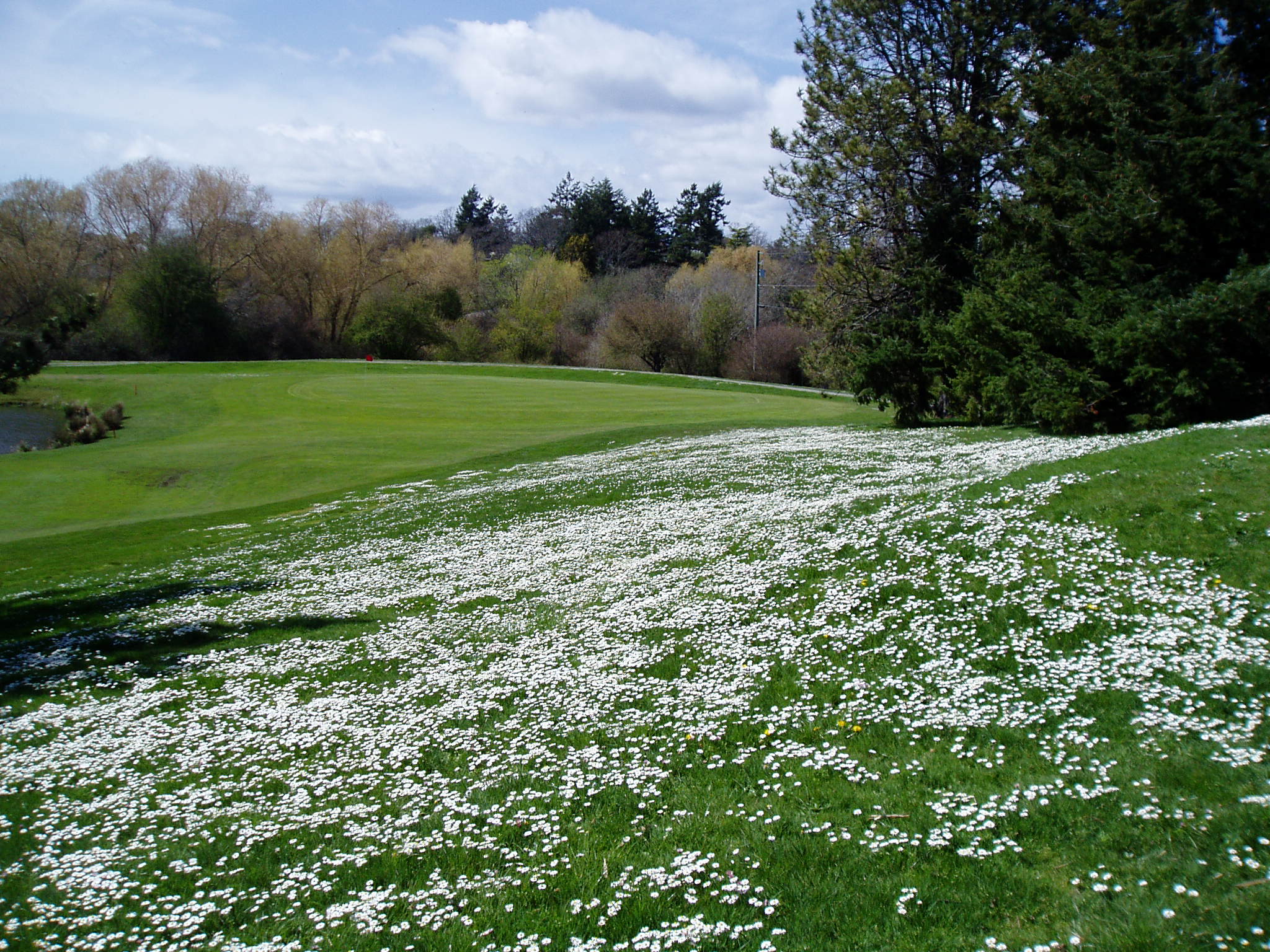
My breath caught when I turned the corner along a wooded trail revealing this spring meadow. Doesn’t it evoke images of butterflies & unicorns?
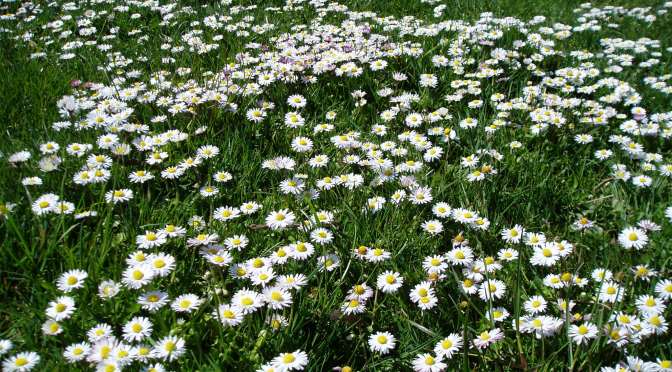
In my quest to ID this tiny smiling flower, I sent these photos to Saanich Parks’ horticultural supervisor, Kelly Mulhern. She quickly confirmed my suspicions: English Daisy.
Kelly says it originated in Europe but has naturalized all over the world. Although many folks enjoy it, “lawn purists” don’t.
The Cedar Hill Golf Course is home to this particular meadow. Their white drift of spring bloom laughs in the face of the perfect golf green.
photo by SVSeekins
I reckon it might be a new version of a sand trap. The plant grows in a low rosette shape, almost making a cup; perfectly suited for catching & cuddling a golf ball. And wouldn’t it be a bugger to find a white ball in this sea of white daisies?
The Royal Horticultural Society supports this daisy’s usefulness for planting in a wildflower meadow. I’m with them (surprise surprise).
But the debate rages. 🙂
C says he prefers the even texture of uninterrupted grasses. He’s one of those purists. How about you?
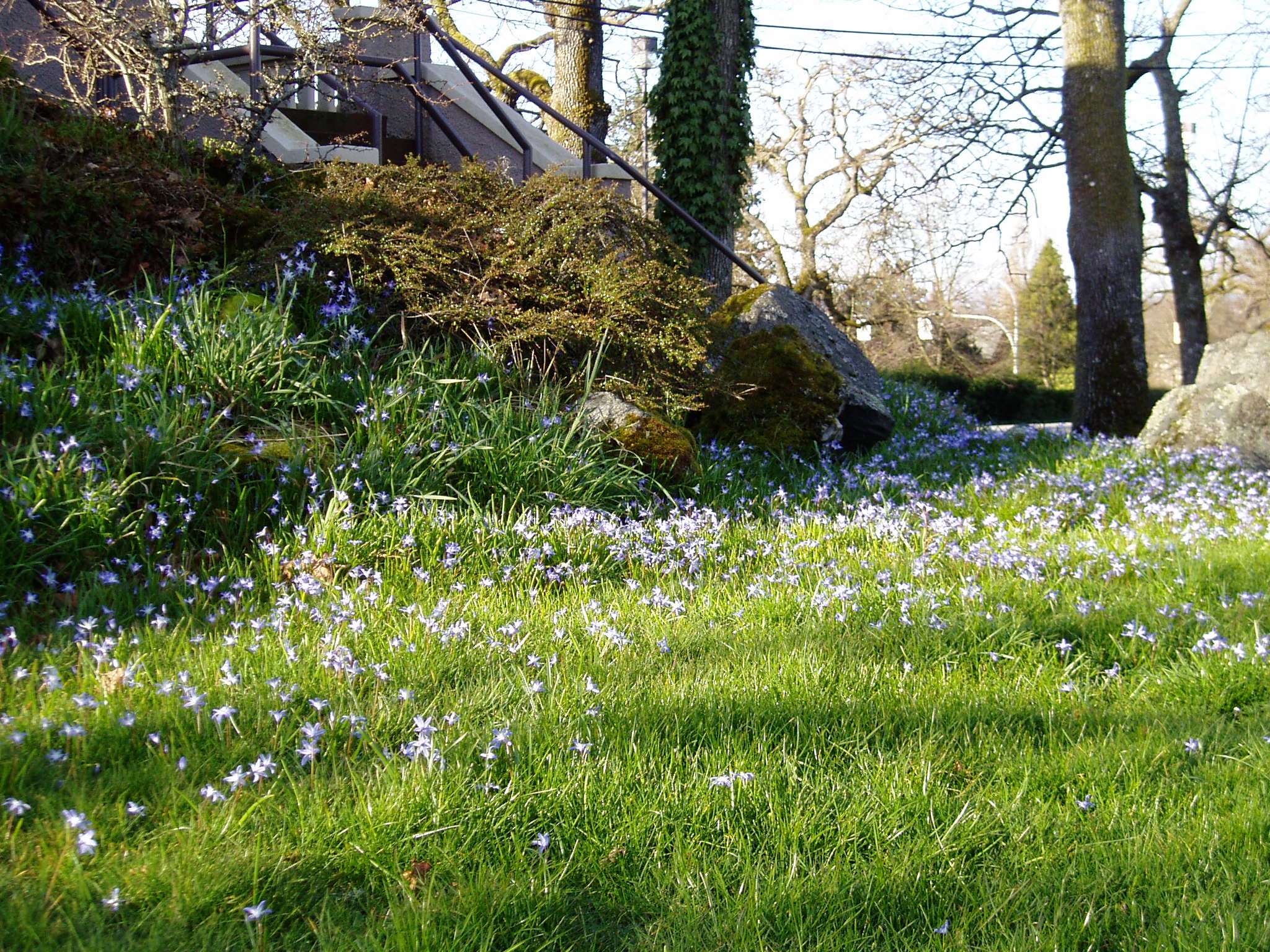
A couple of years ago, in March, I started noticing patches of tiny blue flowers along the roads of older neighbourhoods. Flowers flourished in areas that hadn’t been manicured for a very long time.
I soon realized these blooming meadows are the naturalized dreams of gardeners past. I’m charmed by that romance.
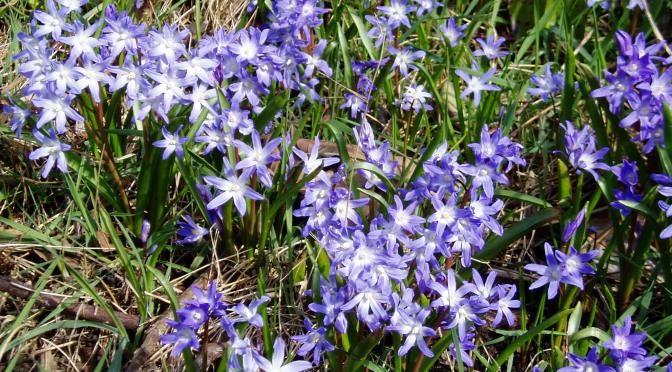
These hardy bloomers are Glory of Snow, or, if you like unpronounceable names: Chionodoxa. Try to say that easily the first time around! 🙂
Glory of Snow originated in Turkey & Greece – along the Mediterranean. I’ve heard southern Vancouver Island compared to a Mediterranean rain forest, so it makes sense these plants survive well here. What surprises me more is that they’re hardy to zone 4! They can withstand a whole lot more cold. Do these grow in your neck of the woods??
photo by SVSeekins
Aside from naturalizing well, these plants are also valuable to me because they’re:
winter blooming
drought tolerant
low maintenance
Once planted, just leave them to their own devices. How great is that? I’ve even seen them surviving in shallow crevices of rocky outcroppings.
photo by SVSeekins
They seem perfectly happy in lawns, too, although I’ll bet they do better if the grass isn’t cut until late April when they’re done for the season. That would mean it’s more of a meadow than a lawn. C wouldn’t go for that. He likes lush but trim. That’s why I’ve added Glory of Snow as under-story plantings in our shrub border instead.
The best patch I’ve ever encountered is around Dunlop House Restaurant, a heritage building on the grounds of Camosun College, and their Hospitality Management Program facility. C’s mum took us there for supper the other night. The meal was lovely, and the meadow: spectacular!
Even in the ‘banana belt’ of Canada, we celebrate the signs of the spring to come. Our annual Flower Count might be an in-your-face promotion for our tourism industry, but in reality, it’s as much a mental health exercise for locals. It’s good for our souls to get outside & search for signs that the grey skies & depressing drizzle of our west coast winter will one day fade in the spring sunshine.
photo by SVSeekins
1. Snowdrops Their name speaks for the hardiness of this winter bloomer. I’m always excited to see their tentative arrival in early January. By February they’re in full show.
2. Hardy Cyclamen Even though they’re tiny, the brightness of this exotic-looking flower draws the eye from across the winter landscape. It’s a close cousin to the cyclamen that bloom in early fall.
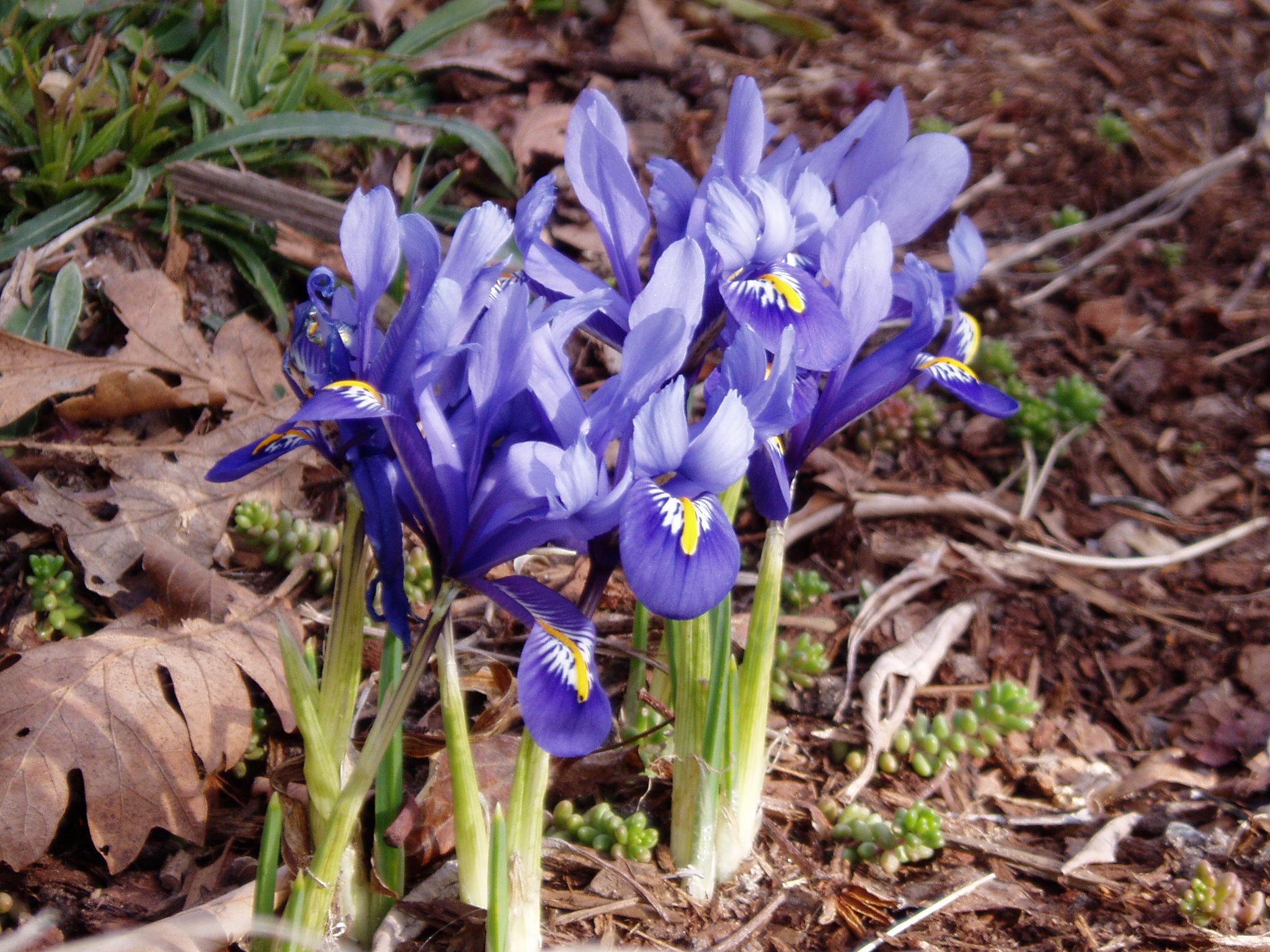
3. Dwarf Iris Here’s another little flower that in my mind looks too exotic to grow in Canada. Considering this iris, and the cyclamen above can both be found in Russia proves that exotic doesn’t just mean tropical.
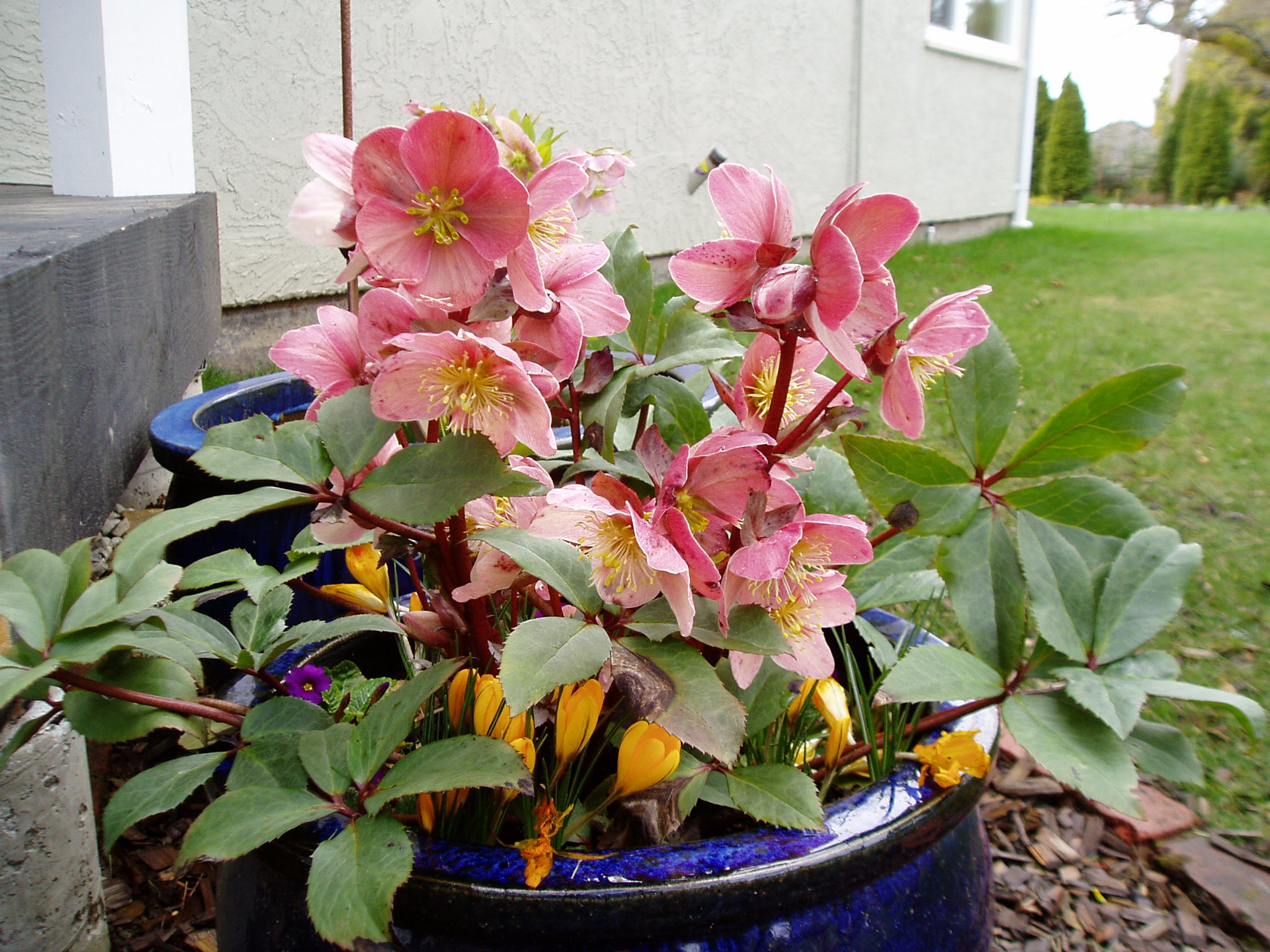
4. Hellebore
Just being a winter bloomer automatically qualifies hellebore for space in our borders. The evergreen foliage adds interest to the garden for the rest of the year. Win-Win!
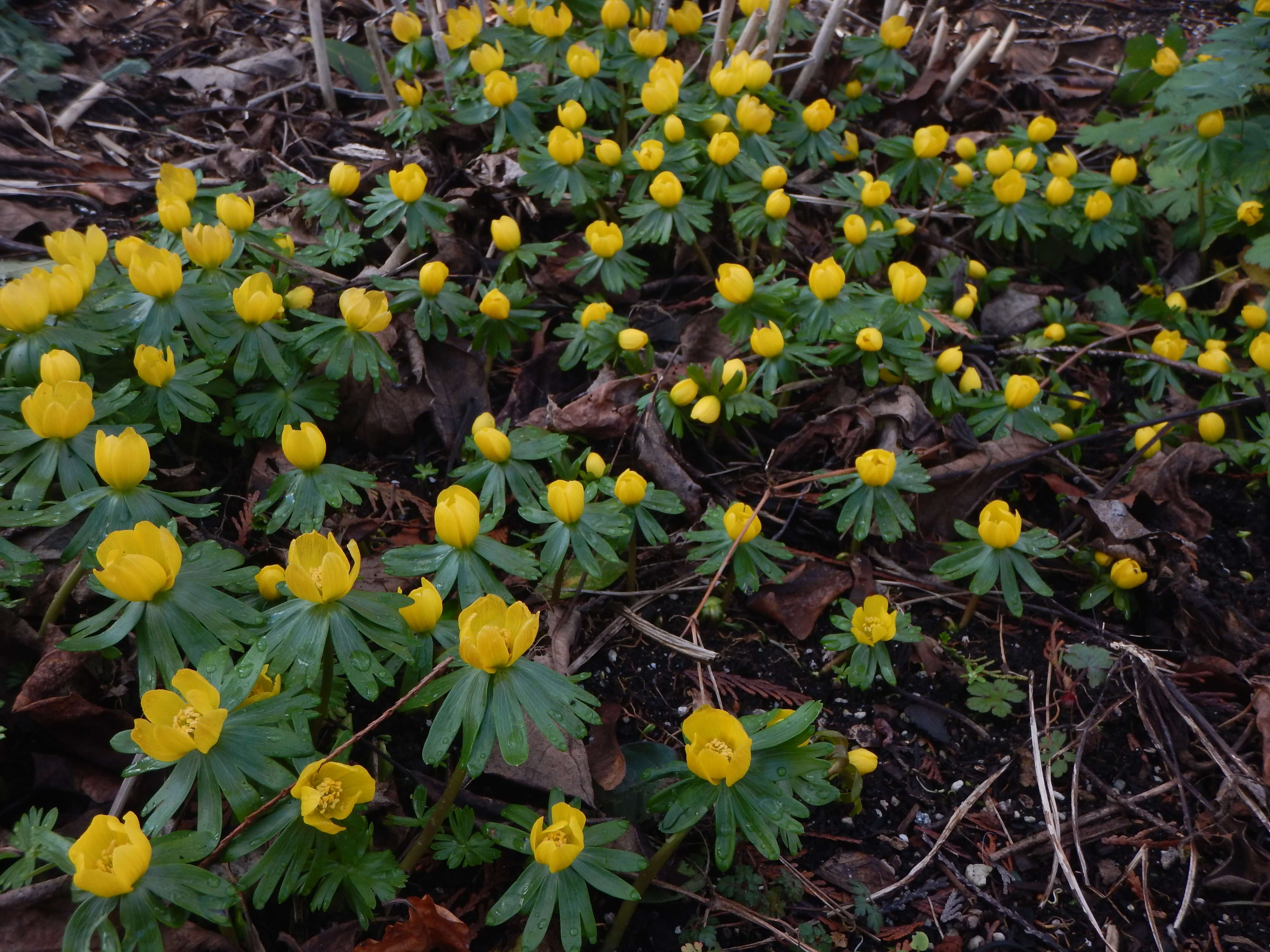
5. Winter Aconite This gem is actually a distant relative of hellebore. Go figure. One of the best similarities between these 2 is that neither are bothered at all by deer.
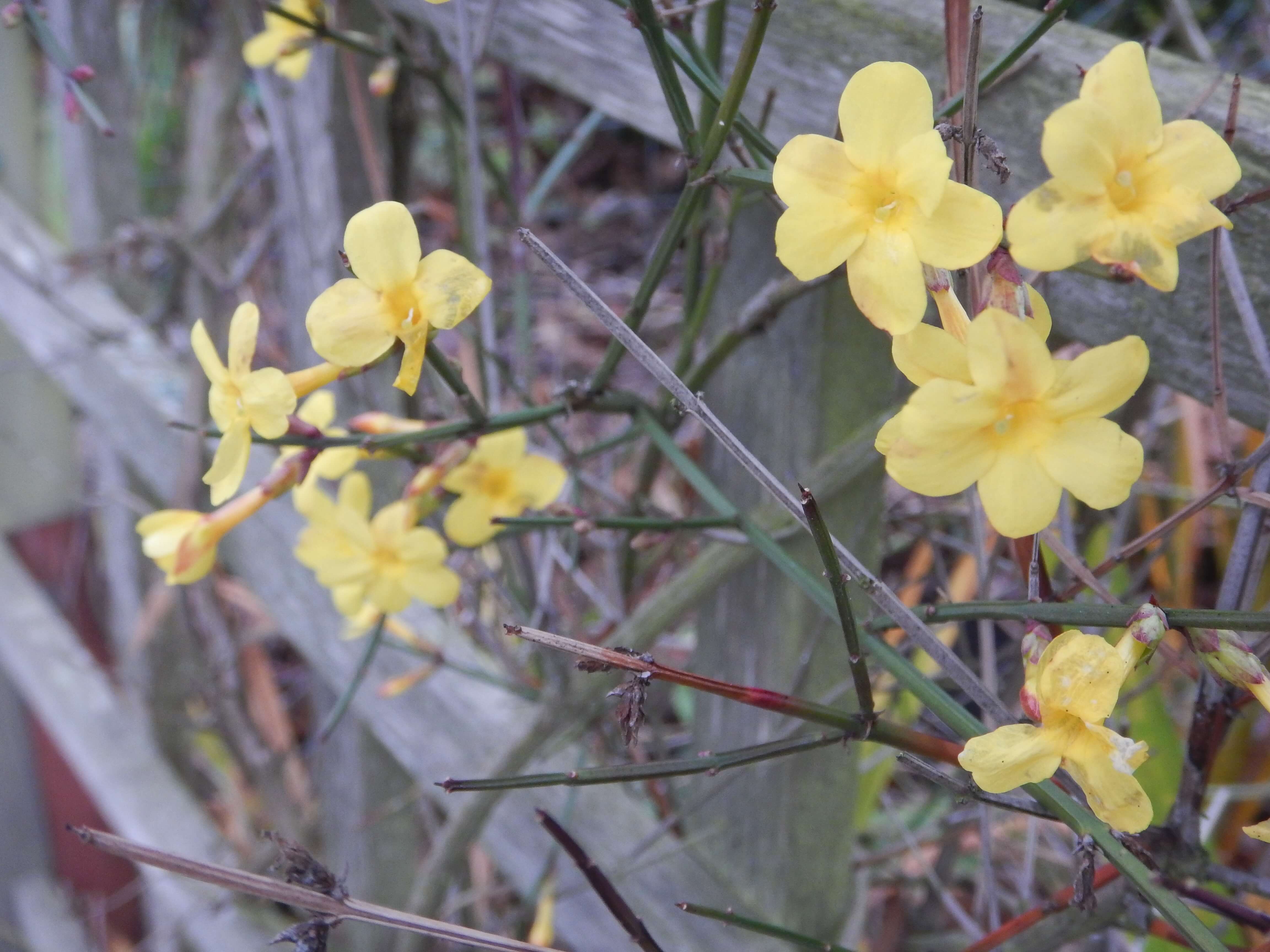
7. Winter Jasmine
This specimen is from a cutting that DS stole from Government House during the New Year’s Day Levi a few years ago. He decided we NEEDED it in our garden too! Wasn’t that thoughtful?
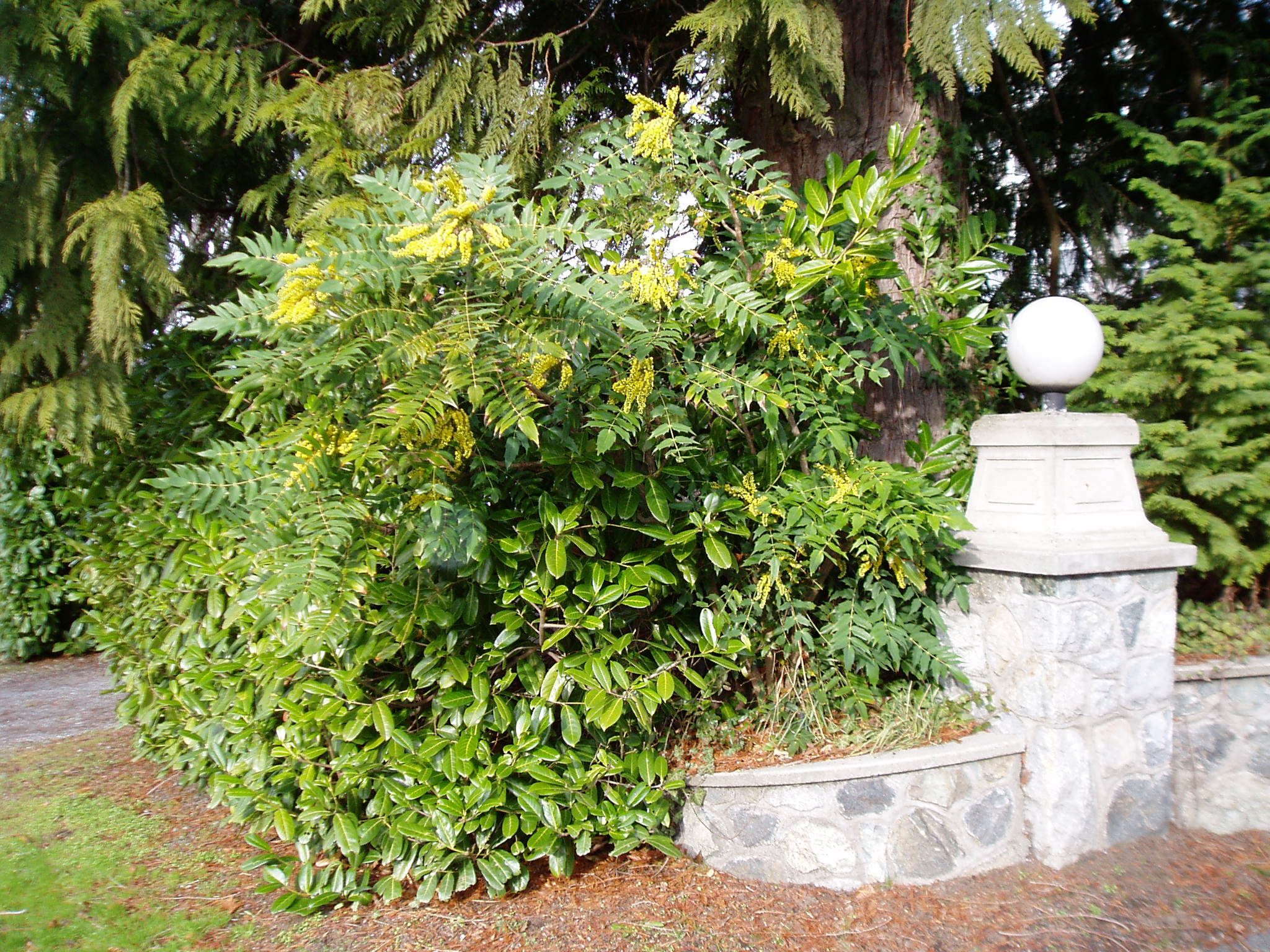
8. Mahonia
Oregon Grape is the native mahonia to these parts, but it doesn’t bloom until early spring, so I understand why some folks plant this ‘outsider’. It will bloom as early as December.
9. Pig Squeak
It’s a traditional favourite for our area, probably because of the winter blooms, and the unusual fleshy leaves. But also because it is super hardy & tolerates neglect and DEER.
10. Primrose
I thought they were just grocery store annuals, but when they finished up in the spring, I plunked them into the garden just in case. They came back – – every winter!
So there’s my list. 10 flowers in February – who would think there are that many? There’s sure to be space for some other early bloomers as I find them; perhaps some rhododendron, camellia, or witch hazel…








 Garden Variety Life