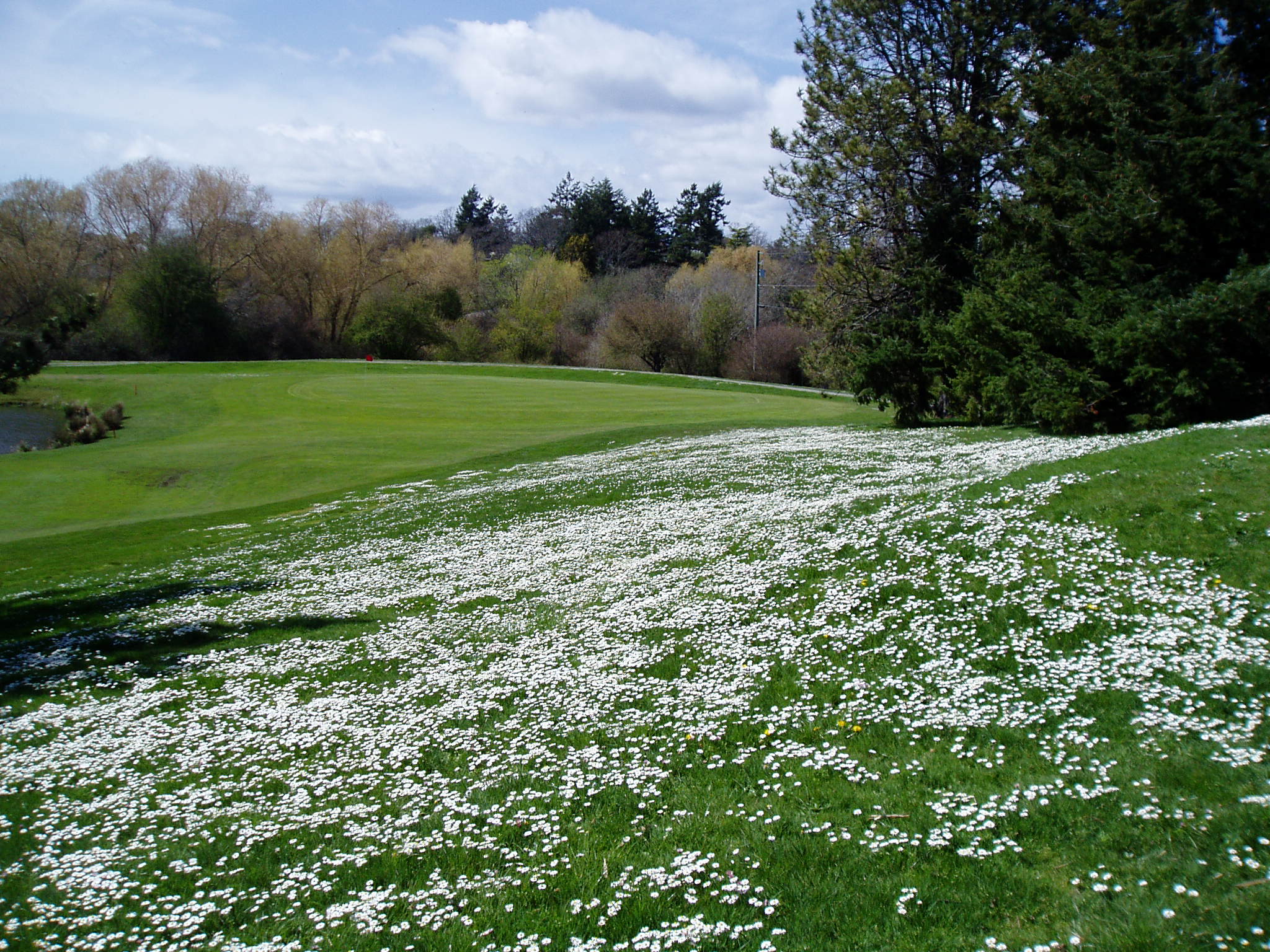
My breath caught when I turned the corner along a wooded trail revealing this spring meadow. Doesn’t it evoke images of butterflies & unicorns?
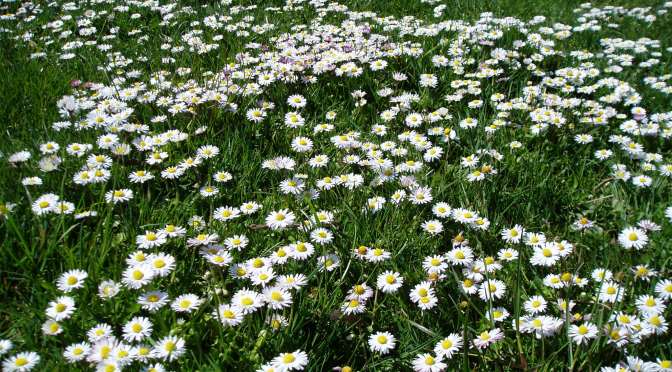
In my quest to ID this tiny smiling flower, I sent these photos to Saanich Parks’ horticultural supervisor, Kelly Mulhern. She quickly confirmed my suspicions: English Daisy.
Kelly says it originated in Europe but has naturalized all over the world. Although many folks enjoy it, “lawn purists” don’t.
The Cedar Hill Golf Course is home to this particular meadow. Their white drift of spring bloom laughs in the face of the perfect golf green.
photo by SVSeekins
I reckon it might be a new version of a sand trap. The plant grows in a low rosette shape, almost making a cup; perfectly suited for catching & cuddling a golf ball. And wouldn’t it be a bugger to find a white ball in this sea of white daisies?
The Royal Horticultural Society supports this daisy’s usefulness for planting in a wildflower meadow. I’m with them (surprise surprise).
But the debate rages. 🙂
C says he prefers the even texture of uninterrupted grasses. He’s one of those purists. How about you?
Even in the ‘banana belt’ of Canada, we celebrate the signs of the spring to come. Our annual Flower Count might be an in-your-face promotion for our tourism industry, but in reality, it’s as much a mental health exercise for locals. It’s good for our souls to get outside & search for signs that the grey skies & depressing drizzle of our west coast winter will one day fade in the spring sunshine.
photo by SVSeekins
1. Snowdrops Their name speaks for the hardiness of this winter bloomer. I’m always excited to see their tentative arrival in early January. By February they’re in full show.
2. Hardy Cyclamen Even though they’re tiny, the brightness of this exotic-looking flower draws the eye from across the winter landscape. It’s a close cousin to the cyclamen that bloom in early fall.
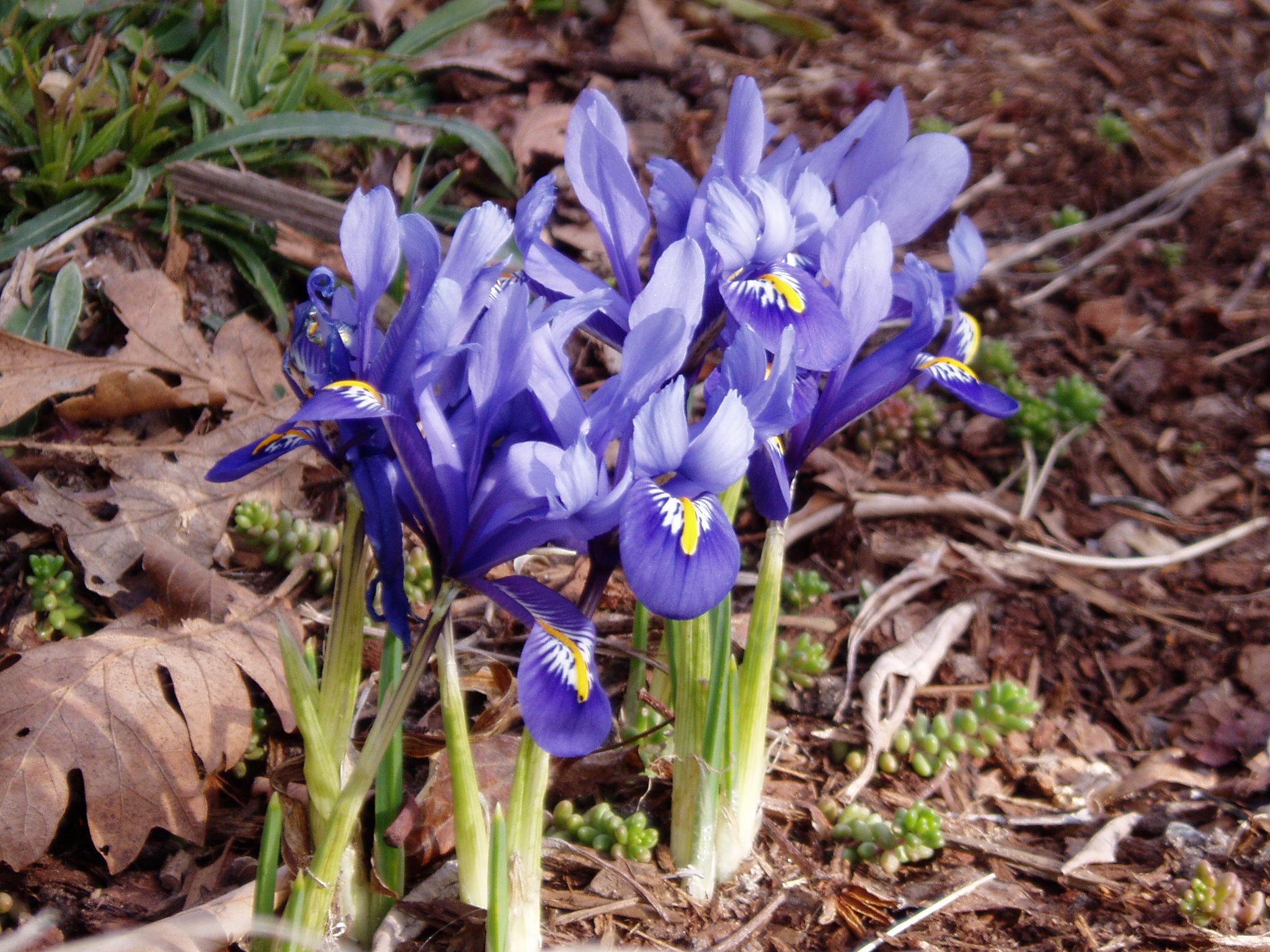
3. Dwarf Iris Here’s another little flower that in my mind looks too exotic to grow in Canada. Considering this iris, and the cyclamen above can both be found in Russia proves that exotic doesn’t just mean tropical.
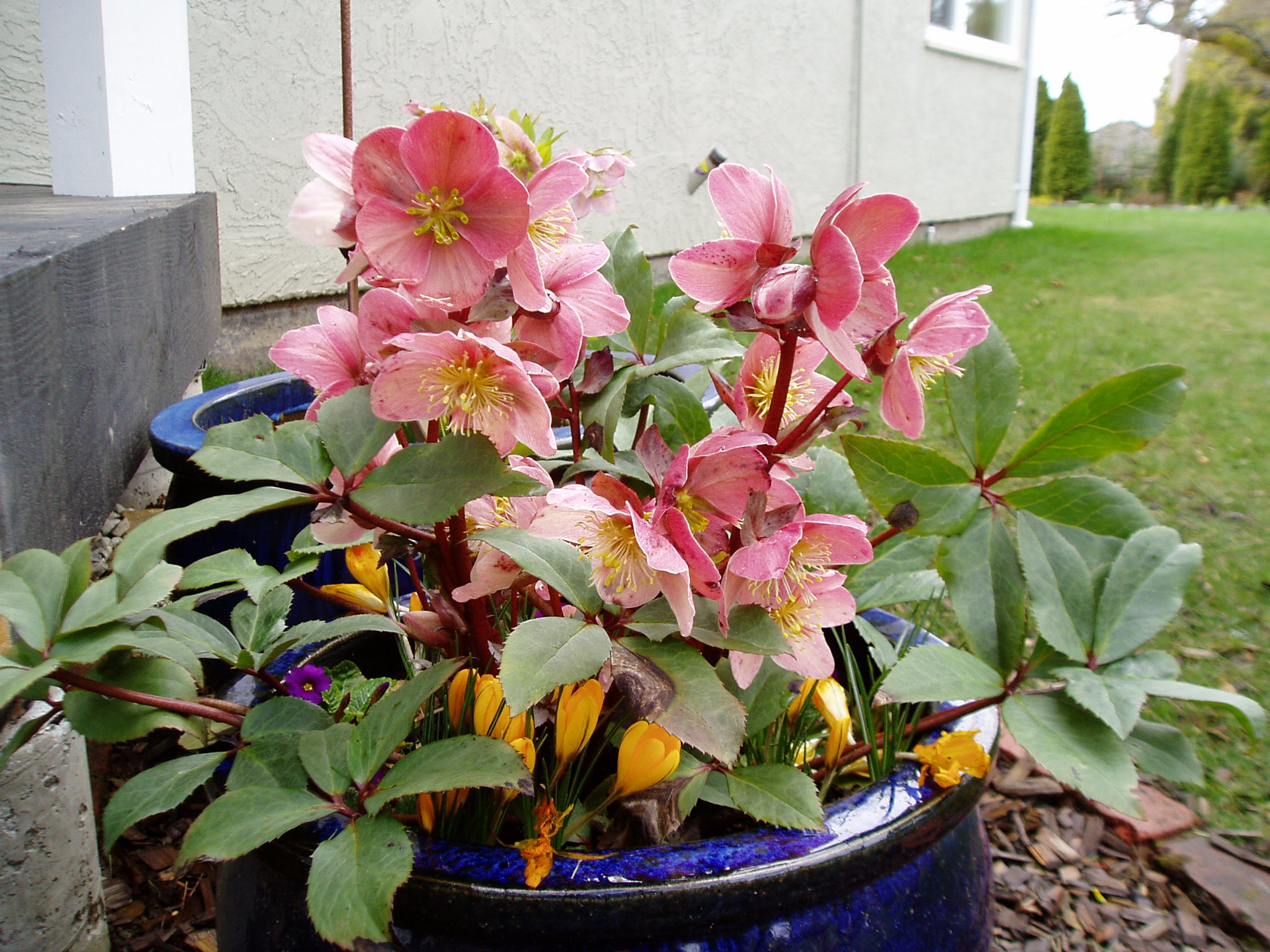
4. Hellebore
Just being a winter bloomer automatically qualifies hellebore for space in our borders. The evergreen foliage adds interest to the garden for the rest of the year. Win-Win!
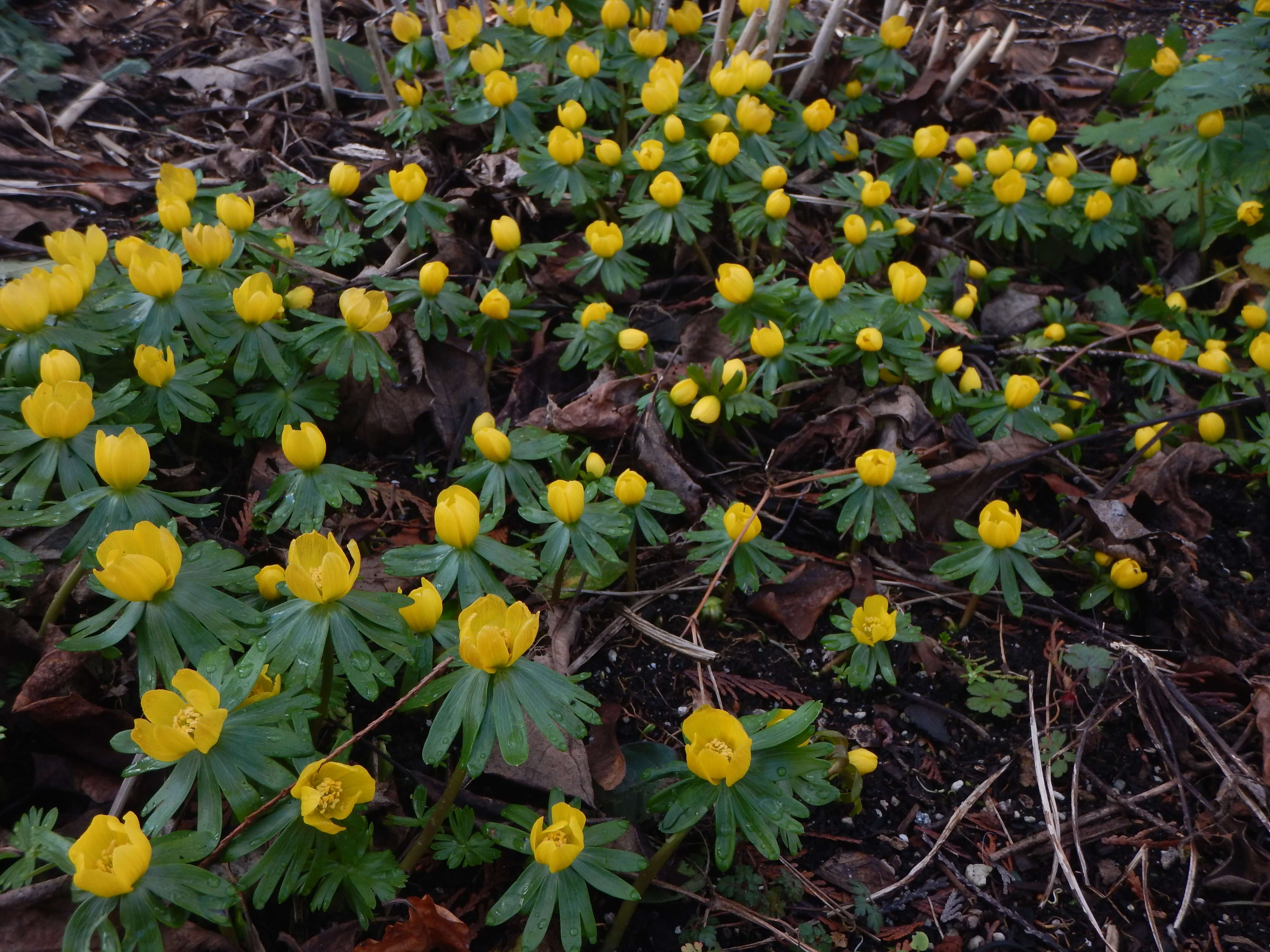
5. Winter Aconite This gem is actually a distant relative of hellebore. Go figure. One of the best similarities between these 2 is that neither are bothered at all by deer.
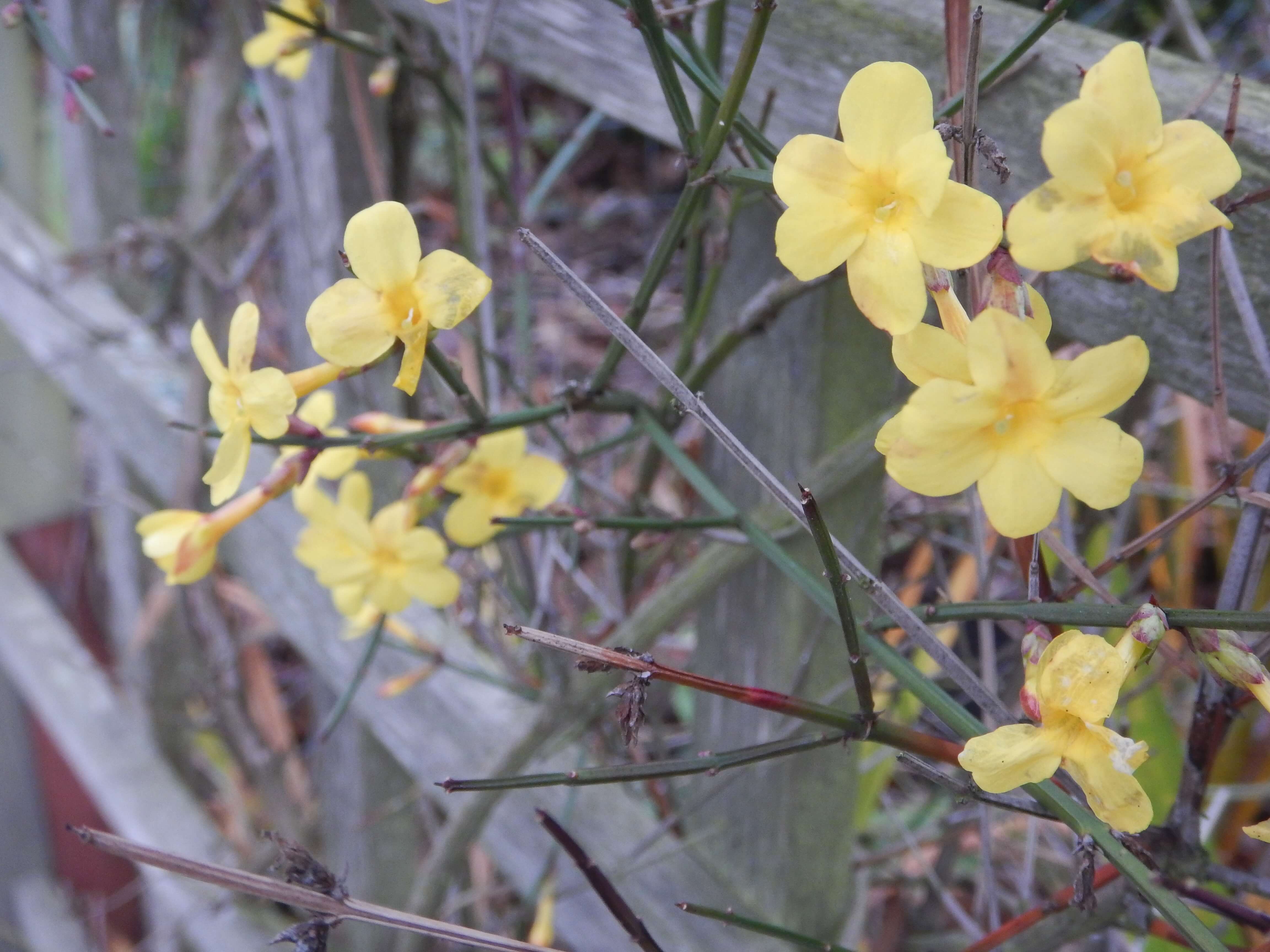
7. Winter Jasmine
This specimen is from a cutting that DS stole from Government House during the New Year’s Day Levi a few years ago. He decided we NEEDED it in our garden too! Wasn’t that thoughtful?
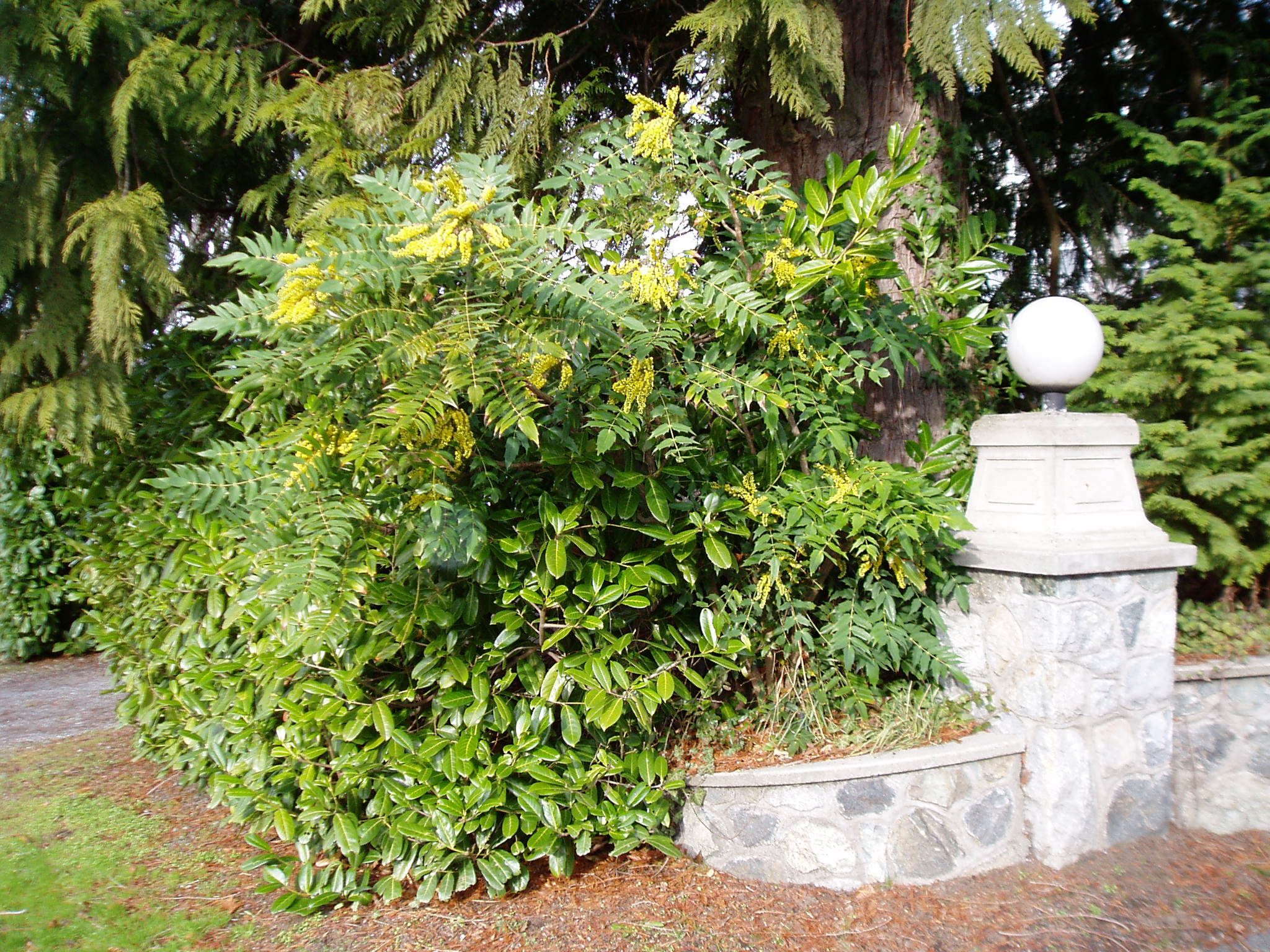
8. Mahonia
Oregon Grape is the native mahonia to these parts, but it doesn’t bloom until early spring, so I understand why some folks plant this ‘outsider’. It will bloom as early as December.
9. Pig Squeak
It’s a traditional favourite for our area, probably because of the winter blooms, and the unusual fleshy leaves. But also because it is super hardy & tolerates neglect and DEER.
10. Primrose
I thought they were just grocery store annuals, but when they finished up in the spring, I plunked them into the garden just in case. They came back – – every winter!
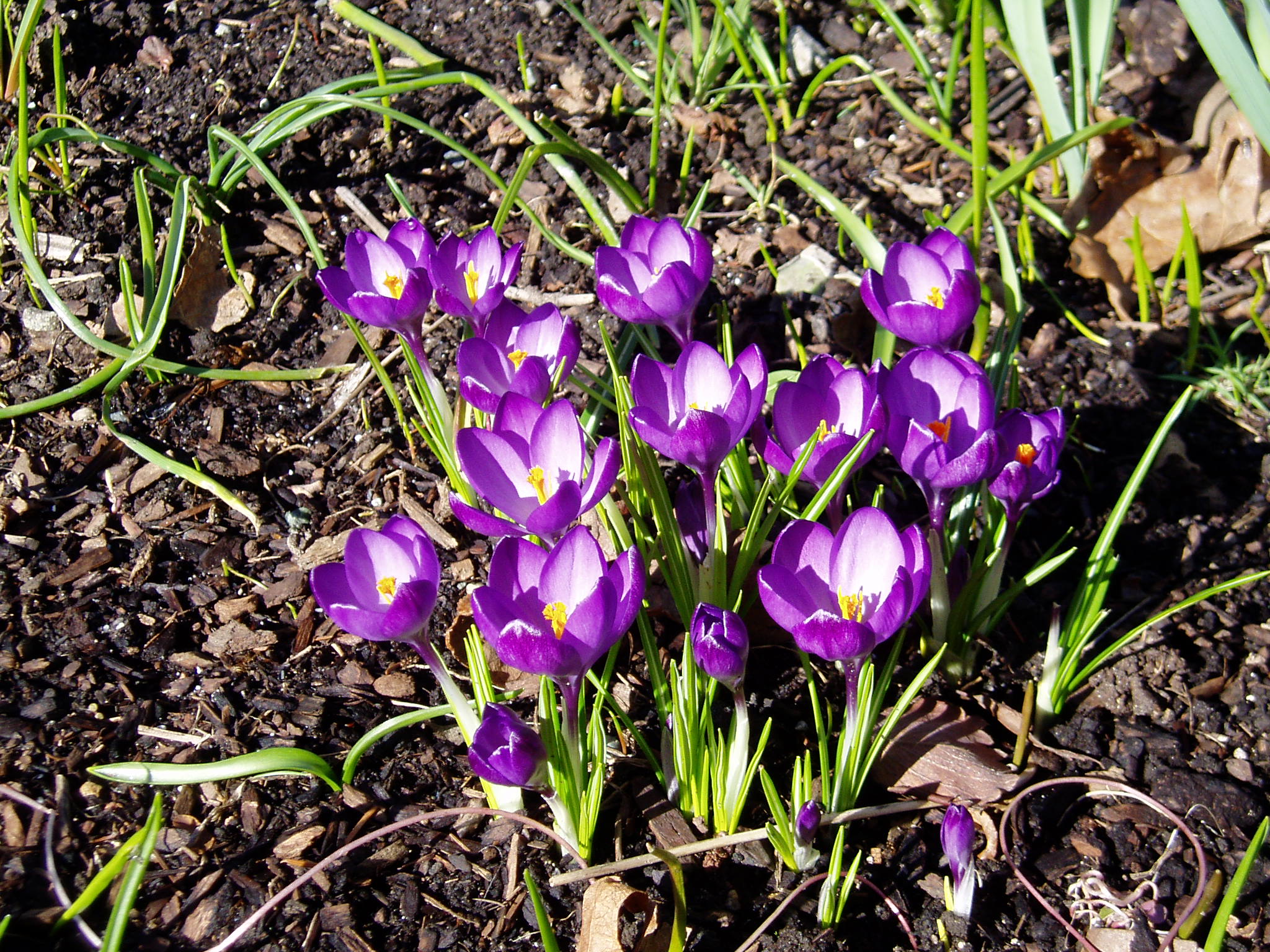
So there’s my list. 10 flowers in February – who would think there are that many? There’s sure to be space for some other early bloomers as I find them; perhaps some rhododendron, camellia, or witch hazel…
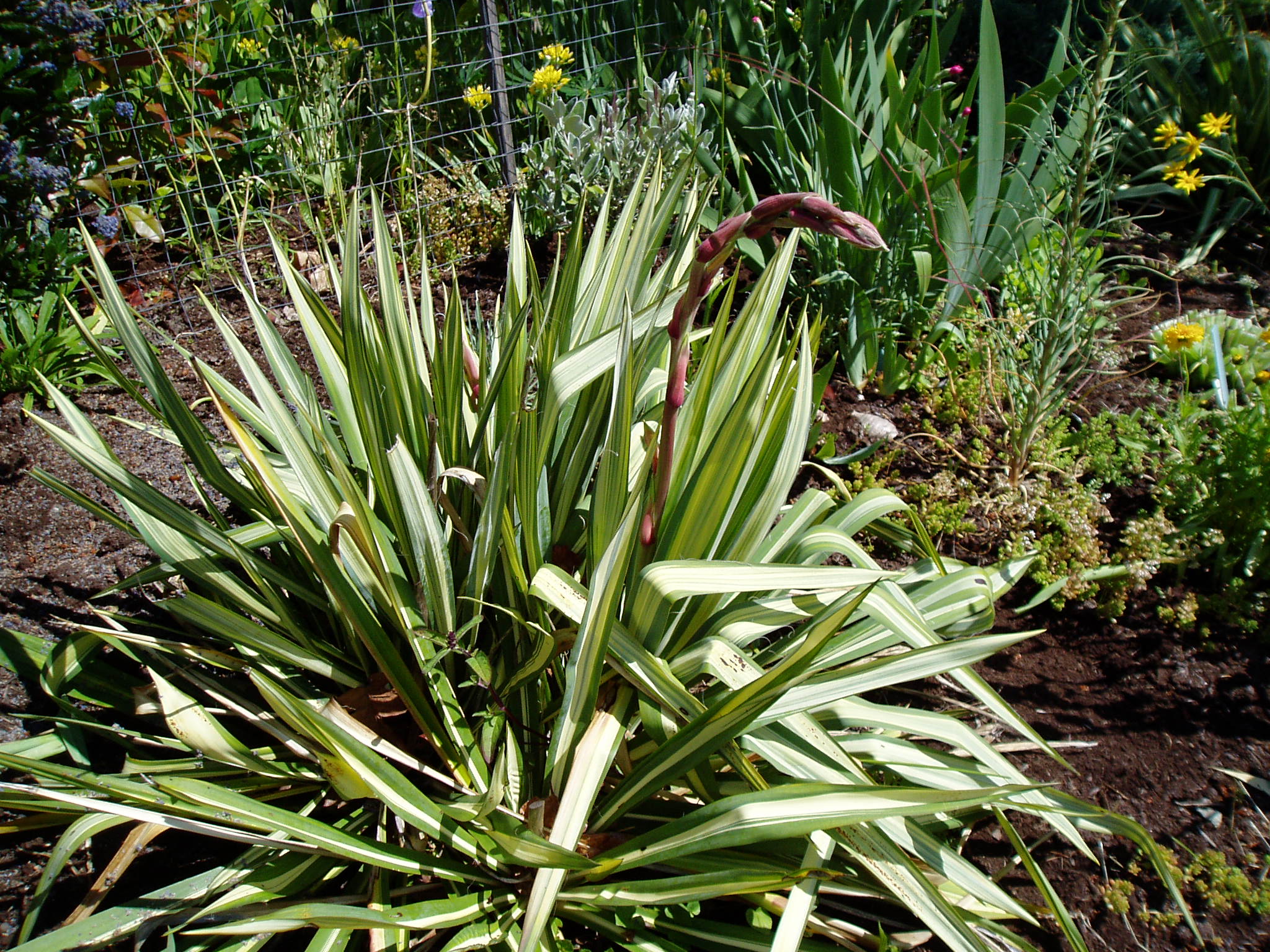
Because yucca originates in hotter climates than the Canadian west coast, I’d expect it to be in its glory in the summer, but I appreciate it the most during our drizzling grey winters.
In truth, yucca is pretty spectacular in the summer when it blooms… IF it blooms.
This photo shows a lovely patch beside a very busy road. Local deer aren’t cocky enough to hang about there. They prefer our yard.
photo by SVSeekins
Although the deer have no interest in the tough leaves, the funky flower stalk is another matter. It was only allowed to grow to the point that it was just unfurling to stand straight up & bloom. Then it became too much of a juicy delicacy for the deer to leave alone. So, no yucca blooms in our garden.
Still, there are plenty of other reasons I keep yucca around.
it transplants like a dream (kc gave me this variegated beauty when she was downsizing to a tiny property)
it’s fun to pass on the favour – I enjoy sharing the ‘pups’ that pop up along the base of the plant
drought tolerance
the shape & texture balances nicely against the leafy plants in the border
it’s evergreen & just does its thing consistently with minimal care
I can return the favour to kc – she uses the cut leaves in her fabulous flower arrangements
It’s a member of the Agavaceae family – and that’s where tequila comes from 🙂
On the other hand, Yucca are spiky & sharp. I don’t usually go for plants that can cause me harm. In this case, I make an exception for a couple of reasons:
I wear glasses – and that protects from a wicked poke, while also helping me see.
I always wear full sleeves – and that protects me from the yucca scratches if I happen to rub against it, while also helping me avoid sunburn
Yucca doesn’t grab at me like a rose or blackberry does. I really dislike that whole clingy thing.
photo by SVSeekinsphoto by SVSeekins
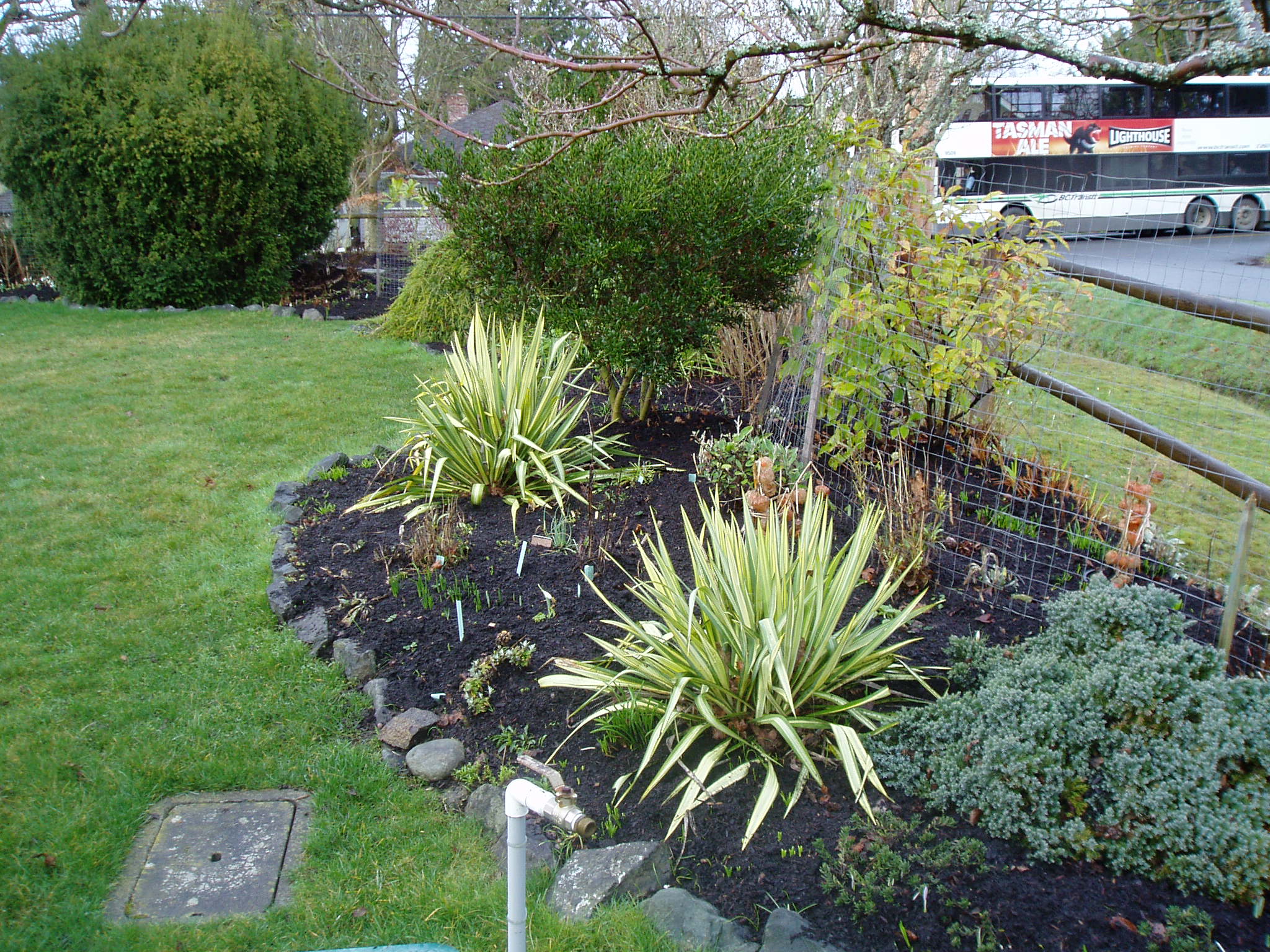
In our yard, the yucca gets lost in the garden bed much of the year. It mostly acts as an anchor as my eye skims over it in favour of spring bulbs, summer blooms or fall colour.
But it shines in the winter garden!
photo by SVSeekins
It’s so lovely to have something to look at when so much else has died back into dormancy.
Yucca proves it’s worth as a winter focal point. The variegated colour really pops in the grey winter light.
That’s the biggest reason I keep Yucca in our yard, and that’s why I like to call it “Winter Yucca.”







 Garden Variety Life