It was so overwhelming, I didn’t know where to start. It was my equivalent of a candy store. Where to look first?
Ted Baker’s iris bed
Our garden club was visiting Ted Baker’s garden on Saltspring Island. He likes iris. A lot.
Inside the Iris Societies BC & Canada, he’s a celebrity. He was instrumental in bringing the 2011 American Iris Society national convention to Vancouver Island. What a treat to explore his garden!
Who knew there were so many variations of iris? It was a kaleidoscope of exotic blooms & colours. With names for each plant, it was an enthusiast’s dream.
It’s too much to try to show you everything.
“Focus – Focus!” I thought to myself, entering Ted’s main iris field. I decided to concentrate on a single theme.
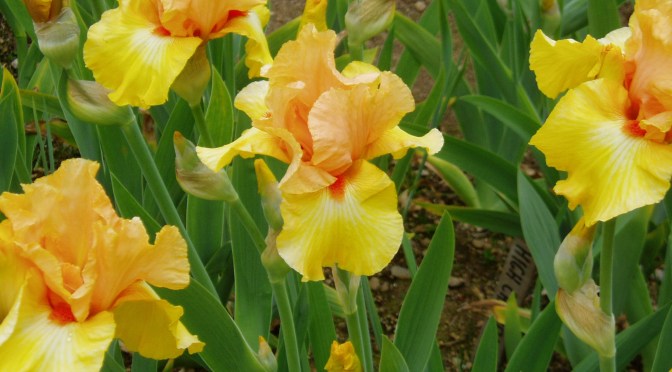
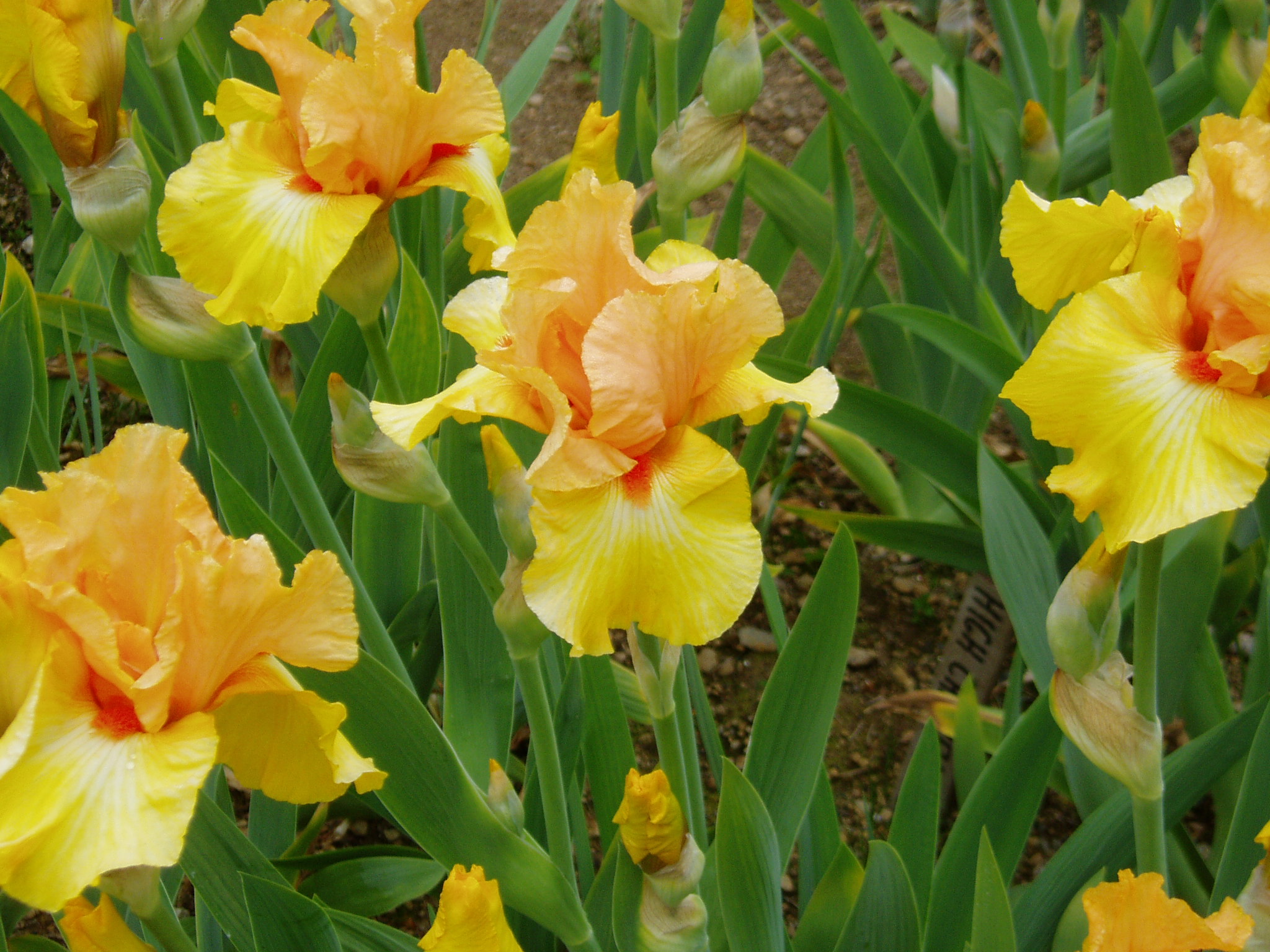
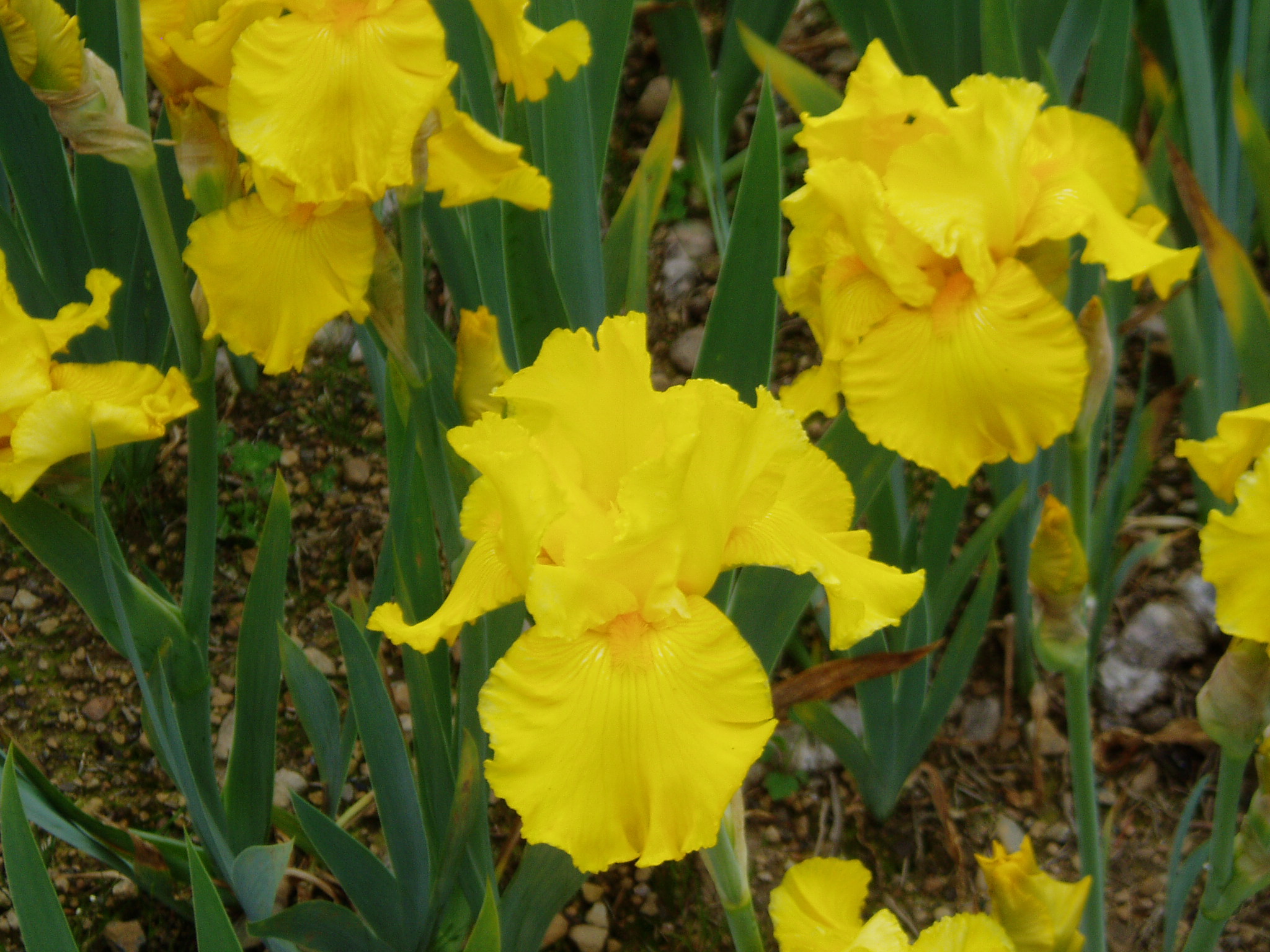
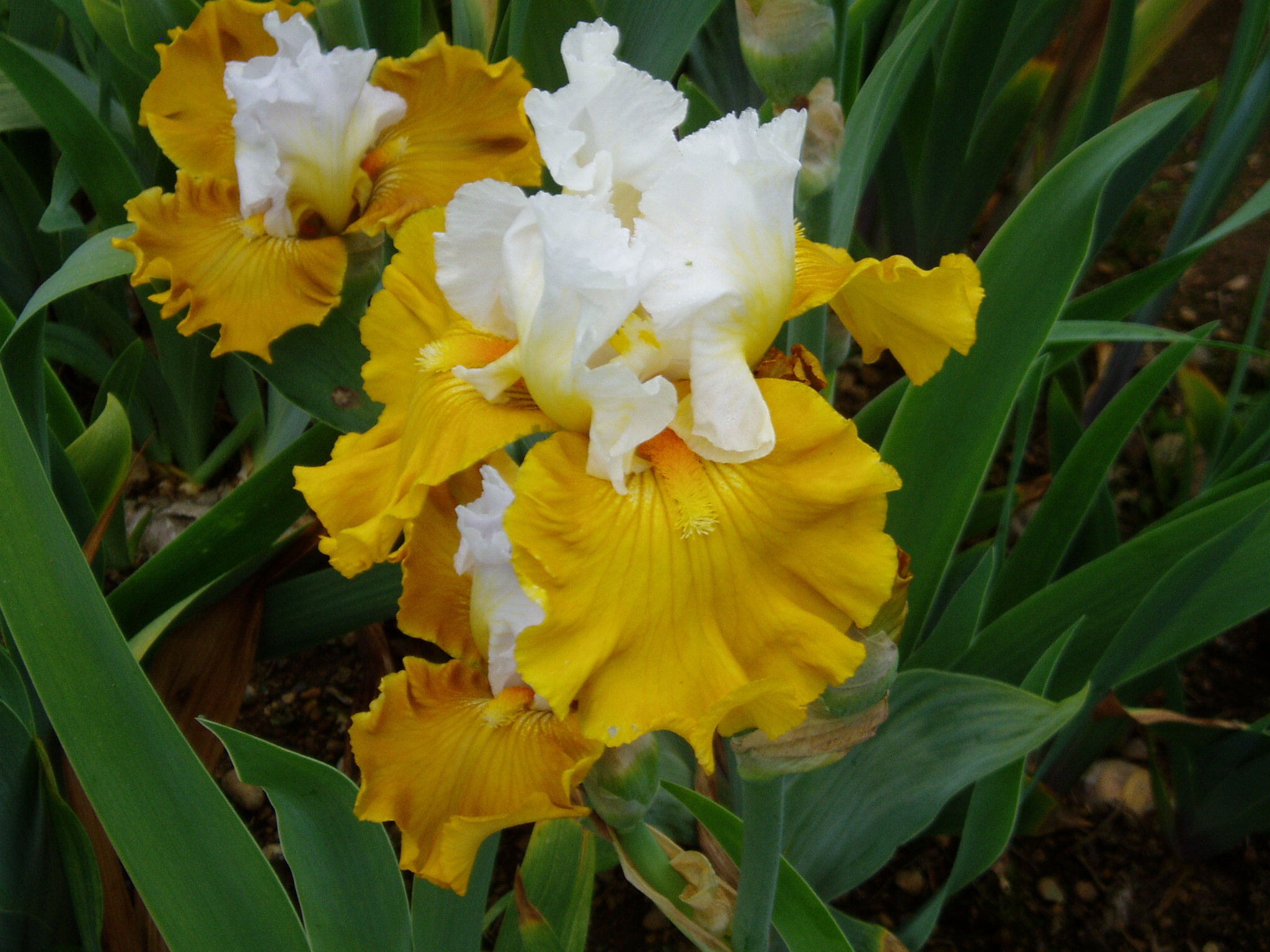
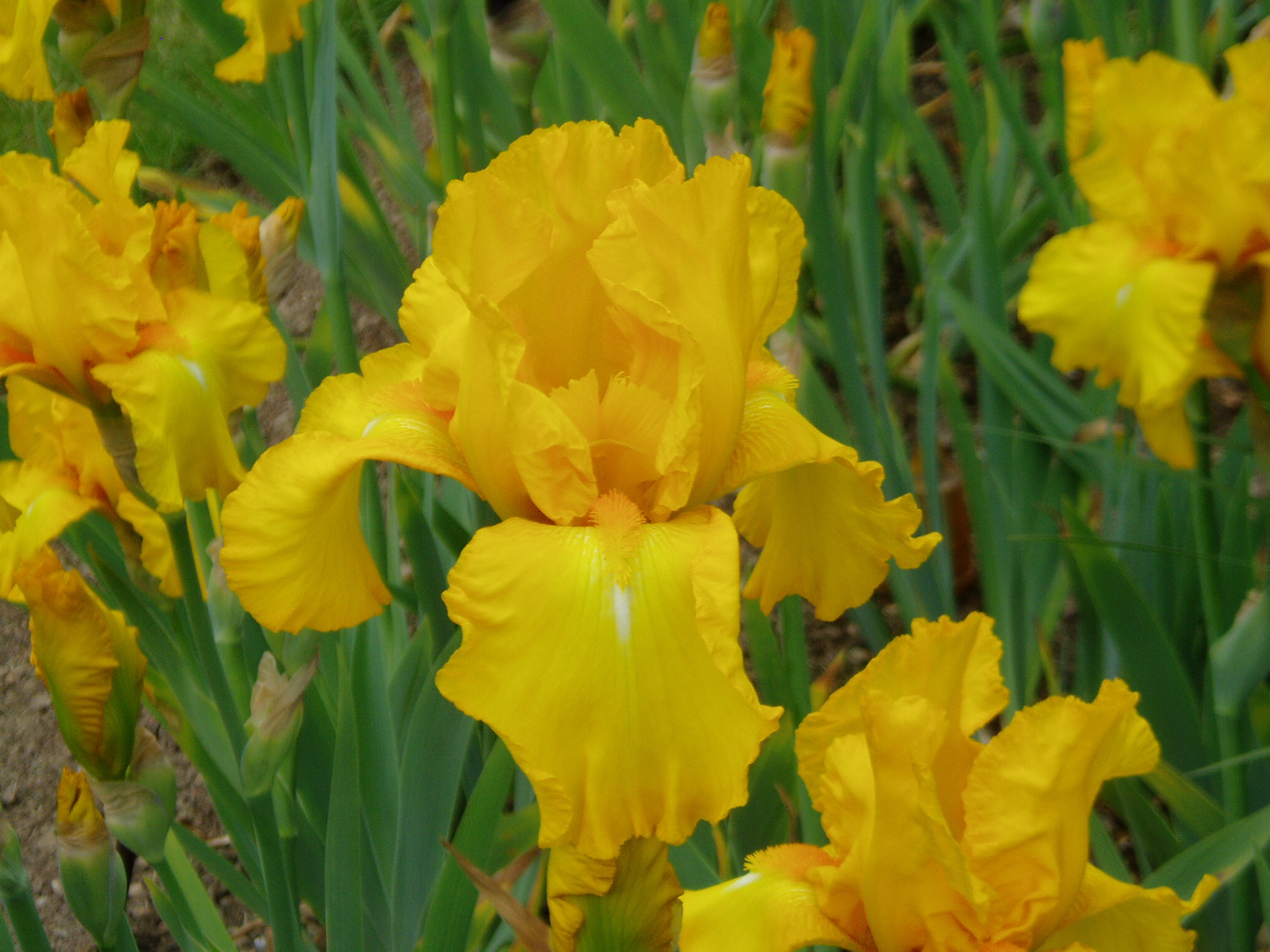
Yellow. I like Yellow, it’s a happy colour. So, get ready, here’s only a ‘Baker’s dozen’ of Ted’s 250+ bearded iris. See if you think the name matches the flower.
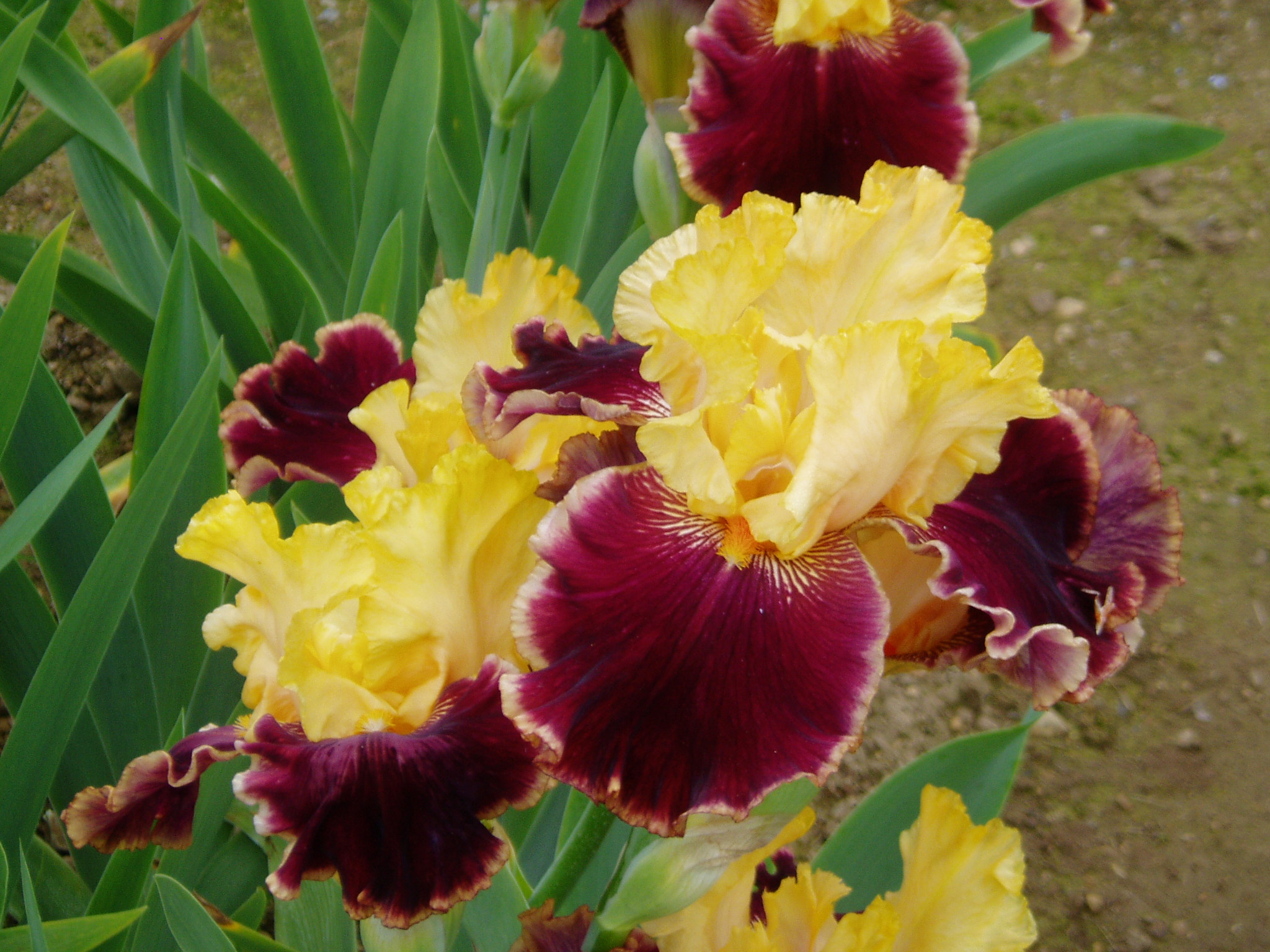
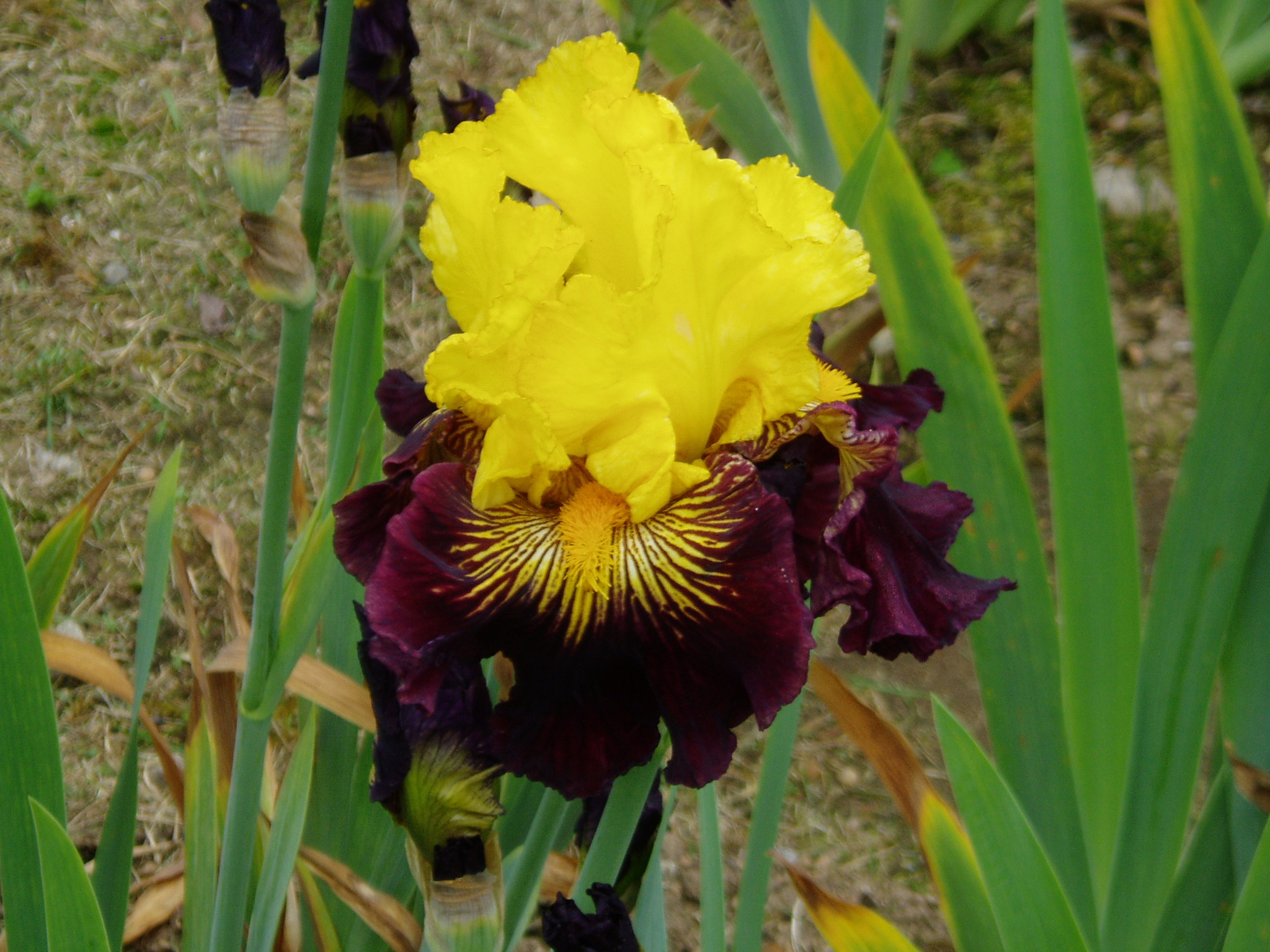
iris – golden ecstasy photo by SVSeekinsiris – dazzling gold photo by SVSeekinsiris – leading light photo by SVSeekinsiris – pirates quest photo by SVSeekinsiris – catalyst photo by SVSeekinsiris – aura light photo by SVSeekinsiris – tour de France photo by SVSeekinsiris – Mexican holiday photo by SVSeekinsiris – pirate ahoy photo by SVSeekinsiris – crackling Caldera photo by SVSeekinsiris – dream team photo by SVSeekinsiris – solar fire photo by SVSeekinsiris – sunny and warm photo by SVSeekins
The morning visit to Ted’s garden was fun. It certainly proved there was more to iris than those delightful purples that still grow (un-tended) in Mom”s & Grandma’s gardens. Which do you grow in your garden?
Last spring, I came across the loveliest drift of foamy flowers that I’d ever seen. It grew on a rocky outcrop. Pink blooms smothered the moss-covered rocks. It was as if the hillside was blushing.
photo by SVSeekins
“That would look great in my garden!” I thought.
We have a rocky slope that blooms with grape hyacinth at this same time. Wouldn’t the pink & blue combo look fabulous?
My friend SK had similar thoughts. Little green plant-coveting monsters chorused from our shoulders, encouraging us both to forage some of this wildflower.
It was a group consensus.
We just took a few plants. We only took them from crevices already overflowing with the pink population. I felt a weensy bit ashamed by our boldness – but only for a moment.
The plants were tucked into similar mossy crevices in my garden as soon as was possible. Fingers crossed for their survival, I went inside to search out the details on the plant.
It turns out that it’s named appropriately. Sea Blush. Blooming on rocky hillsides throughout the Pacific Northwest, it’s a native wildflower.
I certainly hadn’t noticed any unusual smell from the flowers, but when I read about it, I hoped there might be just enough to deter the deer from feasting. Deer frequent this part of the garden more than any other. Time would tell.
It was disappointing to find out Sea Blush is an annual. Since we’d moved it while it was in bloom, I figured there wasn’t much chance it would set seed.
photo by SVSeekins
What a delight to find it blooming this spring! Was the winter mild enough that the plants survived? Did the seeds develop even though I’d set it back by transplanting? I’m not sure how it survived, but I’m thrilled it did.
photo by SVSeekins
Now I hope it’ll spread across the rocks & produce the blushing spring meadow of my fantasies.
Swan Lake Nature Sanctuary offers classes on native plant gardening. I took one last weekend. The instructor, Pat Johnson, listed Sea Blush as one of her plant picks for native gardens. She has superwonderful photos of gardens on Vancouver Island that benefit from the use of native plants. I definitely recommend the 1/2 day class if you ever get the chance.
It’s sometimes called the Winter Rose, but isn’t actually a rose relation. The flowers really do remind me of the wild rose, but mostly it gets that name because it blooms in winter, some even by Christmas!
Typically the Christmas bloomers have boring white flowers that slowly age into interesting light green flowers before setting seed. We gifted Mum with one of those hellebore this past Christmas & it’s still looking great on her balcony.
photo by SVSeekins
There aren’t any Christmas blooming hellebore varieties in our garden. At that time of year our hellebore are just happy evergreen perennials that the deer leave alone. I think they’re wonderful just filling in the borders so winter doesn’t look completely desolate.
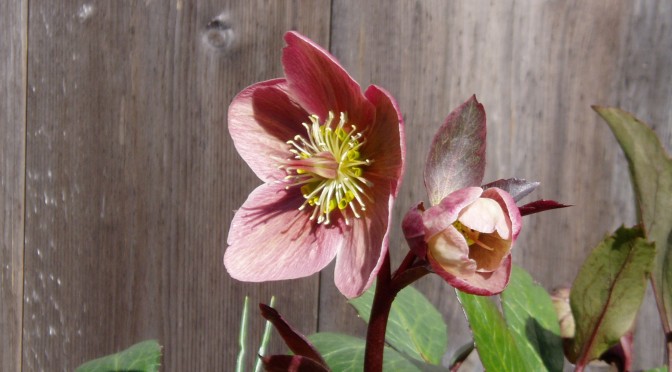
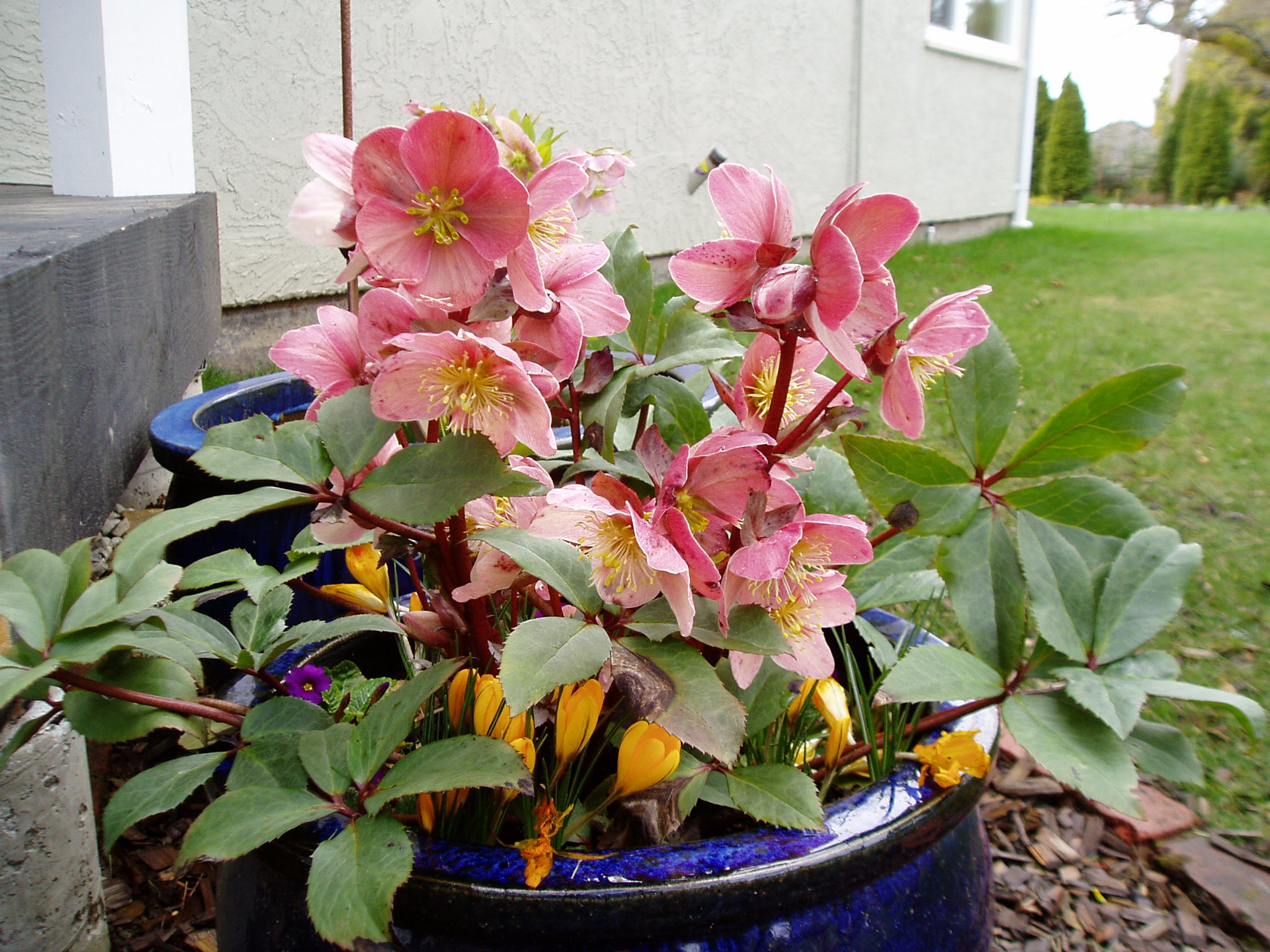
These come from the new hybrid varieties that have appeared in nurseries over the past couple years. The hellebore suppliers have presented blooms in pinks and even dark colours that seem almost black. Those types seem to flower later in the winter.
photo by SVSeekins
By February our hellebore are starting to show promise. That’s my cue to get out there & do a bit of pruning.
The new bud stems shoot up from the centre of the plant, pushing last year’s stems over a bit. It’s those older stems we need to check out closely. Some get a bit of gunk on them & that could infect the new growth. It’s wise to remove any with those issues. This sample below shows it even better…
photo by SVSeekins
That poor hellebore really was looking worse for wear. I cut away all infected old stems, knowing that the new growth would arrive in hardly any time at all. Here’s what it looked like shortly after its trim:
photo by SVSeekinsphoto by SVSeekins
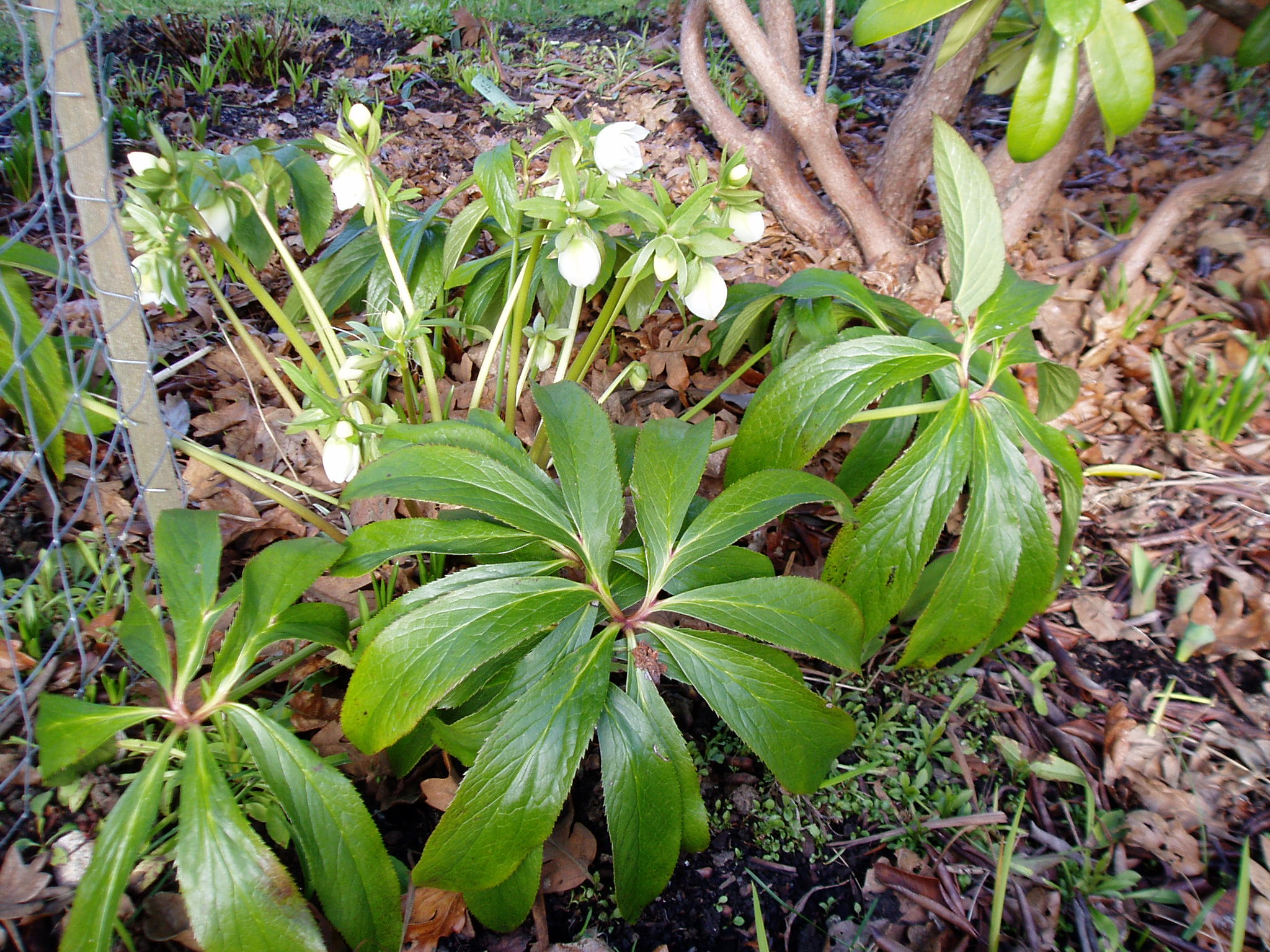
Another variety was showing buds in February at about this same time. I checked closely but didn’t find any issues on the leafs, so it didn’t get trimmed back at all. My intention is to let it alone unless it starts to look poorly.
In the meantime I’m really enjoying the fat double blooms it’s producing, even though they’re that boring creamy white colour.
photo by SVSeekins
I’ve heard that hellebore will slowly spread through the garden, & that’s fine by me! To add some extra encouragement, my plan is to collect their seed pods & help out a bit with the distribution.
It’s just a delight to have a good show of blooms so early in the year! That’s why I’ve kept a couple in big pots by the back door. I seem to need that promise of the flowers & warmth that will arrive in a couple more months if only I can hold out that long.












 Garden Variety Life