If the leaf is grey & fuzzy, the deer usually turn up their noses.
photo by SVSeekins
Maybe they don’t like fuzz, just like I don’t like to eat the felted skin on a peach. More likely it’s because fuzz is common on drought tolerant plants. And drought tolerant plants are often dry & unpalatable. Deer aren’t stupid.
photo by SVSeekins
It is my good fortune that Rose Campion, aka Lychnis coronaria, is so deer resistant. They ignore the upright stems and the hot pink flowers, too.
Lychnis are tough plants. Left on their own, they’ll self seed willy-nilly. That’s not a bad thing while I’m waiting for other perennials and shrubs to mature. Because Lychnis is very easy to grow & transplant, they’ve become one of my go-to fillers (along with foxglove & snapdragons).
photo by SVSeekins
I grow them as a mini-hedge in hopes of keeping deer out of sections of the garden.
They’re also super-handy in areas with very little soil, or little moisture, where little else will survive 🙂
These Lychnis might not grow as tall as the ones that are irrigated, but they’re just as delightful.
Other times I’ll cut them back to enjoy the tidy grey mound of the plant on it’s own. That way I also get to set aside some of the seed for myself; to sow in the spring wherever I want it to grow.
photo by SVSeekins
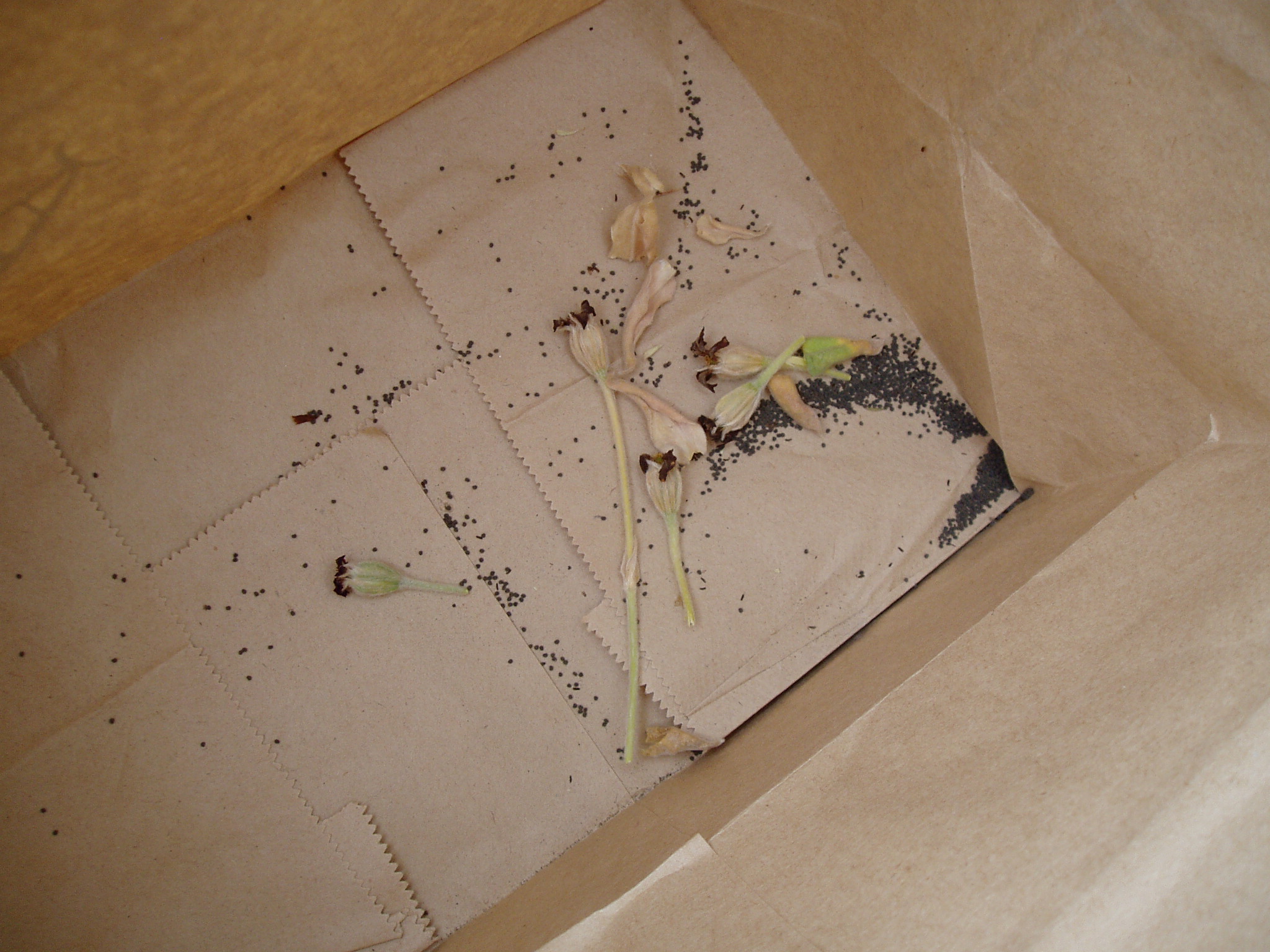
Lychnis seed is very simple to collect.
Turn the finished flower stem upside down into a paper bag.
If the seed is ready, it’ll spill right into the bag.
If the stems are still green, put the bag away, out of the elements, so the seed can continue to mature.
Once it’s all really dry, while still inside the bag, shake the stems well.
Many members of the garden club weren’t surprised that I’d planted Crocosmia. It’s a pretty, summer flowering corm that hummingbirds flock to.
But those same folks seem absolutely aghast that I’d planted so much Crocosmia.
photo by SVSeekins
It all started with an empty garden, and a ‘free‘ load of soil.
We built large berms & planted shrubs in hopes of one day having lush borders. Before much else even had a chance to grow, Crocosmia was popping up everywhere.
photo by SVSeekins
What a delight! The novice gardener in me was thrilled with the free plants. I recognized the strappy leaves, and the cascading flowers from other gardens. I admired them.
I thought the plants were wonderfully tenacious to recover from being buried 2-3 feet down. They valiantly sent sprouts up toward the light, then as they grew leaves, they developed a new corm just under the soil. Clever, eh?
photo by SVSeekins
I was told that Crocosmia was a ‘persistent’ grower, but I figured I could handle it. For several years the waves of Crocosmia crowded out weeds & gave me time to concentrate on other parts of the yard.
photo by SVSeekins
I’m still pleased with growing so much Crocosmia.
photo by SVSeekins
It’s disappointing that deer eat the blooms, but a good deer repellent takes care of that.
It’s disappointing that Crocosmia isn’t as drought tolerant as hoped, but I’ve found that Kniphofia (Red Hot Pokers) replaces it well (after strenuous digging & meticulous removal).
Although I’ve swapped out some patches, many remain. I like that their leaves start to show in March… and hold out through most of December
photo by SVSeekins
I’ve even welcomed another variety into the yard.
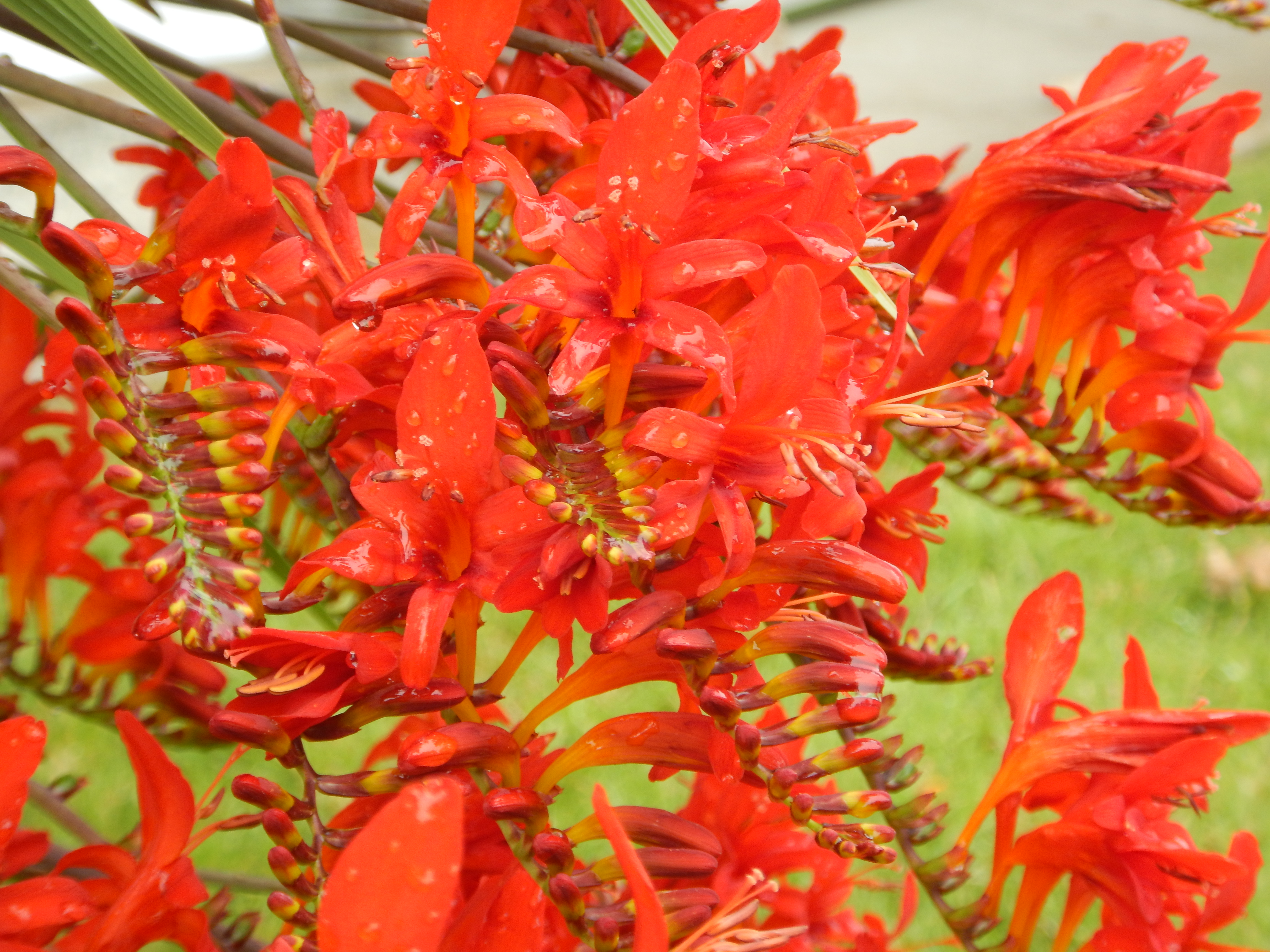
Crocosmia Lucifer is an architectural statement. It’s easy to see how the flaming red flowers inspired the dramatic name.
photo by SVSeekins
The smaller, old fashioned Crocosmia, aka Montbretia, might not be as popular as it was a few decades ago, but I’d bet most members of the garden club keep a place for ‘Lucifer”.
It’s unlikely there’s room for more than a patch or two of these beasts in our yard. Even one patch makes an impact. I reckon it won’t be swapped out for anything else any time soon.










 Garden Variety Life