Category Archives: gardens with wildlife

living around wildlife

Meadow Blooms 1 – Crocus

Crocus happily mingled throughout the grass!! That’s my happy place.  🙂

Crocus in lawn 2013
photo by SVSeekins
planting crocus in lawn
phot by SVSeekins
the crocus meadow in 2012
photo by SVSeekins

We started with a Dandelion Dilemma in the fall of 2011.  The chosen solution was digging out the weeds & dropping crocus bulbs in the subsequent holes.

After all that digging, the lawn looked pretty rough through the winter.

Then there was some tentative success with crocus blooms in the spring of 2012.  Perhaps the bulbs hadn’t had time to root well before winter came?

And the lawn still looked like it had been attacked by gophers.  I had hoped it would recover more quickly.
12 mnths after dandelion digging
photo by SVSeekins

It probably would’ve been better to have given that whole area a good layer of top-dressing.  But that would’ve cost more money & taken more effort, too…  So I didn’t.

Over the summer, the grass recovered on its own.  Isn’t patience a beautiful thing?

Only a few of the dandelions came back.  I’ve tried to jump on those as soon as they show up.  Perseverance is a good ambition in these circumstances.

Crocus in lawn 2013
photo by SVSeekins

Now I’m reassured that spring is on its way because the crocuses are here & doing their happy dance.  As sunshine beams down, they open up.  They quickly close when a cloud passes over.  When the sun caresses them again, they open back up.  They’re so whimsical & busy!

What a lovely reward for all that digging 18 months ago.  🙂

-30-
© SVSeekins and Garden Variety Life, 2013

P.S.  Here’s a post from another writer who did a very

snow crocus, woodland crocus, early crocus, summit park, crocus, garden Victoria, Vancouver Island, BC Pacific Northwest
photo by SVSeekins

a similar project, only without all the dandelion to contend with:

… and one from an established local meadow

PP.S. Here are some other meadow faves:

10 February Faves

Even in the ‘banana belt’ of Canada, we celebrate the signs of the spring to come.  Our annual Flower Count might be an in-your-face promotion for our tourism industry, but in reality, it’s as much a mental health exercise for locals.  It’s good for our souls to get outside & search for signs that the grey skies & depressing drizzle of our west coast winter will one day fade in the spring sunshine.

Snowdrops - January 31, 2013
photo by SVSeekins

1. Snowdrops
Their name speaks for the hardiness of this winter bloomer.  I’m always excited to see their tentative arrival in early January.  By February they’re in full show.

aka: Galanthus

Click here for more info on snowdrops.

hardy cyclamen coum, persian violet, eastern sowbread, round-leaf cyclamen, C. coum, Cyclamen orbiculatum, garden Victoria, Vancouver Island, BC, Pacific Northwest
photo by SVSeekins

2. Hardy Cyclamen
Even though they’re tiny, the brightness of this exotic-looking flower draws the eye from across the winter landscape. It’s a close cousin to the cyclamen that bloom in early fall.

aka: Cyclamen coum

Can you believe there’s a Cyclamen society?

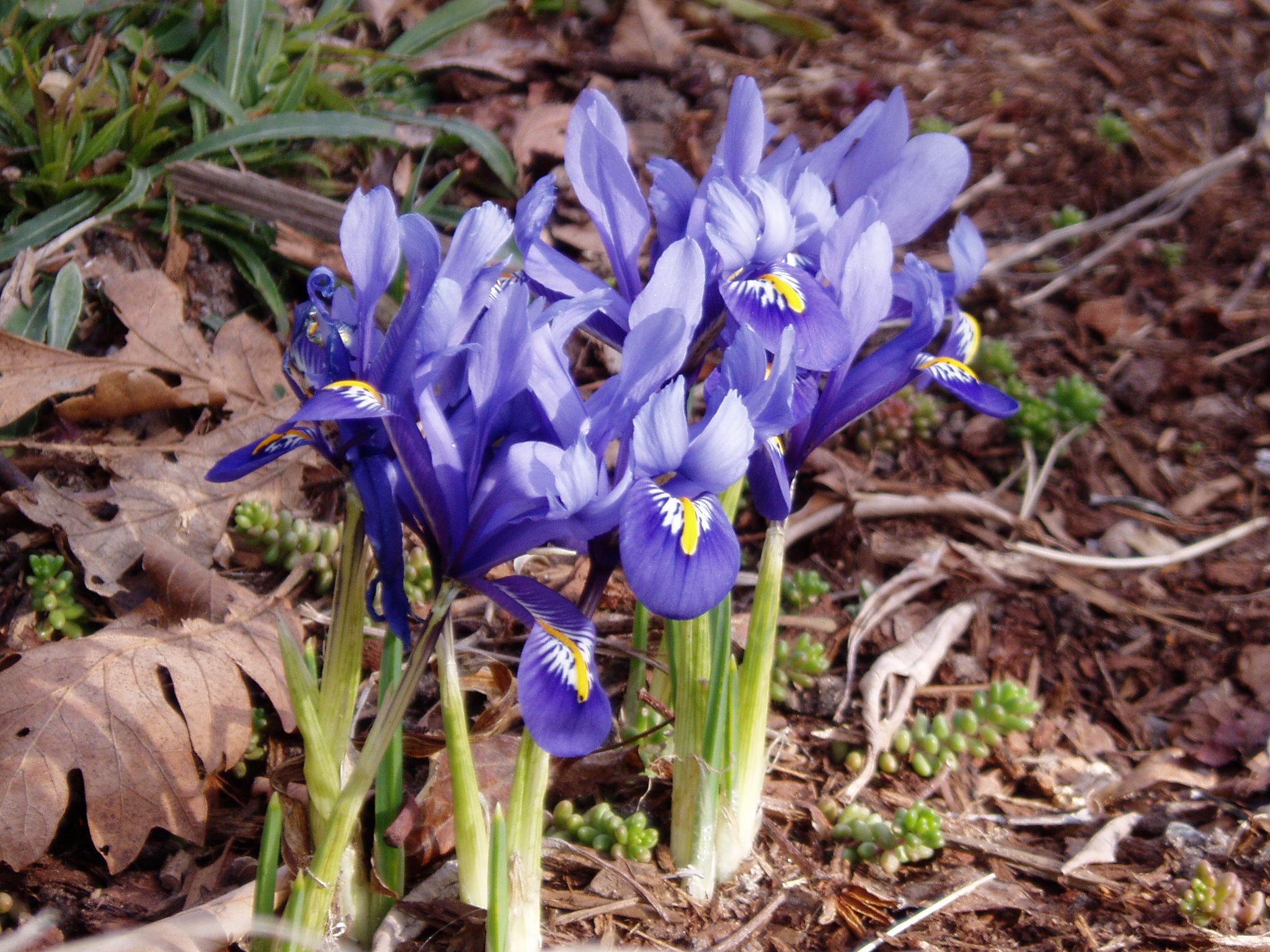
iris reticulata
photo by SVSeekins

3. Dwarf Iris
Here’s another little flower that in my mind looks too exotic to grow in Canada.  Considering this iris, and the cyclamen above can both be found in Russia proves that exotic doesn’t just mean tropical.

aka: Iris reticulata

It’s even received an Award of Garden Merit!

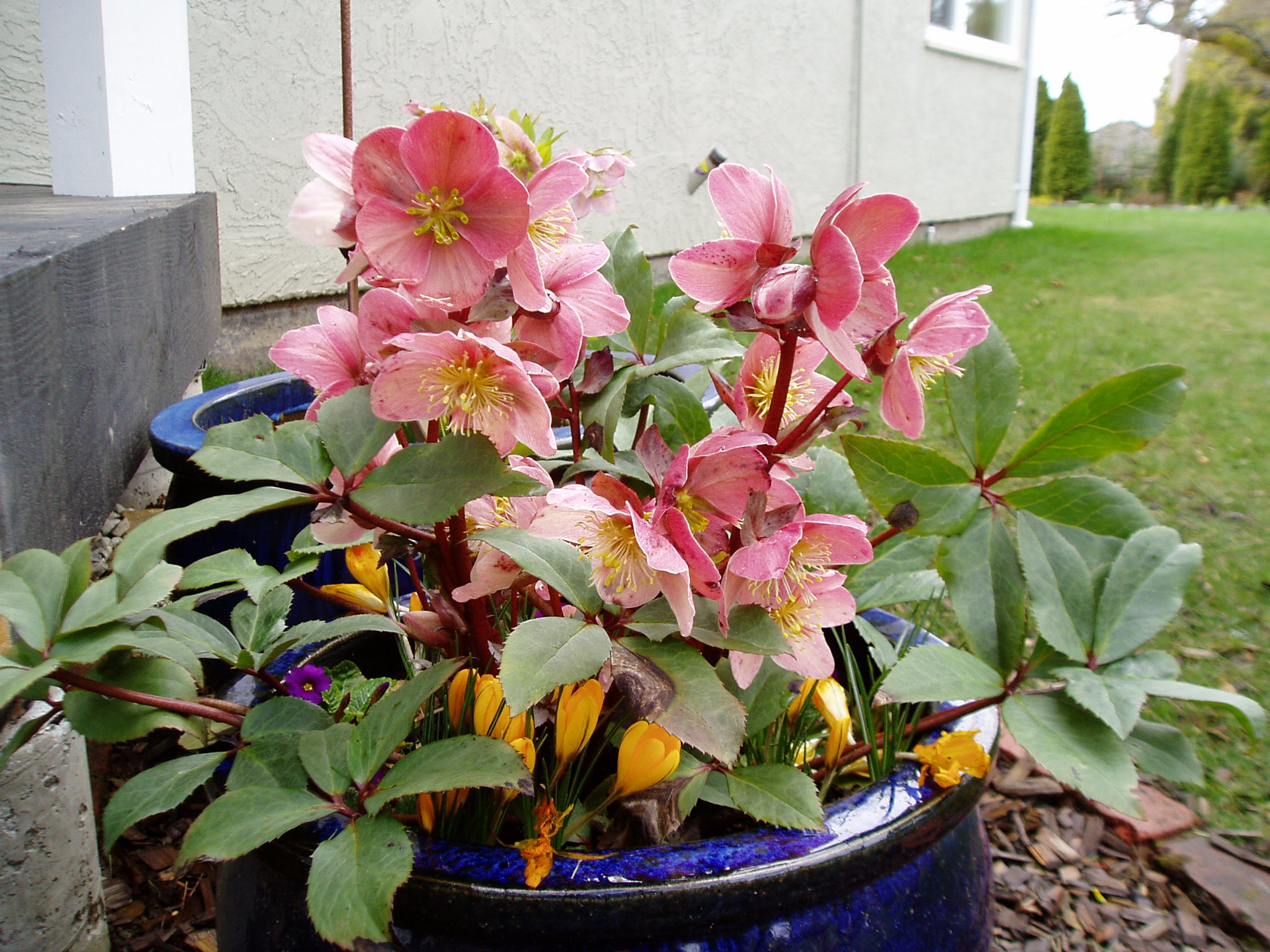
Helebore - full bloom in march
photo by SVSeekins

4. Hellebore
Just being a winter bloomer automatically qualifies hellebore for space in our borders.  The evergreen foliage adds interest to the garden for the rest of the year.  Win-Win!

aka: Christmas rose or Lenten rose

These days there are many choices of Hellebore.

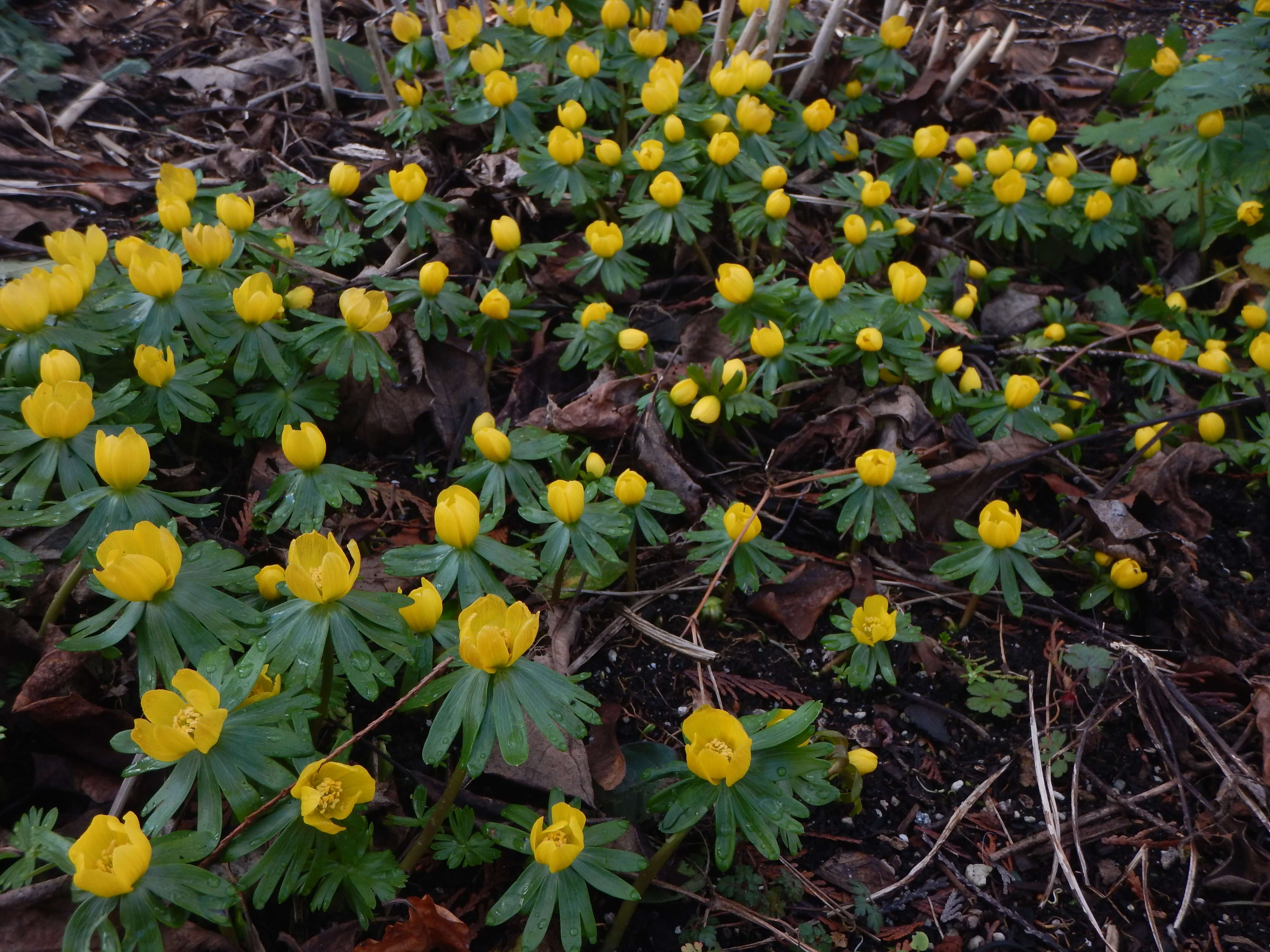
eranthis, winter aconite, Vereyesque aconites, cyclamen coum, galanthus, snowdrops, garden Victoria BC Pacific Northwest
photo by SVSeekins

5. Winter Aconite
This gem is actually a distant relative of hellebore.  Go figure. One of the best similarities between these 2 is that neither are bothered at all by deer.

aka: Eranthis

There are some better photos in this article.

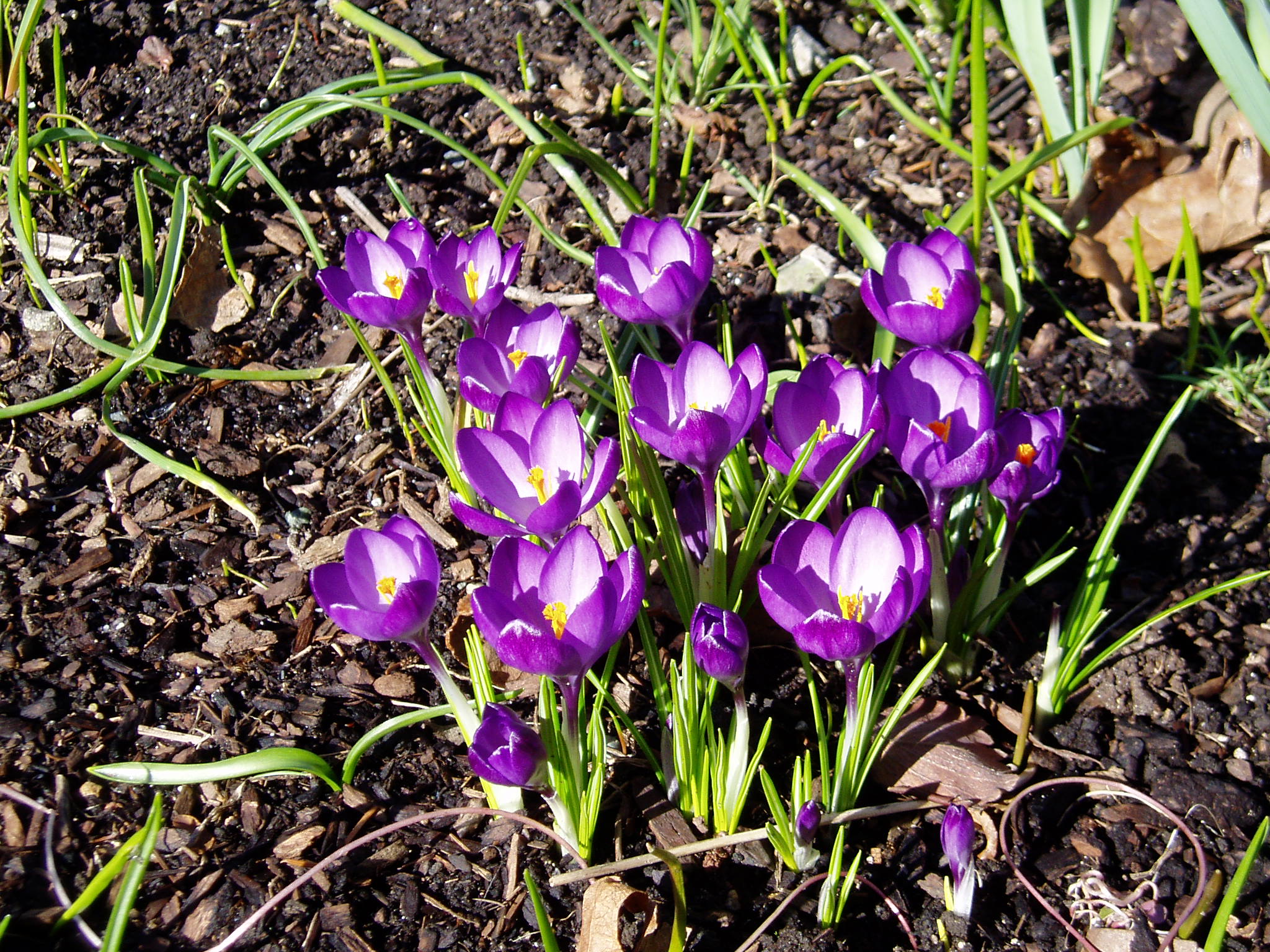
crocus cluster
photo by SVSeekins

6. Crocus
Crocus are my Valentines tradition.  When searching for a flower in our garden in mid-February, crocus never let me down.

aka: Crocus  🙂

I’m naturalizing some crocus in the lawn.

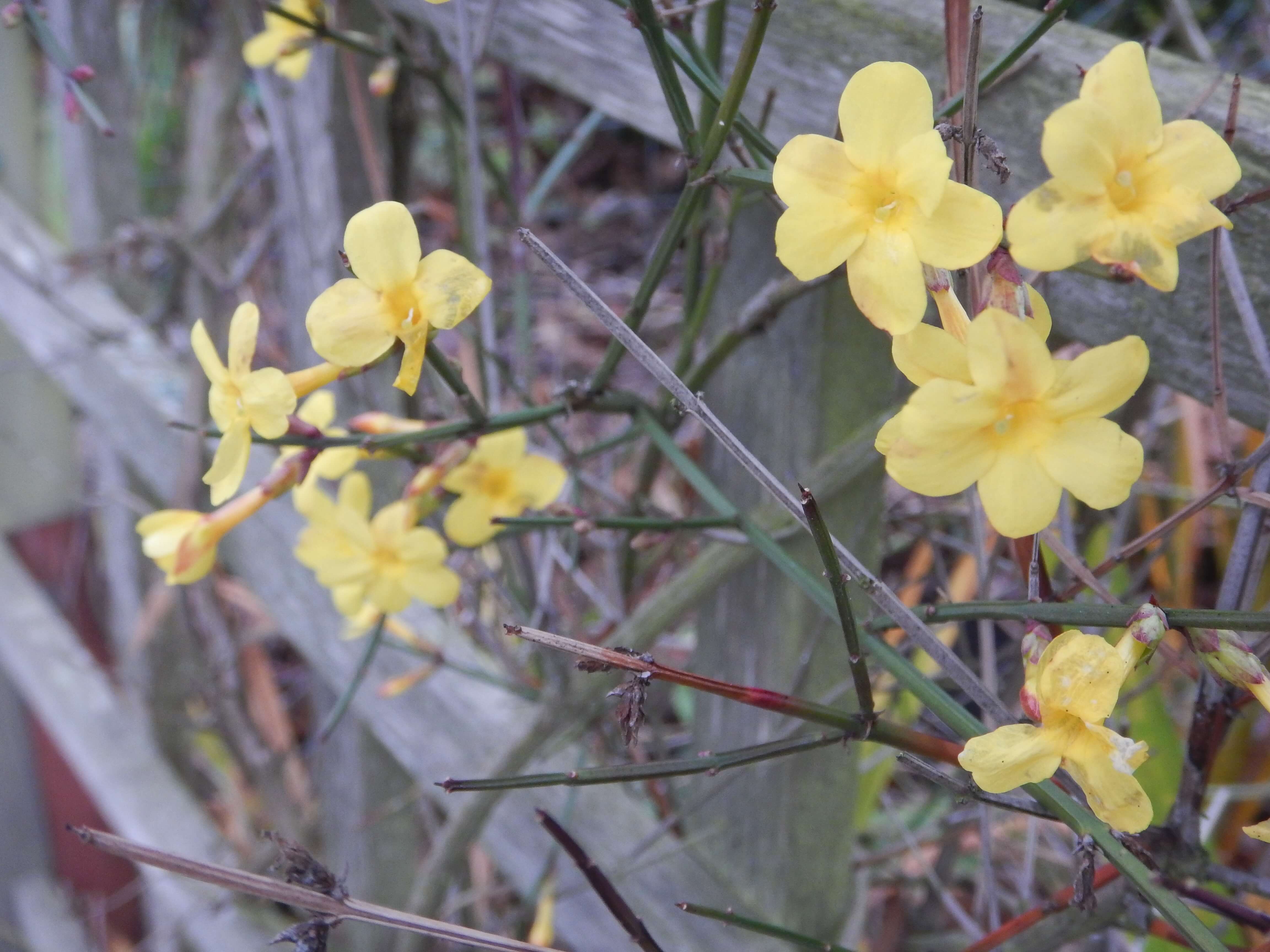
winter jasmine, winter-flowered jasmine, jasminum nudifolium, Jasminum sieboldianum, garden Victoria, Vancouver Island, BC, Pacific Northwest
photo by SVSeekins

7. Winter Jasmine
This specimen is from a cutting that DS stole from Government House during the New Year’s Day Levi a few years ago.  He decided we NEEDED it in our garden too!  Wasn’t that thoughtful?

aka: Hardy Jasmine (not summer jasmine)

The gardens are lovely at Government House.

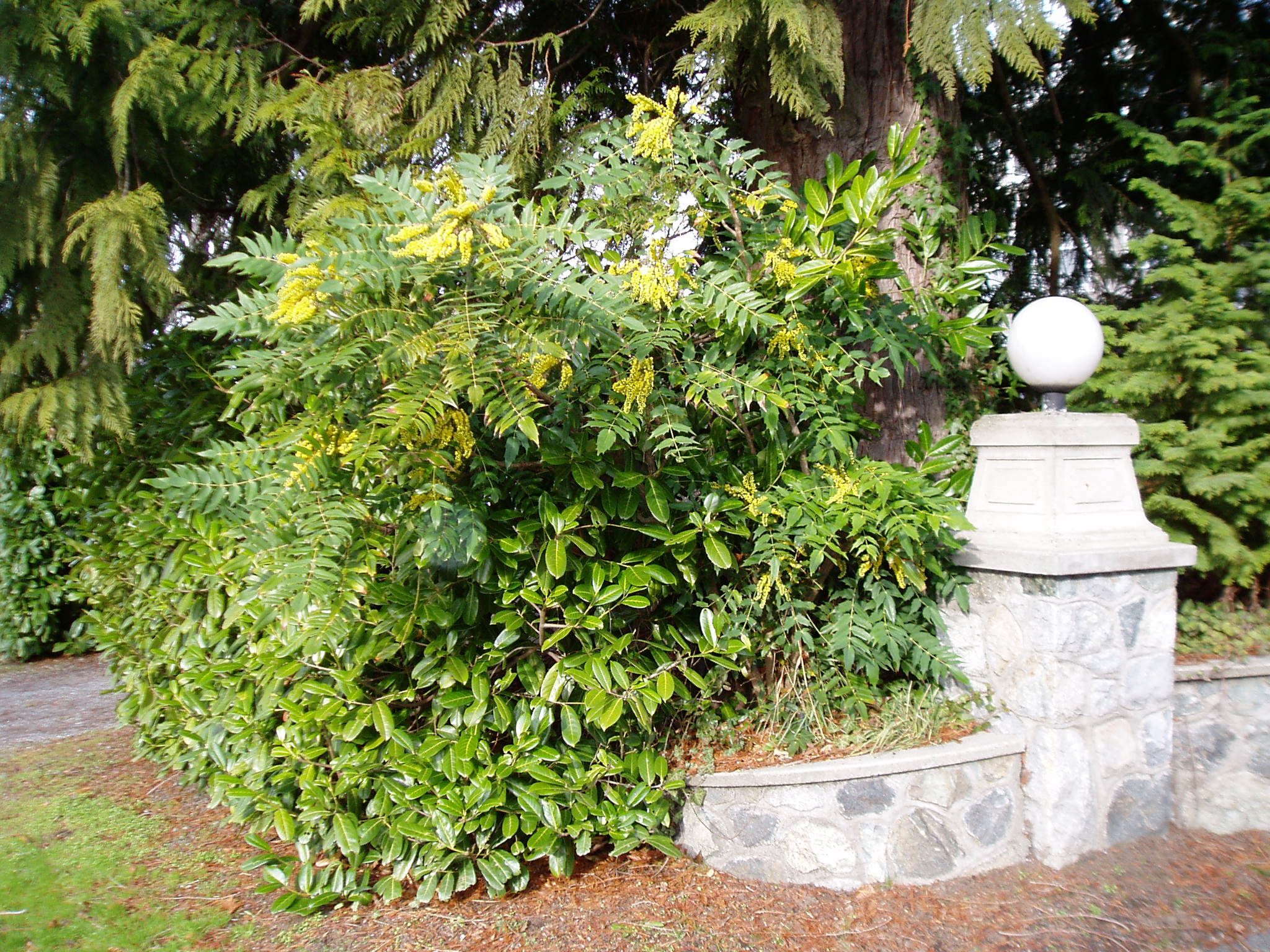
mahonia in February
photo by SVSeekins

8. Mahonia
Oregon Grape is the native mahonia to these parts, but it doesn’t bloom until early spring, so I understand why some folks plant this ‘outsider’.  It will bloom as early as December.

aka: Mahonia ‘winter sun’

Mahonia varieties grow all over the world.

bergenia - pig squeak
photo by SVSeekins

9. Pig Squeak
It’s a traditional favourite for our area, probably because of the winter blooms, and the unusual fleshy leaves.  But also because it is super hardy & tolerates neglect and DEER.

aka: Bergenia

Sometimes they’re called elephant ears.

primrose
photo by SVSeekins

10. Primrose
I thought they were just grocery store annuals, but when they finished up in the spring, I plunked them into the garden just in case.  They came back – –  every winter!

aka: Polyanthus

They’re not just a grocery store annual.

So there’s my list.  10 flowers in February – who would think there are that many?    There’s sure to be space for some other early bloomers as I find them; perhaps some rhododendron, camellia, or witch hazel

-30-
© SVSeekins and Garden Variety Life, 2013

P.S.  You might enjoy these stories:

Winter Yucca

Yucca in bloom
photo by SVSeekins

Because yucca originates in hotter climates than the Canadian west coast, I’d expect it to be in its glory in the summer, but I appreciate it the most during our drizzling grey winters.

In truth, yucca is pretty spectacular in the summer when it blooms… IF it blooms.

This photo shows a lovely patch beside a very busy road.  Local deer aren’t cocky enough to hang about there.  They prefer our yard.

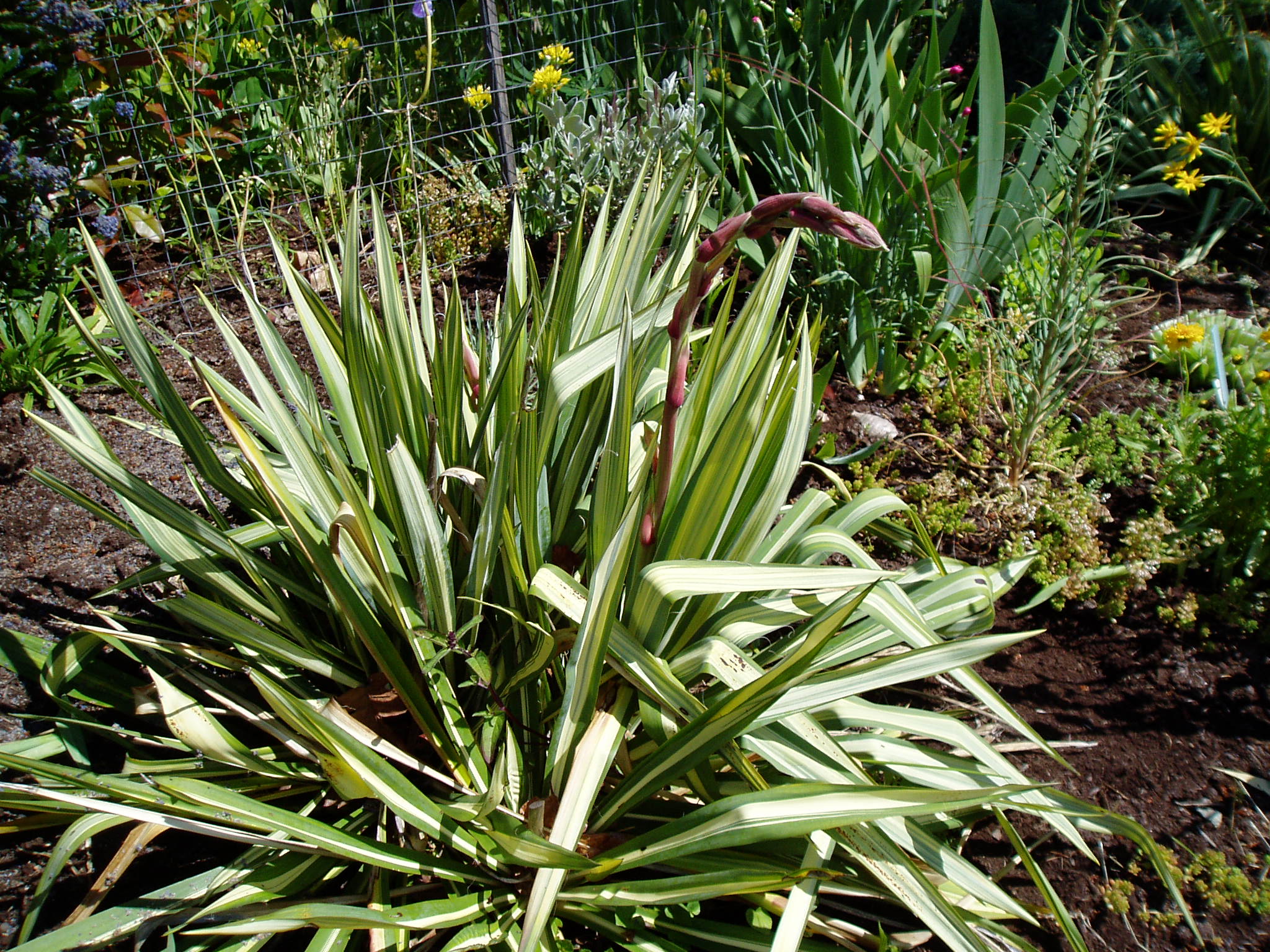
variegated yucca w. flower buds
photo by SVSeekins

Although the deer have no interest in the tough leaves, the funky flower stalk is another matter.  It was only allowed to grow to the point that it was just unfurling to stand straight up & bloom.  Then it became too much of a juicy delicacy for the deer to leave alone.  So, no yucca blooms in our garden.

Still, there are plenty of other reasons I keep yucca around.

  • it transplants like a dream (kc gave me this variegated beauty when she was downsizing to a tiny property)
  • it’s fun to pass on the favour – I enjoy sharing the ‘pups’ that pop up along the base of the plant
  • drought tolerance
  • the shape & texture balances nicely against the leafy plants in the border
  • it’s evergreen & just does its thing consistently with minimal care
  • I can return the favour to kc – she uses the cut leaves in her fabulous flower arrangements
  • It’s a member of the Agavaceae family – and that’s where tequila comes from   🙂

On the other hand, Yucca are spiky & sharp.  I don’t usually go for plants that can cause me harm.  In this case, I make an exception for a couple of reasons:

  • I wear glasses – and that protects from a wicked poke, while also helping me see.
  • I always wear full sleeves – and that protects me from the yucca scratches if I happen to rub against it, while also helping me avoid sunburn
  • Yucca doesn’t grab at me like a rose or blackberry does.  I really dislike that whole clingy thing.
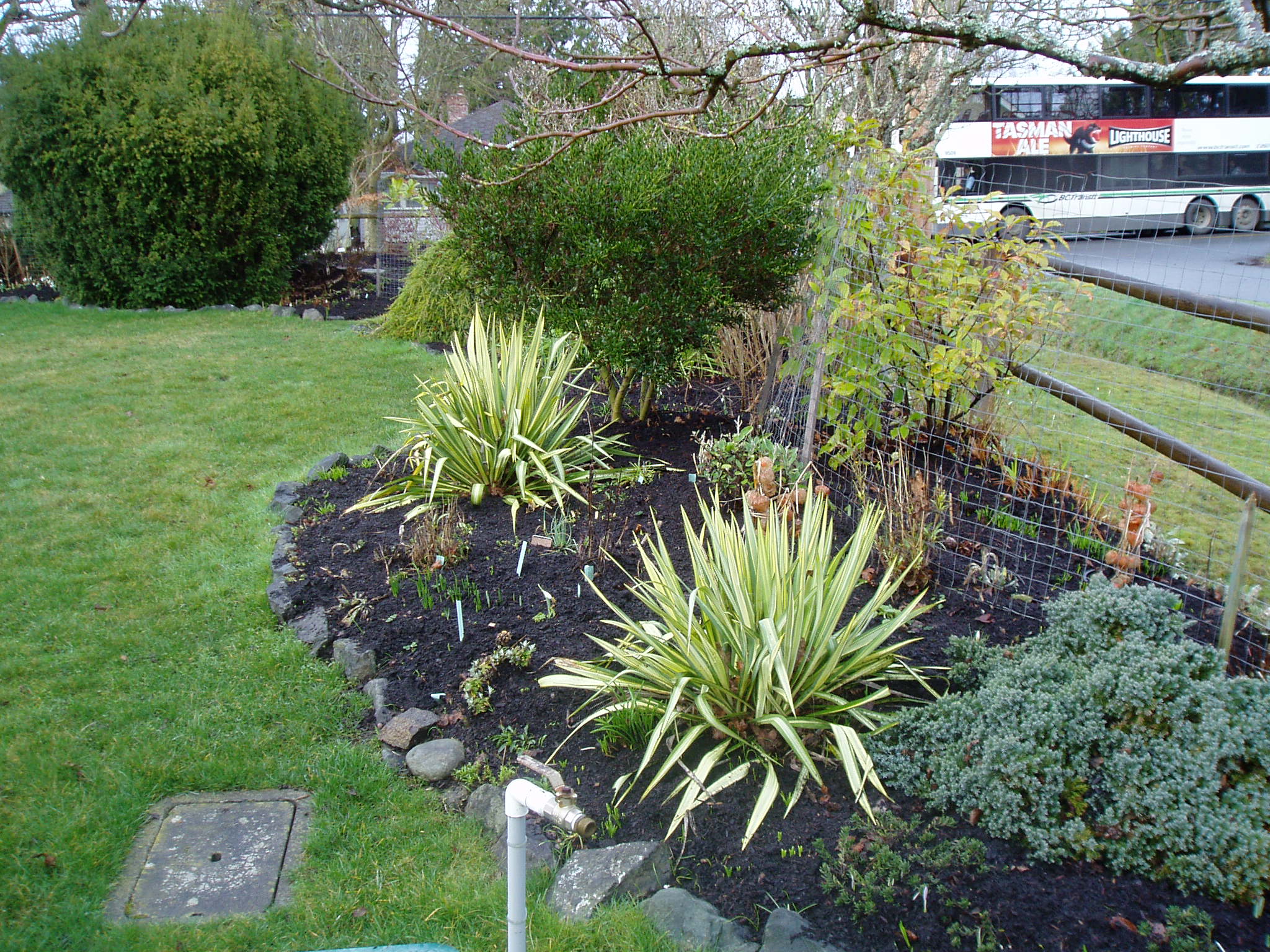
Yucca in the autumn garden
photo by SVSeekins
Yucca in the spring gardenA
photo by SVSeekins

In our yard, the yucca gets lost in the garden bed much of the year.  It mostly acts as an anchor as my eye skims over it in favour of spring bulbs, summer blooms or fall colour.

But it shines in the winter garden!

Yucca in the winter garden
photo by SVSeekins

It’s so lovely to have something to look at when so much else has died back into dormancy.

Yucca proves it’s worth as a winter focal point.  The variegated colour really pops in the grey winter light.

That’s the biggest reason I keep Yucca in our yard, and that’s why I like to call it “Winter Yucca.”

-30-

© SVSeekins and Garden Variety Life, 2013. 

P.S.  You might enjoy these stories:

Enter your email address to subscribe to this blog and receive notifications of new posts by email.